Can Miami Beach give renters relief? City looks to expand perks to lure developers to build cheaper homes
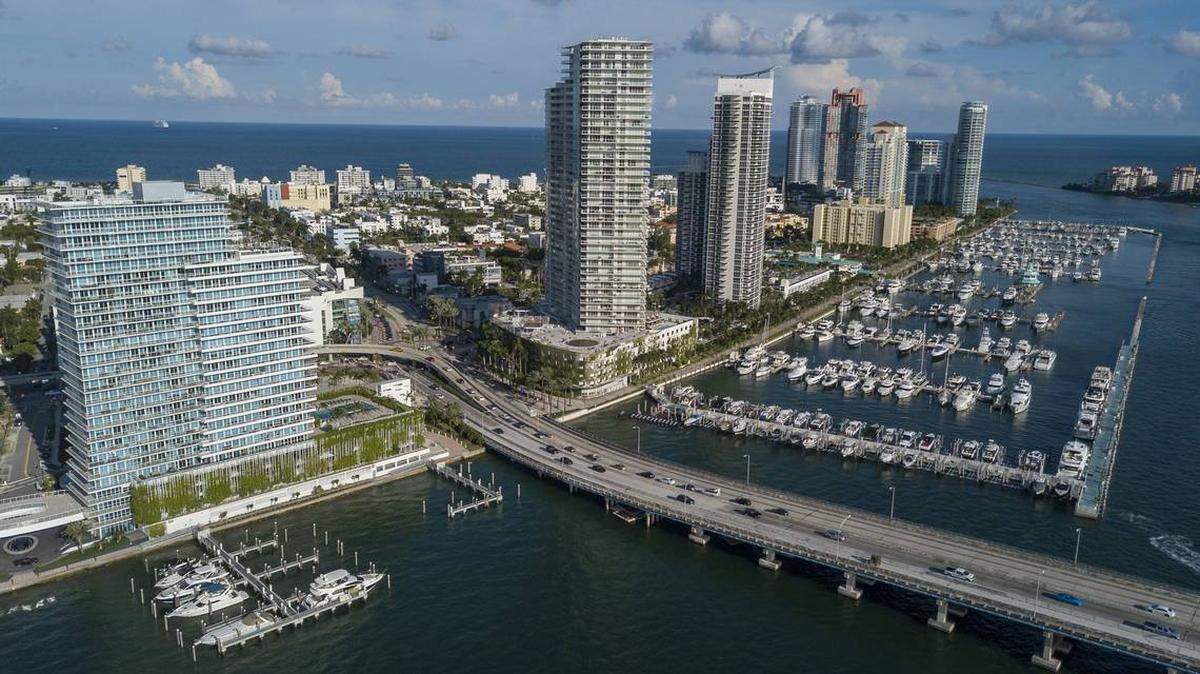
Miami Beach officials want more homes priced below market levels for local workers, and they’re willing to dangle financial incentives that could save developers hundreds of thousands of dollars to build them.
However, a few area developers doubted the inducements would be a silver bullet to stimulate construction and make homes in one of the most expensive cities in Miami-Dade County much more affordable.
The Miami Beach commission voted unanimously this week to waive a slew of fees that developers wouldn’t have to pay, if they build lower priced homes for local workers. City officials are expected to give final approval by the end of the month.
“Housing affordability is key to quality of life. With the rising cost of land and construction and high interest rates, all of these driving factors are causing housing to be less and less affordable,” said Rickelle Williams, the city’s economic development director. “We’d like to encourage residents to live and work in the city of Miami Beach.”
Miami-Dade’s housing costs skyrocketed during the ongoing pandemic. Miami Beach saw one of the highest apartment rent increases in the county — a whopping 72% — over the past two years. Landlords have hiked rents to astronomical levels as scores of newcomers, many of them digital nomads earning high salaries in technology and finance, have arrived.
In Miami Beach, builders typically pay fees to the city whenever they build a project. The menu of fees are meant to offset the impact their developments will have on community resources and the environment.
Under the proposal that passed this week, Beach officials no longer would levy the fees on developers building housing priced for local workers.
Typically, for any residential projects builders would have to construct an environmentally certified project or contribute 5% of the construction cost to the city.
Developers who build workforce housing also would be exempt from paying the following estimated flat fees: $50,009 on a mobility fee meant to fund transportation improvements; $35,010 on a parks concurrency contribution meant to support public parks; $425,357 on impact fees for water and sewer connections; and a $330,980 donation to the city’s Art in Public Places campaign. All of this amounts to $841,356 in savings.
The fee waivers would expand the list of existing development incentives in Miami Beach, including expedited plan review and permitting and developing homes for the workforce on city-owned properties.
All workforce housing projects under construction — the city has one on Normandy Drive and another for Miami City Ballet dancers on Collins Park — also would qualify for the waivers. It’ll cost developer Servitas $29 million to build the 80-unit Miami City Ballet workforce housing development. Williams said the developer can expect to save $1.2 million in development fees, if the city commission gives final approval for the fee waivers.
Homes intended for workforce housing cater to local residents earning up to 140% of Miami-Dade’s area median income of $68,300. In order to qualify for such housing, a single person would need to earn between $54,640 and $95,620 annually, a household of two people would earn between $62,400 and $109,200, and a household of three people would earn between $70,240 and $122,920 a year.
Monthly rents for apartments designated for local workers would vary depending on household income and number of bedrooms. They would cost from $1,366 for a studio up to $3,073 for a two-bedroom place.
If city officials really want to encourage more workforce housing development, it should talk to the experts, said Michael Wohl, principal of Coral Rock Development and longtime affordable housing and workforce housing developer. City commissioners need to hear from lenders, contractors and architects on what would best help them achieve their housing goals.
“It’s important that a progressive municipality like Miami Beach should have a blue ribbon group of people in the private sector with what they want to accomplish,” Wohl said. “This is a good first step, but there’s a lot of things that could be discussed to help with the process.”
Miami Beach leaders see the desperate need for more housing for local workers, Williams said. Most of the city’s workforce commutes into the Beach, based on 2019 U.S. Census data. Of the 58,066 jobs in Miami Beach, 48,515 or 84% of them are held by people who live outside of the coastal community.
The intent of city leaders is to have the workforce live, work and play in the community. That’s why Miami Beach has a goal of building at least 6,800 affordable and workforce housing units by 2030. Now, 313 more affordable and workforce homes are in the pipeline.
“Fee waivers and incentives are elements that will boost our economy. They will help stabilize our business community,” Williams, the city economic development leader, said.
Albert Milo, president of Related Group’s affordable housing division, said he wants to see more on the table — such as relaxed real estate taxation, reduced parking and increased density.
“It is important to have a complete toolbox. No one incentive solves all issues. There’s no silver bullet. You need to have a comprehensive menu of incentives,” Milo said. “Then again, the private sector’s job is to know which ones to use to get these projects built.”
Tim Hernandez, adjunct professor at University of Miami’s school of architecture and a principal at New Urban Communities, said Miami Beach should team with the county and Miami-Dade Public Schools on its workforce housing push.
“The amount of money that people are saving with this will help,” Hernandez said, “but it’s not going to move the needle.” The city and county, he added, “should be partners in this if they’re sincere about resolving this problem.”