
Miami-Dade mayor wants to spend $85 million to help struggling homeowners, boost affordable housing
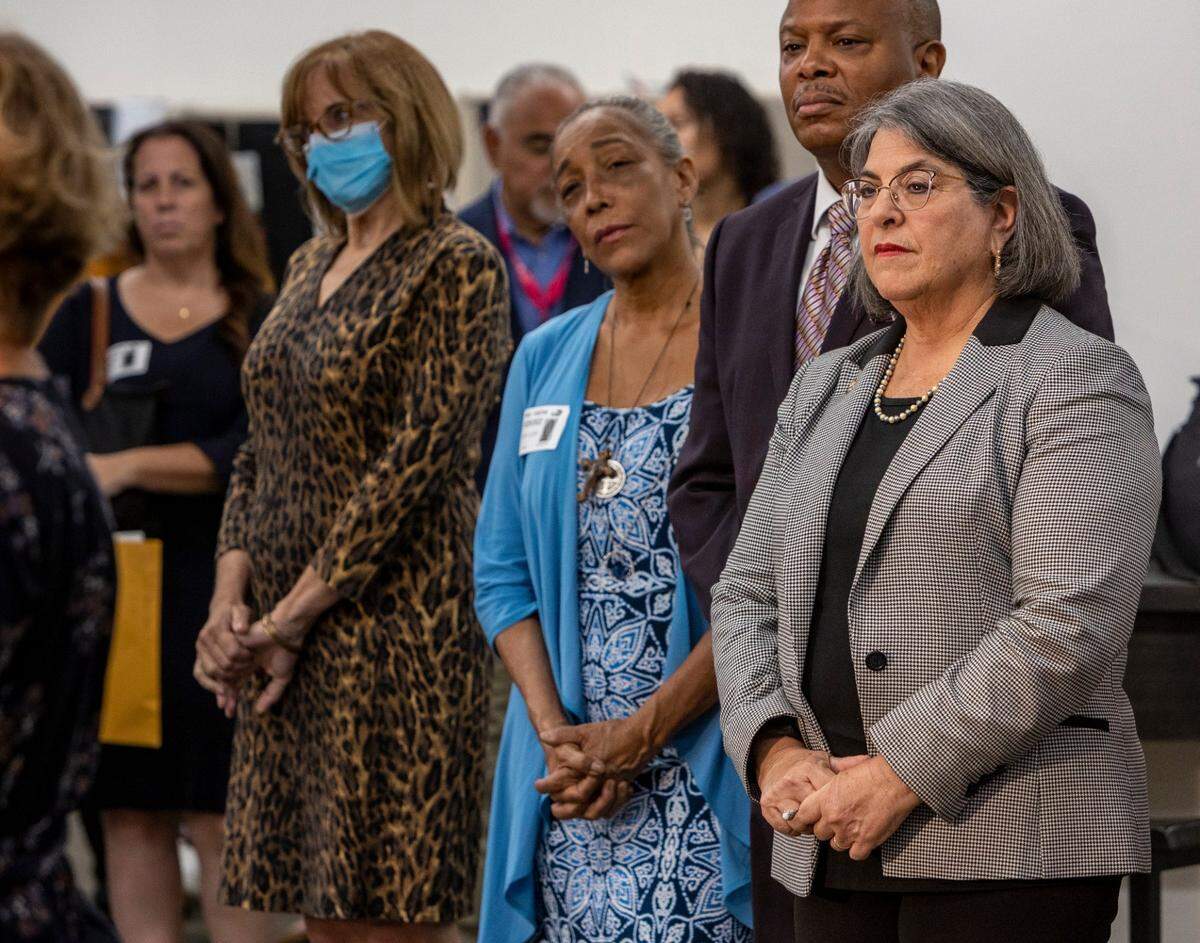
After declaring a housing-affordability crisis in April, Miami-Dade County Mayor Daniella Levine Cava on Monday proposed that the county spend $85 million to help struggling homeowners pay their mortgages and related expenses, as well as give incentives to developers to build homes for local workers and lower income families.
The latest effort represents an expansion of the county’s Building Blocks Program, which is using $13.4 million in federal funding for emergency rental assistance to help people behind on their rent.
Homeowners having difficulty paying mortgages, property insurance, property taxes or utility bills can apply to receive up to $1,500 from the county, Levine Cava said, during a press conference at the Stephen P. Clark Government Center.
If the Miami-Dade Board of County Commissioners approves the mayor’s plan when it meets in September, the county will contact the homeowners in the fall selected to receive the financial assistance. Of the applicants, 15,000 households will be chosen based on their incomes, but the specific financial criteria wasn’t disclosed Monday. Under the mayor’s plan, the county would spend up to $22.5 million for the mortgage assistance.
“This will provide direct payment to families who are struggling because of the rising costs of living,” Levine Cava said.
Miami-Dade is mired in a prolonged housing-affordability crunch that began years before the pandemic emerged in March 2020. Miami is one of the priciest rental markets — or by some measures the most expensive — in the country, although median wages are stagnant. Affordable apartments are hard to find as rents continue increasing due to the large number of professional newcomers working for technology, law and finance firms. Meanwhile, home ownership remains out of reach for many prospective buyers due to high home prices. Property insurance annual premium increases have added to the financial burden of homeowners.
The county mayor’s new HOMES Plan also includes a test program of incentives for landlords to persuade them to make their rental homes available to Section 8 tenants.
In addition, the plan would offer financial aid for workforce and affordable housing projects. County officials intend to launch a Development Inflation Adjustment Fund to help developers complete delayed affordable housing projects already in the pipeline. Since the beginning of the year, 32,000 homes designated for people with lower incomes have been started.
Under the mayor’s proposal, a Workforce Housing Incentive Program would be started and eligible landlords would receive incentives to assist tenants with rental costs. Landlords would have to apply to participate and their tenants would need to demonstrate financial need.
In the spring, the Building Blocks Program provided renters with $13.4 million in federal funding to help with monthly rent hikes. Among other things, the county is paying up to $3,000 to people behind on their rent or facing significant rent increases. Residents with income below 80% of the county’s annual median income are eligible. That includes individuals earning less than $50,650, couples earning less than $57,650, families of three earning less than $65,100 and families of four earning less than $72,300.
The mayor said Monday that since the rental assistance payments began in April more than 20,000 families have received money that enabled them to avoid eviction from their homes.
Ned Murray, associate director of Florida International University’s Jorge M. Pérez Metropolitan Center, said the county has 251,732 cost-burdened renters. More rental assistance makes sense, he said, since “rents will certainly not go down so rental assistance will have to be maintained for years to come.”
Annie Lord, executive director of Miami Homes for All, called the mayor’s home-affordability plans steps in the right direction.
County officials “need to make sure these programs are easy to access, especially for folks who are older, have language or technological barriers and they may not know about it,” Lord said.
Housing experts say it will take years for the dire demand for homes in Miami-Dade to level out with the supply.
“I don’t expect to see any relief in the near future,” Murray said. “We’ve yet to see the full impacts of the housing- affordability crisis. Expect to see growing economic impacts as workers migrate away from high-cost areas leaving severe labor shortages across industry sectors, further displacement due to rent increases, an increase in homelessness and an overall loss of quality of life as renters and many cost-burdened owners are left with little or no residual income.”
This story was originally published August 29, 2022 at 7:19 PM.

%20Cropped.jpg)