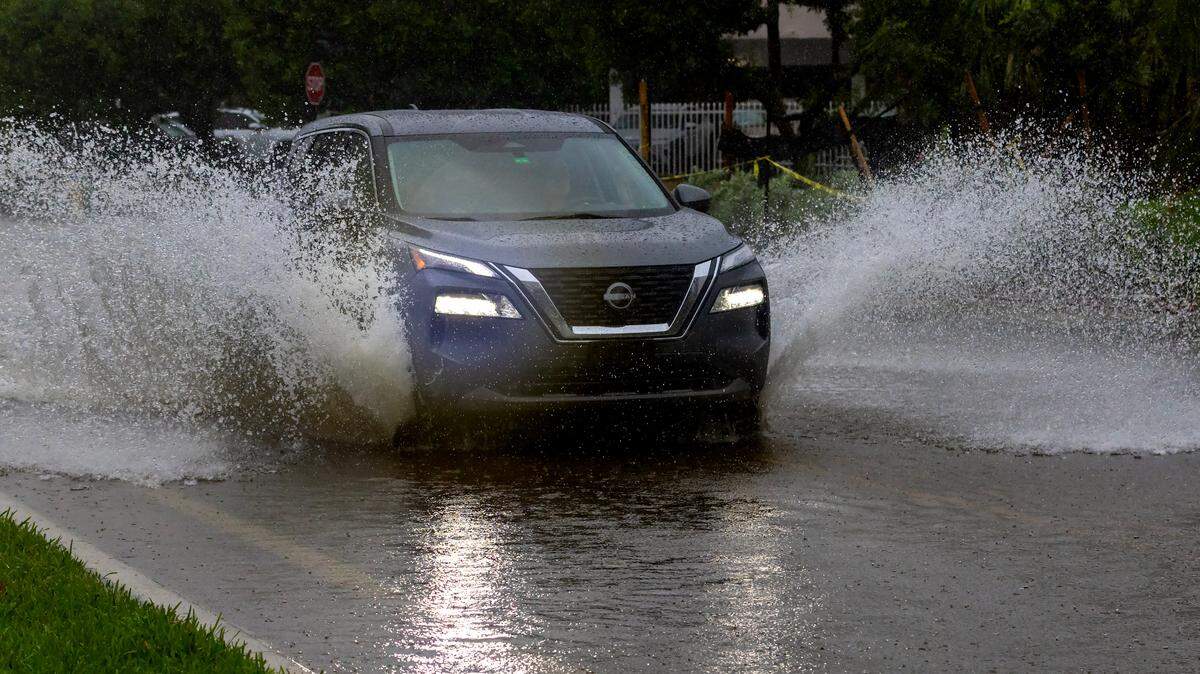
What do all these flood alerts mean? What your phone is trying to tell you
READ MORE
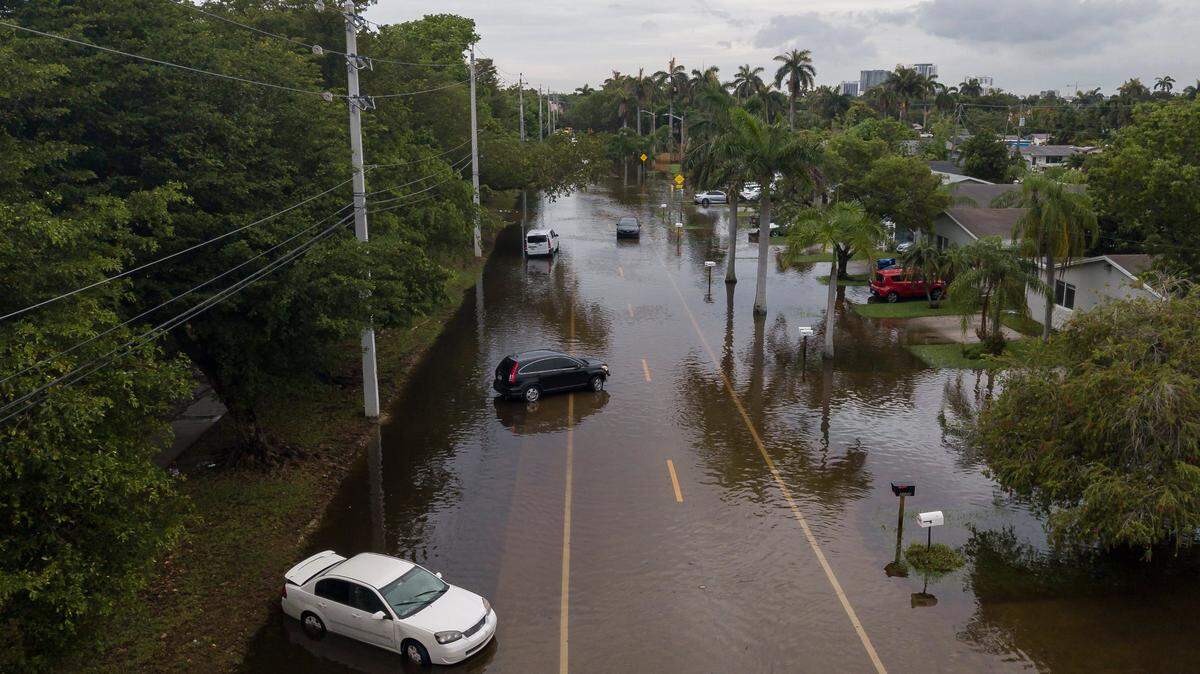
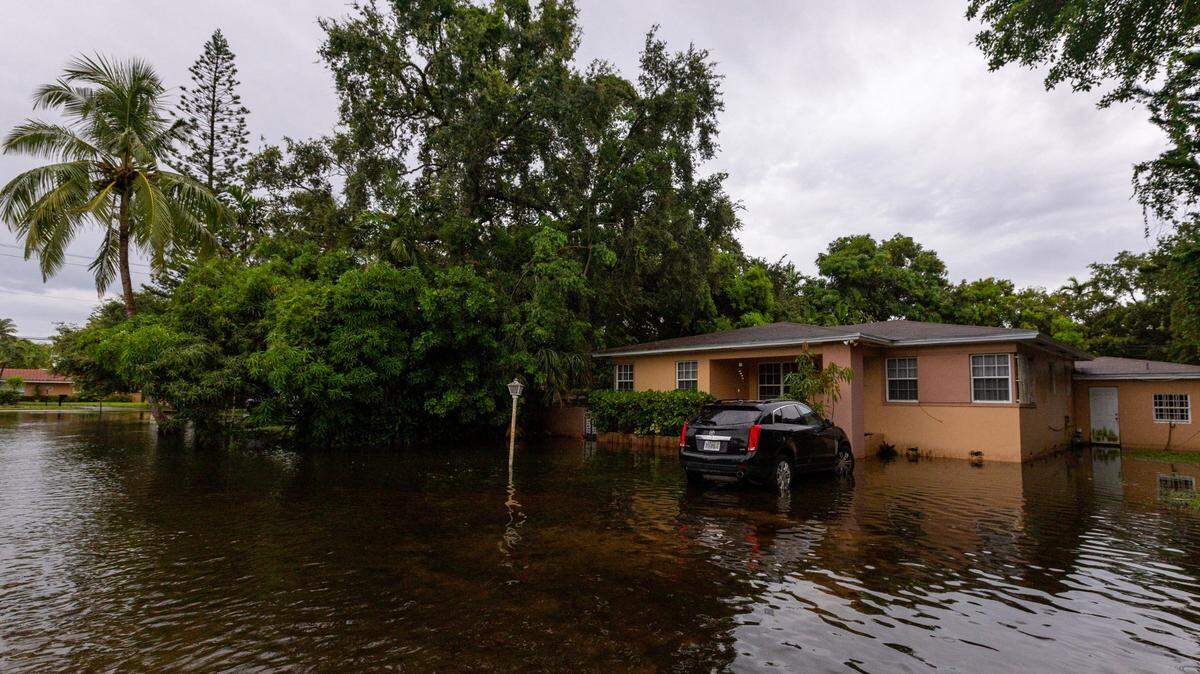
Severe flooding in South Florida
Torrential rain and severe thunderstorms swamped Miami-Dade and Broward counties. Here’s what to know about the impact.
Expand All
Your phone alerts sure have been blaring. Flood watch. Flood warning. Flash flood warning.
One alert seemed especially ominous in real time: “Flood emergency is in effect. This is an extremely dangerous and life-threatening situation. Do not attempt to travel unless you are fleeing an area subject to flooding or under an evacuation order.”
Here’s a breakdown of the various terms:
Definitions for flooding
What’s the difference between a flash flood warning and a regular flood warning?
Flash floods are usually more dangerous because they’re caused by heavy rain in a short time, while regular flooding builds up slower and can also take days to recede. A flood warning means that flooding is occurring or will soon happen and that people need to be cautious and alert for potential dangers. A flood watch means flooding is possible in certain areas.
Here’s how the National Weather Service breaks it down:
Flash Flood Warning: “Take Action! A Flash Flood Warning is issued when a flash flood is imminent or occurring. If you are in a flood prone area move immediately to high ground. A flash flood is a sudden violent flood that can take from minutes to hours to develop. It is even possible to experience a flash flood in areas not immediately receiving rain.
Flood Warning: “Take Action! A Flood Warning is issued when the hazardous weather event is imminent or already happening. A Flood Warning is issued when flooding is imminent or occurring.”
Flood Advisory: “Be Aware: A Flood Advisory is issued when a specific weather event that is forecast to occur may become a nuisance. A Flood Advisory is issued when flooding is not expected to be bad enough to issue a warning. However, it may cause significant inconvenience, and if caution is not exercised, it could lead to situations that may threaten life and/or property.”
Flood Watch: “Be Prepared: A Flood Watch is issued when conditions are favorable for a specific hazardous weather event to occur. A Flood Watch is issued when conditions are favorable for flooding. It does not mean flooding will occur, but it is possible.
What should you do in a flooded area or driving to one?
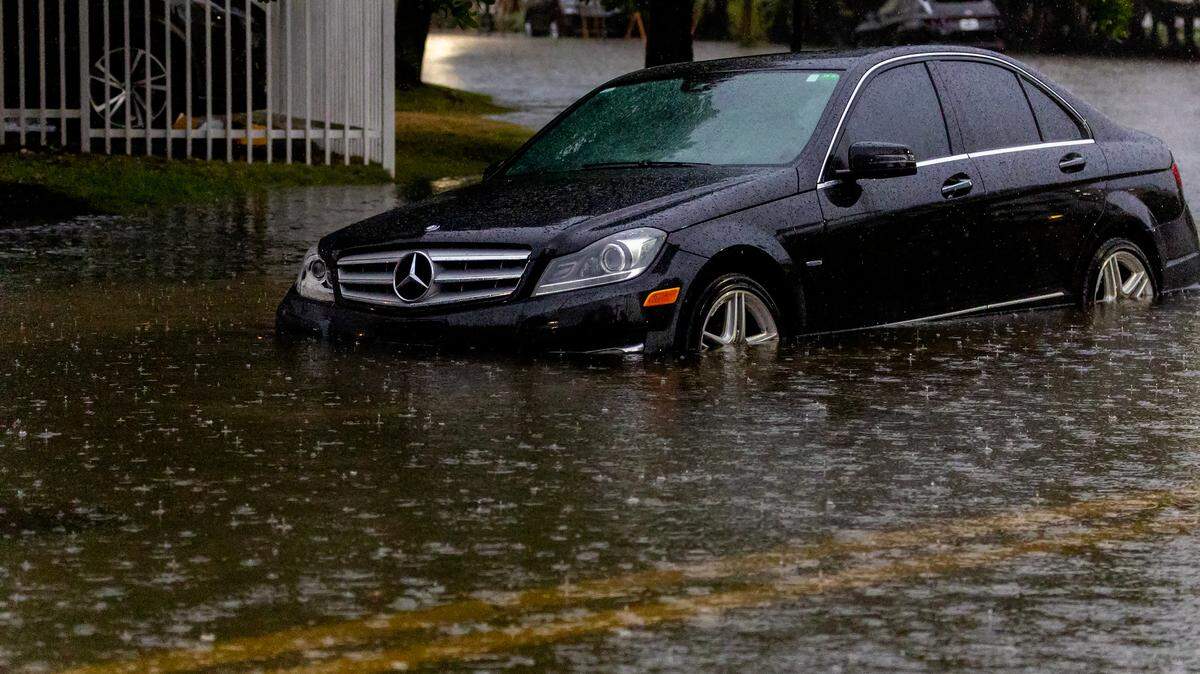
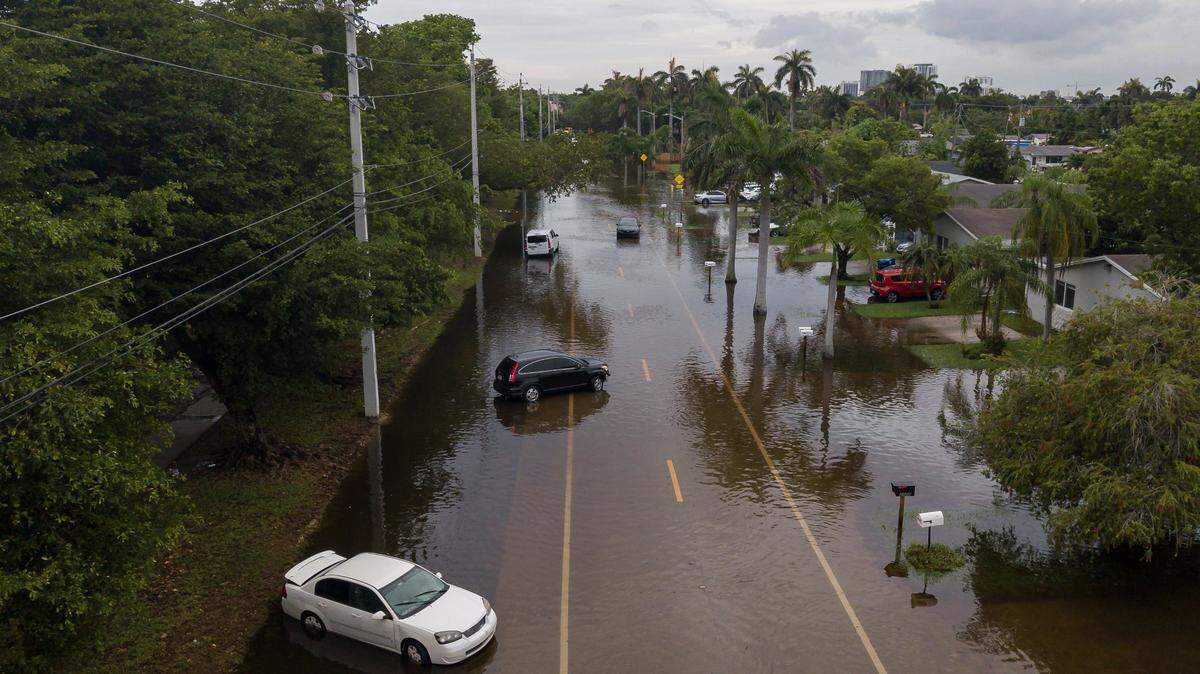
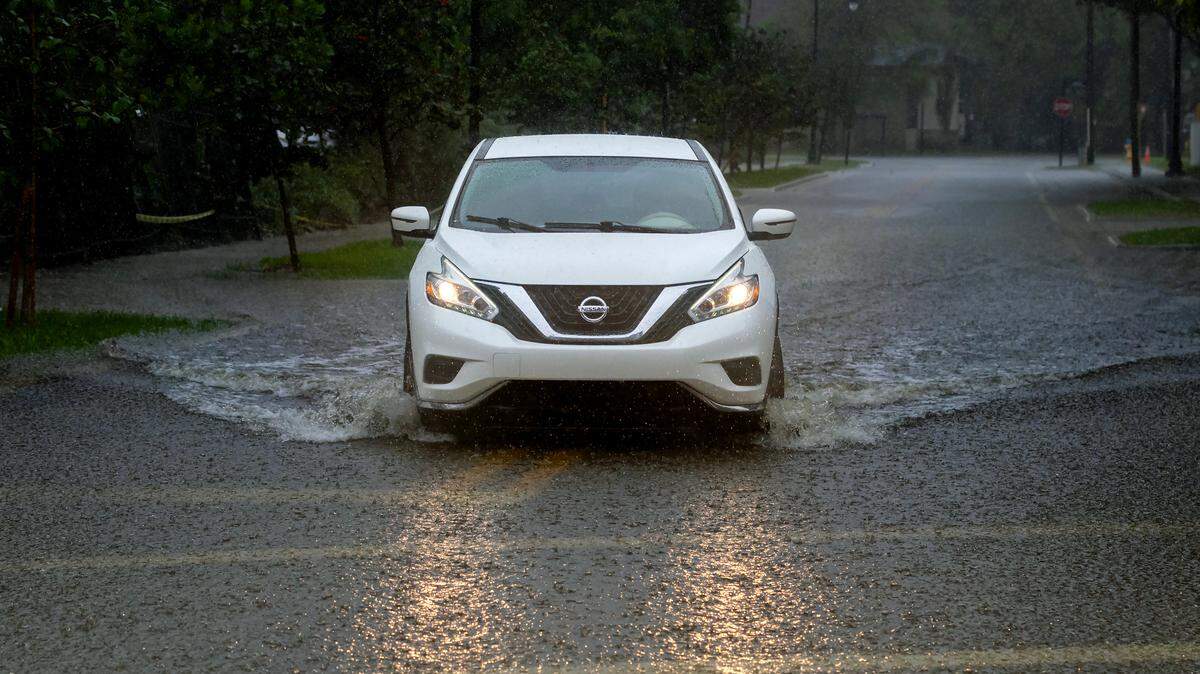
Your safest option is to stay indoors until the flooding recedes. However, if you need to drive to work or are trying to go home, do not attempt to drive through flooded roads. If you come across a flooded road, turn around and find a different route. Most flood deaths occur in vehicles, according to the weather service.
You should also not be attempting to walk or swim in flooded roads.
“Just six inches of moving water can knock you down, and one foot of moving water can sweep your vehicle away,” according to Ready.gov, the Federal Emergency Management Agency’s national public service campaign on how to respond to potential emergencies.
Make an emergency plan with your family, if you haven’t done so already, including on where you will go if you need to evacuate and move to higher ground. Have a phone readily available and charged to call 911 in case you need to be rescued.
The same goes if you are driving. And make sure you stay informed with the news for potential evacuation orders.
This story was originally published June 13, 2024 at 3:51 PM with the headline "What do all these flood alerts mean? What your phone is trying to tell you."
.jpg)
.png)