Remember they said Miami would be under water? Here’s a preview of our future | Opinion
READ MORE
Severe flooding in South Florida
Torrential rain and severe thunderstorms swamped Miami-Dade and Broward counties. Here’s what to know about the impact.
Expand All
It’s like an unspoken social contract. When people choose to live in South Florida, they must make peace with the possibility that, thanks to hurricanes, there will be flooding and they may incur thousands of dollars to fix their homes post storm.
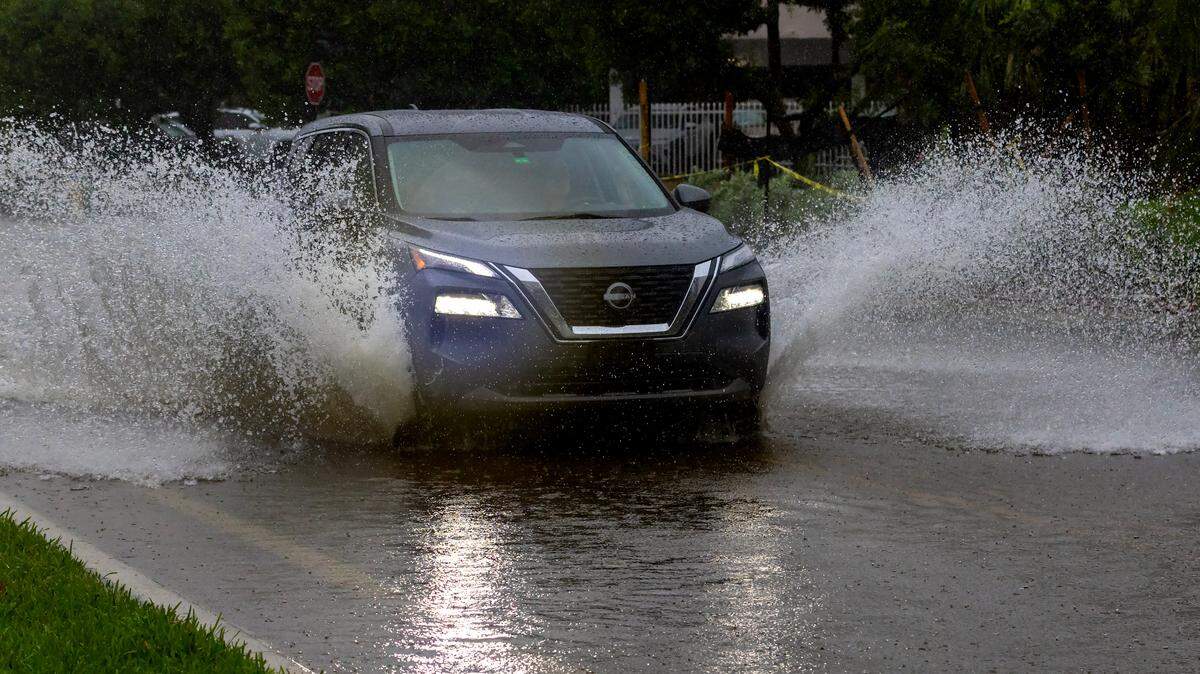
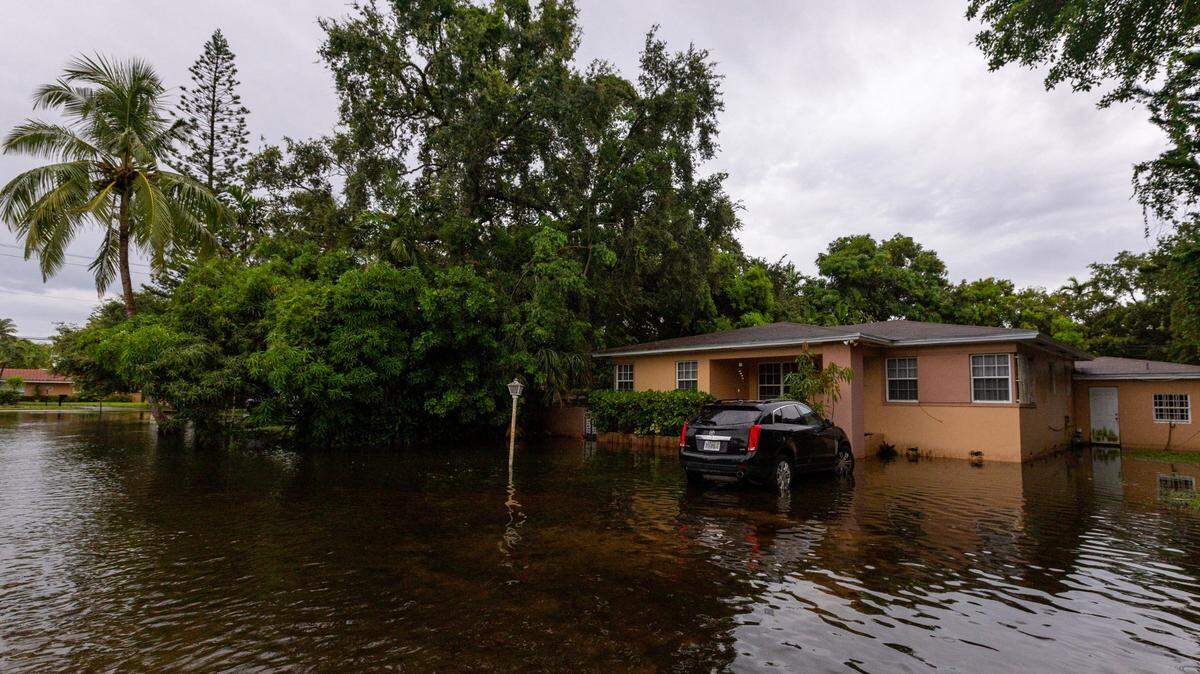
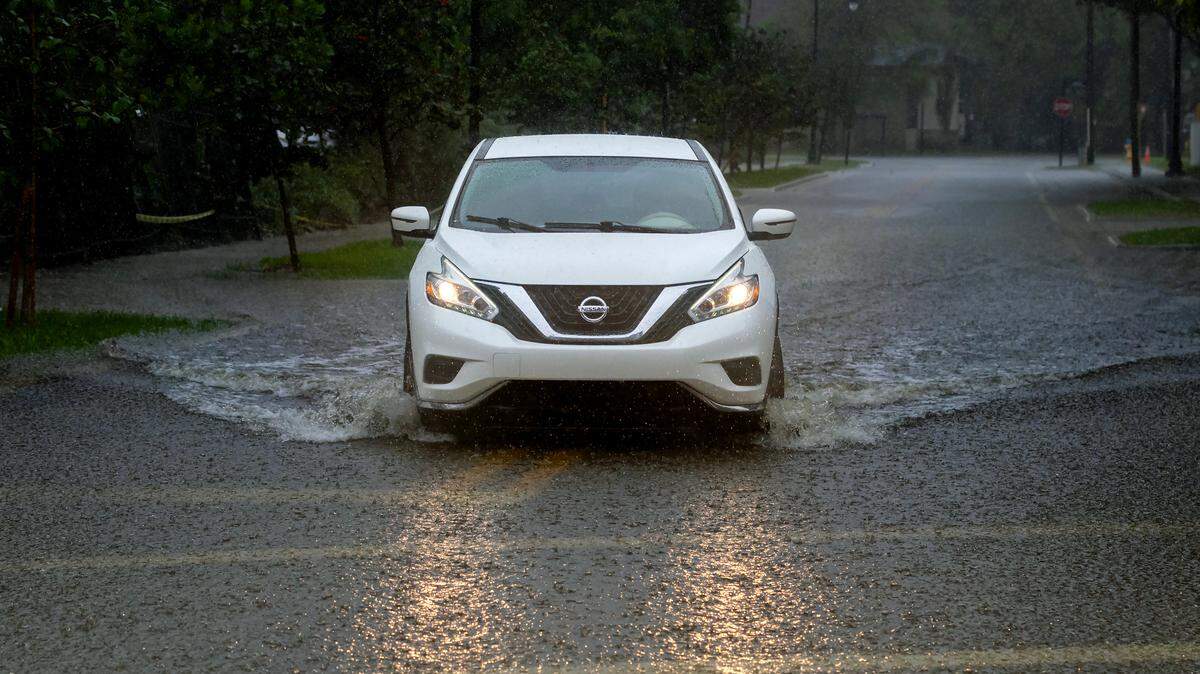
But that’s supposed to be during a major storm with a name — like Irma, Ian or Andrew — not any given day during heavy rains as it happened Wednesday in Miami-Dade and Broward counties.
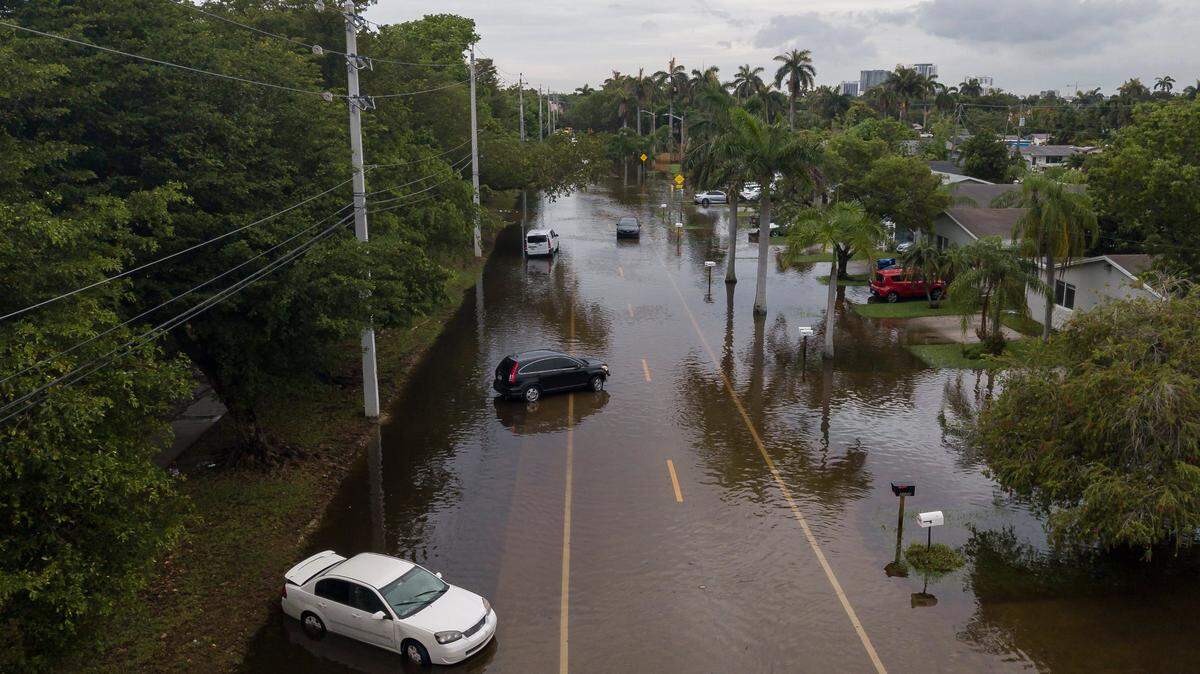
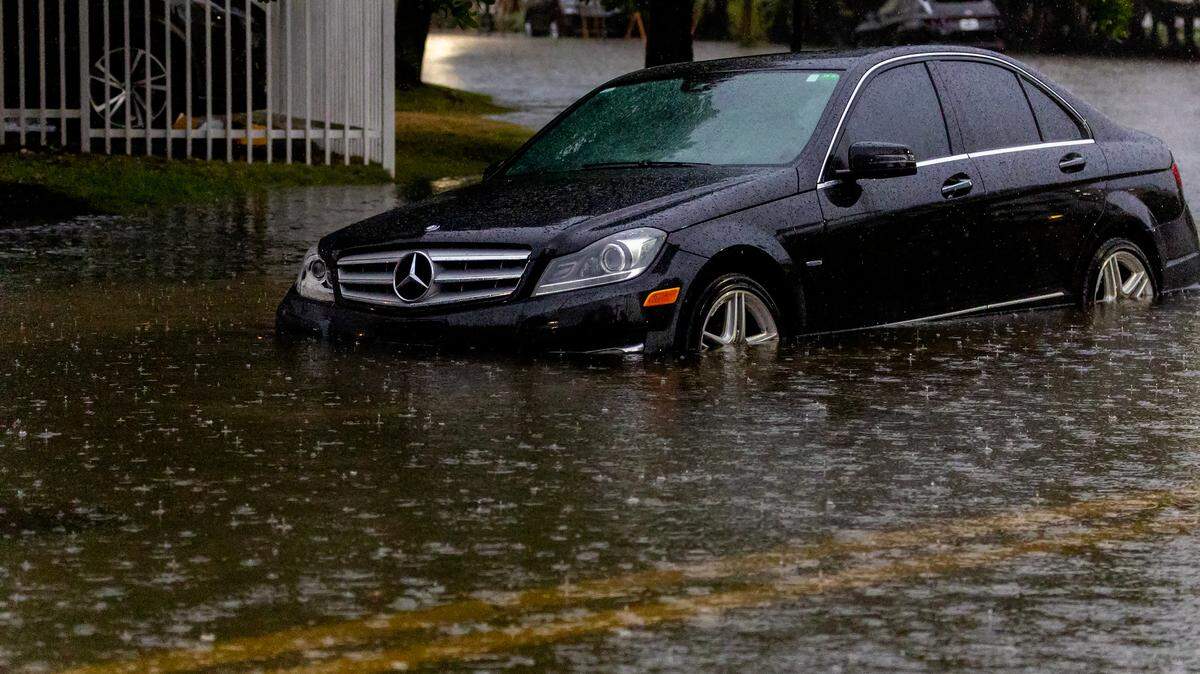
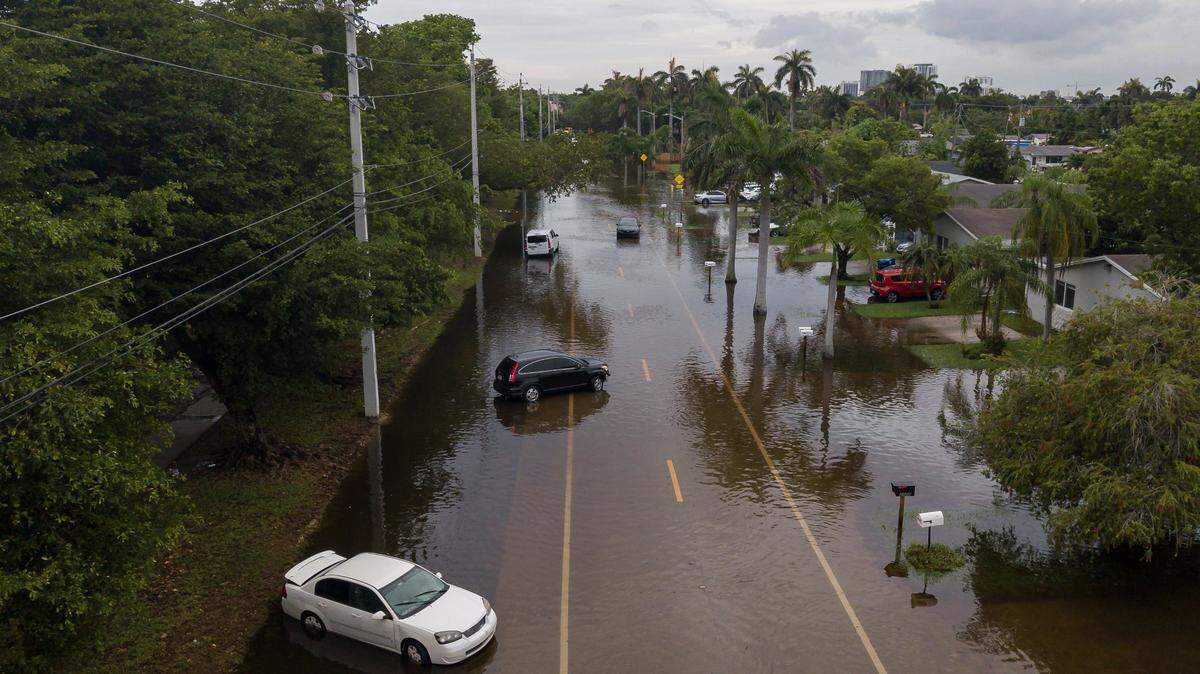
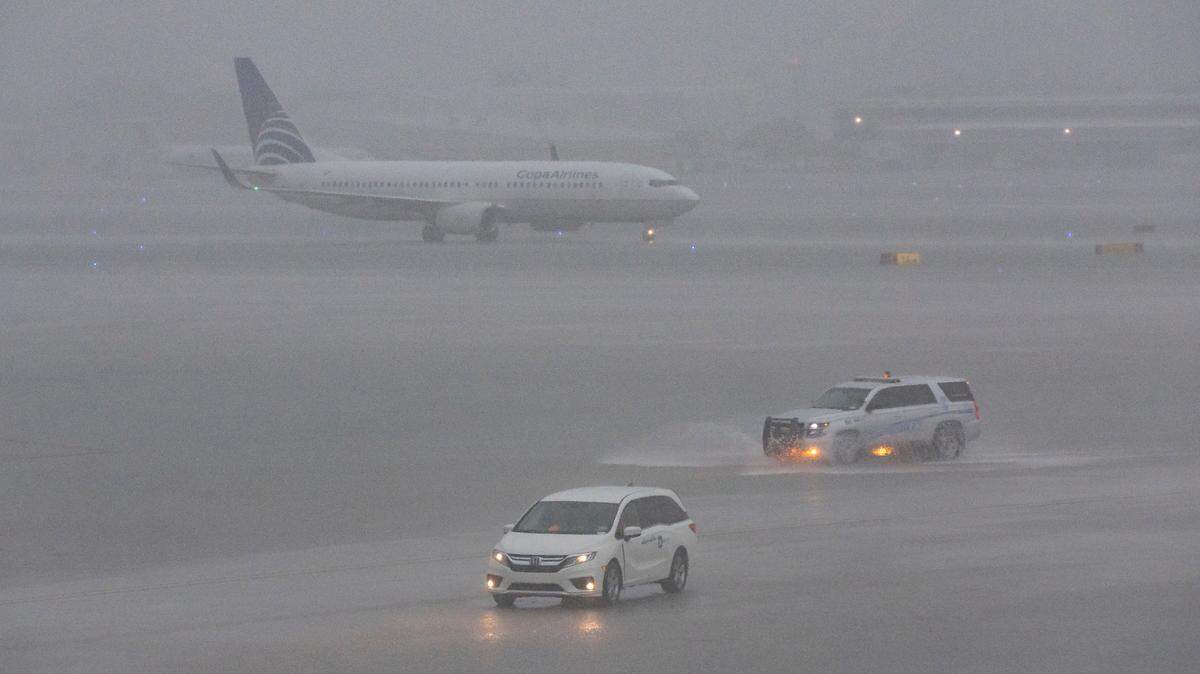
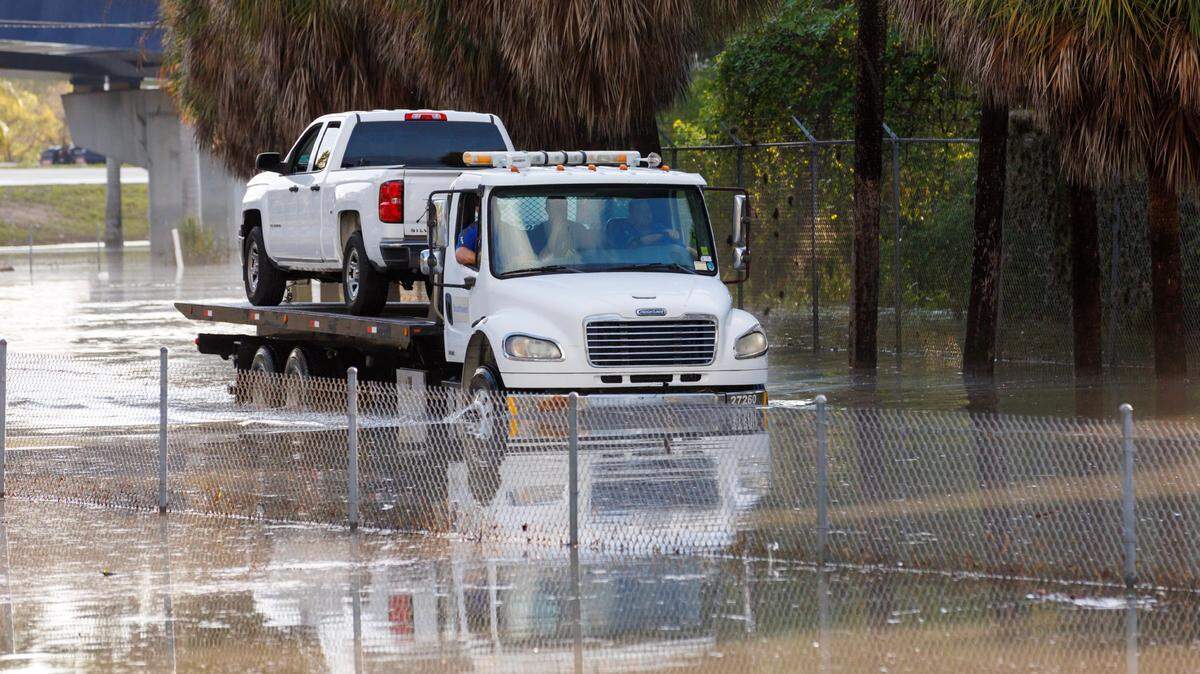
Flooding was so intense that part of Interstate 95 was shut down in Broward as water pooled on the highway. Roads were rendered impassible in places like Hollywood and Miami Beach. A rare flash flood emergency was issued.
Last April — even before the 2023 hurricane season started — historic flooding in Fort Lauderdale caught residents and officials by surprise. The city had to use airboats to rescue people from their homes and, on the following day, abandoned cars caught in the water lined the streets of the city’s downtown.
When we hear about the threat of flooding and sea-level rise caused by climate change, that may appear like a distant future. It’s not — and this week’s torrential rainfall proves South Florida is not fully ready for increased water levels despite local governments and the state having spent millions of dollars to keep streets dry. Anyone driving in Downtown Miami on a rainy day can see how quickly streets flood.
This is a new reality. With hurricanes, residents have time to prepare. This week, many were caught off guard. Although flood warnings had been in place for days in parts of the region, weather forecasters alerted us too late about the worst outcomes of the storm. In the future, they may have to develop new types of warnings to convey the severity of what’s to come.
The pace of sea-level rise has picked up in recent years. The financial consequences are enormous for local governments as well as residents as the cost to insure homes and vehicles rise.
Local sea level has risen about a foot in the last 80 years, with 8 inches of that total in the last 30 years, the Herald reported in May. The second foot will take only 30 years; the next foot, 20 years, according to estimates by the National Oceanic and Atmospheric Administration. The average elevation in Miami is only 3 feet.
Besides the impacts of climate change, warmer ocean waters and the melting of ice sheets, the Florida Current — an offshoot of the Gulf Stream, a massive current that runs from the tropics to the Arctic — can also impact water levels in Miami, the Herald reported. And parts of the region’s land is sinking, though not by much, in a process known as subsidence.
The real answer to South Florida’s predicament is to slow down the burning of fossil fuels that cause climate change, according to a consensus by most scientists. The scientific community has warned that the Earth’s temperature is rising to dangerous levels.
Beyond tackling climate change on a global scale, our local and state officials will have to pick up the pace in preparing South Florida for the worst. In the city of Miami, for example, voters approved a 2018 bond referendum to finance sea-level rise mitigation but a constant complaint is that projects aren’t coming online quickly enough.
Florida has taken unprecedented steps to allocate dollars to help communities fund such projects. Gov. Ron DeSantis appointed a resilience officer to prepare Florida for the environmental and economic impacts of rising sea waters. Yet, this year, DeSantis signed a bill that lowered the standards for sea-rise projects eligible for state funding. He also signed another bill that removes references to “climate change” from Florida law.
Public works projects can take years to come to fruition. This week showed that residents and businesses have to be mentally and physically prepared for flooding that we once thought we could anticipate as we tracked hurricane spaghetti models.
A Miami underwater is becoming a reality we’ll have to accept.
Click here to send the letter.
BEHIND THE STORY
MOREWhat's an editorial?
Editorials are opinion pieces that reflect the views of the Miami Herald Editorial Board, a group of opinion journalists that operates separately from the Miami Herald newsroom. Miami Herald Editorial Board members are: opinion editor Amy Driscoll and editorial writers Isadora Rangel and Mary Anna Mancuso. Read more by clicking the arrow in the upper right.
What's the difference between an op-ed and a column?
How does the Miami Herald Editorial Board decide what to write about?
The Editorial Board, made up of experienced opinion journalists, primarily addresses local and state issues that affect South Florida residents. Each board member has an area of focus, such as education, COVID or local government policy. Board members meet daily and bring up an array of topics for discussion. Once a topic is fully discussed, board members will further report the issue, interviewing stakeholders and others involved and affected, so that the board can present the most informed opinion possible. We strive to provide our community with thought leadership that advocates for policies and priorities that strengthen our communities. Our editorials promote social justice, fairness in economic, educational and social opportunities and an end to systemic racism and inequality. The Editorial Board is separate from the reporters and editors of the Miami Herald newsroom.
How can I contribute to the Miami Herald Opinion section?
The Editorial Board accepts op-ed submissions of 650-700 words from community members who want to argue a specific viewpoint or idea that is relevant to our area. You can email an op-ed submission to oped@miamiherald.com. We also accept 150-word letters to the editor from readers who want to offer their points of view on current issues. For more information on how to submit a letter, go here.
This story was originally published June 12, 2024 at 6:42 PM.
.jpg)
.png)