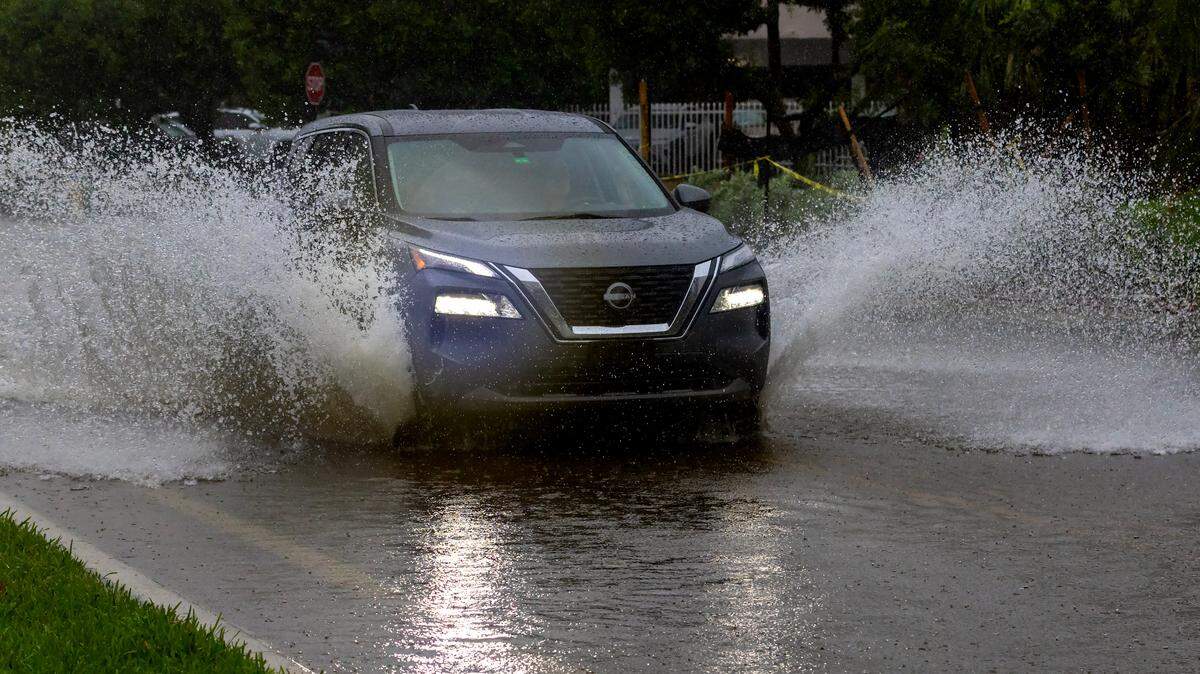
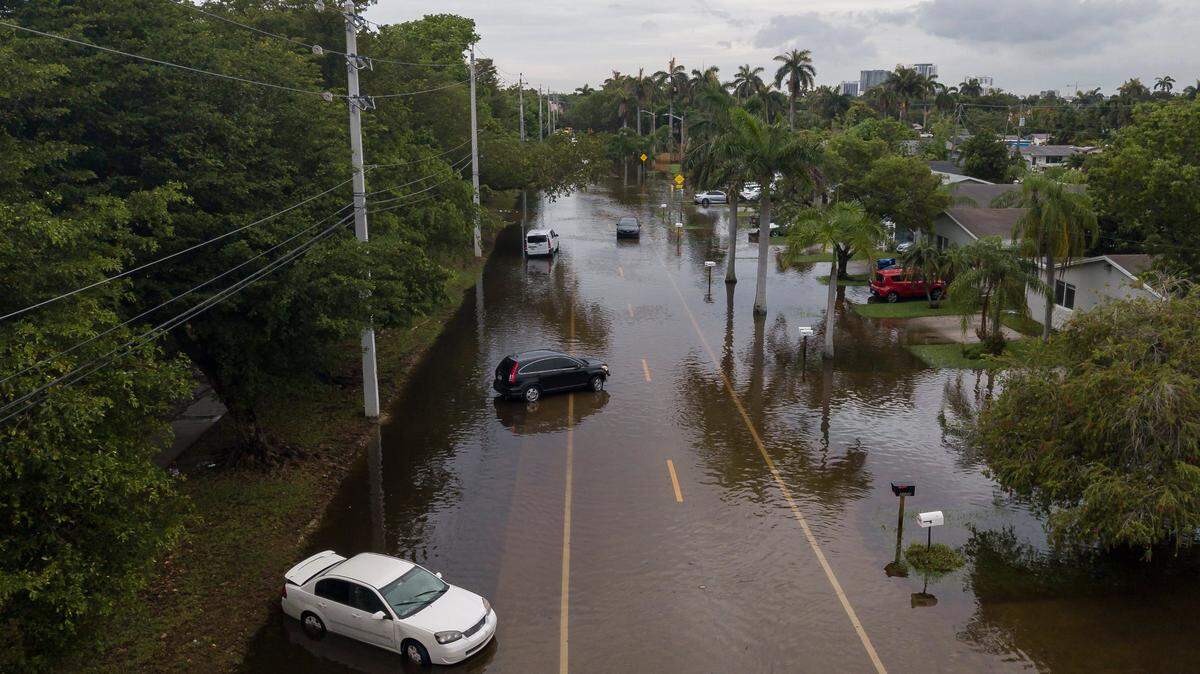
With 20 inches of rain, South Florida is swamped. Was it worse than last year?
READ MORE
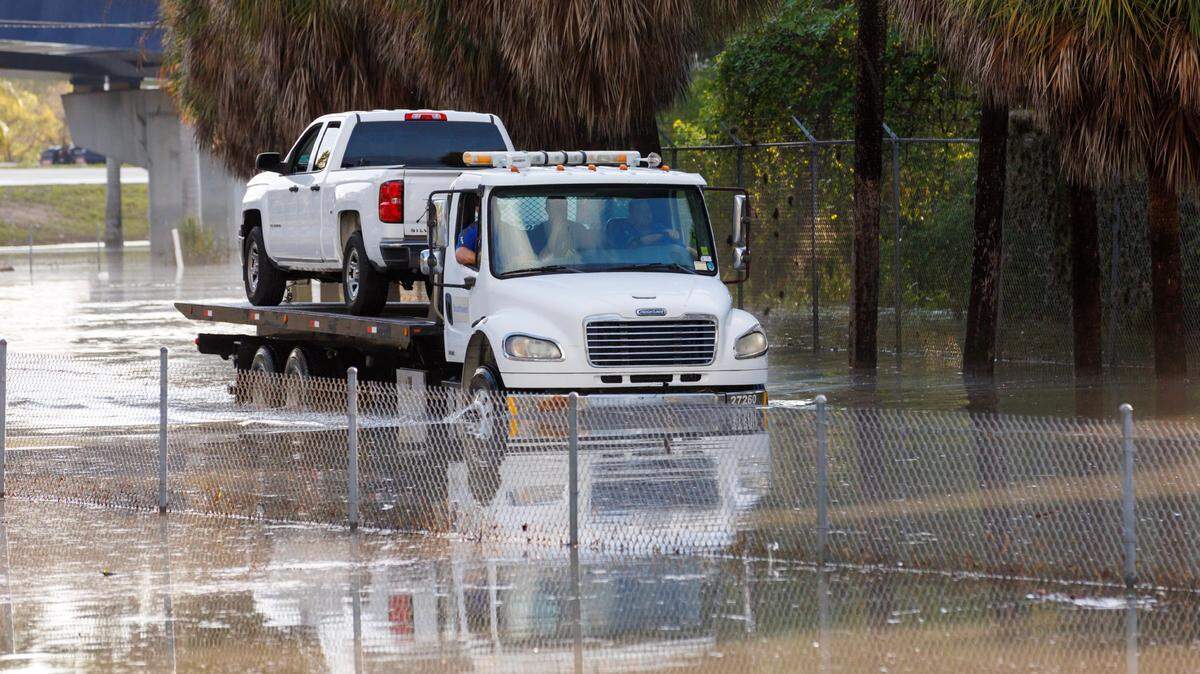
Severe flooding in South Florida
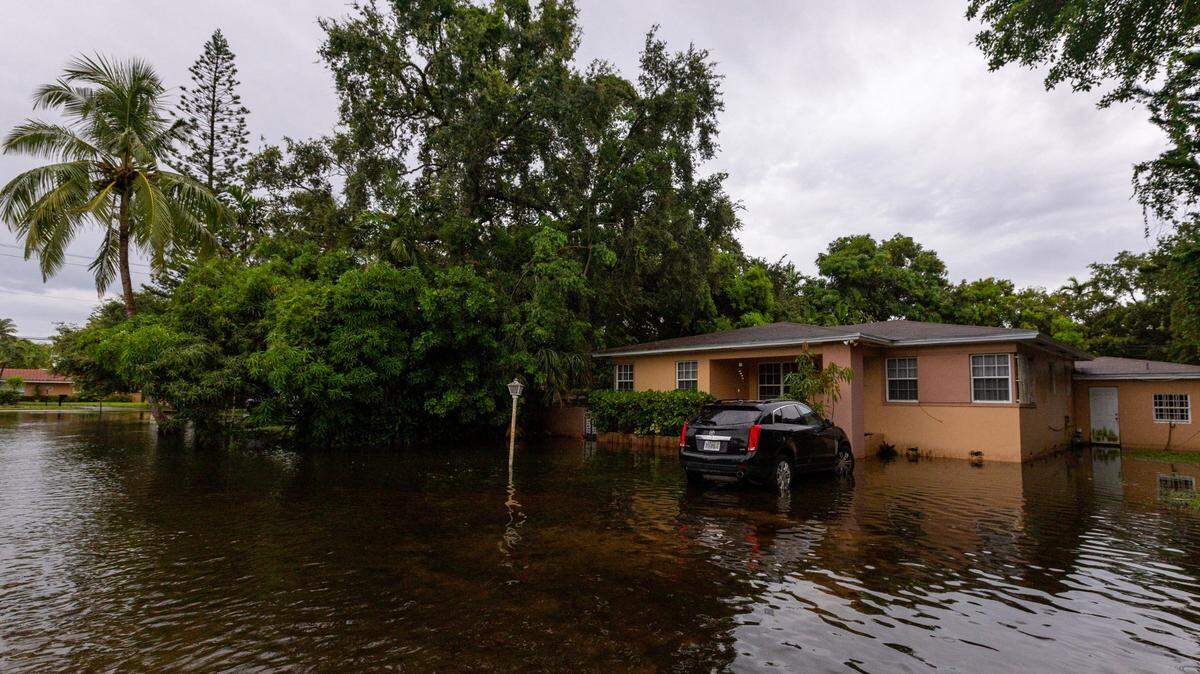
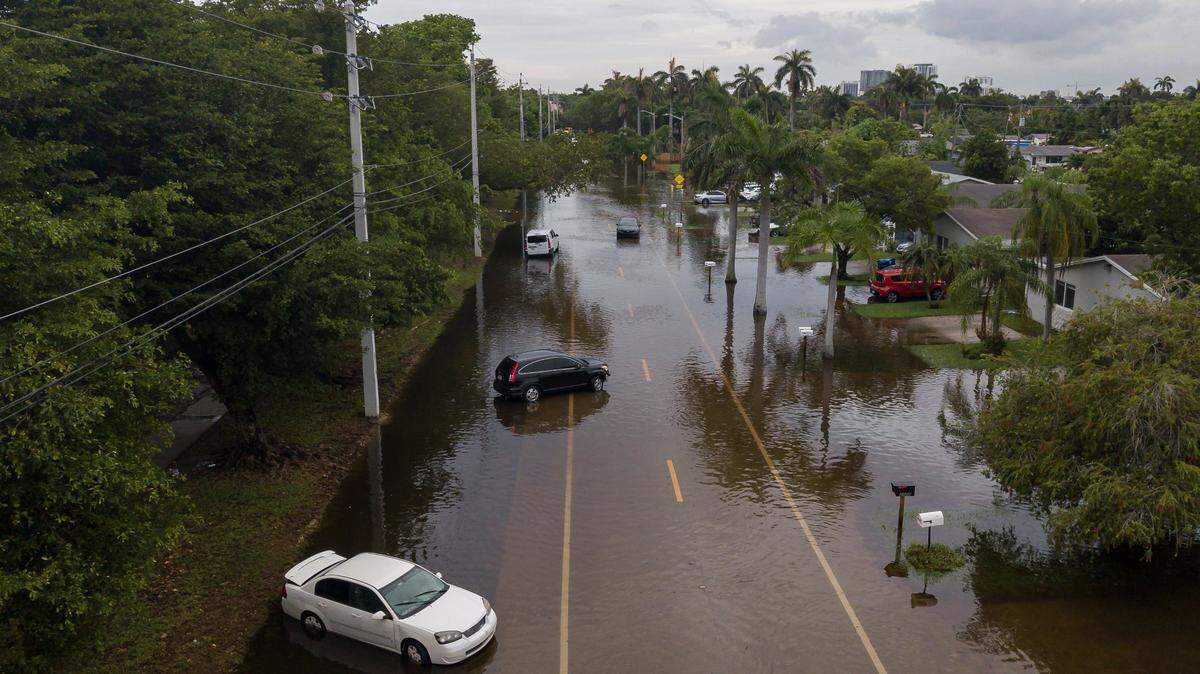
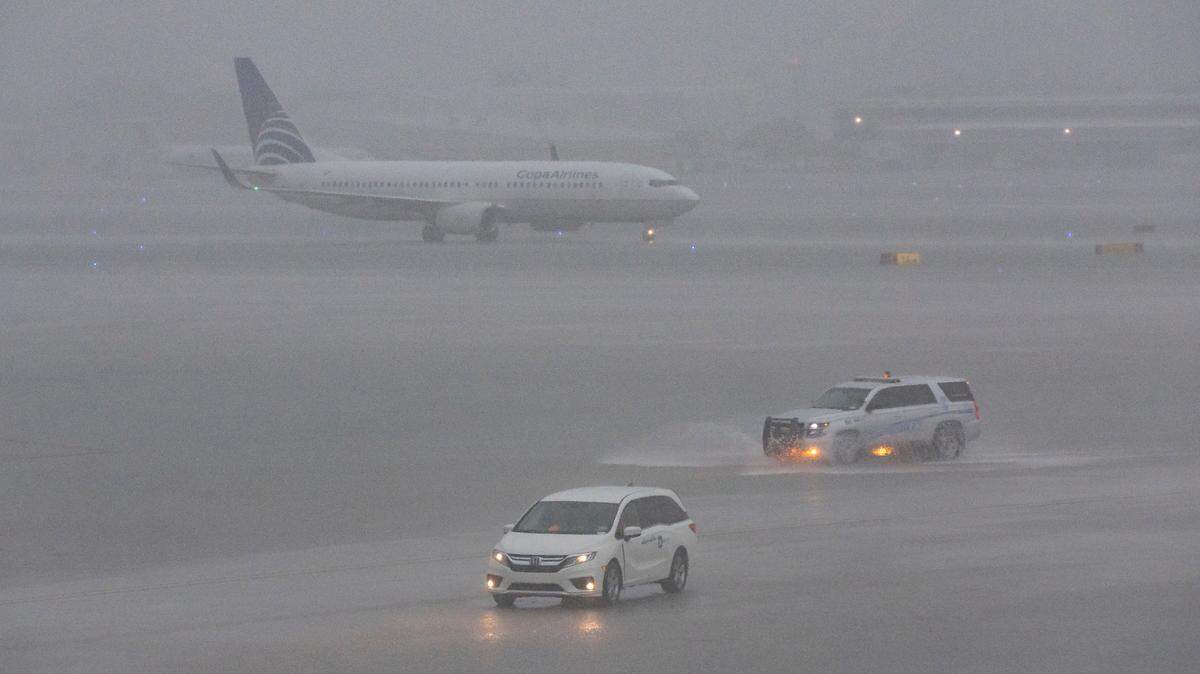
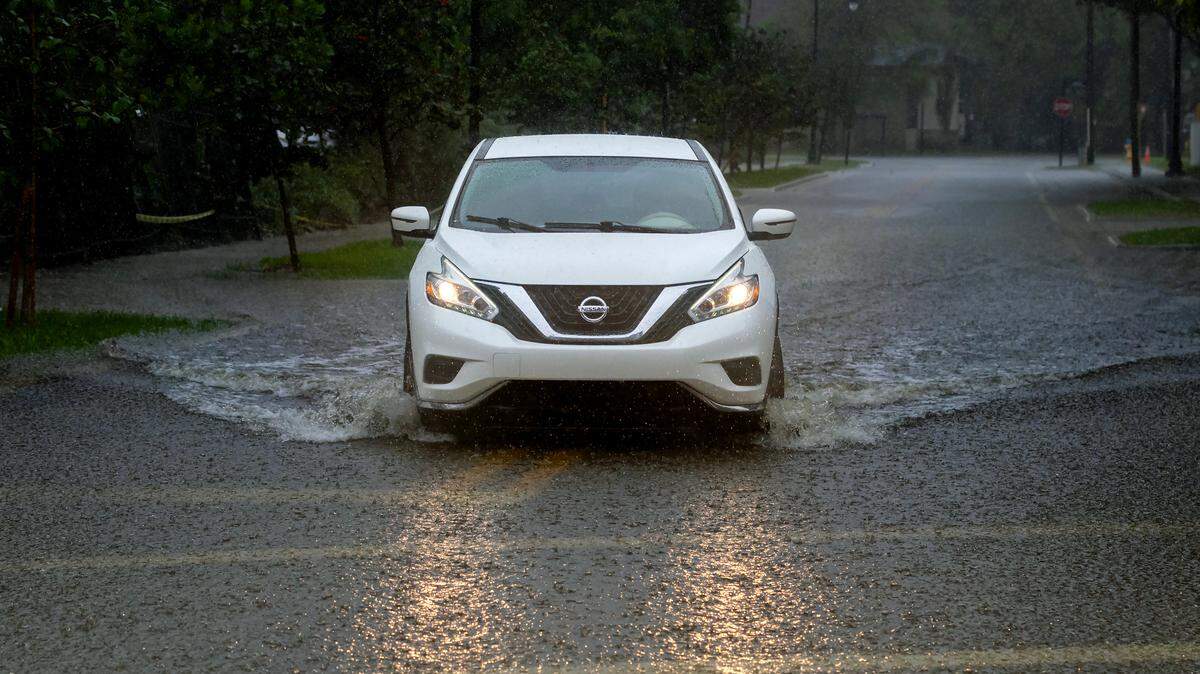
Torrential rain and severe thunderstorms swamped Miami-Dade and Broward counties. Here’s what to know about the impact.
Expand All
The deluge that swamped parts of South Florida this week was extraordinary, but not as bad as what the region saw about a year ago when even more rain hit Fort Lauderdale, according to records kept by a federal weather agency.
“I’ve already heard a little bit of people trying to make comparisons to the rainfall amounts,” said Robert Molleda, a forecaster with the National Weather Service’s Miami office. “Those rainfall amounts that they saw in Fort Lauderdale [last year] were much higher, and they occurred over a much shorter period of time.”
While parts of southeastern Broward and northeastern Miami-Dade saw 20 inches of rain this week over 48 hours, Molleda said in that April 2023, the Fort Lauderdale area got hit with about two feet of rain over a single 24-hour period — with 20 inches falling in less than 12 hours.
The 2023 deluge disrupted fuel operations in Port Everglades, leading to gas shortages across the region, closed schools for multiple days and had residents escaping homes through windows. Last year’s flooding accompanied the rainiest day in Fort Lauderdale since records were kept, with 22.5 inches falling on April 12, 2023, according to a rainfall summary maintained by the National Weather Service.
Rainfall records get measured in different ways, including high points for a particular day and precipitation measured at individual rain stations over 24-hour periods.
The National Weather Service said Wednesday’s 9.5 inches in Fort Lauderdale was the most for a June day and broke a daily record of 5.47 inches on June 12 that had stood since 1978. It also broke the overall June record of 8.6 inches set in 1930.
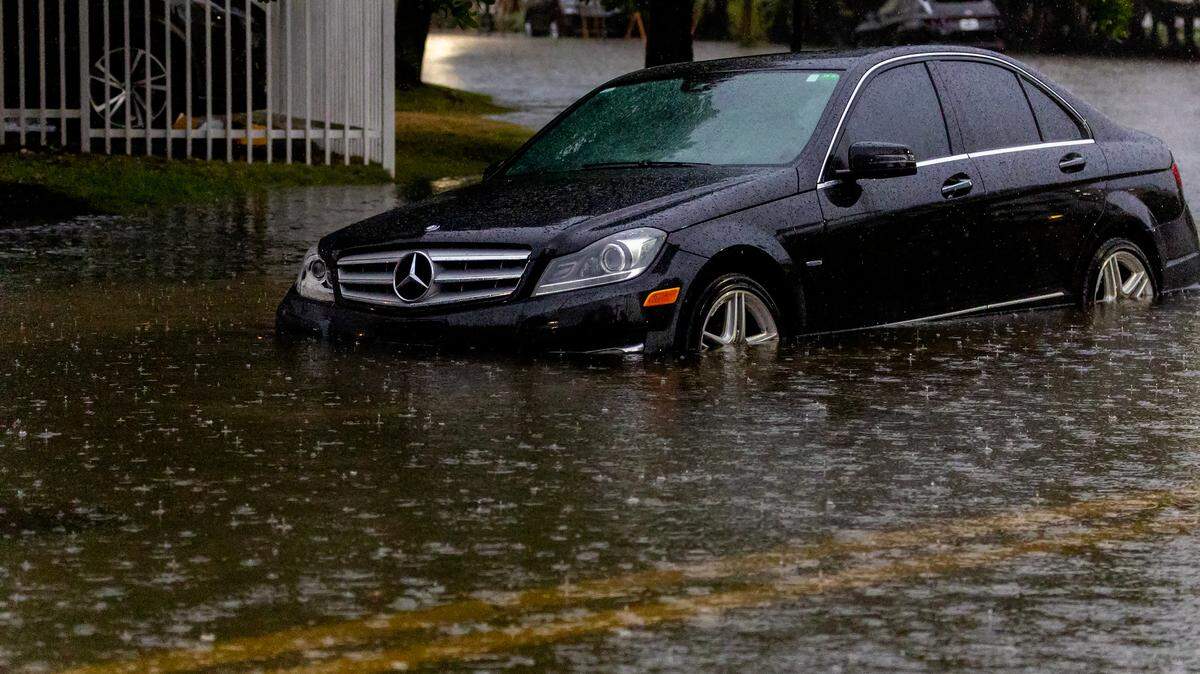
Molleda said this week’s rain fell hard enough and quickly enough to overwhelm drainage systems, swamp roads and generally lead to far more disruption than the typical summer downpour.
“It’s not really about the amounts. It’s about where the rainfall occurs and that area’s ability to handle that amount of rainfall,” he said during a Thursday press conference held by Miami-Dade County at its Doral emergency operations center. “For example, yesterday we saw about 10 inches in about five hours. That’s enough — more than enough — in those areas to cause flooding.”
This story was originally published June 13, 2024 at 12:17 PM.
.jpg)
.png)