Lawmakers move to curb prosecutors’ powers after Herald series on juvenile penalties
READ MORE
Juvenile Crime, Adult Time
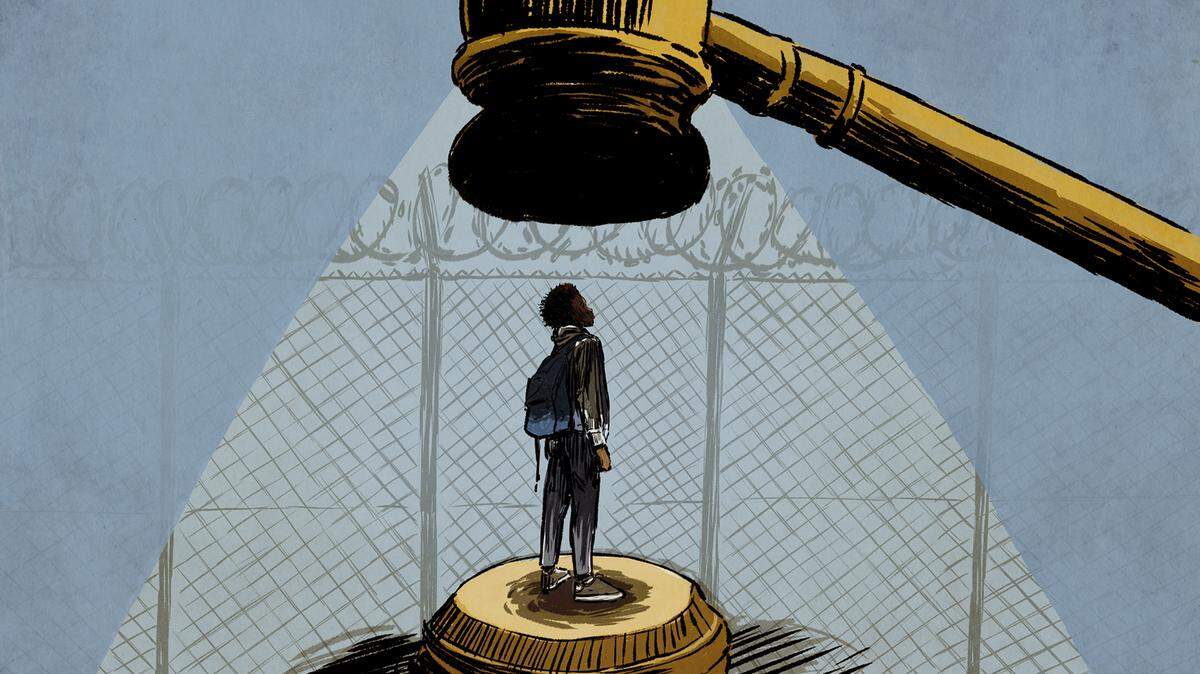
Thirty years ago, Florida enacted a law that gives prosecutors unfettered powers to try children as adults. A yearlong Miami Herald investigation reveals the impact and systemic disparities of the statute’s enforcement.
Expand All
A Miami Herald investigation last year found that teens sentenced as adults got stiffer sentences than adult offenders. Now lawmakers want to end that.
Several bills filed last week in both the state House and Senate would restrict the sweeping power Florida prosecutors are given to try children as young as 14 as adults. One of the bills would also lead to the earlier release of some inmates who were charged with drug crimes as children.
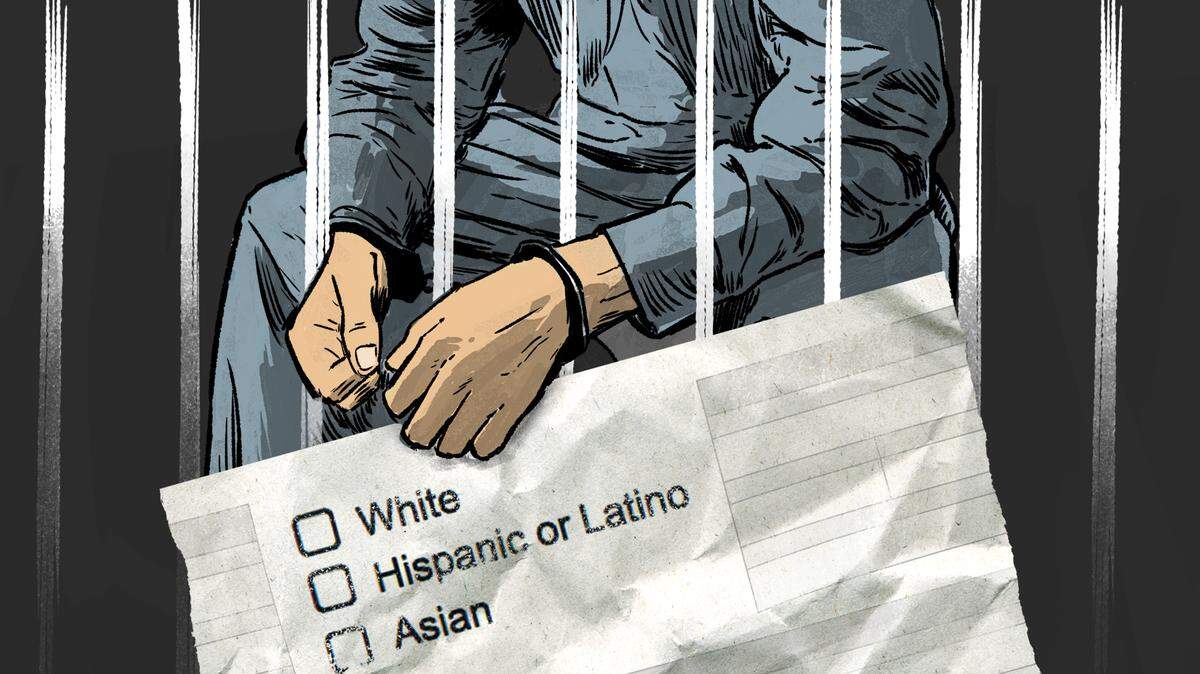
The bills come in the aftermath of a yearlong Herald investigation, Juvenile Crime, Adult Time, that uncovered the stiff sentences kids receive and revealed that prosecutors were two times more likely to charge Black children as adults than white children for similar types of crimes.
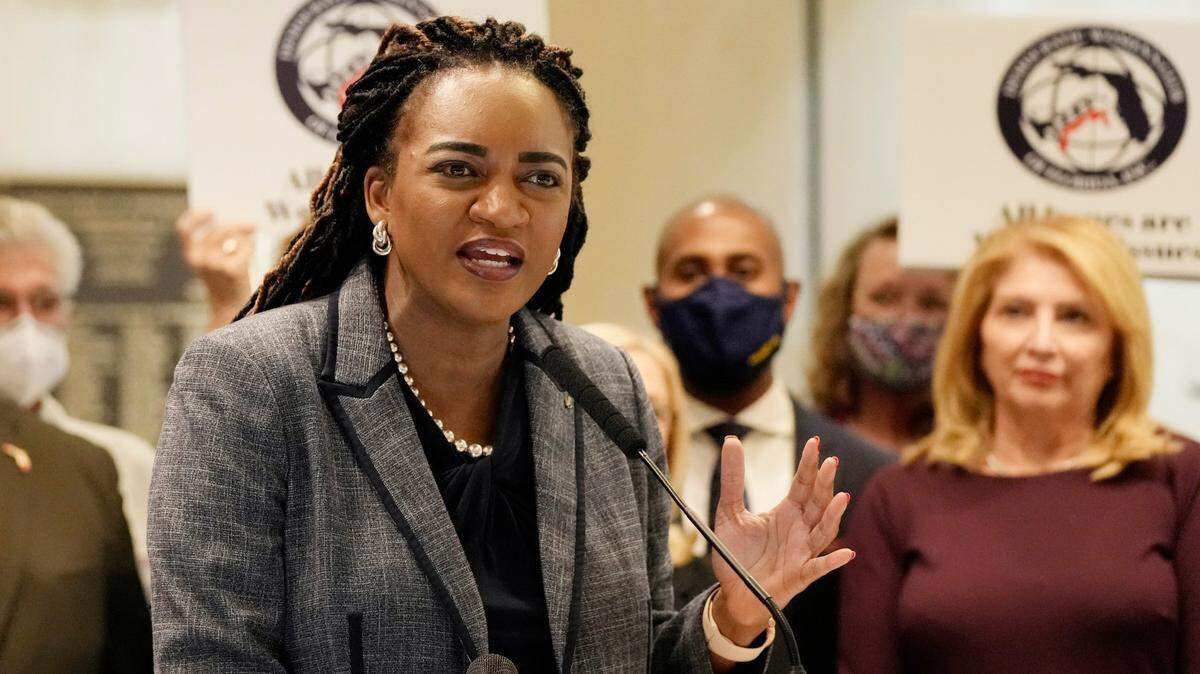
Rep. Dianne Hart, a Democrat from Tampa and sponsor for one of the House bills, called the Herald’s reporting “eye-opening” and credited it for aiding “more conversations around the issue.”
The state’s current “direct file” law gives Florida prosecutors free rein to charge delinquent children in the adult penal system without any judicial sign-off. The state has tried roughly 5,000 children as adults in the last five years.
Unlike the few other states that allow children to be charged as adults, Florida’s adult court judges cannot return a child to the juvenile system, making the state’s law among the harshest in the country.
Other states like California, Colorado and Vermont have moved away from incarcerating children in recent years as juvenile crime rates have fallen nationwide — and numerous studies have shown that imprisoning juveniles makes them more likely to reoffend.
Hart’s House bill and a companion Senate bill filed by state Sen. Darryl Rouson, also a Democrat, restrict state prosecutors from unilaterally transferring children aged below 16 to the adult criminal system via the “direct file” statute.
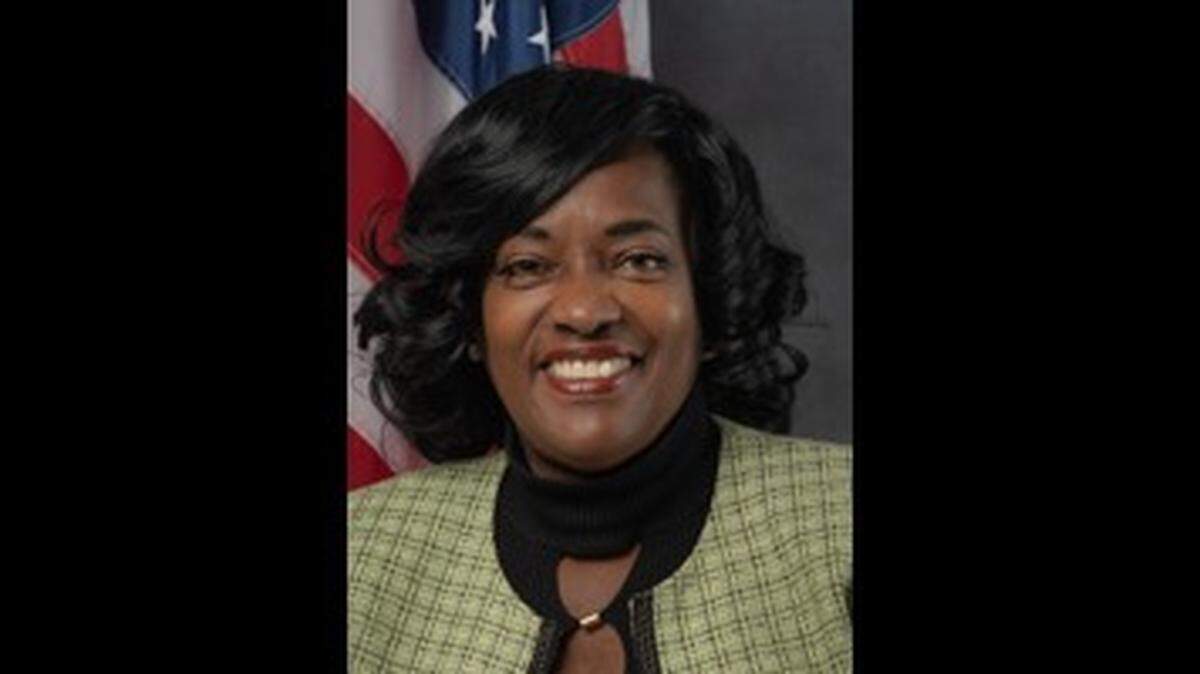
“We should have some parameters in place to determine whether a kid should be direct filed to the adult system,” Hart said.
Those parameters include requiring judges in adult courts to hold evidentiary hearings to consider the circumstances of the offenses and the backgrounds of the transferred children to decide whether they should be prosecuted as adults. The bills also forbids housing children in jails with adult offenders while the children await trial.
A second House bill, filed by Rep. Dotie Joseph, a Democrat from North Miami, would remove all power in these decisions from prosecutors and let juvenile court judges decide whether to transfer children — of any age — to the adult system. All three bills allow judges in adult courts to move a child back to the juvenile system if they deem that it is more appropriate.
Joseph’s bill would also retroactively apply the state’s more lenient penalties for certain drug trafficking charges to offenders who were sentenced before Oct. 1, 2019 — the most recent date drug penalties were amended.
The state’s new penalties for these drug offenses were not applied to offenders who had previously been sentenced.
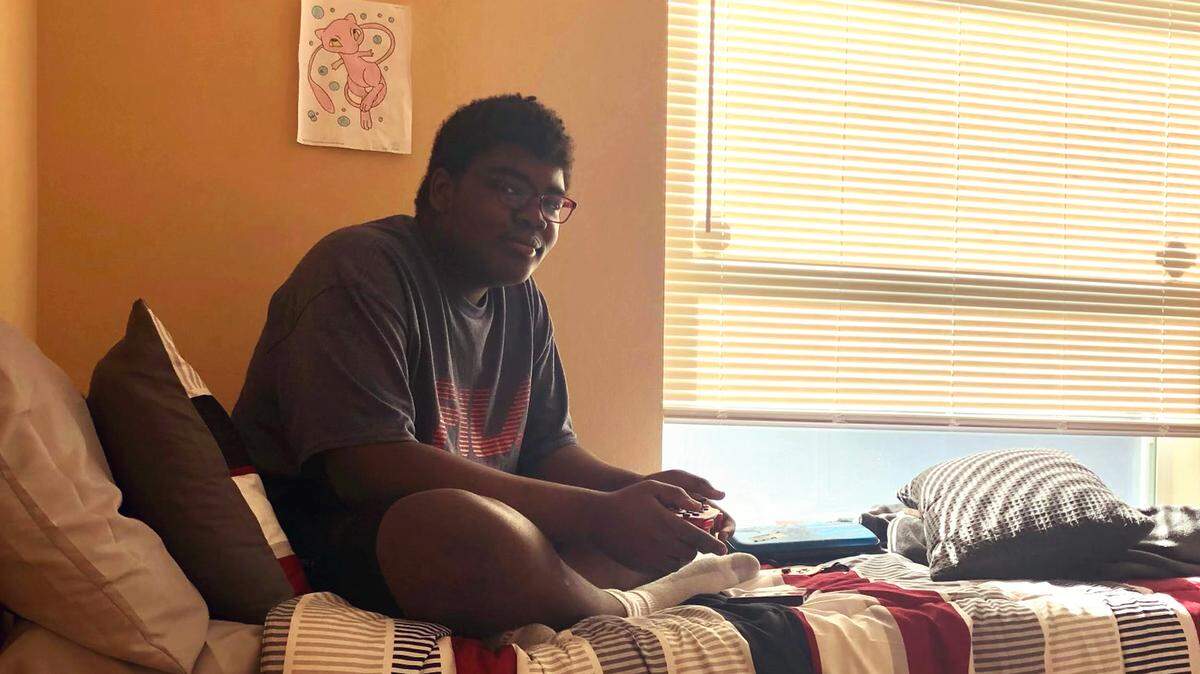
That includes Danny Knight, whose lengthy sentence was spotlighted by the Herald as part of the series on juvenile offenders tried as adults.
Knight was a teen when he was tried as an adult for robbing opioids from a pharmacy and selling them on the street. He was sentenced to 40 years — 15 for the robbery and 25 for trafficking. If he had been sentenced today, his maximum sentence would be only seven years for the trafficking charge.
Only 14 other inmates are currently serving sentences longer than Knight’s for his trafficking charge, the Herald had found, all of them adults at the time of their offenses and most with prior criminal records.
Knight’s family has spent thousands of dollars over the past decade and hired multiple attorneys trying to get his sentence reduced, but all in vain.
Rep. Joseph’s bill, if made into law, would change that.
“I’m incredibly hopeful that Rep. Joseph’s bill will finally bring much needed justice to those of us who were sentenced harshly as juveniles,” Knight told the Herald.
“It represents hope, fairness and the chance to rebuild our lives that we’ve been waiting for.”
This story was originally published March 3, 2025 at 3:11 PM.