Autistic Florida teen sentenced to five years in prison after violent incident
READ MORE
Juvenile Crime, Adult Time
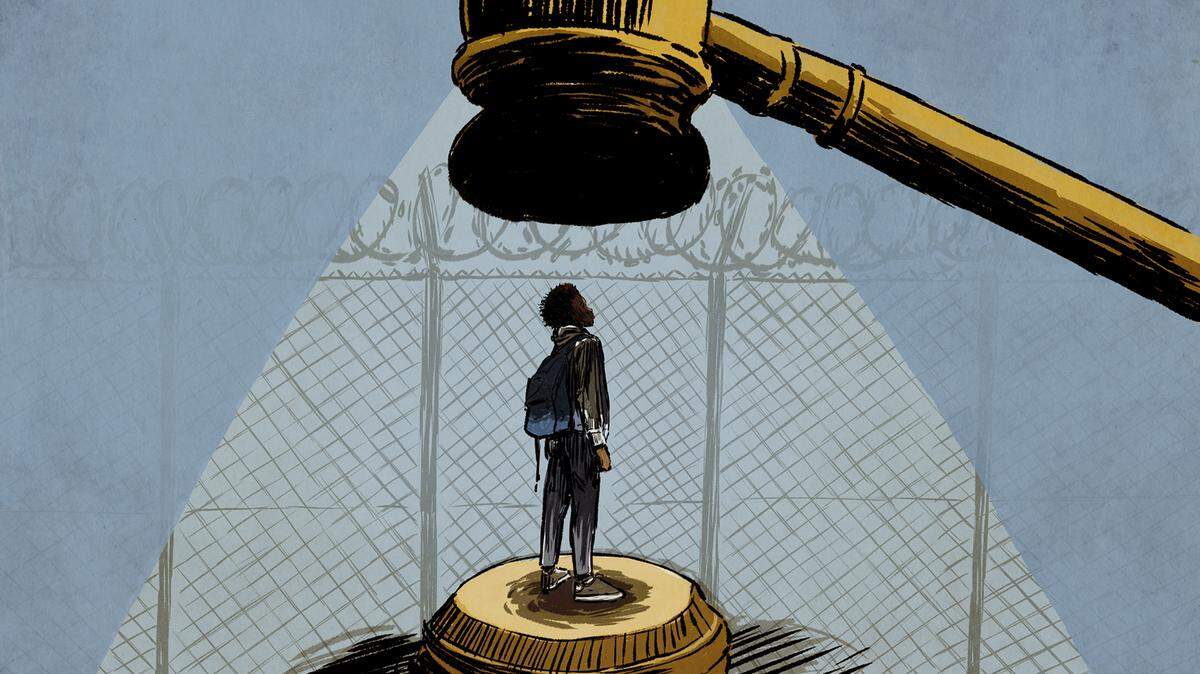
Thirty years ago, Florida enacted a law that gives prosecutors unfettered powers to try children as adults. A yearlong Miami Herald investigation reveals the impact and systemic disparities of the statute’s enforcement.
Expand All
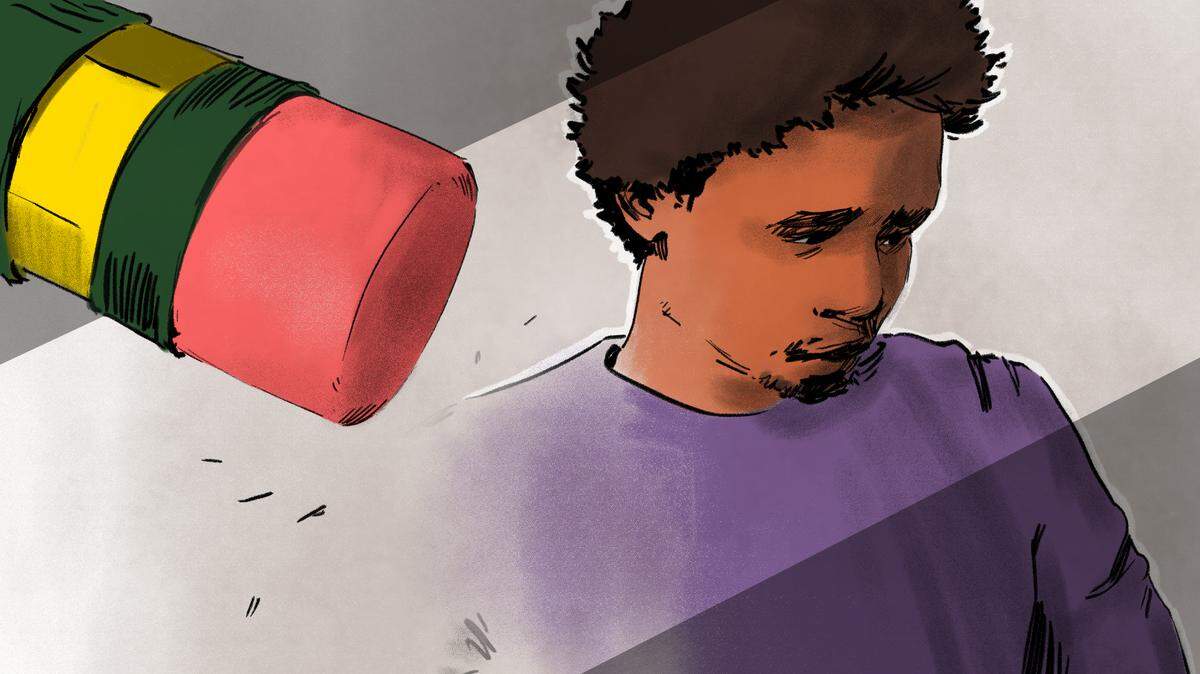
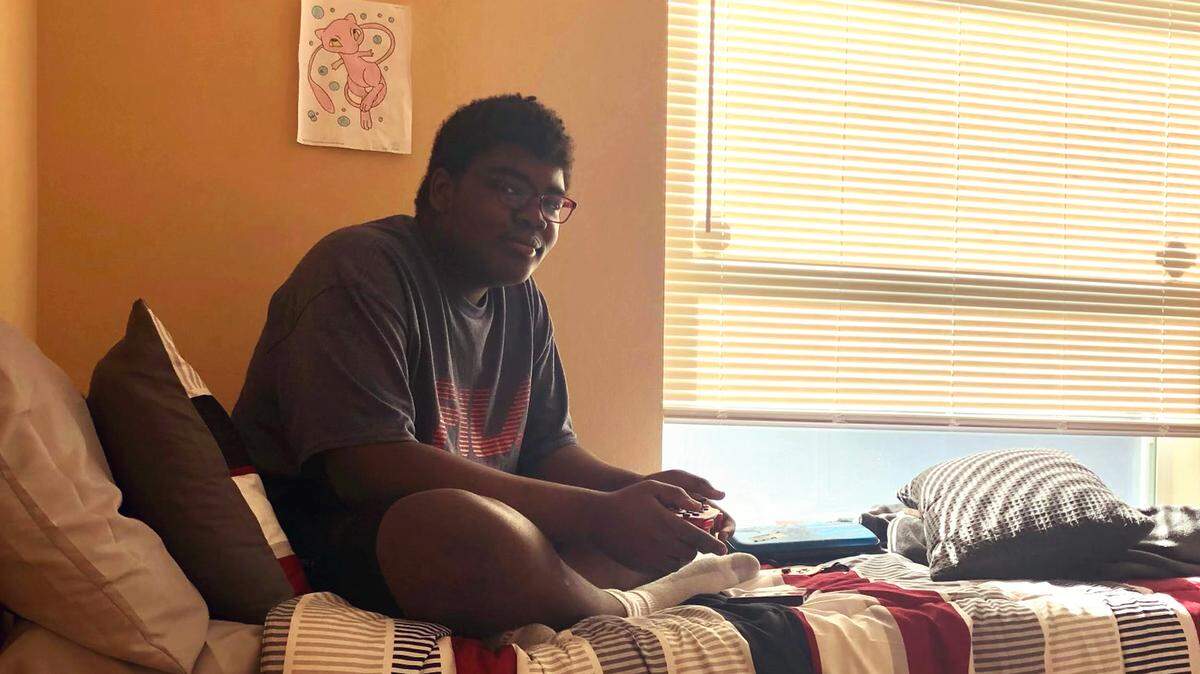
Brendan Depa, the severely autistic Florida teen whose assault on teacher’s aide Joan Naydich went viral last year, was sentenced on Tuesday to five years in state prison followed by 15 years of probation.
In imposing the sentence in Flagler County Court, Circuit Judge Terrence Perkins said that while he was conscious of Depa’s disabilities, the teenager’s February 21, 2023 attack, which left Naydich with broken ribs, was senselessly violent in a “very troubling way.”
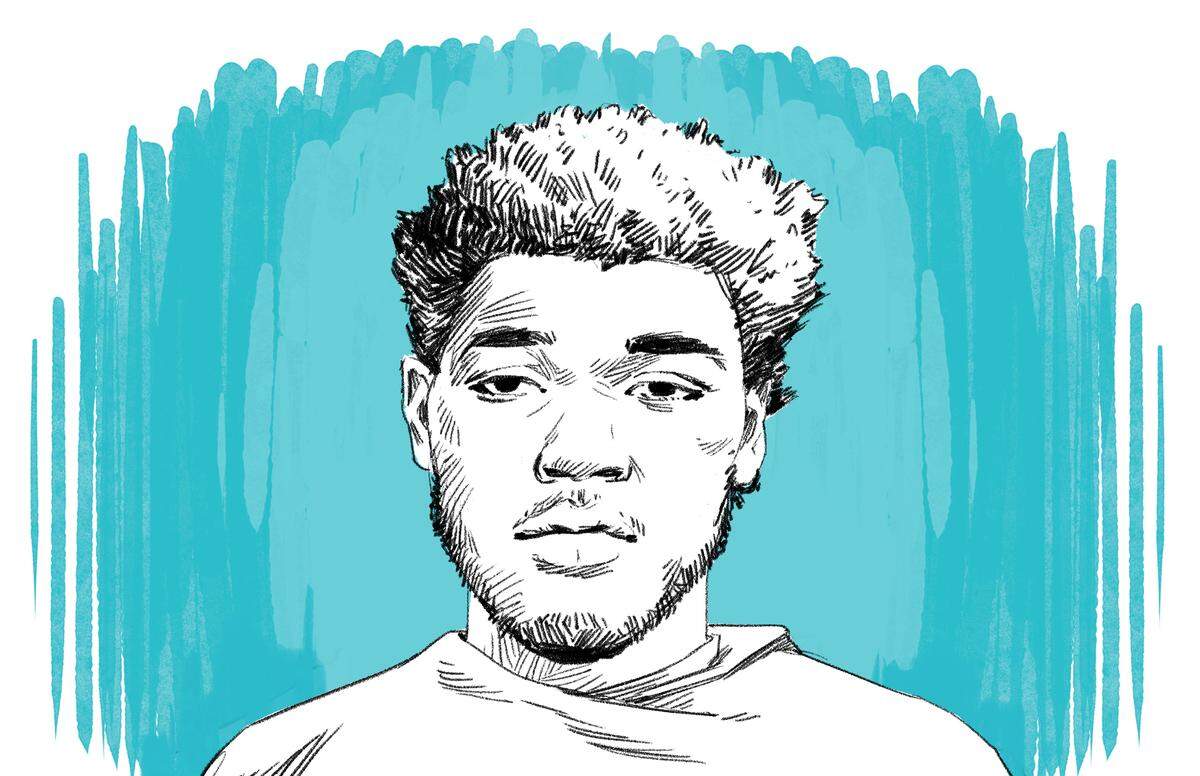
Depa’s case attracted intense interest in the media and online after the Flagler County Sheriff’s Office released footage of the incident, which occurred at Matanzas High School in Palm Coast, about 30 miles north of Daytona Beach. Because of privacy laws the office didn’t disclose Depa’s behavioral issues.
State prosecutors tried Depa, 17 at the time of the attack, as an adult and charged him with aggravated battery on an educational employee.
The case has raised concerns among some parents of special needs kids. Stephen Furnari, a local Flagler attorney who is the father of one such child, said that he worries what precedent the case will set for autistic teenagers who have a “bad day.”
A months-long Miami Herald investigation into the assault and its fallout, published last week, revealed numerous systemic failures in the years leading up to the incident.
None of Florida’s mental health facilities have in-house education facilities. The Depa family found a facility in South Carolina that did, but were forced to remove him after their private health insurance stopped paying for his care.
They subsequently placed him in a group home in Florida in Flager County, roughly three hours away from their home in the Tampa suburbs, and enrolled him at nearby Matanzas High School.
The Depa family alleged that Matanzas High School and the county’s school district repeatedly failed to review and adhere to Depa’s specialized behavorial plan, as mandated by federal law. The family alleges that as Depa’s behavior worsened the school failed to make any changes, which culminated in the Feb. 21, 2023 assault on the teacher’s aide.
After he was arrested, prosecutors upgraded Depa’s charges from a second-degree juvenile felony to a first-degree charge in adult court and the judge found him competent to stand trial despite doubts from one of the court-appointed experts to assess his mental fitness. Prosecutors did not offer Depa any plea deal to reduce his sentence, despite offering a plea deal to a white teen with similar developmental and mental health issues who was charged with assaulting a teacher and two teacher’s aides in 2019.
State prosecutor Melissa Clark asked the court Tuesday to sentence Depa to seven years in prison followed by at least 10 years of probation.
“He has a high probability of violence in the future,” she said.
Depa’s attorney Kurt Tiefke asked Perkins to let Depa return to his family or impose juvenile sanctions and send him to a juvenile facility rather than prison.
Depa’s mother, Leanne, had previously told the Herald that sending her son to one of Florida’s prisons, which are rife with allegations of abuse and inadequate mental health care, would be tantamount to a “death sentence.”
Through tears, she begged Perkins Tuesday to spare Depa prison.
“I want my son home,” she said.
But Perkins declined to return Depa to his parent’s home or to impose juvenile sanctions, which he said would not be a sufficient penalty.
He ordered the state Corrections Department to conduct a complete mental health assessment for Depa and institute a care plan.
Joanne Naydich and Leanne Depa could not be immediately reached for comment after the sentencing.
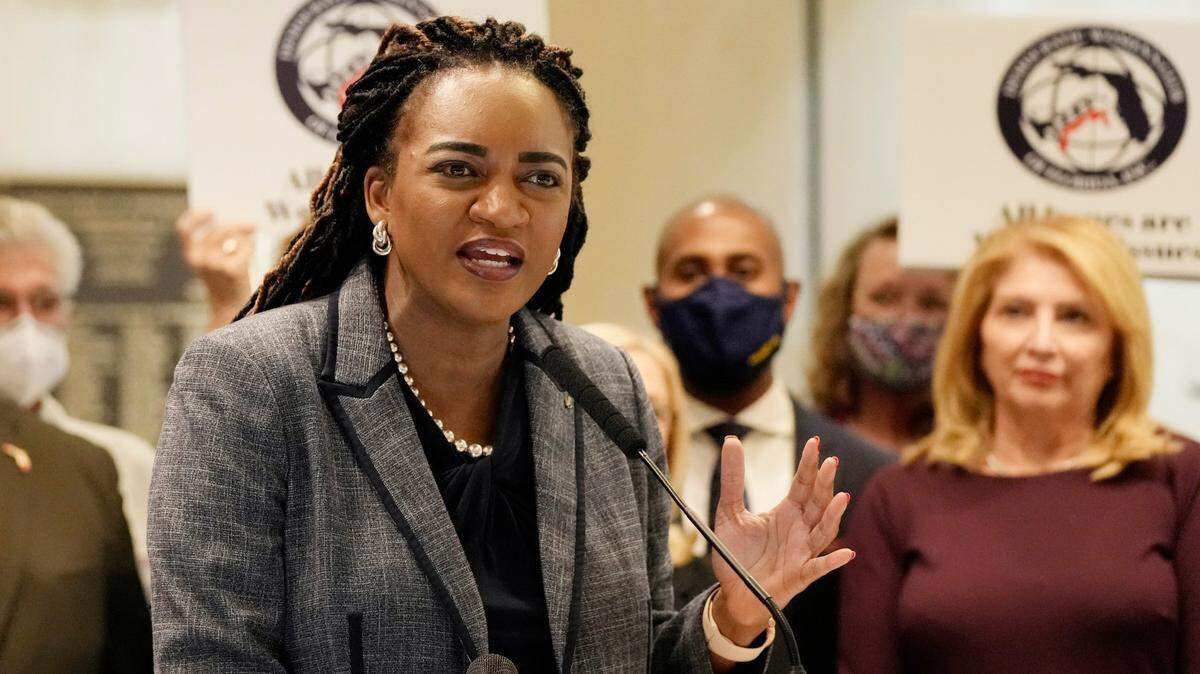
Ann Siegel, the legal director of advocacy group Disability Rights Florida, criticized the ruling and called it another example of “criminalizing” disabilities after failing to provide adequate support and services.
“Prison is not the place you go to get appropriate mental health services.”
This story was originally published August 7, 2024 at 6:00 AM.