‘Very, very sad’: Lawmakers react to Herald investigation into juvenile punishments
READ MORE
Juvenile Crime, Adult Time
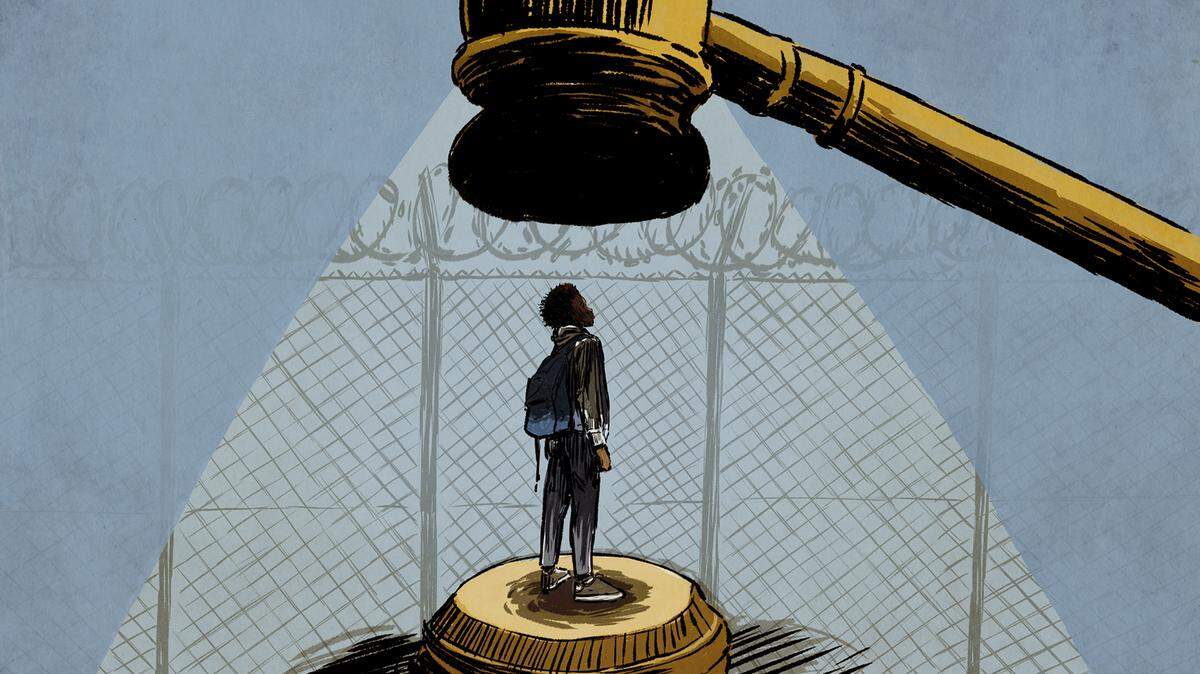
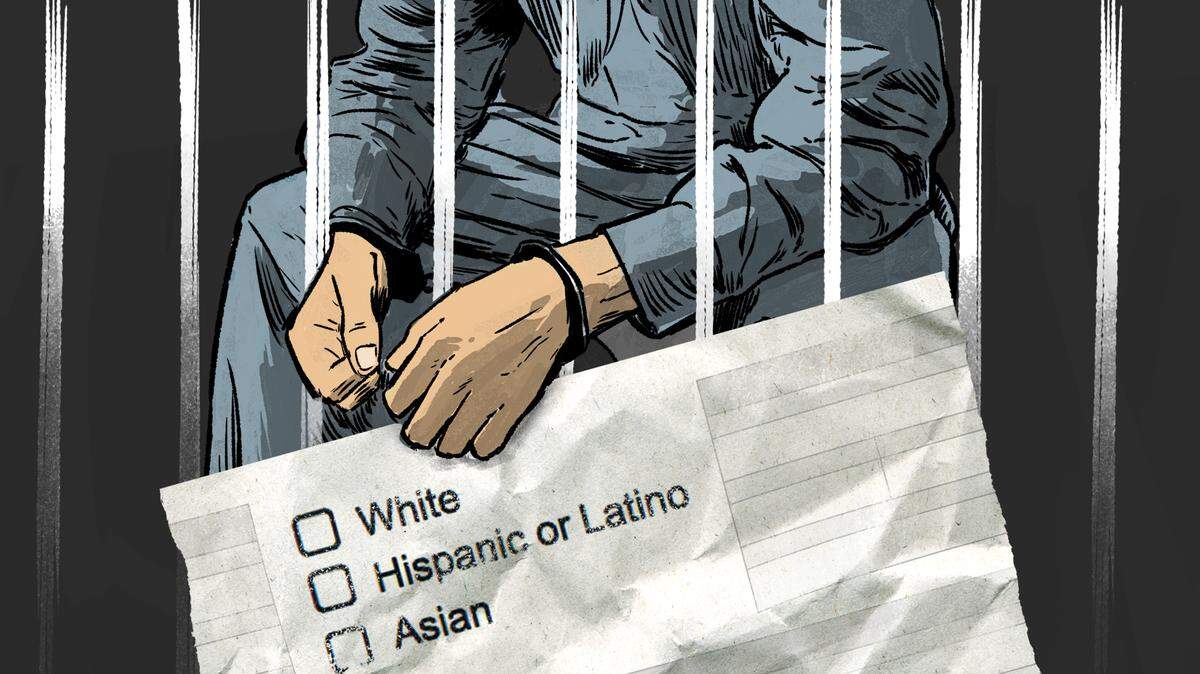
Thirty years ago, Florida enacted a law that gives prosecutors unfettered powers to try children as adults. A yearlong Miami Herald investigation reveals the impact and systemic disparities of the statute’s enforcement.
Expand All
Florida lawmakers, present and past, expressed outrage and called for state laws to be reformed after a yearlong Miami Herald investigation — “Juvenile Crime, Adult Time” — found that children tried as adults received longer sentences on average than older adult offenders.
Almost all of the roughly 21,000 children tried as adults were transferred from the juvenile court system to the adult system via “direct file” — a state law that gives prosecutors sole powers to try kids as adults. Black children, the Herald found, are two times more likely to be tried as adults than white children for the same type of crime. And three out of every four children tried in adult court were from minority communities.
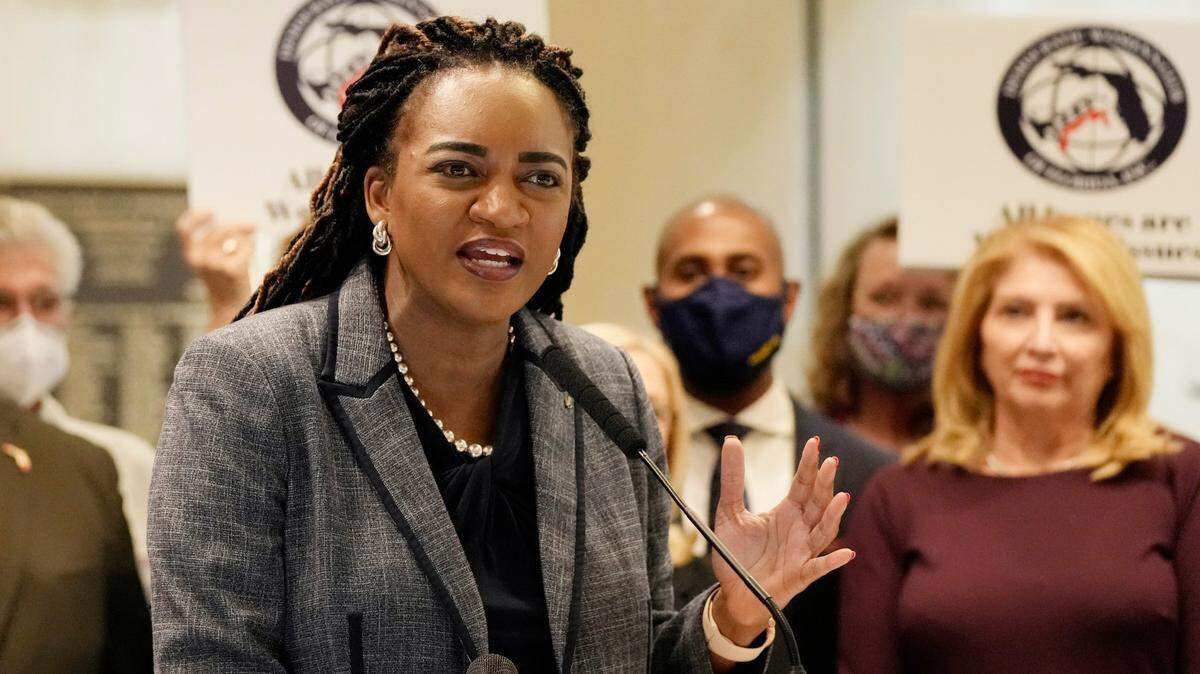
“It’s shocking and it breaks my heart,” Democratic state Rep. Fentrice Driskell, the House minority leader, said of the Herald’s findings.
The Herald’s stories clearly show that Florida’s “draconian” criminal laws are a major factor in children ending up in prison, but political progress to reform those laws has been incredibly slow and incremental, she said.
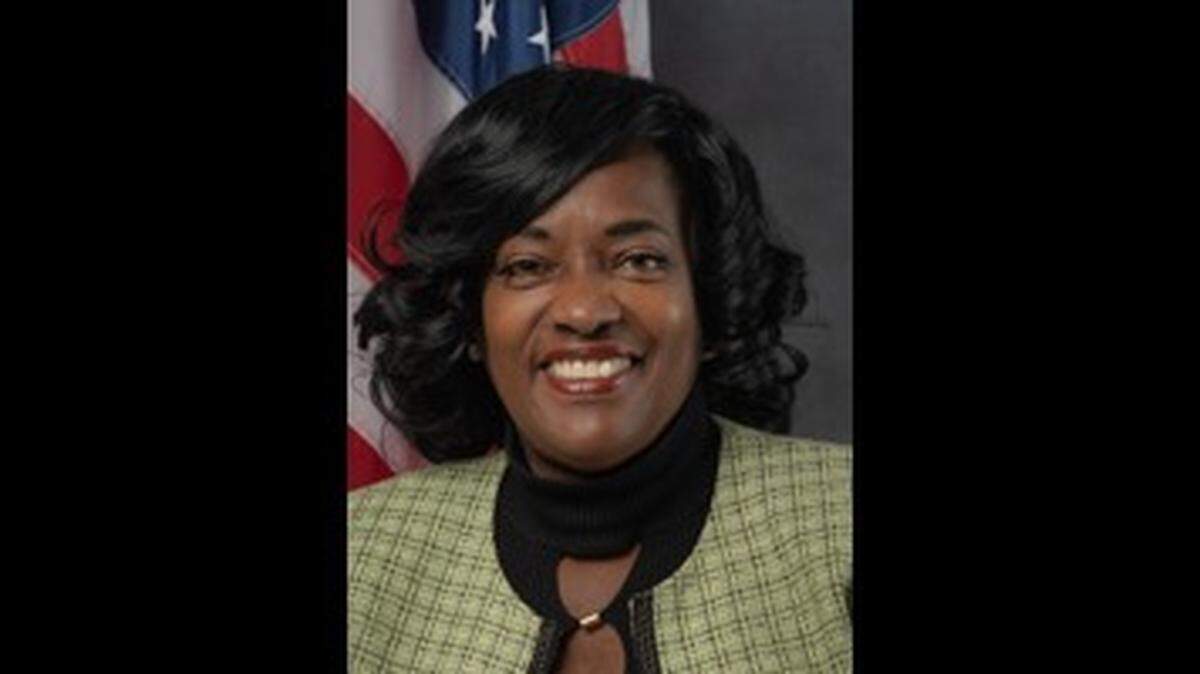
“We will go back to Tallahassee this year working very hard on trying to see what we can do about direct file,” said state Rep. Dianne Hart, a Democrat from Tampa.
“Many of these kids could have had productive lives if they had been given an opportunity,” she added. “It’s very, very sad — this is what we are. This is what our criminal justice system looks like.”
Republican leaders in the Legislature have yet to signal a position on possible reforms. Incoming House Speaker Danny Perez, R-Miami, and incoming Senate President Ben Albritton, R-Bartow, did not respond to requests seeking comment on whether they would be open to discuss making changes to the state’s laws.
Former Republican state Sen. Jeff Brandes of St. Petersburg said Florida’s “fundamental problem” is that the state’s “judicial philosophy is very hard-line” and most lawmakers have little to no curiosity to understand crime trends or whether current laws and systems are yielding positive outcomes.
“Prosecutors are not incentivized to look out for what’s best for the individual or what’s just, but more so to get longer sentences because it helps them politically and career-wise,” he said.
Florida enacted its “direct file” legislation three decades ago and has persisted with the practice even while several other states have moved away from it, juvenile crime rates have fallen and numerous studies have shown that imprisonment increases the chances of delinquent children becoming repeat offenders.
About half of the children tried as adults in Florida were charged with nonviolent offenses, the Herald found. A 2016 study by Florida State University and the conservative think tank James Madison Institute found that convicting children in the adult system would cost the Florida Department of Corrections an additional $175 million over 10 years as more children entered the system.
Prosecutors who spoke with the Herald during the course of its investigation had generally defended the law, calling it an “important tool” because some offenders “cannot be adequately handled by the juvenile system.” They said they take great care in deciding which children to try as adults and that if any changes need to be made, it would be a job for legislators.
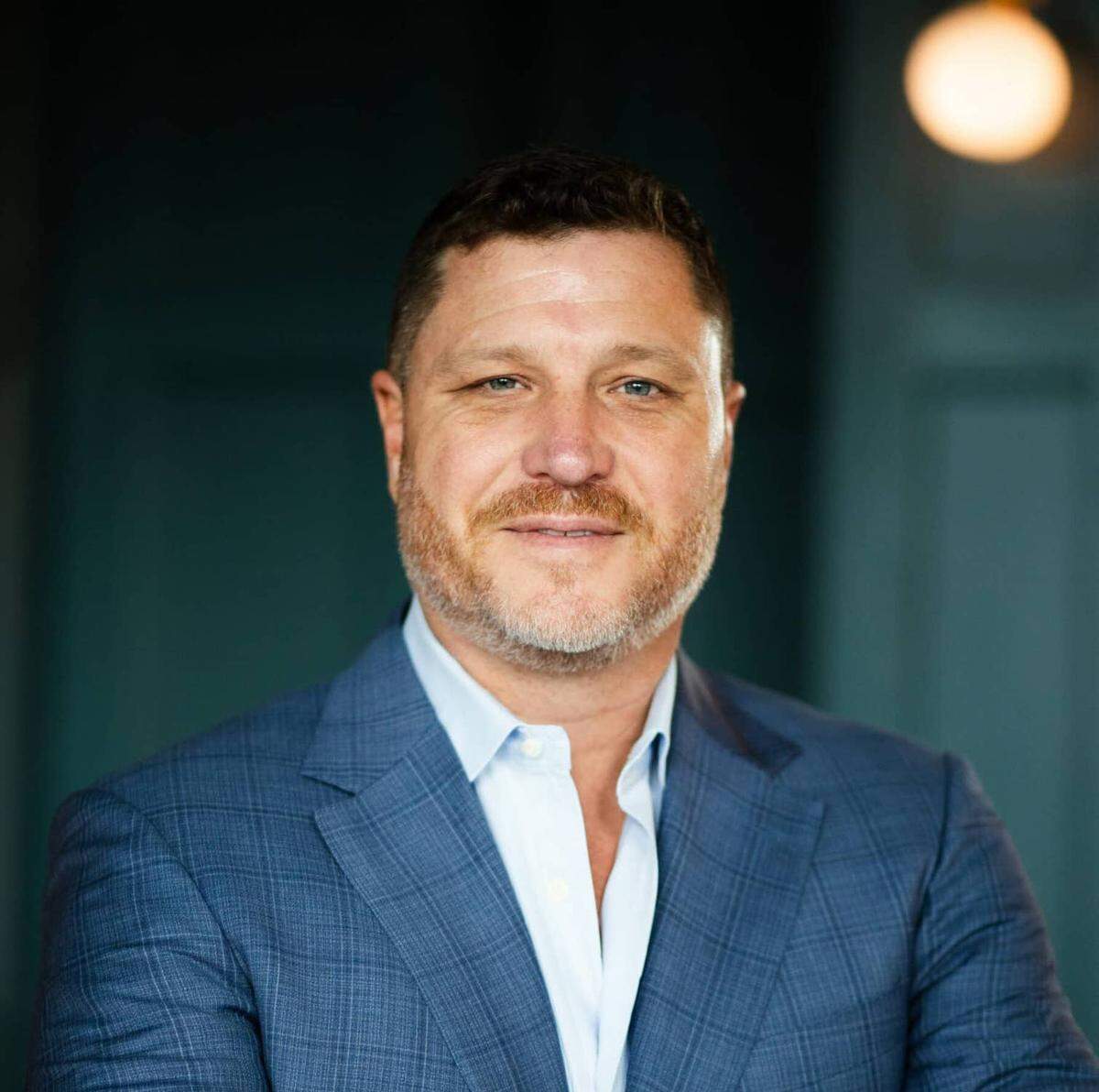
Brandes called those responses “cop-out answers” and said that prosecutors can always choose not to prosecute or to prosecute with a lesser charge, or even waive mandatory minimum sentences.
The Herald investigation revealed that, on average, a child tried as an adult was sentenced to more than five years for a felony charge, while the average adult offender received roughly three-and-a-half years. The trends held even after the Herald adjusted for extreme sentences that could skew the figures.
”It’s very concerning,” said Delvin Davis of the Southern Poverty Law Center. “It really speaks to what the system is designed to do — not to rehabilitate and get them back into school, but really to dispose of kids that are deemed to be dangerous or criminal.”
National outrage
The Herald investigation also caught the attention of national organizations that work in the fields of child welfare and the criminal justice system.
Nate Balis of the Annie E. Casey Foundation, a Baltimore-based national nonprofit that works on youth and child welfare initiatives, said that Florida, like other states, should follow the “research and evidence and do what actually works” for young people to be held accountable and set up for long-term success.
Young people getting harsher sentences than adults is “deeply troubling,” “ineffective” and “particularly concerning when one accounts for the disproportionate impact on Black youth,” said Joshua Rovner of The Sentencing Project, a Washington, D.C.-based advocacy group that works to end extreme sentences and to expand voting rights to citizens with convictions.
“It is imperative that Florida reexamines its approach to youth justice,” he said.
This story was originally published August 22, 2024 at 11:04 AM.