Hidden bias: Hispanic inmates frequently misclassified
READ MORE
Juvenile Crime, Adult Time
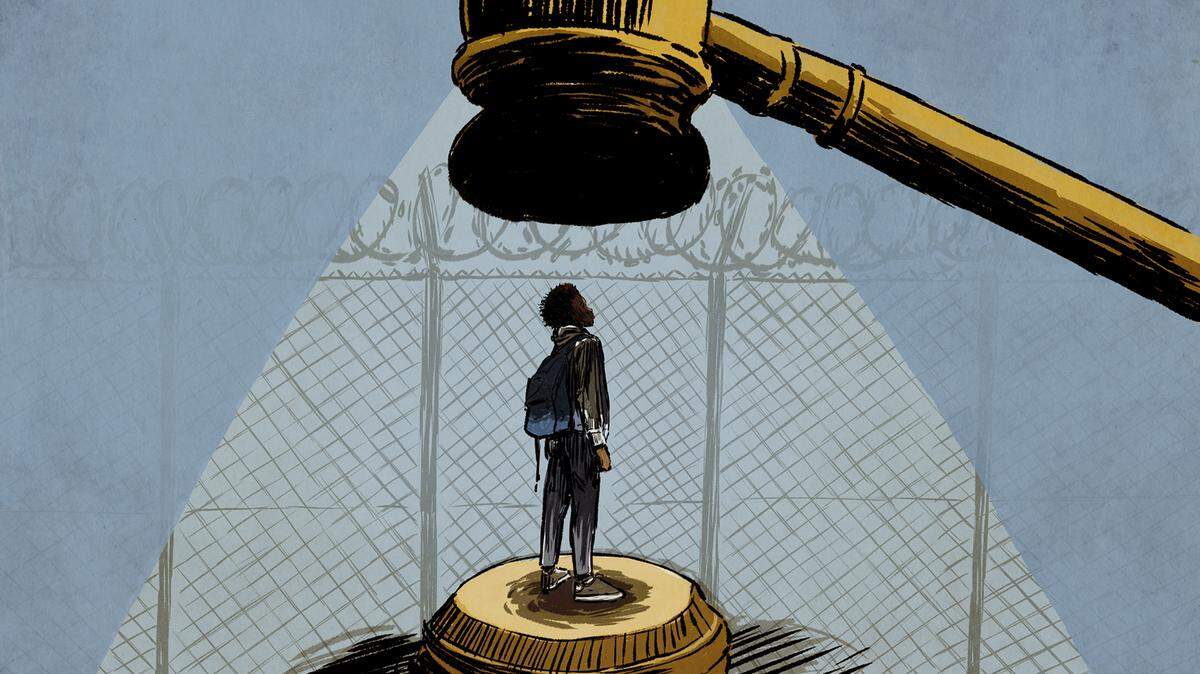
Thirty years ago, Florida enacted a law that gives prosecutors unfettered powers to try children as adults. A yearlong Miami Herald investigation reveals the impact and systemic disparities of the statute’s enforcement.
Expand All
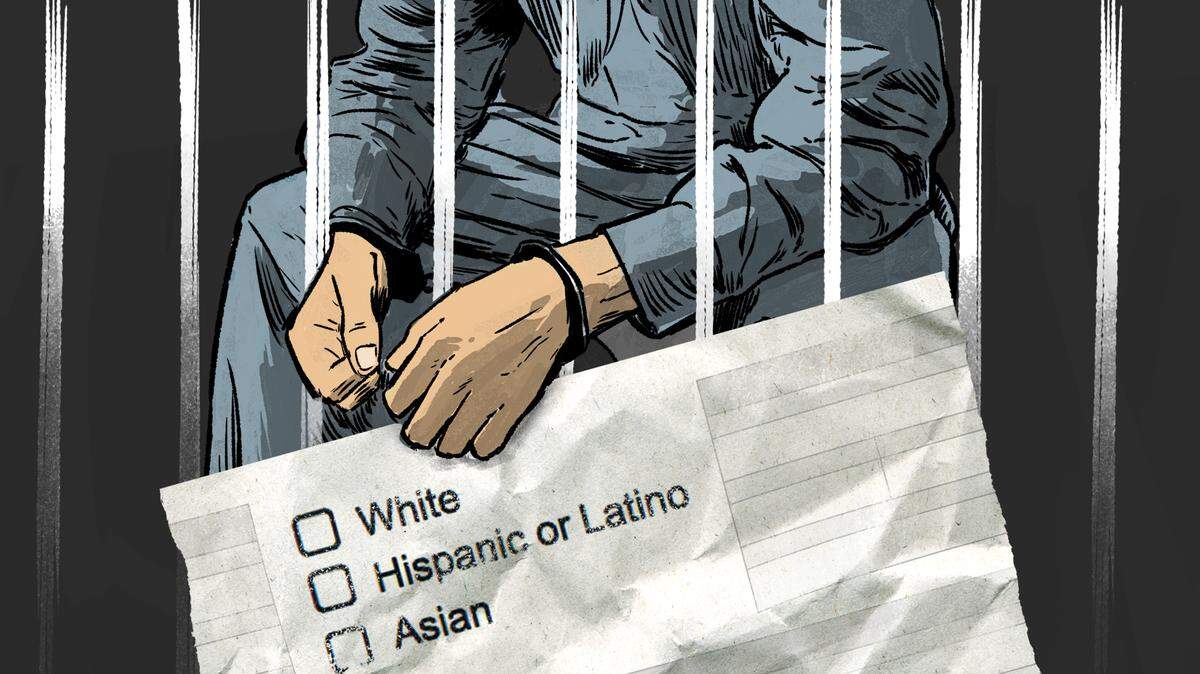
When Angel Sanchez entered prison, he knew so little about the justice system that he didn’t know it was even an option to be classified as Hispanic in Corrections Department records.
Sanchez was the son of a Cuban father and Venezuelan mother who grew up in Miami’s Little Havana neighborhood in the 1990s. His childhood drew heavily from both backgrounds. Among his most vivid memories are attending the Three Kings Parade along Calle Ocho each year and playing on little league baseball teams named after Cuban cities.
But Sanchez’s childhood was troubled and he had run-ins with the police as early as 8 years old. In 1997, at the age of 15, he shot another teenager in the leg and became one of the thousands of children in Florida who are tried as adults, thanks to a state law called “direct file.” Sanchez would end up serving 12 years in prison.
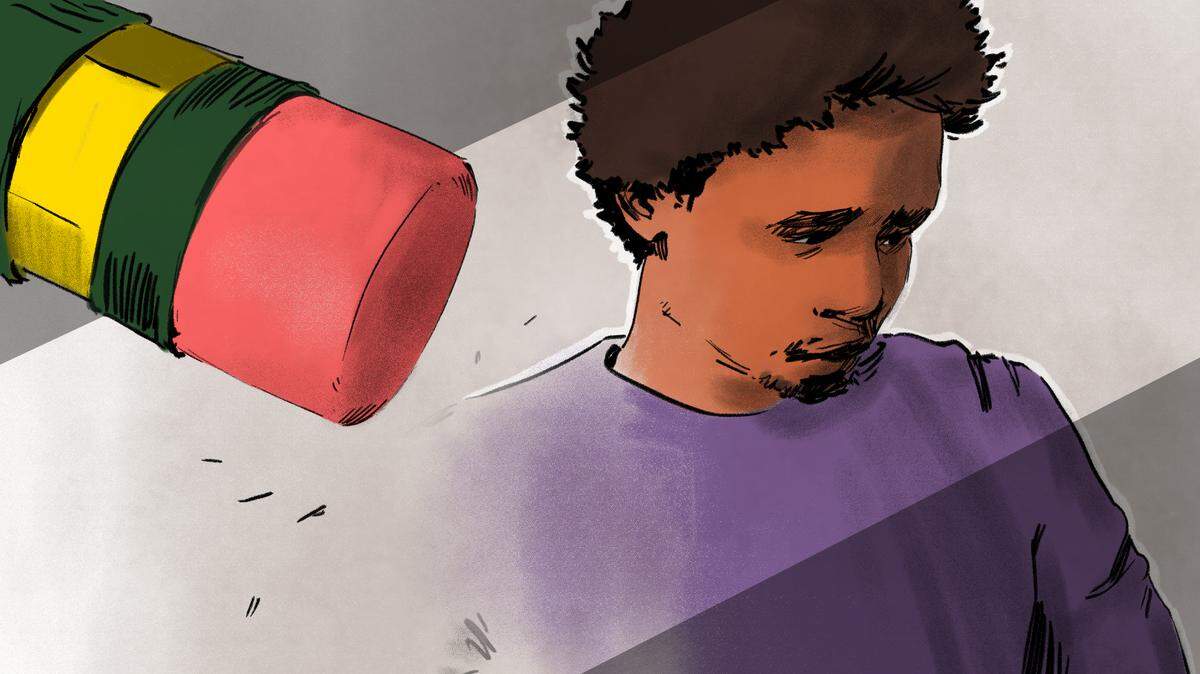
Corrections Department records listed Sanchez as “white” and it was only in prison that he realized that he should have been classified as Hispanic. For Sanchez, it was important that he be identified as who he really was. But Sanchez said that despite his numerous requests, prison officials refused to change his characterization.
At least 40,000 potentially Hispanic inmates— around 1,000 of whom were kids at the time they entered the system — have been classified as non-Hispanic white, according to a Miami Herald analysis of the inmate database maintained by the Florida Department of Corrections. The Herald’s figures for potential demographic misclassification, derived from matching common Hispanic last names — as defined by the U.S. Census Bureau — to those of inmates, are only estimates. The actual figures may be higher.
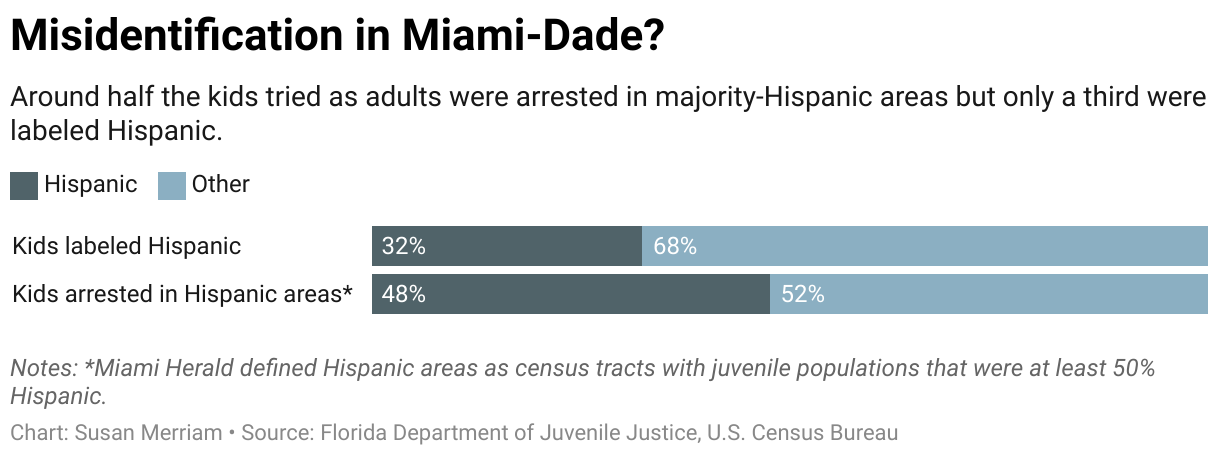
The presence of the errors raises the possibility that racial disparities revealed by the Herald in a recent investigation are in fact higher than what the Herald uncovered.
Multiple statisticians and criminologists consulted by the Herald said that the errors make it difficult to accurately audit for disparities by race or ethnicity in the criminal justice system. They can lead to overcounting the share of white persons, giving the appearance that disparitiesbetween minority children and white kids are not as stark as they actually are.
“It’s going to deflate the estimates of racial bias,” said Brendan Lantz, criminologist at Florida State University.
The state Corrections Department did not respond to the Herald’s questions despite multiple requests.
The inmates with potentially erroneous demographic information make up roughly a tenth of the nearly half-million inmates who have passed through or are currently incarcerated in the state’s prisons since the 1950s.
Similar errors can also affect data on other minority groups, such as when a lighter complexioned Black individual is misclassified as “white.”
The Herald did not account for Hispanic individuals who have last names that are typically not associated with the community. Since Black and white last names are more often similar, according to the Census Bureau, the Herald was also not able to analyze for potential erroneous classifications for Black persons.
The errors in the databases maintained by Florida’s corrections and juvenile justice departments are typically introduced when intake forms are filled out or when an arrest report is completed.
Several criminal defense lawyers and public defenders from across Florida said they’ve had clients whose identities have been misclassified. Law enforcement officials generally do not ask people who have been arrested to provide their identity and officials instead depend on their own subjective perception while filling out official forms and affidavits concerning an arrestee, the attorneys said.
For Sanchez, being misclassified as white – and the fact that guards refused to change it – was yet another way in which he felt dehumanized and stripped of his identity in the prison system. He believes that corrections departments should allow inmates to self identify their race and ethnicity rather than relying on the classification of law enforcement officials.
His experience behind bars triggered a passion for learning and a desire to better understand the legal system. Sanchez earned his high school equivalency while in prison and went on to earn a bachelor’s degree in political science from the University of Central Florida in 2017. He then went to law school, earning a degree at the University of Miami in 2020.
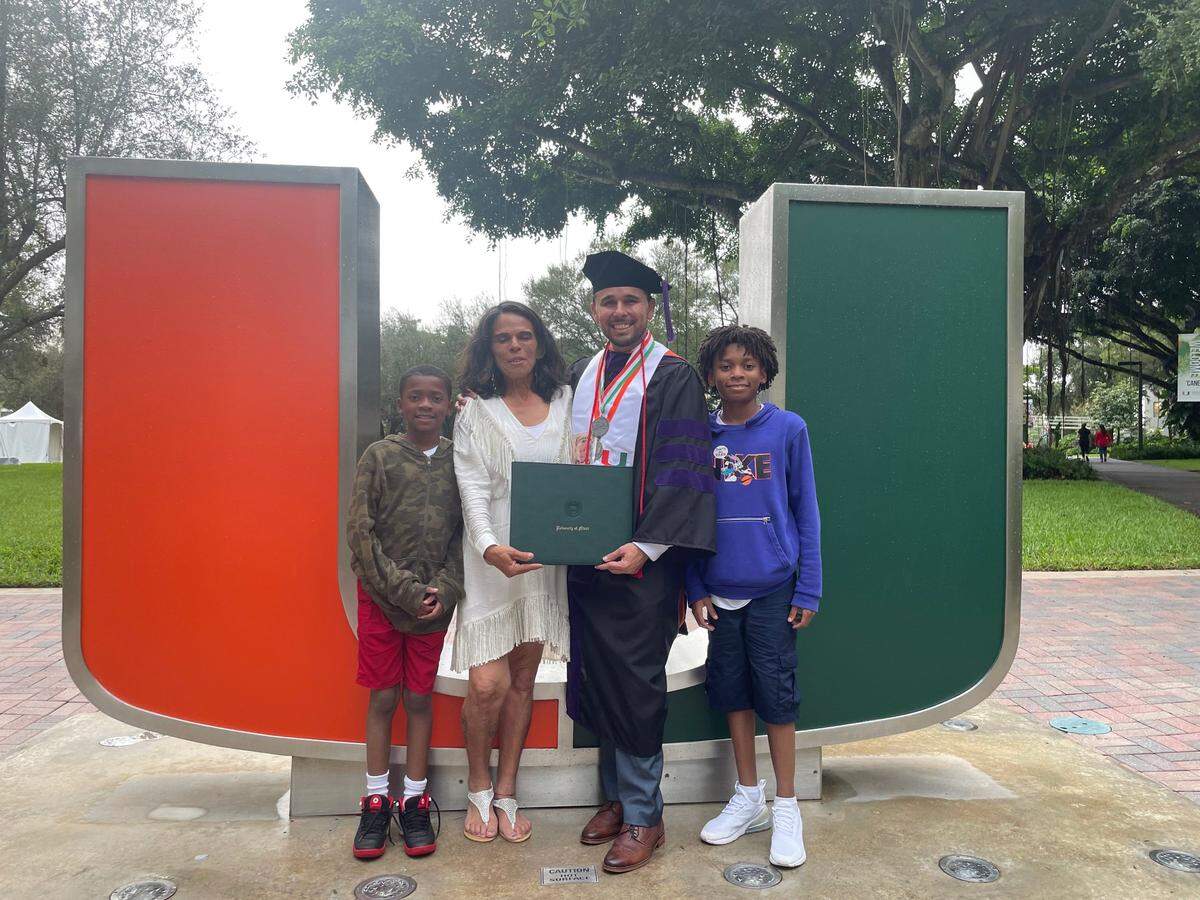
Sanchez is now a licensed attorney in Washington, D.C., and just entered a doctoral program at Yale University after earning a master’s degree in law from Yale earlier this year.
His research is focused on the effects of incarceration and looking at ways to preserve the dignity of those who, like himself, have been impacted by the criminal justice system.
This story was originally published June 27, 2024 at 6:00 AM.