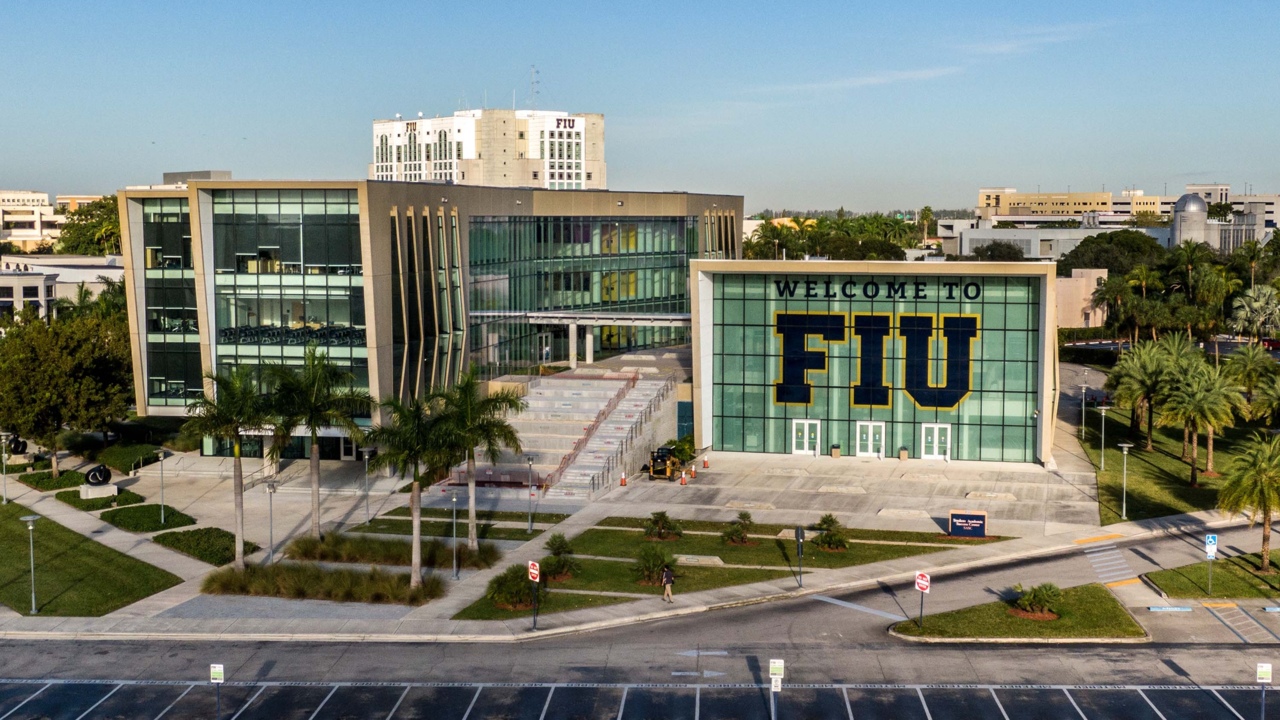
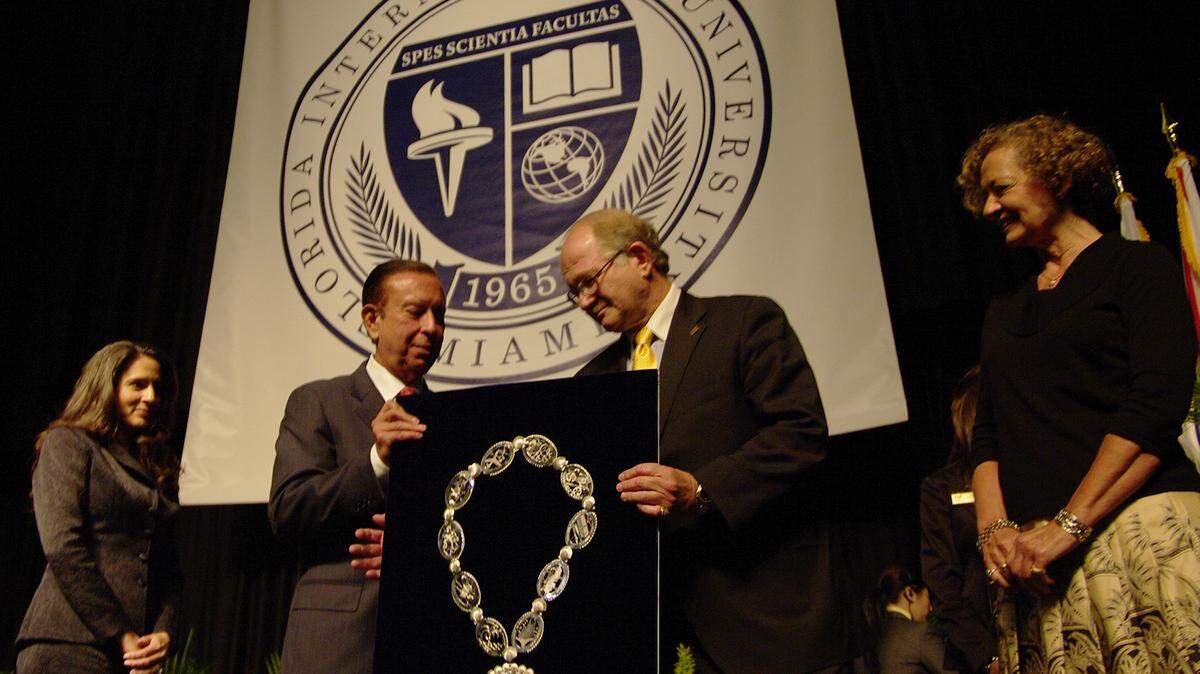
From a former airfield to an educational powerhouse — FIU’s first 50 years
READ MORE
FIU president resigns
Mark Rosenberg, Florida International University’s fifth president, installed in August 2009, abruptly resigned in January. He cited health issues for his departure after about 45 years of service. But he later acknowledged that he had “caused discomfort for a valued colleague.”
Expand All
In 2022, Florida International University will celebrate its 50th anniversary.
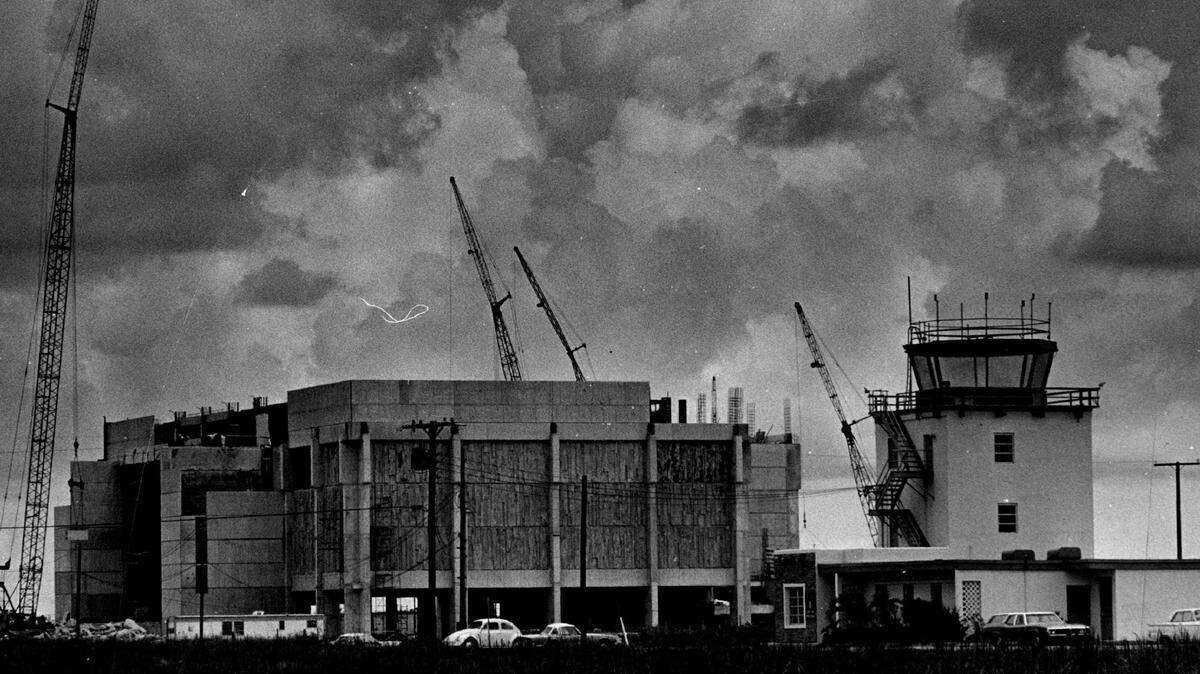
Miami’s only state university began with 5,667 students when it opened in 1972 at the old Tamiami Airport off Southwest Eighth Street, a commuter school for juniors, seniors and graduate students only, with no dorms, no sports teams and no sororities or frats.
It has now grown to more than 56,000 students (undergrads and grads), 270,000 alumni and schools of law, medicine, business, hospitality and engineering, among others. It has dorms, sports teams and 29 sororities and fraternities.
It hasn’t been easy. FIU lobbied for more than 10 years before then-Gov. Jeb Bush signed a law in 2000 that let it open a law school in August 2002, fending off a fierce lobbying effort by law school alums of the University of Florida and the University of Miami. It is one of two law schools at a public university in South Florida. (Florida Atlantic University has the other one.)
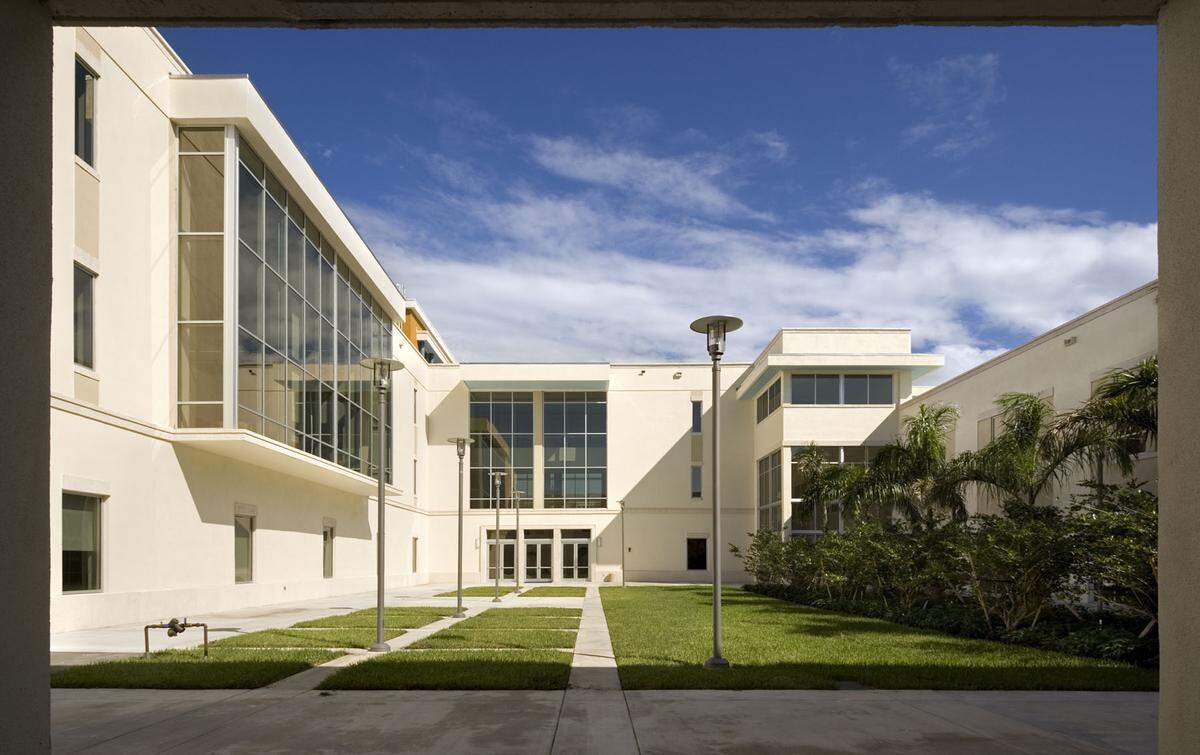
FIU’s third president, Gregory Wolfe, who served from 1979-1986, once declared FIU would become a flagship along with the University of Florida in Gainesville and Florida State University in Tallahassee — and not a tugboat. According to Herald archives, Wolfe sported a flagship lapel pin in the halls of the state Capitol in Tallahassee.
Until 1960, Florida had only three state universities: UF, FSU and Florida A&M in Tallahassee. The state now has 12, serving more than 300,000 students.
Here’s a brief history of FIU, the second-largest public university in the state, per student enrollment, after the University of Central Florida, and the fourth-largest state university in the country:
1943 — State Sen. Ernest ‘Cap’ Graham, the father of Bob Graham, Florida’s former governor and former U.S. senator, introduces a bill in the Florida Legislature to create a state university in Miami. While his bill did not pass, Graham, who represented parts of then-Dade County, keeps lobbying his colleagues on how Miami needed a state university.
1965 — State Sen. Robert M. Haverfield introduces Senate Bill 711, instructing the state Board of Education and the Board of Regents, now the Board of Governors, to begin planning for a state university in Miami. Then-Florida Gov. W. Haydon Burns signs the bill into law in June 1965. The school was loosely referred to as Dade University until 1969, according to Herald archives.
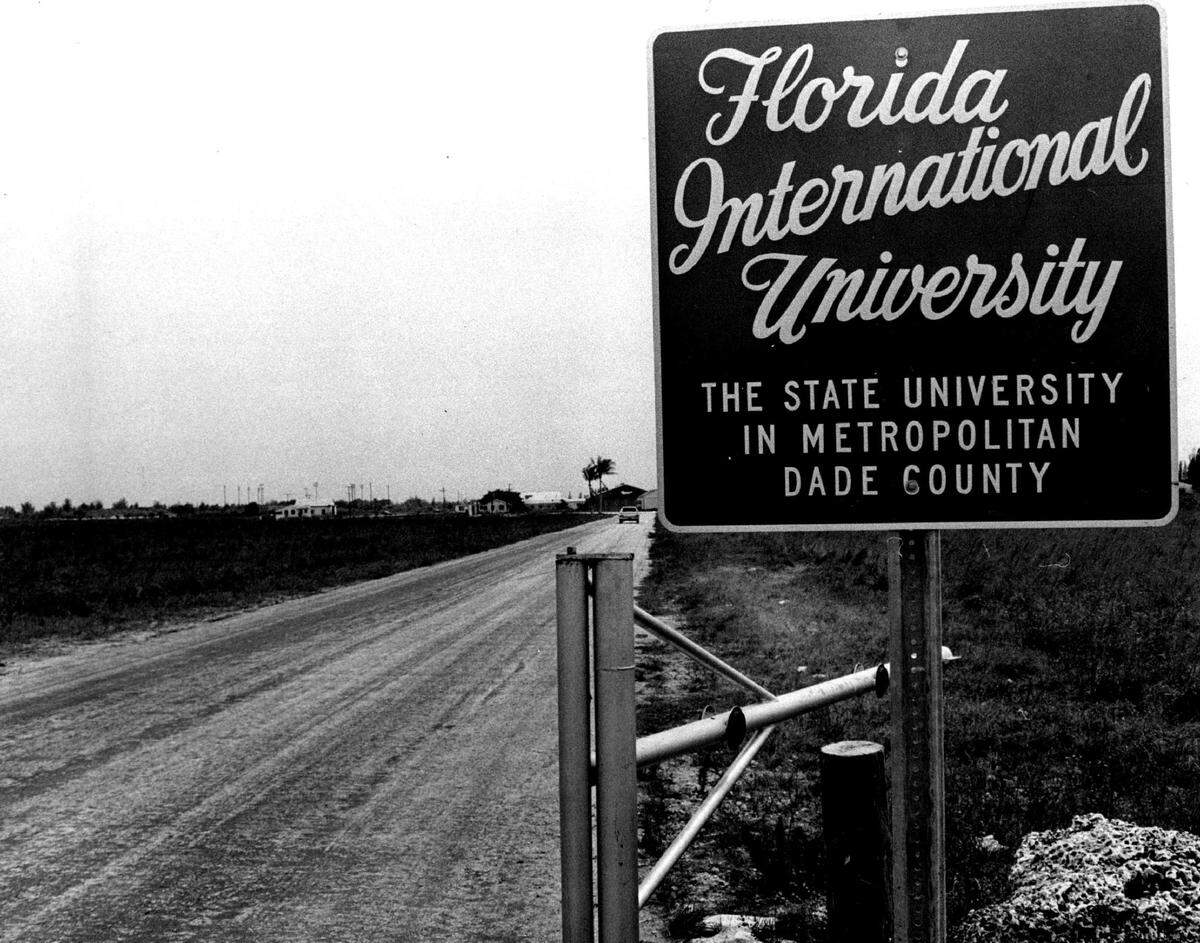
1969 — The Board of Regents appoints Charles Perry, vice chancellor of the Florida Board of Regents, as FIU’s first president. Perry was 31 years old, the youngest public university president in the country.
When Perry went to the 344 acres off Tamiami Trail and Southwest 107th Avenue where FIU’s campus is to be located (the county’s Metro Commission donates the land to the state), he finds an abandoned control tower equipped with orange crate desks and overturned trash cans. The property is overrun with sawgrass and vestiges of the old airport, including rundown runways and abandoned airplane hangers and planes. Perry uses that tower, which still stands, as FIU’s main administration building. (In a nod to academia, Perry has the tower painted ivory.)
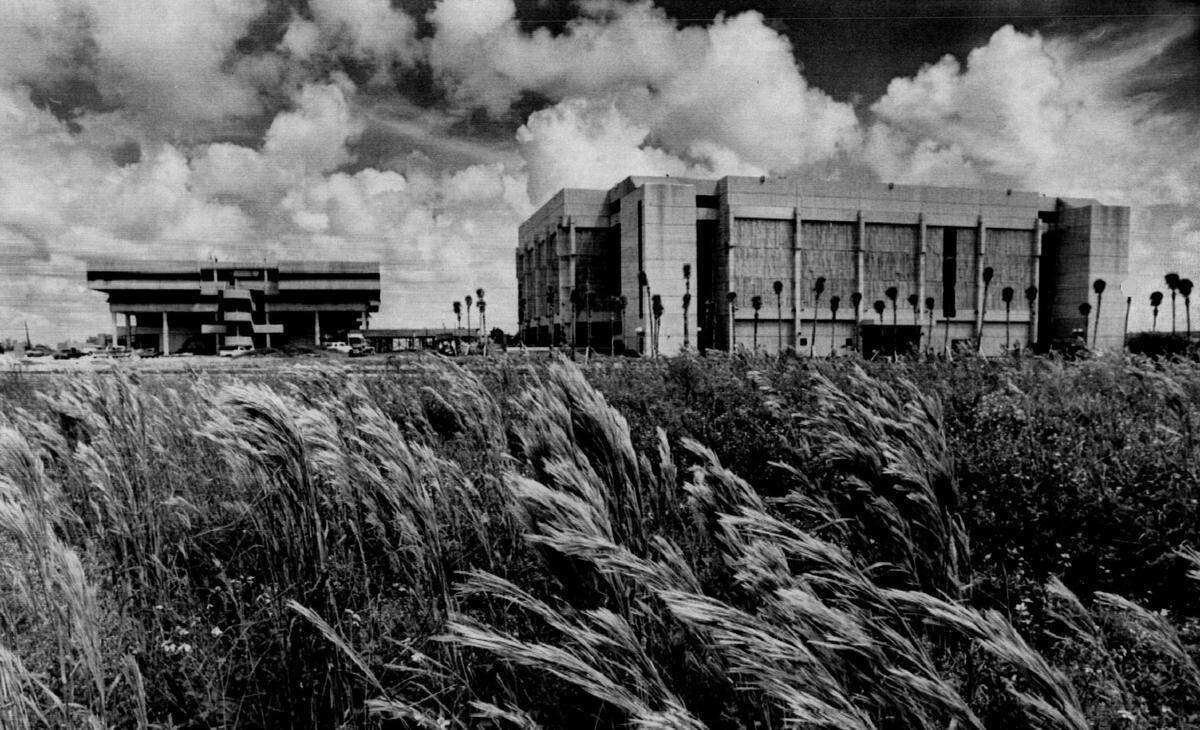
1972 — FIU holds an opening-day ceremony on Sept. 14, 1972. On Sept. 19, FIU has its first day of classes. The school opens with 5,667 students, the largest first-year enrollment in the history of American higher education, according to FIU. The average age of the student is 25, attending school full time and working full time. Eighty percent of the students had just graduated from Miami-Dade Community College.
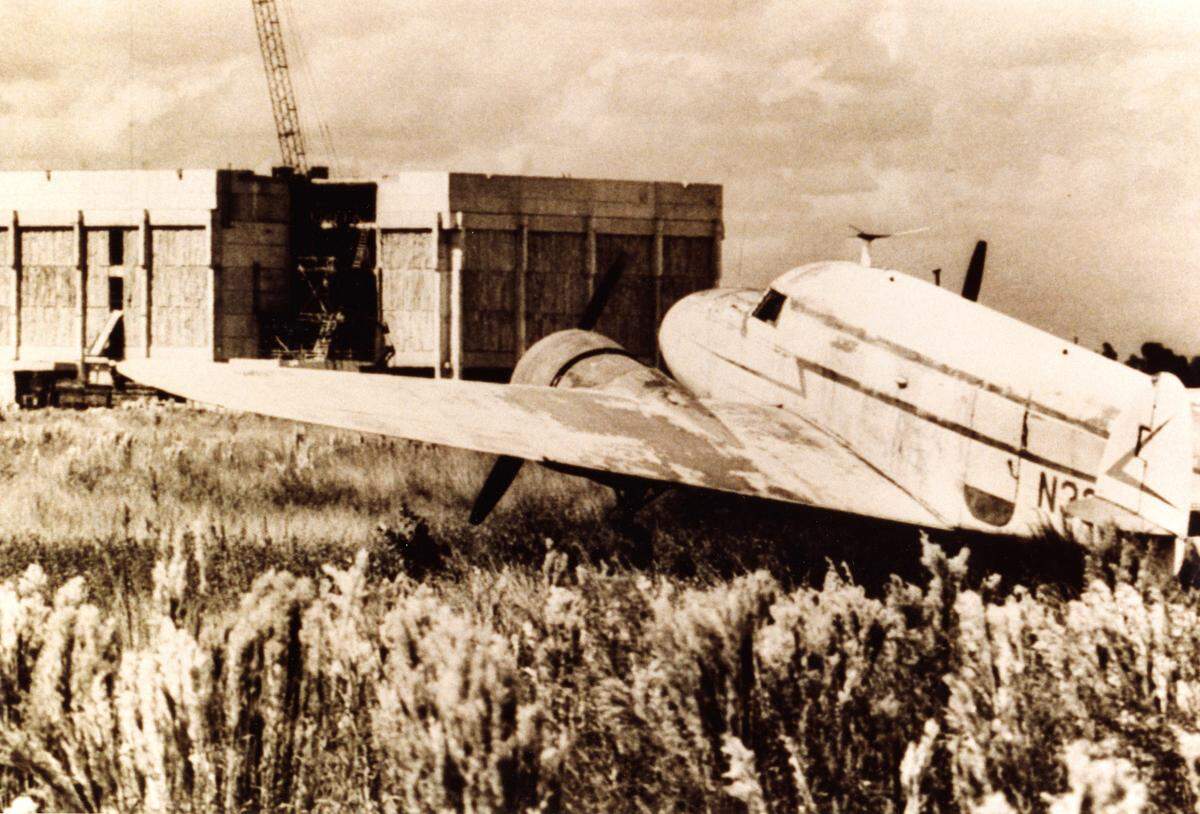
1975 — Perry steps down as president in October. During his tenure, FIU grows to 10,000 students, 134 degree programs and five buildings. In December, Harold Crosby, a Pensacola lawyer and a former president of the University of West Florida, is named interim president.
1976 — In August, Crosby is named FIU’s second president for a three-year term.
1977 — FIU’s Northeast Dade Campus opens on 195 acres. Initially called Bay Vista Campus, it is now known as Biscayne Bay Campus, 3000 NE 151st St. in North Miami; art museum opens in the Primera Casa building on the campus off Southwest Eighth Street, then called the Tamiami campus.
1979 — Gregory Wolfe becomes FIU’s third president. During his administration, FIU grew from a two-year, upper-division university with 11,590 students to a four-year school with 14,540 students, according to Herald archives. He is credited with developing FIU’s north campus.
Mark Rosenberg, then a professor of political science, founds the Latin American and Caribbean Center.
1981 — Admits its first freshman class, becoming a four-year university.
1982 — Men’s soccer team wins FIU’s first national title in any sport.
1983 — Enrolls more students than its private counterpart, the University of Miami, enrolling 15,094 students for the fall semester, compared with UM’s 13,861, according to Herald archives.
1984 — Opens College of Engineering; opens its first student residence hall in August: a four-story building housing about 550 students in one- and two-bedroom apartments averaging $170 a month at the north campus, according to Herald archives. A year later, in August 1985, FIU opens a 750-bed dormitory complex on the main campus.
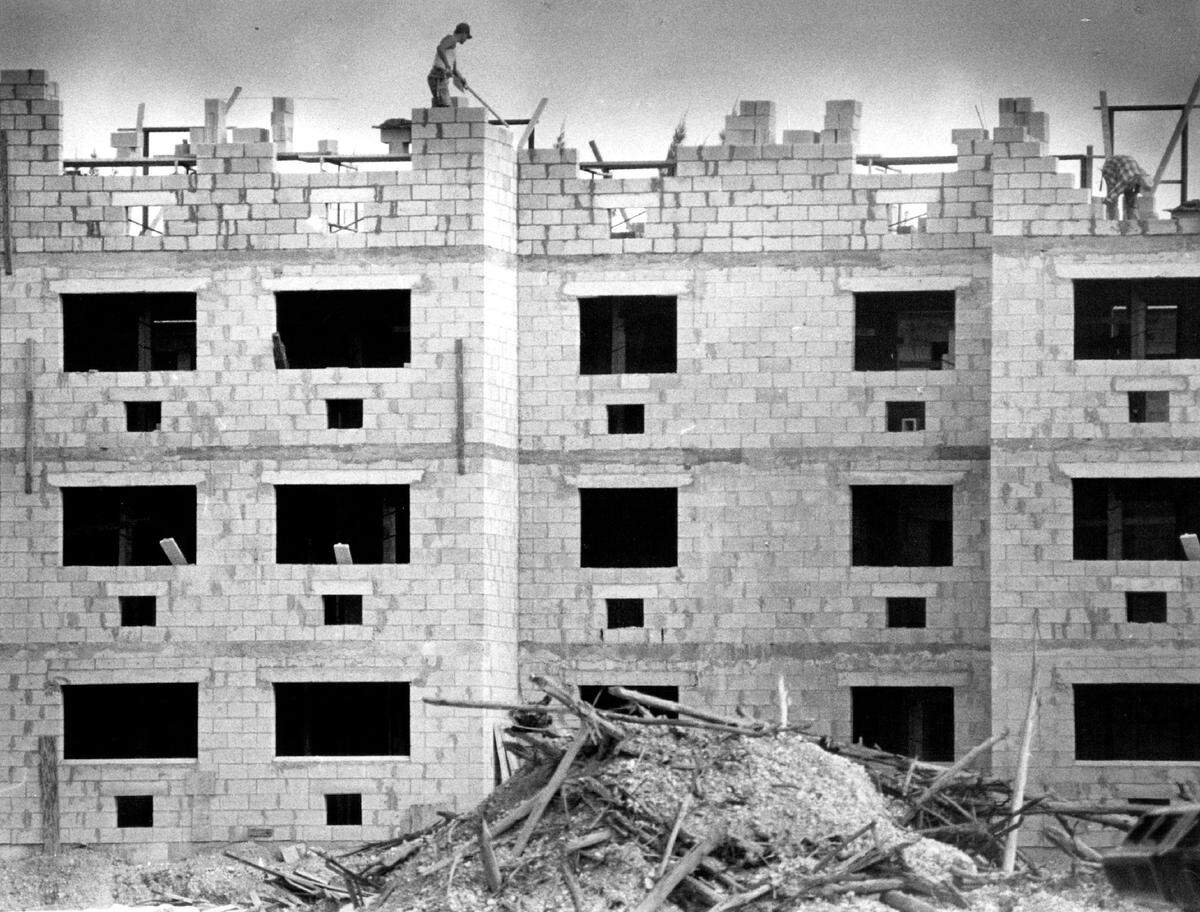
April 1985 — Historic graduation ceremony to bid farewell to first four-year class.
1986 — Modesto A. Maidique, at 46, is named FIU’s fourth president, its first Cuban-born president. FIU has a student body of about 16,500 — roughly 40 percent Hispanic — at the time.
Nicknamed ‘Mitch,’ he had moved to South Florida from California in 1984 to direct an entrepreneurial institute at the University of Miami and was a partner at Hambrecht & Quist, a former San Francisco investment bank. Maidique migrated from Cuba in 1958 to study electrical engineering at the Massachusetts Institute of Technology, where he earned bachelor’s and master’s degrees in that field, as well as a doctorate in solid state physics in 1970.
Under his tenure, FIU opens its law and medical schools and is admitted into Phi Beta Kappa Society.
1987 — The athletic teams move up from Division II to Division I; Maidique drops “Sunblazers” as school logo and introduces the university’s new mascot: a 140-pound, 7-foot, 3-year-old female Florida panther. The Tamiami campus becomes University Park.
1992 — Awards honorary degrees to President George H.W. Bush and Celia Cruz at spring commencement ceremony.
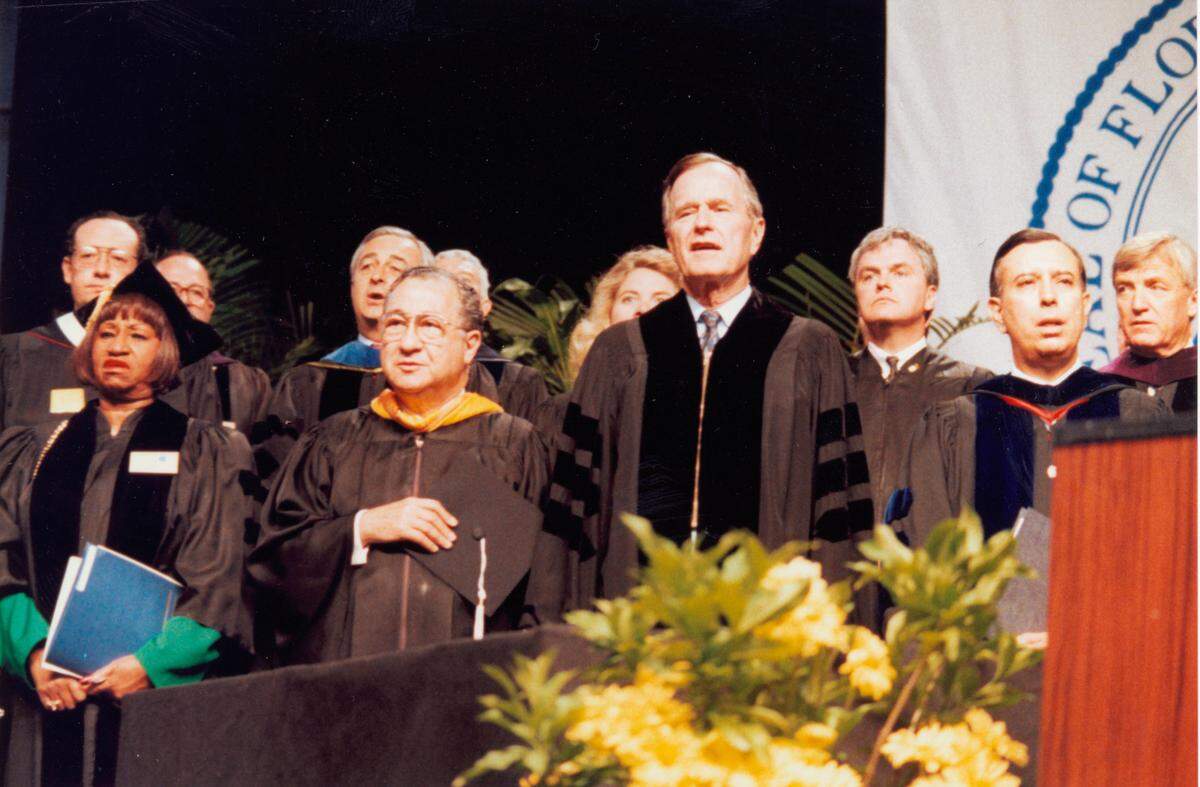
1996 — Purchases property on Flagler Street and Southwest 107th Avenue that would become the Engineering Center.
1997 — Opens College of Architecture; Mitchell ‘Micky’ Wolfson Jr. donates his collection of paintings, furniture, sculptures, rare books and other items to FIU, housed at what became the Wolfsonian-Florida International University, 1001 Washington Ave. in Miami Beach; the South Beach Wine and Food Festival gets its start at FIU’s Chaplin School of Hospitality and Tourism Management as a one-day festival, known as the Florida Extravaganza.
1999 — Dalai Lama visits FIU for first time.
2000 — Becomes youngest university to be awarded a chapter of Phi Beta Kappa, the nation’s oldest honor society.
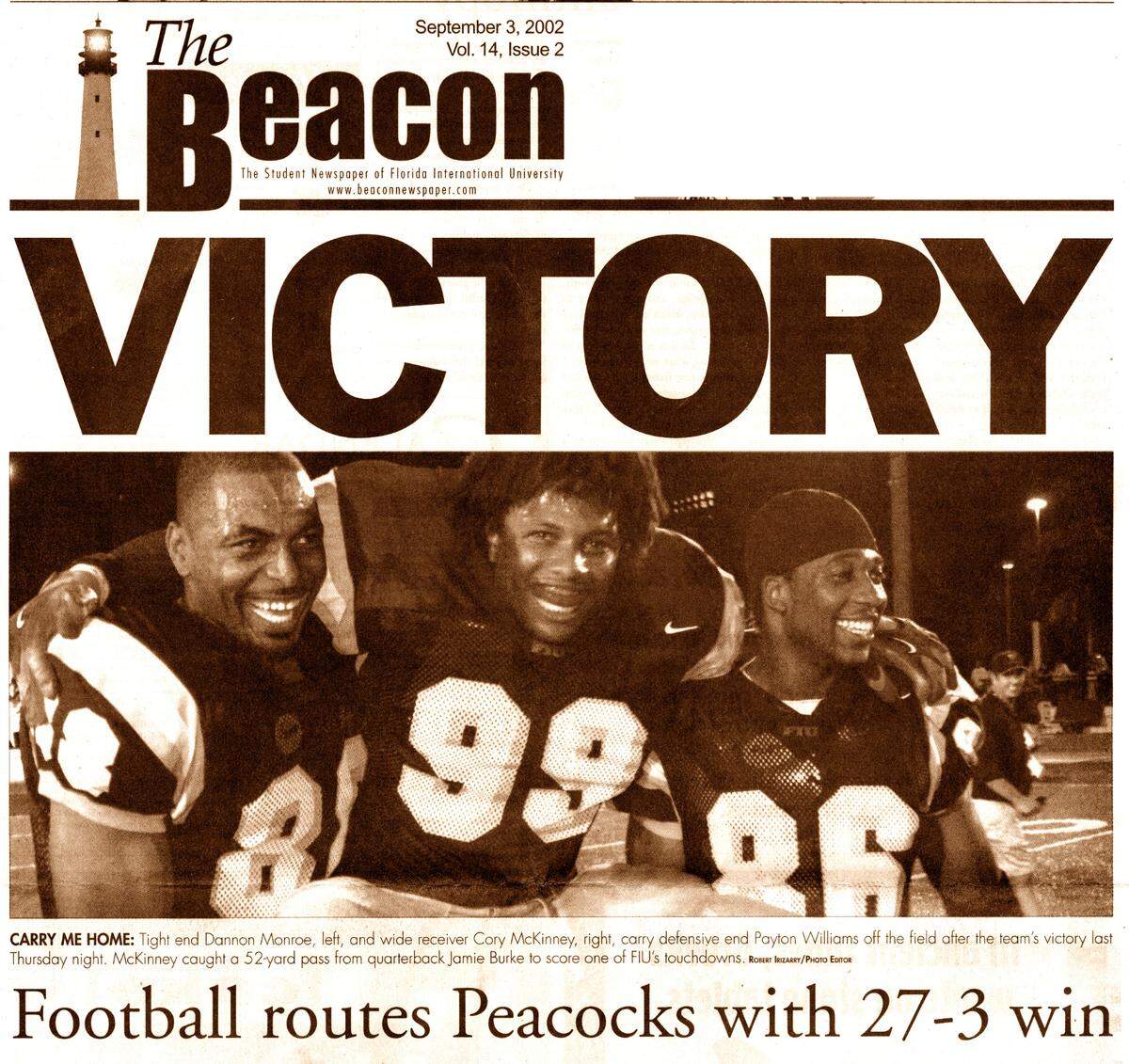
2002 — FIU College of Law, first public law school in South Florida, opens. The football team wins its inaugural game on Aug. 29, 2002, against St. Peter’s College in New Jersey, 27-3.
2008 — The Patricia and Phillip Frost Art Museum, a Smithsonian Affiliate, opens at University Park campus.
2009 — Mark B. Rosenberg, former chancellor of the State University System of Florida, becomes FIU’s fifth president. He is the first one to rise to the presidency from the faculty.
Herbert Wertheim College of Medicine, South Florida’s only public medical school, opens. The University Park campus is renamed the Modesto A. Maidique Campus; School of International and Public Affairs founded.
2010 — Football team wins first bowl game at 2010 Little Caesars Pizza Bowl.
2011 — Opens downtown Brickell campus.
2012 — Jewish Museum of Florida becomes part of FIU.
2013 — Suspends the Pi Kappa Alpha fraternity over Facebook posts in which frat members offer to sell drugs and boast of hazing new members, prohibited by university policy. Takes over the Aquarius Reef Base, 60 feet below the water in the Florida Keys, to study the ocean and train divers and astronauts.
2015 — The Carnegie Classification of Institutions of Higher Education names FIU to its highest tier of research universities (R1), a designation held by only 3 percent of institutions in the nation.
2017 — Suspends the Tau Kappa Epsilon fraternity after screenshots are leaked of a group chat by the frat showing what appears to be non-consensual nude images of women, anti-Semitic references and rape jokes.
2018 — A pedestrian bridge that FIU had championed and was under construction just past Southwest Eighth Street and 109th Avenue collapses on March 15, killing six people, including an 18-year-old FIU student, Alexa Duran.
June 2021 — Billionaire philanthropist MacKenzie Scott and husband Dan Jewett announce a $40 million gift to FIU, the largest unrestricted gift in the school’s history.
September 2021 — Jumps 17 spots to No. 78 in the annual U.S News & World Report ranking of U.S. colleges and universities.
Sources: FIU, MIami Herald Archives
This story was originally published January 16, 2022 at 6:00 AM.