From abandoned airport to a major university, FIU remembers its first-generation mission
READ MORE
FIU president resigns
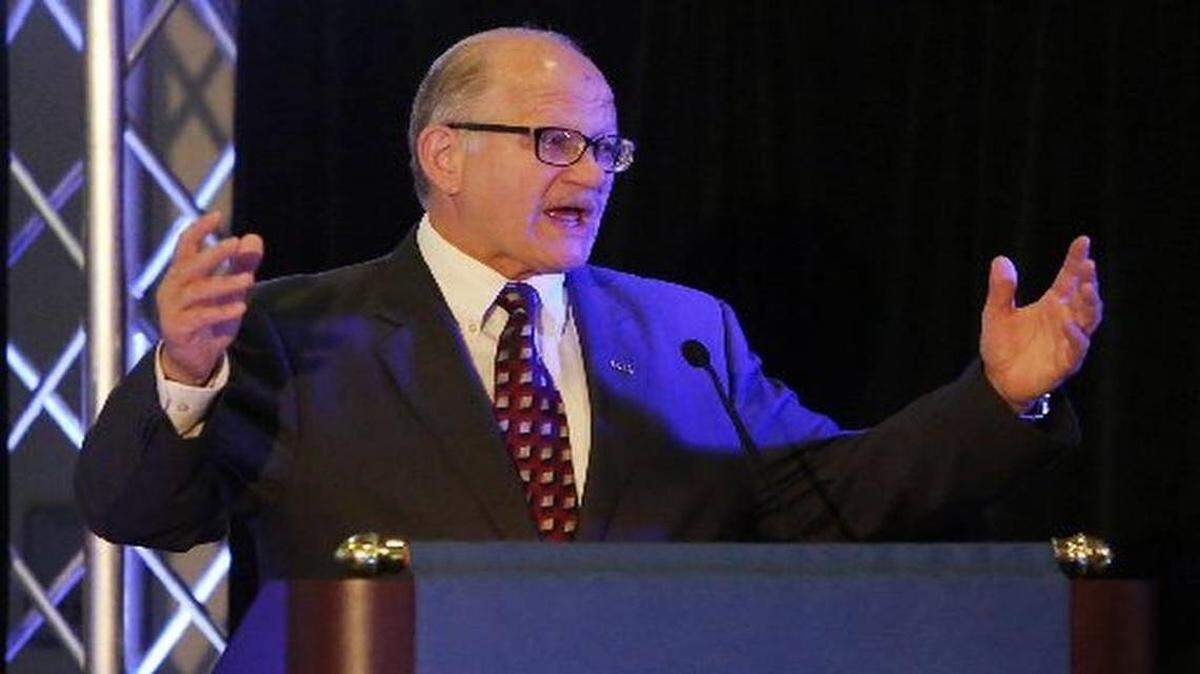
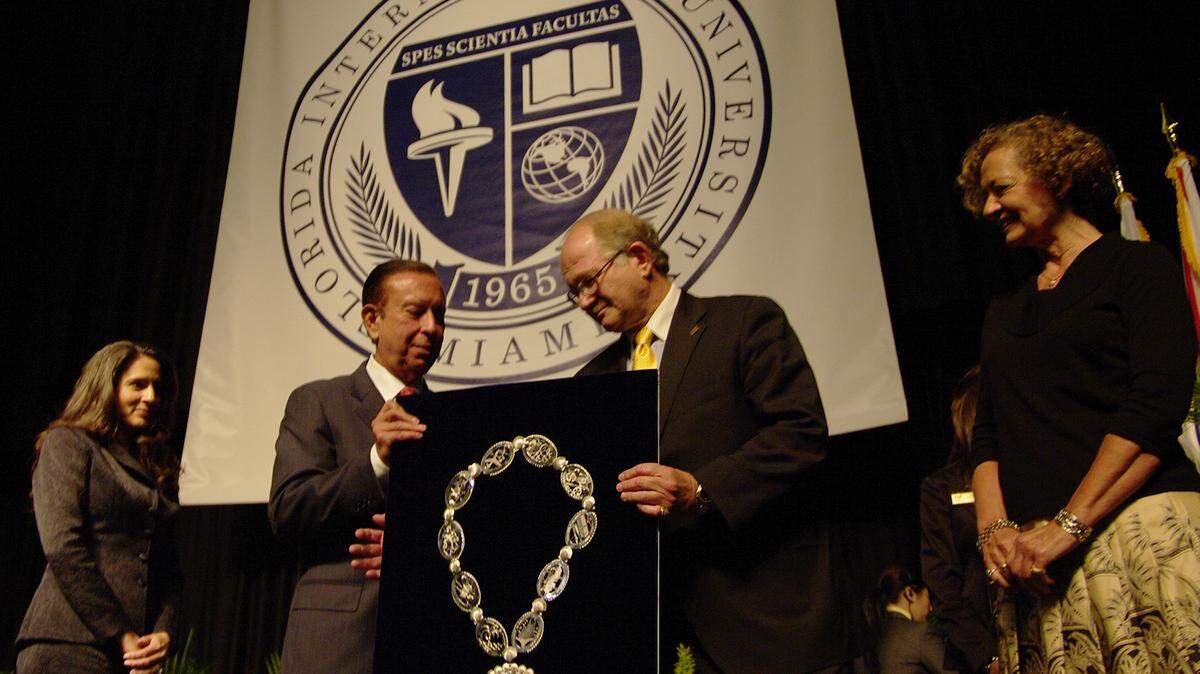
Mark Rosenberg, Florida International University’s fifth president, installed in August 2009, abruptly resigned in January. He cited health issues for his departure after about 45 years of service. But he later acknowledged that he had “caused discomfort for a valued colleague.”
Expand All
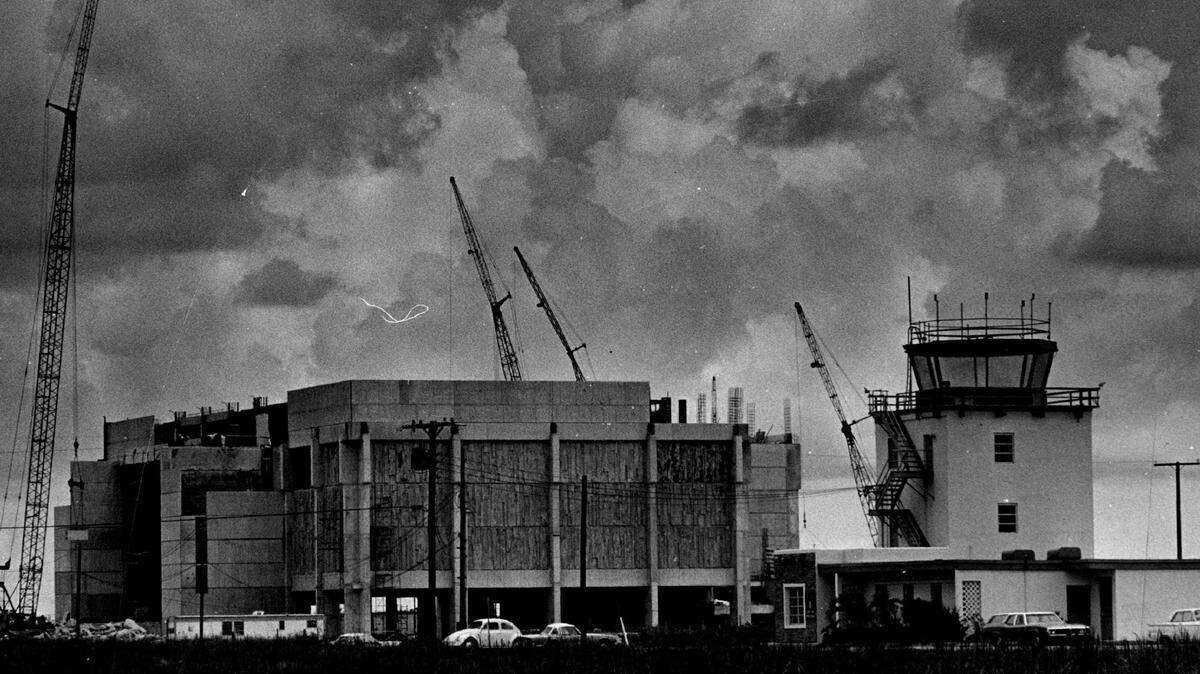
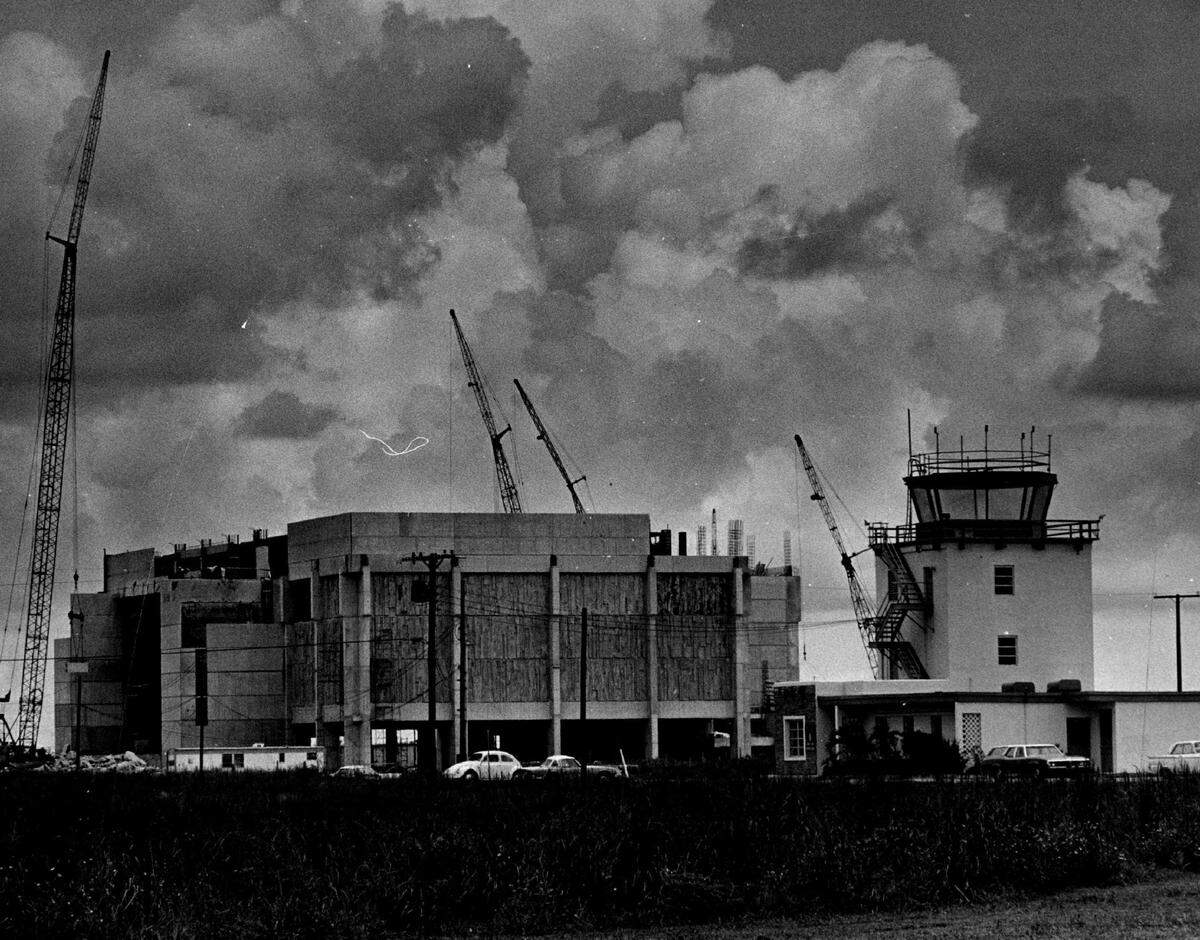
In the early 1970s, the abandoned airfield where Florida International University would grow its roots looked like a movie set for a dystopian horror film: The 344 acres had overgrown sawgrass, a rusted airplane or two and a control tower that stood sentry over the site in the far corners of Dade County.
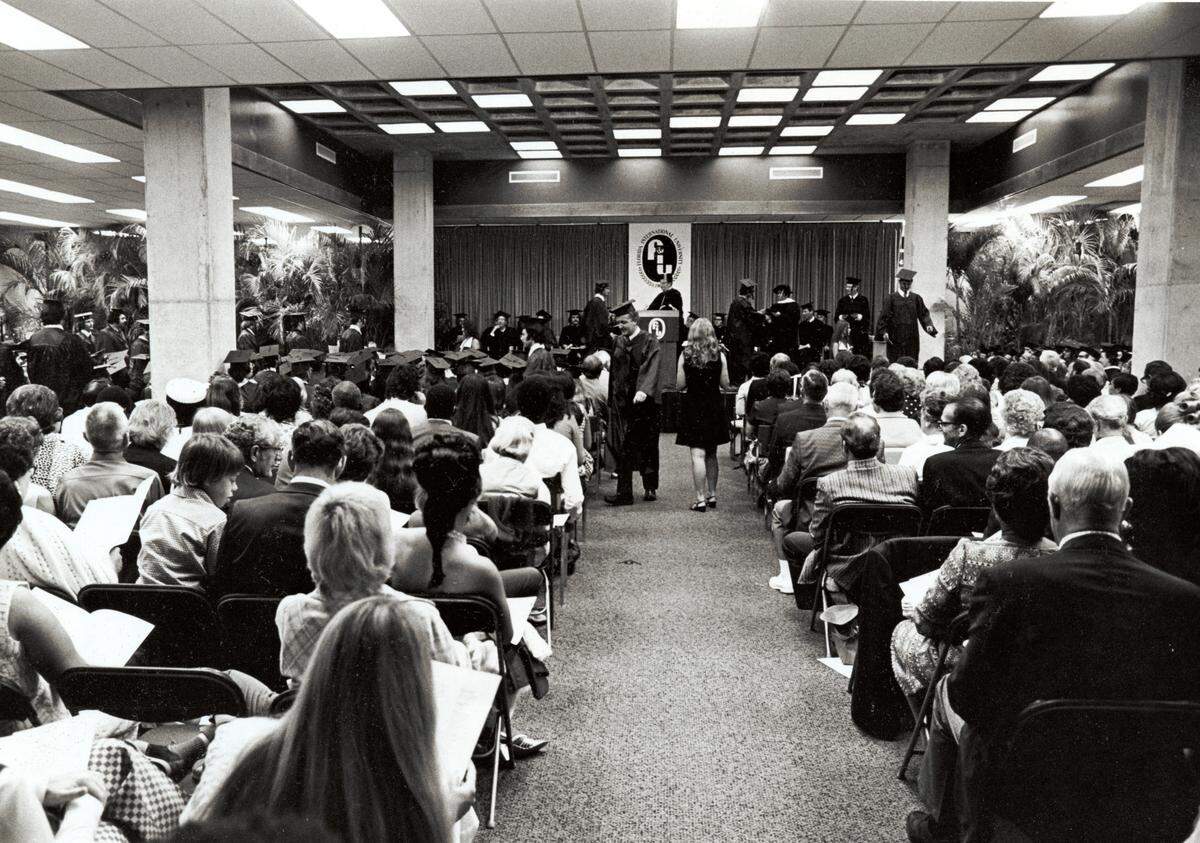
The university pioneers cleaned up the ruins of the old Tamiami Airport, improvised a parking area by painting white lines over the rutted runways and designated the desolate airplane hangars as makeshift classrooms for about 5,000 students.
The first day of class for the juniors, seniors and grad students, the only students the state allowed to attend FIU at that time: Sept. 19, 1972. There were no dorms, no sports teams, no sororities or frats. A commuter school.
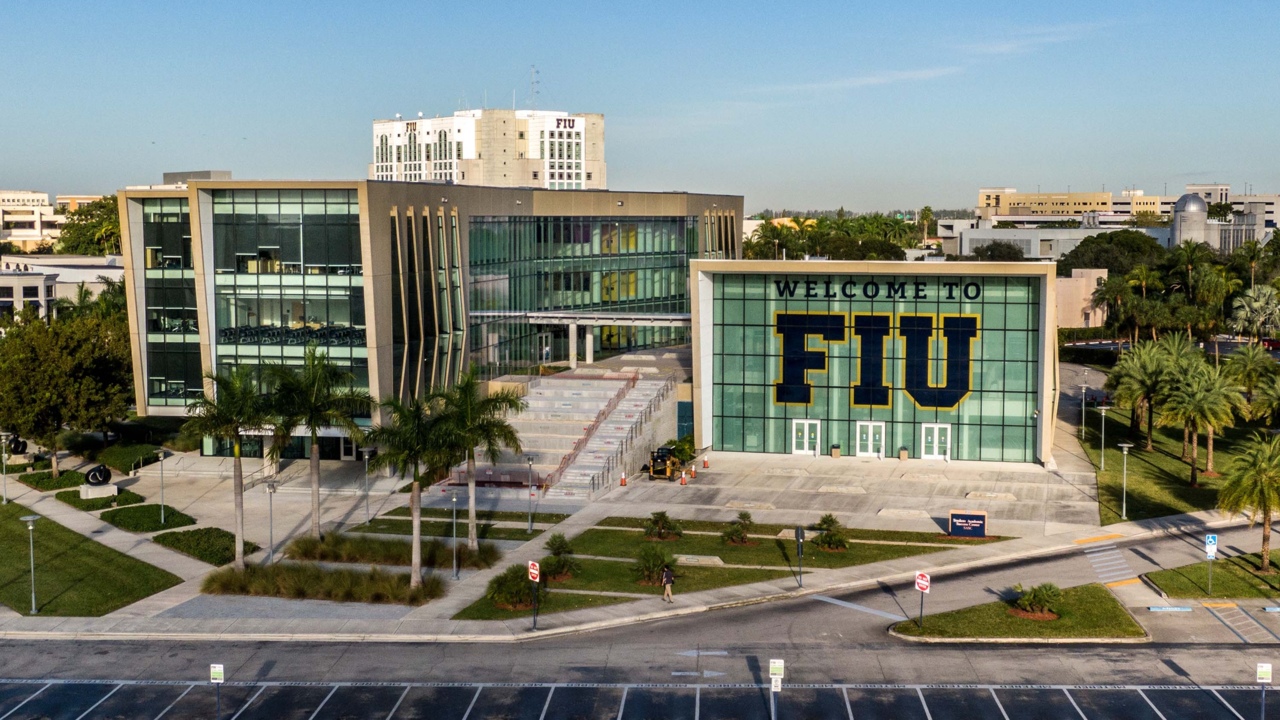
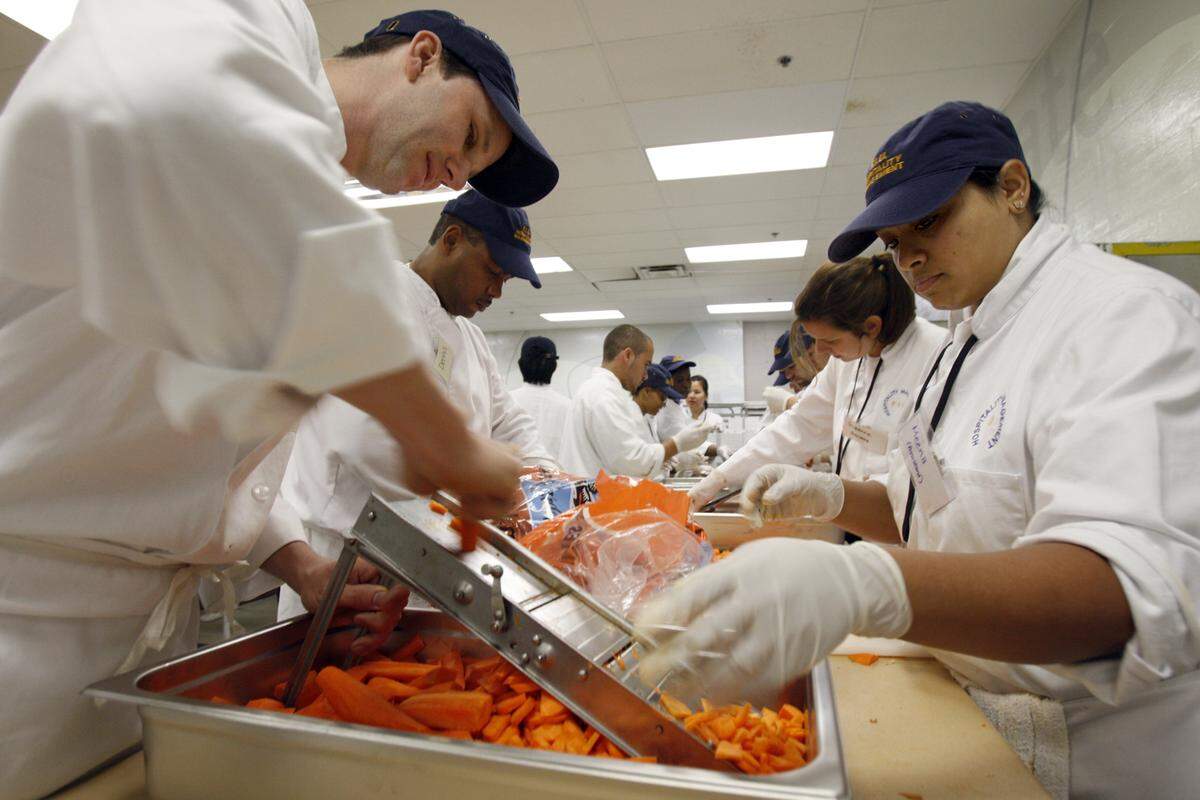
Fifty years later, FIU’s main campus runs along Southwest Eighth Street, from 107th to 117th avenues, and south to Tamiami Park, about four blocks north of Coral Way. A second campus in the north part of the county is home to several schools, including its famed hospitality school, whose students work side by side with top chefs during the South Beach Wine and Food Festival. And its 10-year-old law school, FIU College of Law at the main campus, bested the state’s 10 other law schools with the highest Florida Bar passage rate among its graduates in the most recent results.
Its 56,592 students make FIU the second-largest state university in Florida after the University of Central Florida (70,406 students) and the fourth-largest state university in the country. There are dorms, frats, sororities and sports teams — its men’s soccer team won a national championship in 1982, the school’s first national championship.
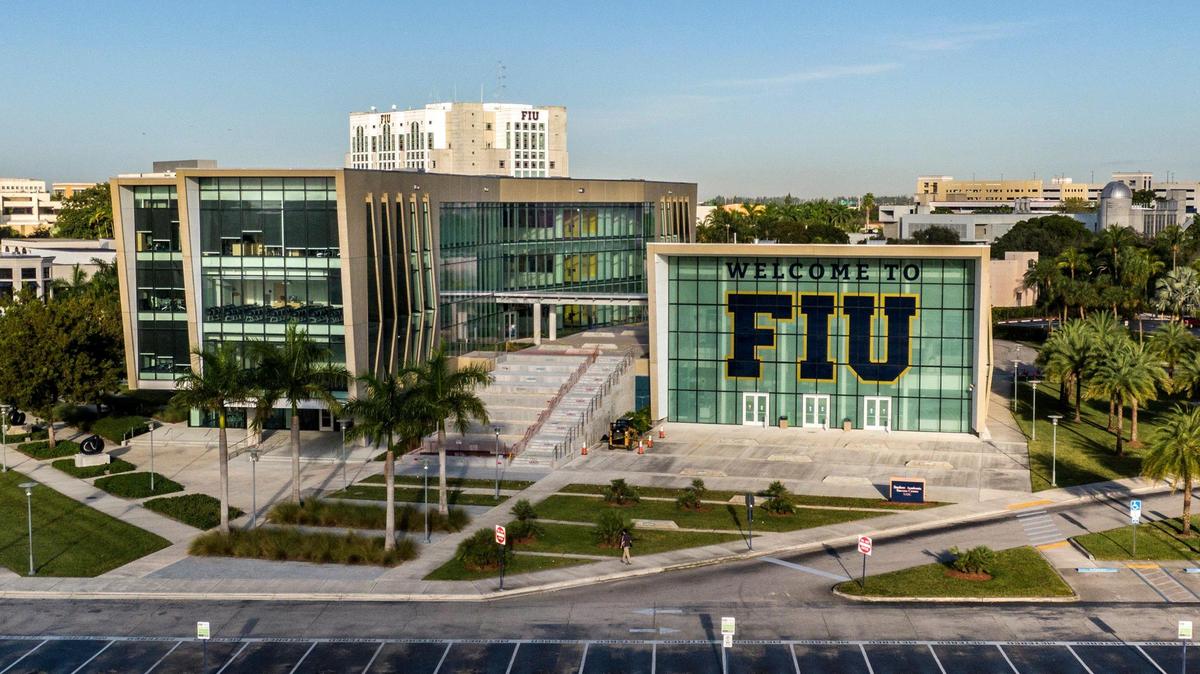
The original control tower remains (in its early days, it housed the administrative offices) and more than 80 buildings surround it, including a Wall of Wind facility to test hurricane mitigation efforts and a lab for personal cancer treatment research.
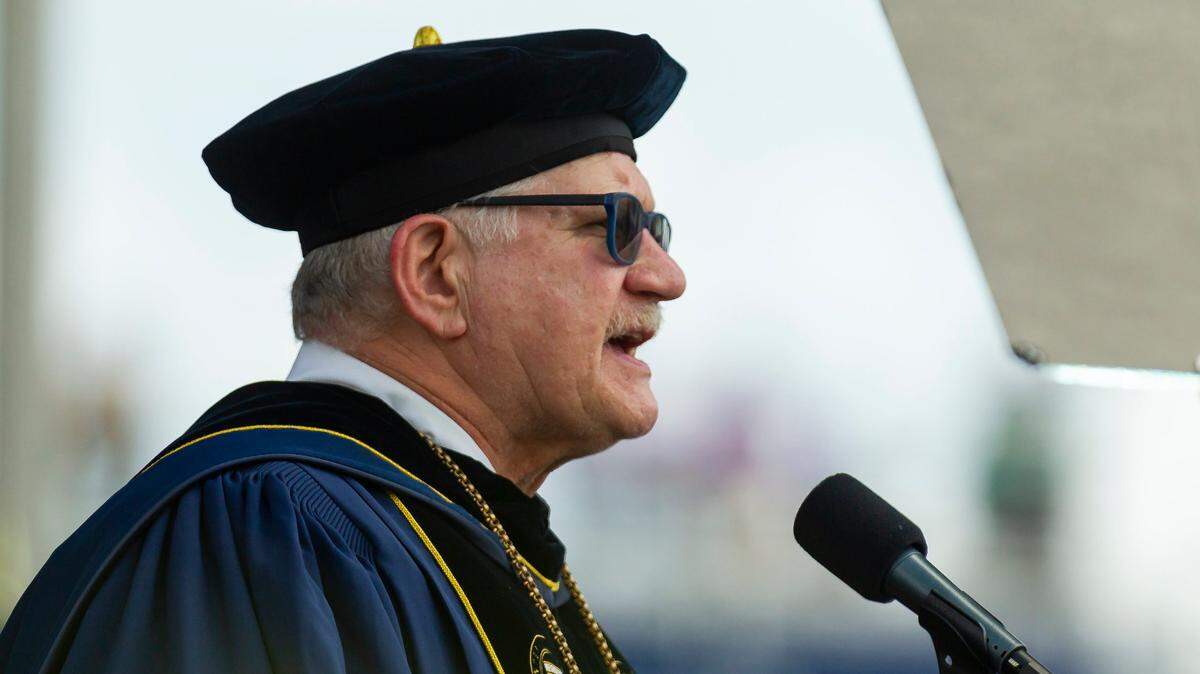
“We always dreamed about getting to the top,” says FIU President Mark Rosenberg, who began his FIU career as an assistant professor in political science in 1976, four years after the school opened. “That’s what we wanted for this university and this community.”
MacKenzie Scott gives record donation
While FIU has expanded over the past five decades — opening law and medical schools since 2000, among other programs — it has risen based on its academic heft and its track record of educating first-generation college students. That record led to its No. 6 ranking in social mobility among all U.S. universities, No. 5 if you include only public schools, according to U.S. News & World Report’s latest rankings of colleges and universities. And it led FIU to leap 17 spots in the overall 2022 rankings for public universities, landing at No. 78, up from 95 in 2021.
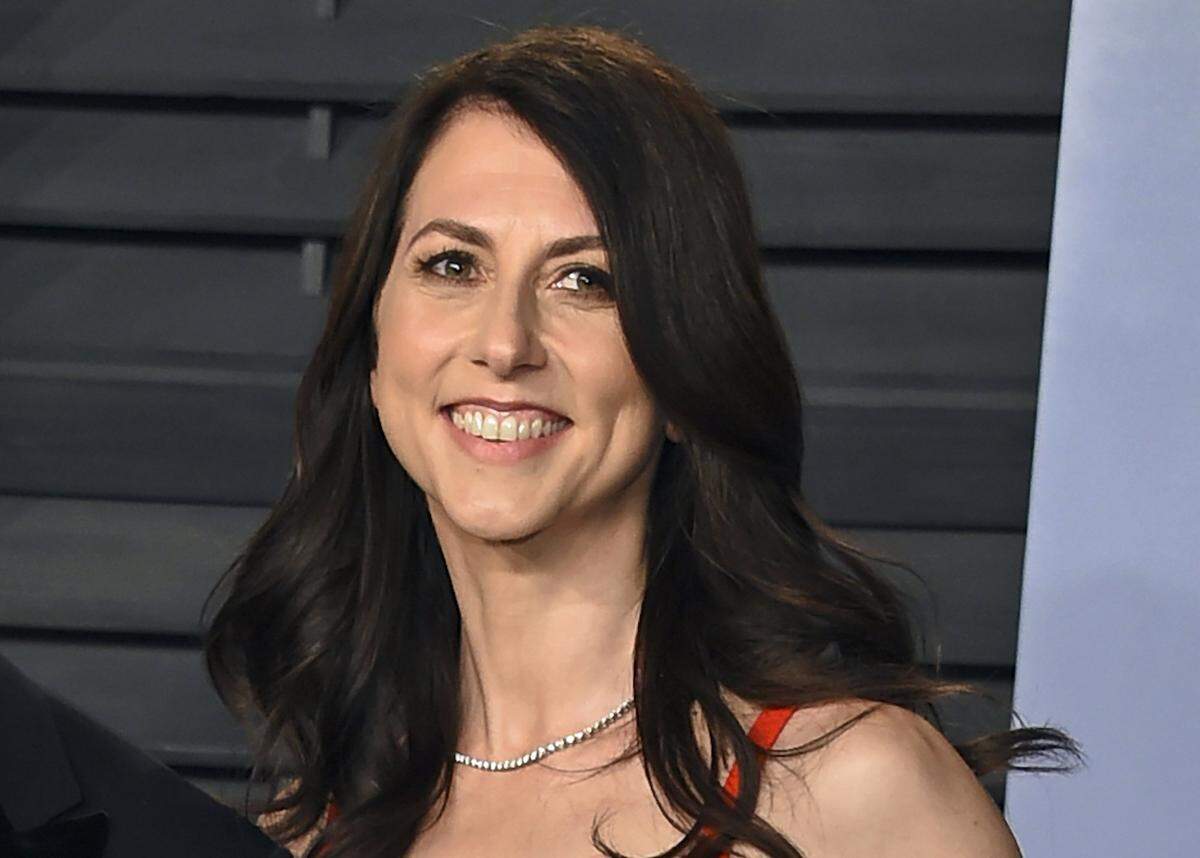
It’s that emphasis on educating first-generation college students that led billionaire philanthropist MacKenzie Scott to donate $40 million last year to the university, the single-largest unrestricted gift in FIU’s history. Rosenberg learned about the donation on a cellphone call while he was driving, forcing him to pull off the road in a rush to take notes.
“I listened and had to pinch myself,” he told the Herald at the time.
‘We mourn those lives’
FIU’s climb up the academic ladder hasn’t been easy. The school had to fight Florida legislators more than a decade to open its law school, facing a fierce backlash from law-school alums at the University of Florida and the University of Miami. And there have been contentious battles with the Youth Fair over expansion in Tamiami Park, the Youth Fair’s home.
But its biggest setback came on March 15, 2018, when the footbridge it fought for years to build across Southwest Eighth Street and 109th Avenue — to carry its students from Sweetwater across the busy Tamiami Trail — came crashing down while it was being constructed. Six people were killed in the catastrophe, including an 18-year-old FIU college freshman named Alexa Duran.
A National Transportation Safety Board investigation concluded that FIU, the Florida Department of Transportation, bridge builder FIGG Bridge Engineers and others failed to properly react to cracks that had formed on the bridge and erred when keeping Southwest Eighth Street open while a crew performed emergency repairs.
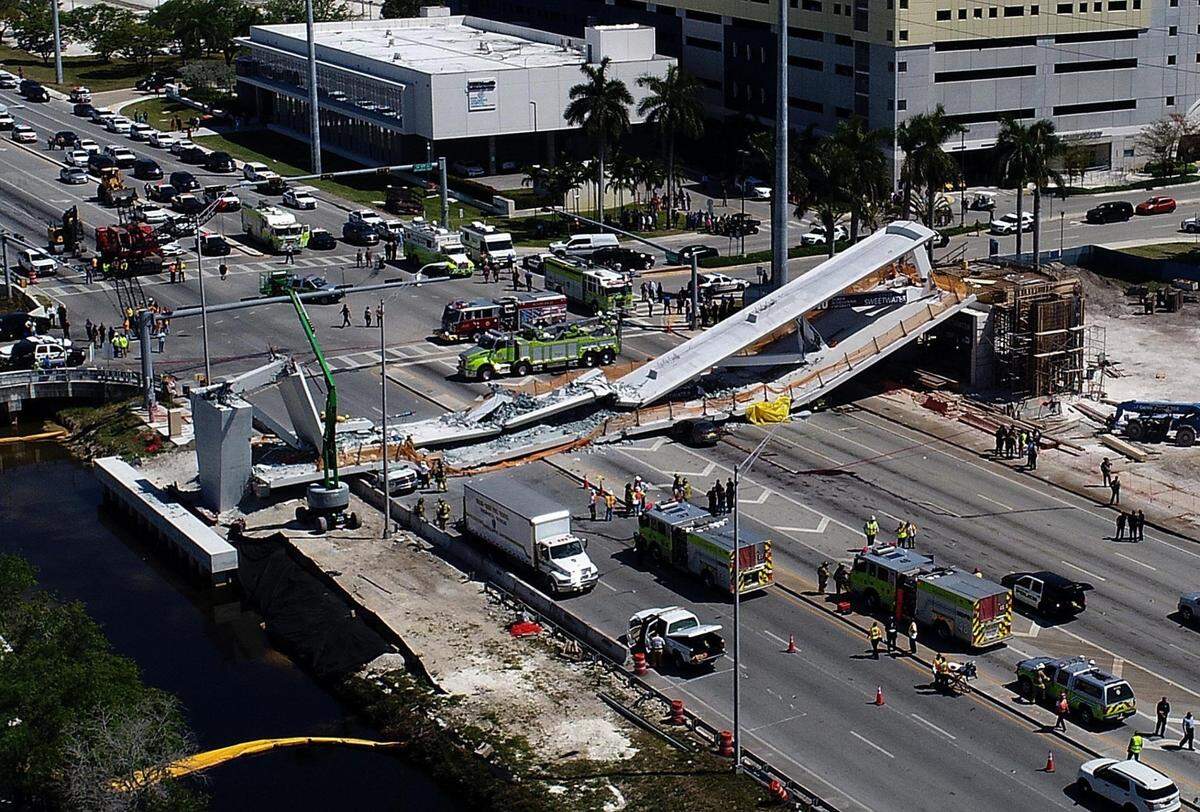
“It’s a tragedy. We lost lives, and we mourn those lives,” Rosenberg said in a recent interview. ”You can see the data. The data will show you that since the bridge collapsed, we’ve been more focused and determined to get better and to show the world we can do things correctly. Even though building the bridge wasn’t our responsibility, we understand that we’re associated with it.
“We’re going to honor Alexa Duran, the student who lost her life. We’re going to honor her and her family with a fitting memorial to her and the other five victims. And we’re going to rebuild the bridge. Because the bridge was about extending ourselves, not turning into ourselves.
“It’s going to take a couple more years, but it’s going to happen.”
Helping students find their way
One of FIU’s successes is in educating students who don’t have the financial means to attend college. Nearly 50 percent of FIU undergrads received a Pell Grant in the 2019-20 school year. Pell Grants are federal funds given to students who demonstrate financial needs and, unlike loans, they do not need to be repaid.
Consider Tiffany Sanchez.
As she headed into her junior year at the main campus, she struggled with balancing her commitments to her classwork, to campus organizations, to her sorority Phi Mu and commuting from her Miami Lakes home. A sorority sister mentioned she could seek an emergency grant from FIU.
“It came to a point where I was like, ‘I really need this,’ ” said Sanchez, 21. “I didn’t want to take it away from anyone but I was like, ‘I don’t know how I’m going to do what I need to do.’ ”
After a 15-minute application process, Sanchez received $1,200 for the fall 2021 semester and about $4,000 for the spring 2022 semester. With the grants, she was able to move onto campus.
FIU’s Financial Wellness Program then taught her how to budget her paychecks to pay for tuition, meal plans, housing and books, as well as how to lower her loans. She raves about the program, which also teaches students how to master financial literacy through topics like car payments, credit scores and mortgages.
“It’s helped a lot, and I’m very happy,” she said. “I try to tell as many people about it as possible.”
In addition to financial literacy, FIU offers emergency and scholarship grants to students who lose their jobs, would have to work extra hours to pay for schooling or accrue medical bills.
The university also provides completion grants to those within 30 credits of graduation who need money urgently. The initiative launched in 2015, founded by the Braman Family Foundation. In 2020, the program gained national recognition with a three-year grant from the Helios Education Foundation.
FIU awarded more than $2.3 million in completion grants to more than 2,100 students. Nearly 99% have graduated or were enrolled in fall semester.
Mentoring students
FIU, like other colleges and universities, mentors students but it goes one step further, actively working with students so they succeed.
It launched Fostering Panther Pride to support former foster youth and students experiencing homelessness. It created a character, “Ask Charlie,” based on Assistant Vice President Charlie Andrews, which enabled students to get answers easily at the onset of the coronavirus pandemic.
Dr. Susan Himburg, who started as an instructor of dietetics and nutrition at FIU in 1973 — a year after the school opened — and now works as the associate vice president of academic planning and accountability, said she once met a student in the 1980s who worked full time as a food service supervisor at a local hospital but wanted to become a dietitian.
Himburg pulled the student into her office and together they devised a plan that allowed her to attend classes in the morning and work at night, and graduate over three years instead of two. Then she helped the student get annual leave from work and condense her final practicum to graduate.
“The thing is, the student commitment and drive energized me as a faculty member, and I wondered, ‘Well why can’t we make this work?’ ”
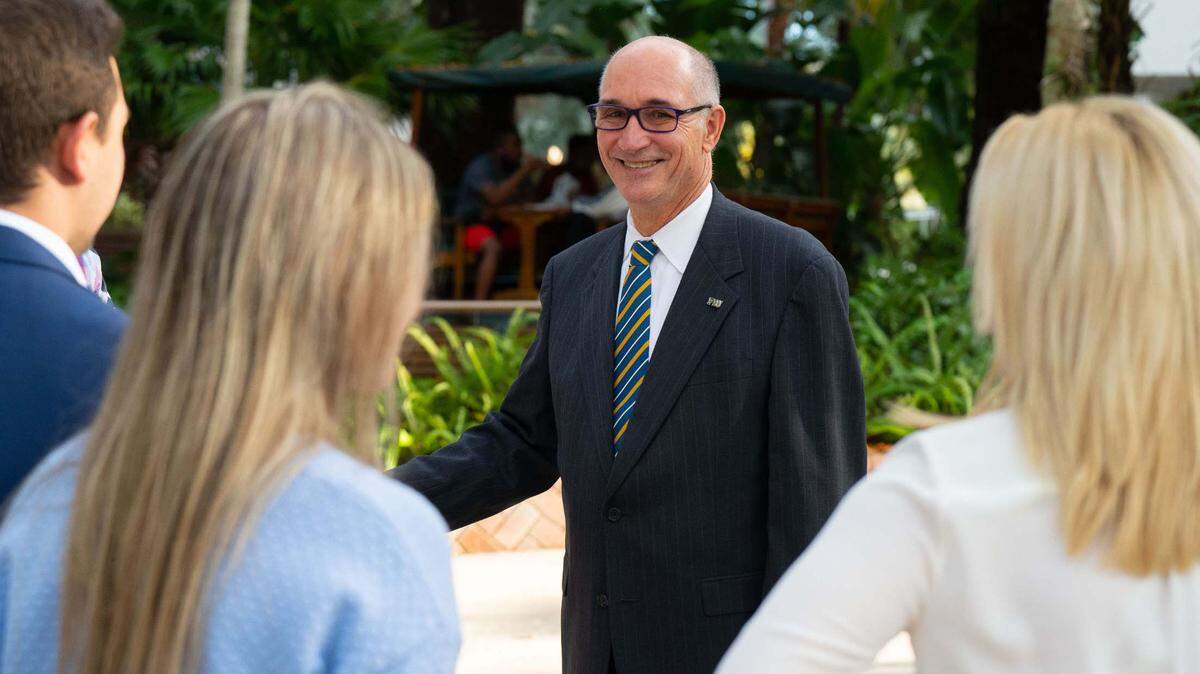
Modesto Maidique, the university’s fourth president for more than 20 years and who championed the medical and law schools, chalked up the triumphs to the professors. He now teaches a leadership class and a master’s project in international business.
“I’m immensely proud of what FIU has been able to accomplish in its 50 years,” said Maidique, 81. “Most of the credit goes to the faculty, which is by far the best part of FIU.”
The early days
Rosenberg remembers the early days. When he first arrived at FIU in 1976 as a political science professor, the university sported five or six buildings with a student body of roughly 7,000.
“It was very raw,” says Rosenberg, 72. “People didn’t know who we were, where we were or what we did.”
Rosenberg had grown up in Athens, Ohio, close to Ohio University — the oldest college in that state founded in 1804 — and he had graduated from Miami University in Oxford, Ohio, also founded in the early 1800s. When he moved to South Florida, he found other college professors and administrators shaped by longstanding universities.
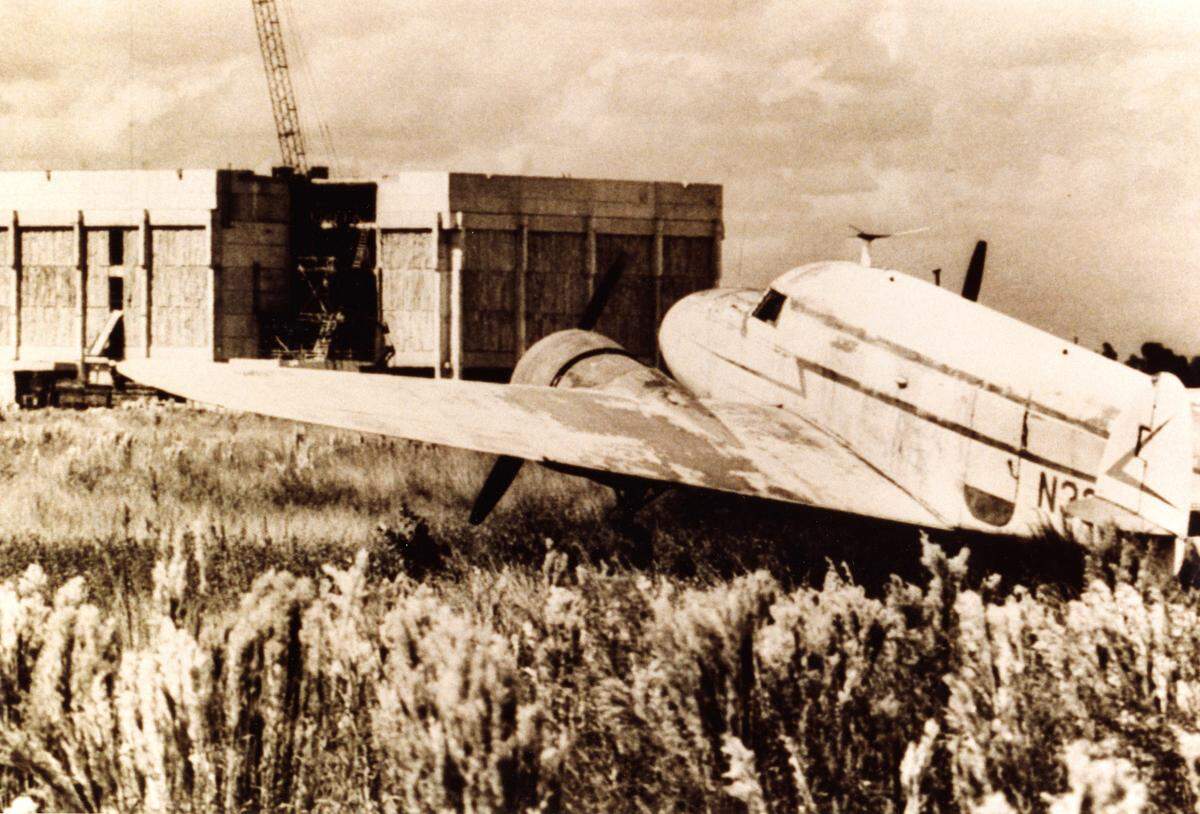
“Most of us had come from universities that were 100 or 150 years old, so here we are at a new university. And the new university is not even a four-year university,” he recalls. FIU did not admit its first freshman class until 1981, almost 10 years after its founding.
Rosenberg remembers his peers and FIU’s founders as a group of “big thinkers and dreamers.” FIU’s first president, Charles Perry, was 31 when he was appointed president, the youngest president of a state university in the country. He had come from Bowling Green State University in Ohio.
Perry and FIU’s early leaders believed Florida would grow demographically and knew Miami would lead that journey. They aspired to shepherd in new academic programs, including doctoral programs. They yearned for a medical school, a law school, perhaps even a veterinary school.
UCLA connection
When Rosenberg rose to provost in 1998, he met with his new team in the conference room in Primera Casa 521, the first structure on campus named in Spanish as a quirky way to honor the “International” in Florida International University. The building still houses the main administration.
Rosenberg quizzed the room about FIU’s future. A faculty member asked, “Well, who do we want to be like?”
A few names got tossed about. But as Rosenberg listened, he spotted one of his colleagues whose lips quivered; he seemed upset.
“It was Tony Mangó,” Rosenberg says, nearly 25 years later. “I said, ‘Tony, who do we want to be like?’ And he said, ‘We want to be like UCLA.’ ”
Some people gasped; others raised their brows. Setting the University of California, Los Angeles, a major research public urban university, as a goal seemed too ambitious.
Fast-forward to 2014, when the dean of the FIU medical school, which opened in 2009, told him that UCLA officials had visited to learn about their model.
“I think that’s pretty cool,” Rosenberg says, beaming. “We feel pretty good about that.”
From lawnmower storage to a $5 million lab
Rosenberg credits FIU’s success to what he describes as a naive optimism that distinguishes the university culture — that belief that they can achieve anything, either through their own actions or by empowering others.
That optimism is what empowered Arvind Agarwal, Ph.D., 51. FIU hired him in 2002 when it decided to expand its department of mechanical engineering to include materials engineering. He became the first faculty member hired for that purpose.
He had never heard of FIU until he applied. When he got the offer, he left a private company in Huntsville, Alabama — population, about 250,000 — to teach in Miami-Dade, population at the time about 2.3 million. It took him a year to find an outdoor, ground-level warehouse that stored lawnmowers, and then advocate for that to become what it is today: a $5 million plasma-forming laboratory.
Today, his former students are trailblazers, including an FIU alumna who came from Colombia in 2013 without speaking English and now works for NASA.
“The research culture takes time to develop,” he said. “When I got here, I wanted to cut a small piece of steel, so I went to Home Depot and bought a $10 hacksaw,” he said, chuckling in disbelief. “Today, imagine, we are so sophisticated that we cut things at 1/10th of a hair’s thickness. In 19 years, we have made tremendous progress.”
Up next, FIU wants to scale the top 50 ranking among public universities. Its main challenge: Expansion. FIU has battled the Youth Fair over expanding into Tamiami Park, which its main campus borders. At its Biscayne Bay Campus, its sole entrance causes serious traffic and the campus borders Biscayne Bay.
FIU has opened other locations, including a hospitality and tourism management program in Tianjin, China, and it runs a coral reef program 60 feet under the surface in the Florida Keys National Marine Sanctuary. But Rosenberg believes lack of space is a key issue.
Miami-Dade County Mayor Daniella Levine Cava has recognized FIU as an academic-to-job pipeline in South Florida, and said she’s trying to help with the constraints.
“We have to find mutually agreeable solutions,” she said. “We definitely recognize the university is growing, and we want to support that growth as much as we can.”
This story was originally published January 16, 2022 at 6:00 AM.