Man accused in Tamarac triple murder wanted courtroom sealed off. Judge refused
READ MORE
Amber Alert unravels triple murder in Tamarac
Nathan Alan Gingles is accused of abducting his 4-year-daughter and killing her mother, grandfather and a neighbor in Tamarac.
Expand All
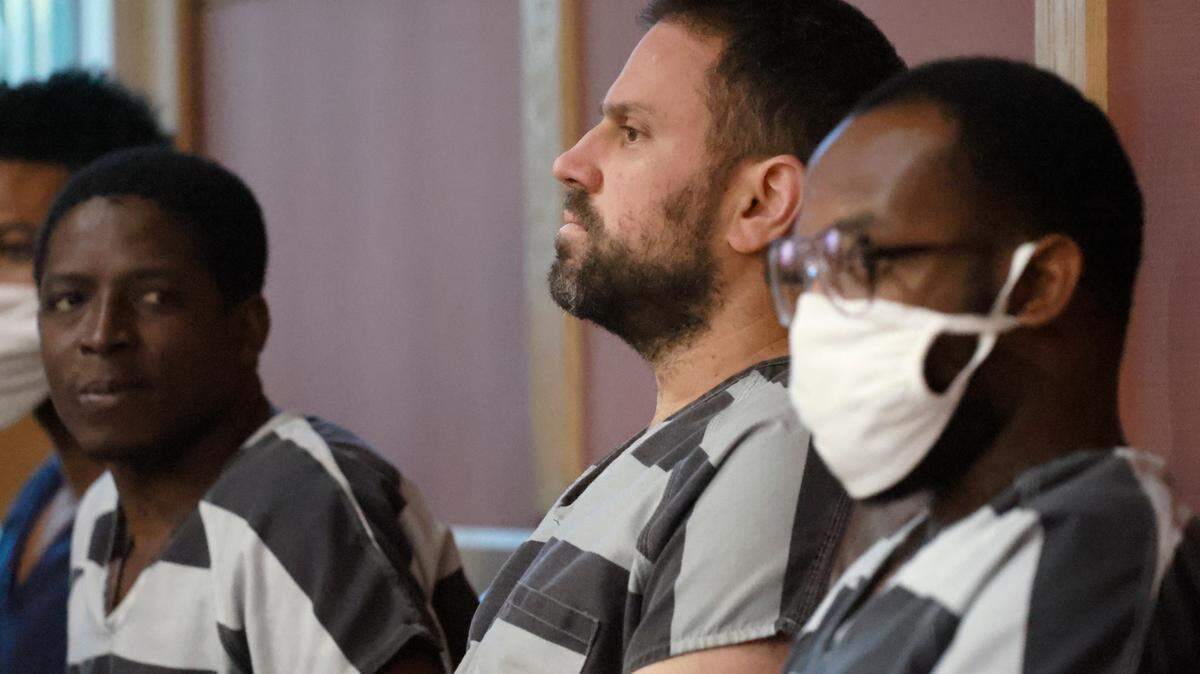
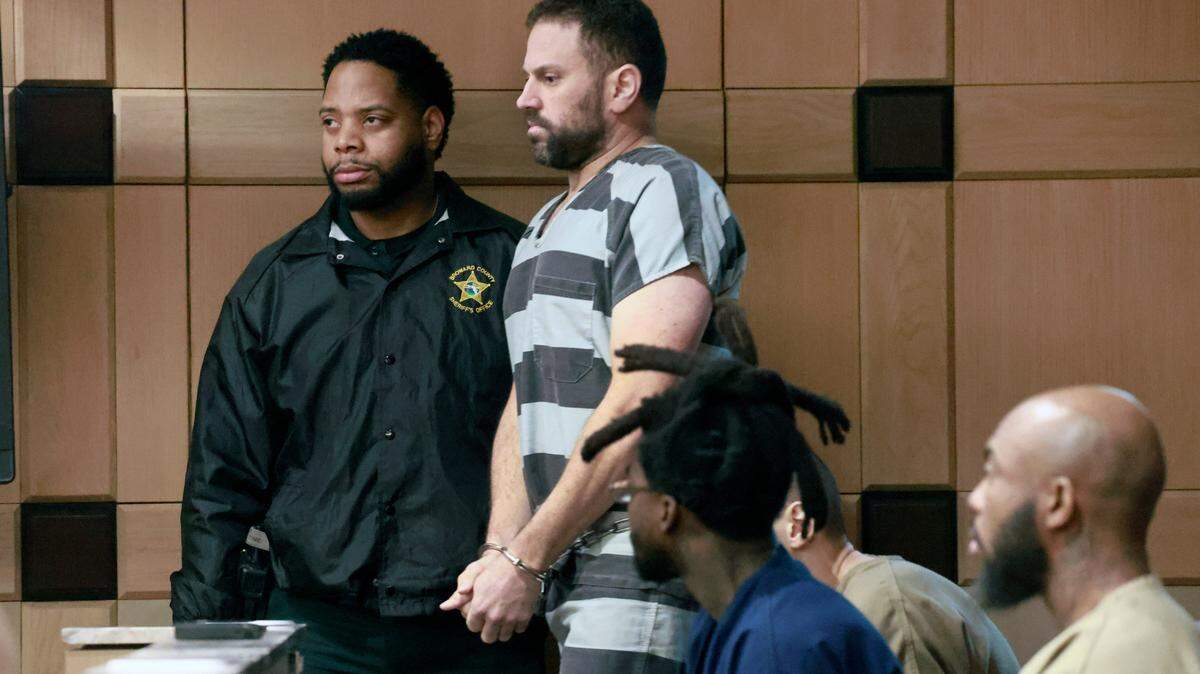
The man charged with hunting down his estranged wife and killing her — and gunning down her father and a neighbor in a Broward triple murder earlier this year, can’t seal off the courtroom to keep the media and the public from hearings, a judge ruled Monday.
Broward Circuit Court Judge Marina Garcia-Wood denied Nathan Gingles’ request to close off the courtroom and impose a “gag order,” which limits attorneys and investigators from making out-of-court statements about the case. The Miami Herald, other news publications and the Broward Sheriff’s Office opposed Gingles’ request.
In her written order, Garcia-Wood said a gag order — and closing off the proceedings — would be “wholly overbroad and contrary to the law.”
“The fact that the instant matter is high-profile does not in itself give Defendant the right to close the flow of information to the public and press,” the judge said in the order.
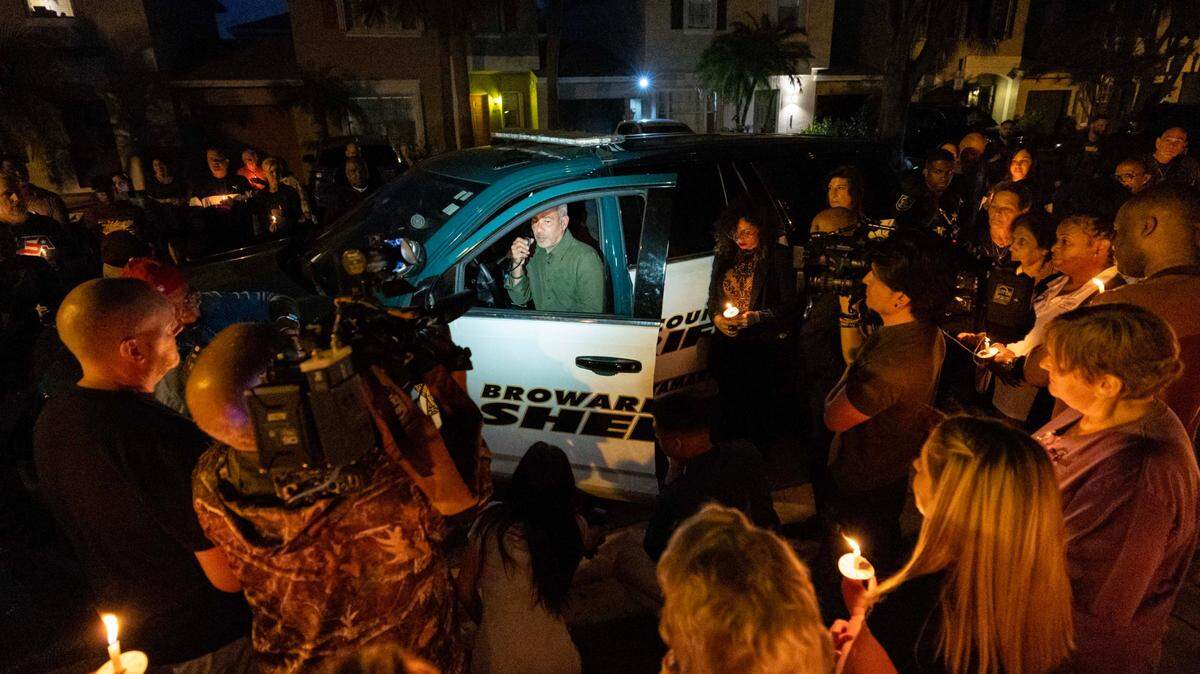
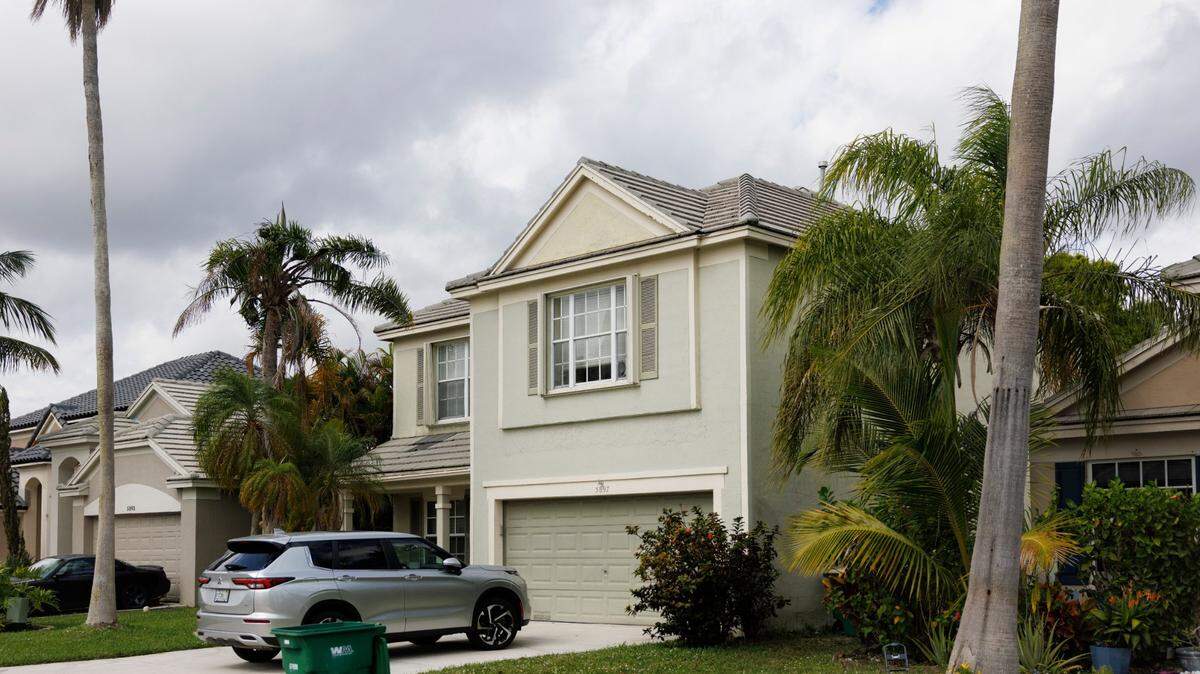
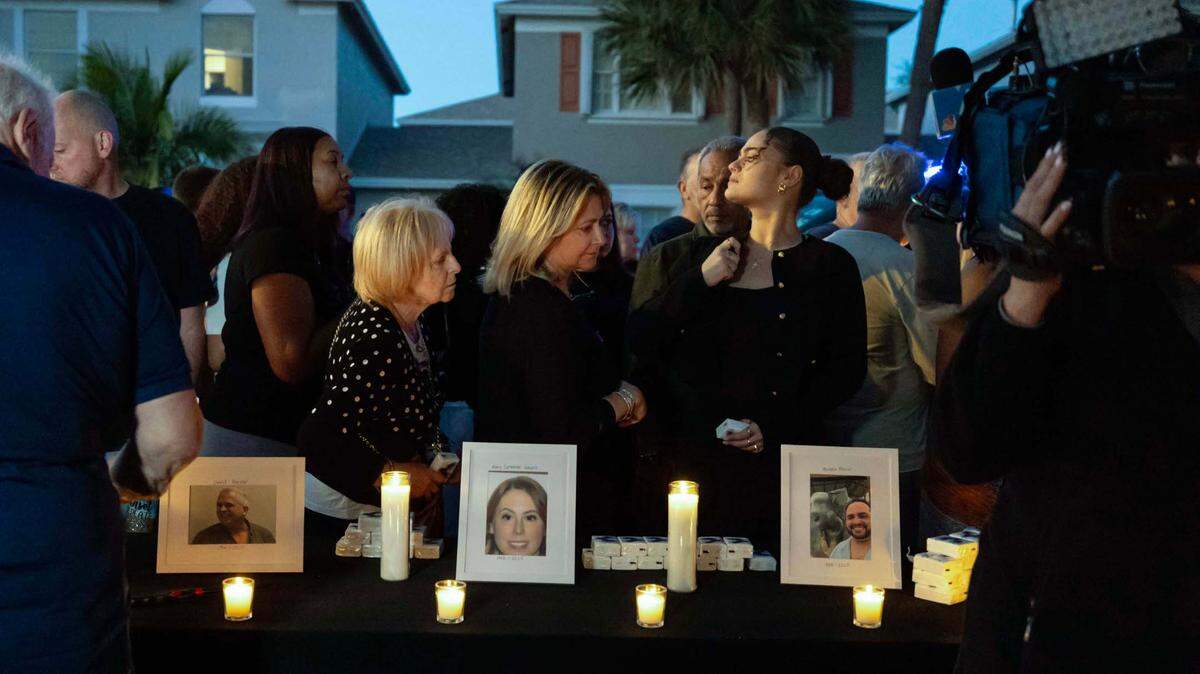
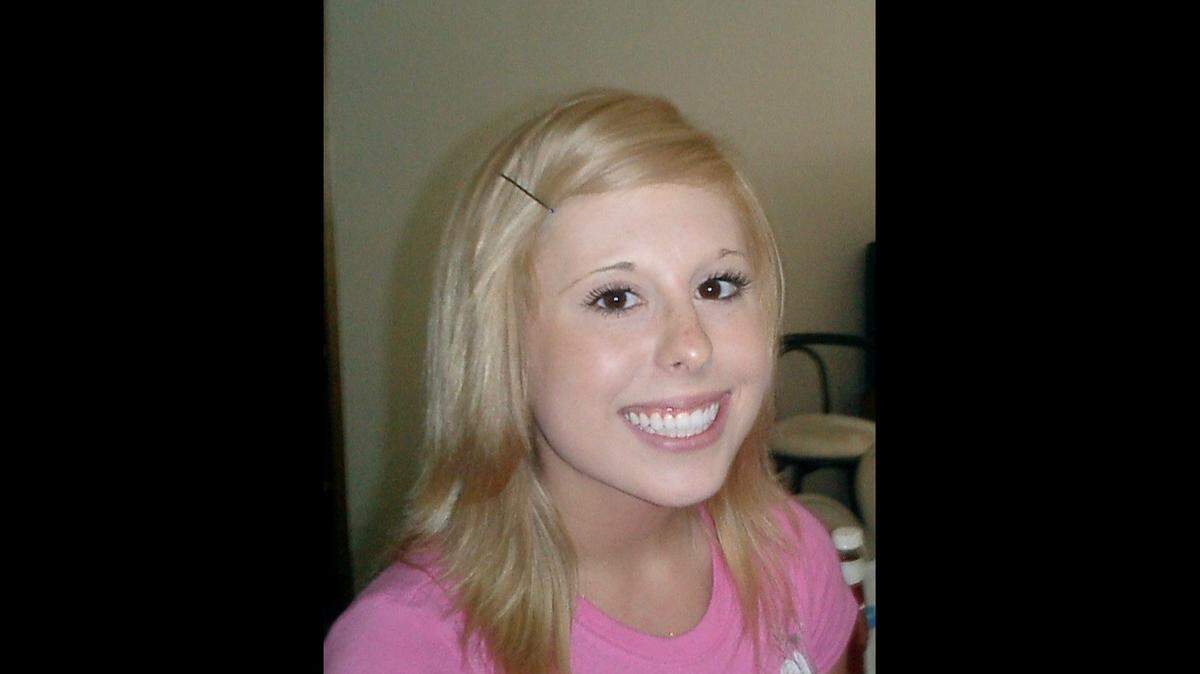
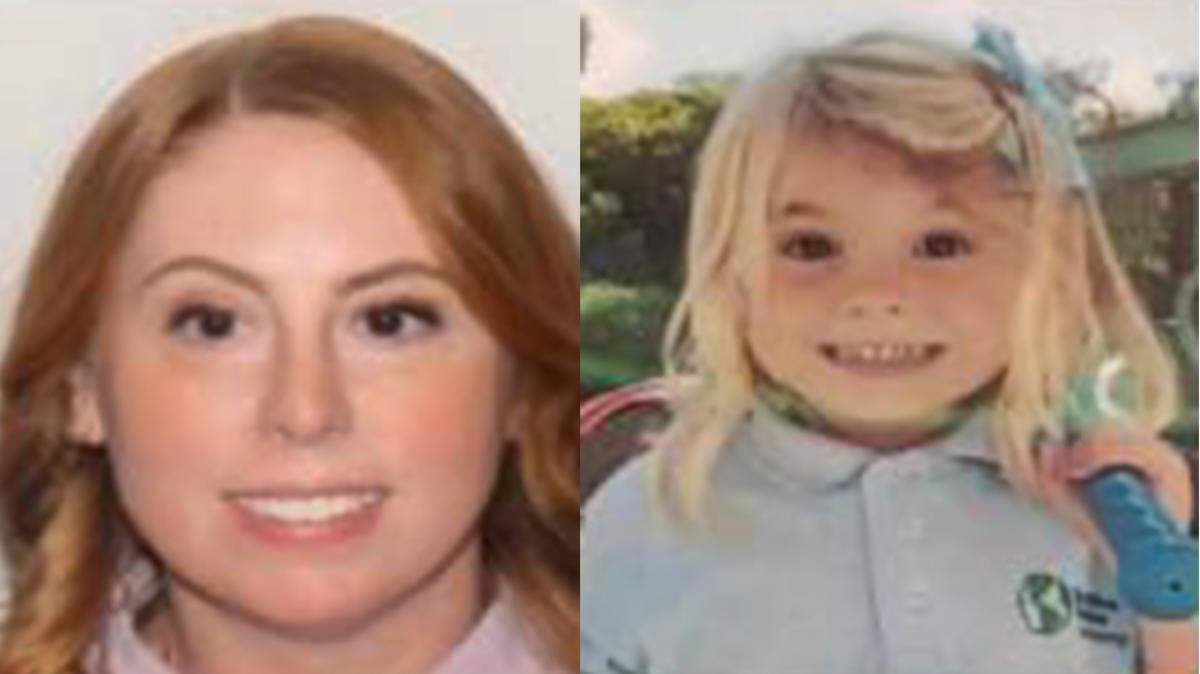
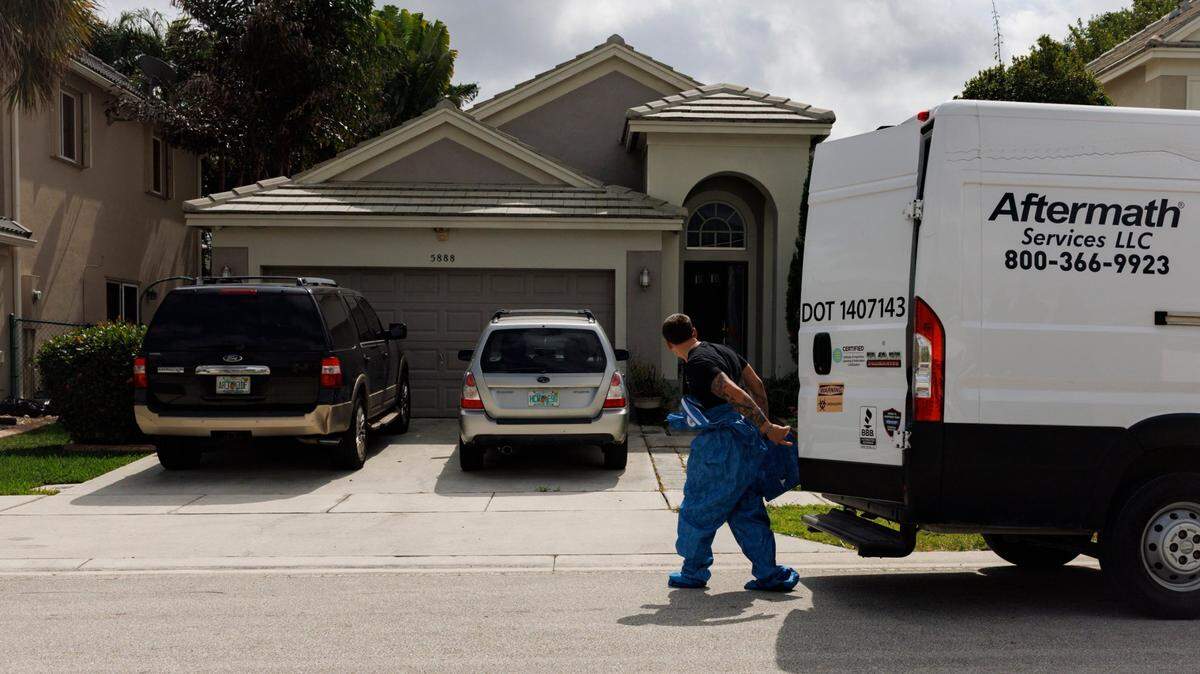
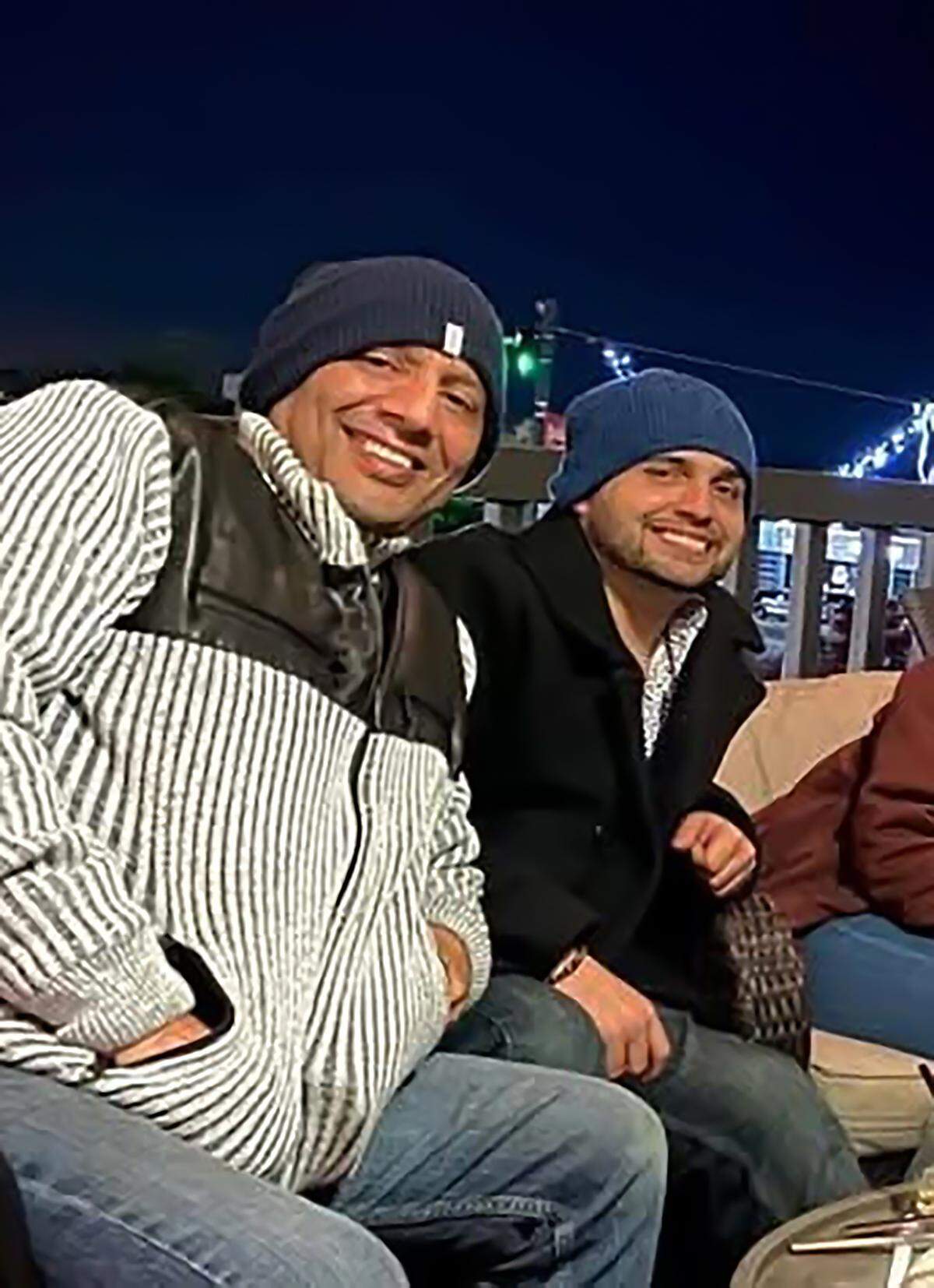
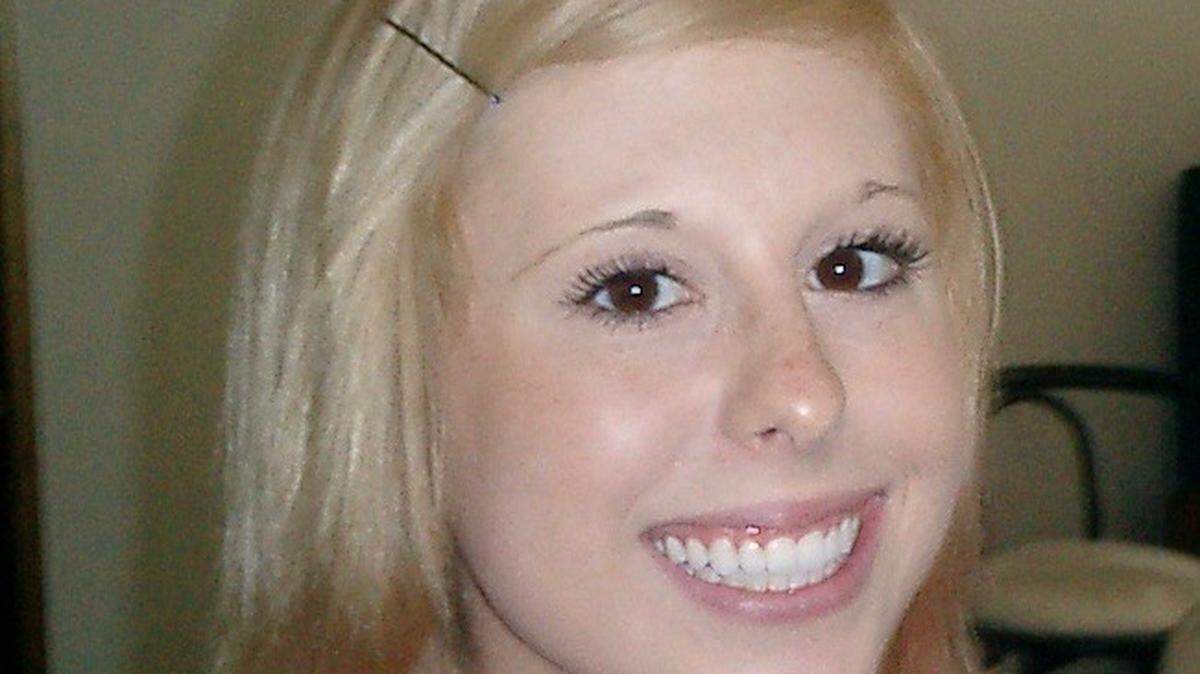
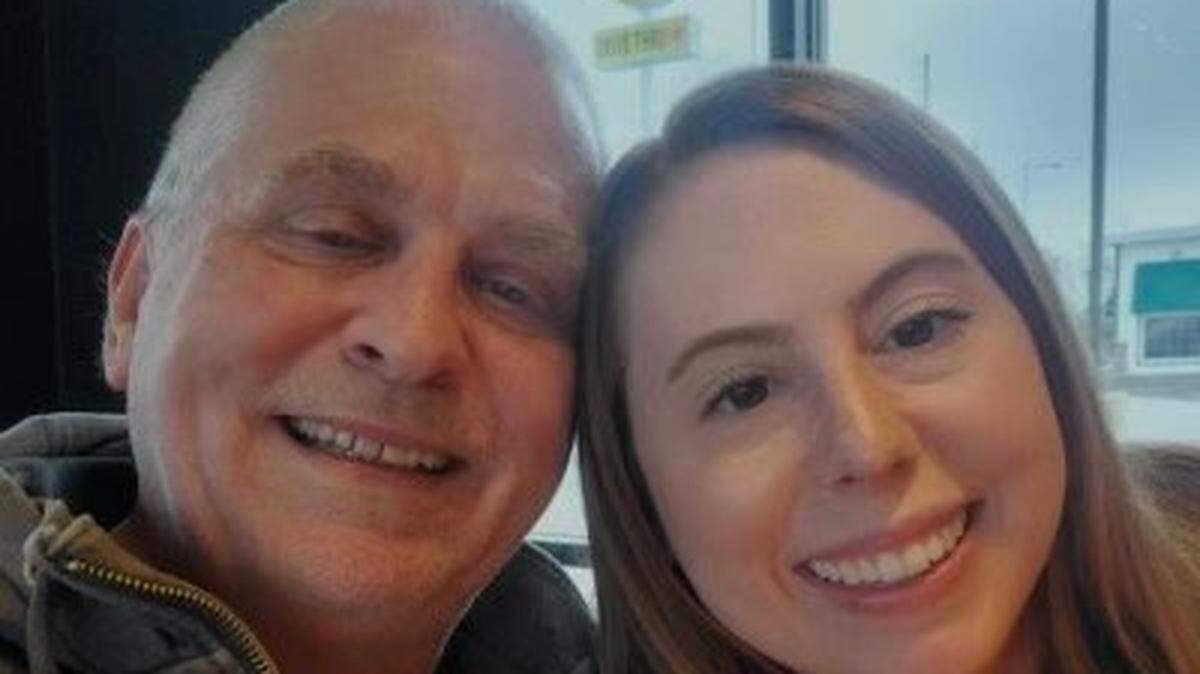
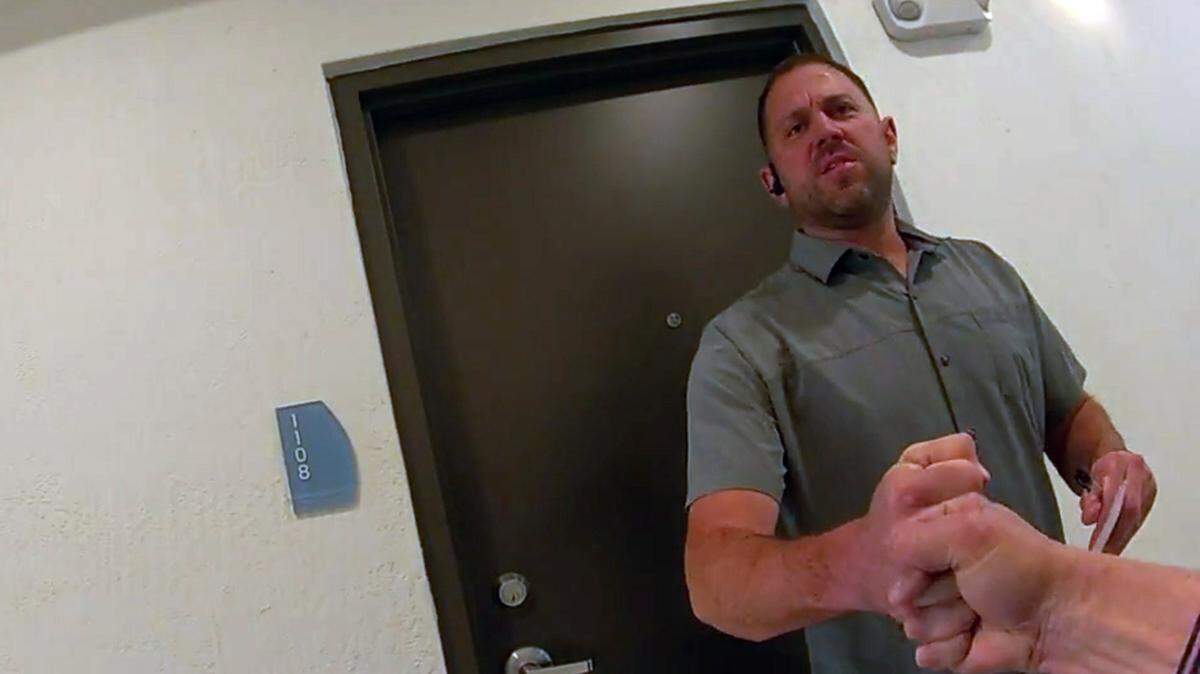
On Feb. 16, Nathan, 43, stormed into the ordinarily quiet Plum Bay community in Tamarac during the predawn hours and shot and killed Mary Gingles, 34, her father David Ponzer, 64, and neighbor Andrew Ferrin, 36, whose home Mary sought refuge after Nathan stalked her, BSO deputies say.
The Gingles’ 4-year-old daughter Seraphine witnessed the murders, according to court documents. An Amber Alert was launched in the immediate aftermath of the rampage. BSO deputies found Nathan and Seraphine at a North Lauderdale Walmart that afternoon, where Nathan was arrested. Seraphine is now in state custody.
READ MORE: Terrorized by her husband, she warned police he would kill her. They failed to stop him
In the months before she was killed, Mary repeatedly warned Broward Sheriff’s Office deputies about her husband’s increasingly unhinged behavior. In a court filing, she said Nathan “has already taken steps to prepare to murder me, but is waiting for the opportune time.”
Nathan has pleaded not guilty to the three murder charges, as well as kidnapping and child abuse. He would face the death penalty, if convicted.
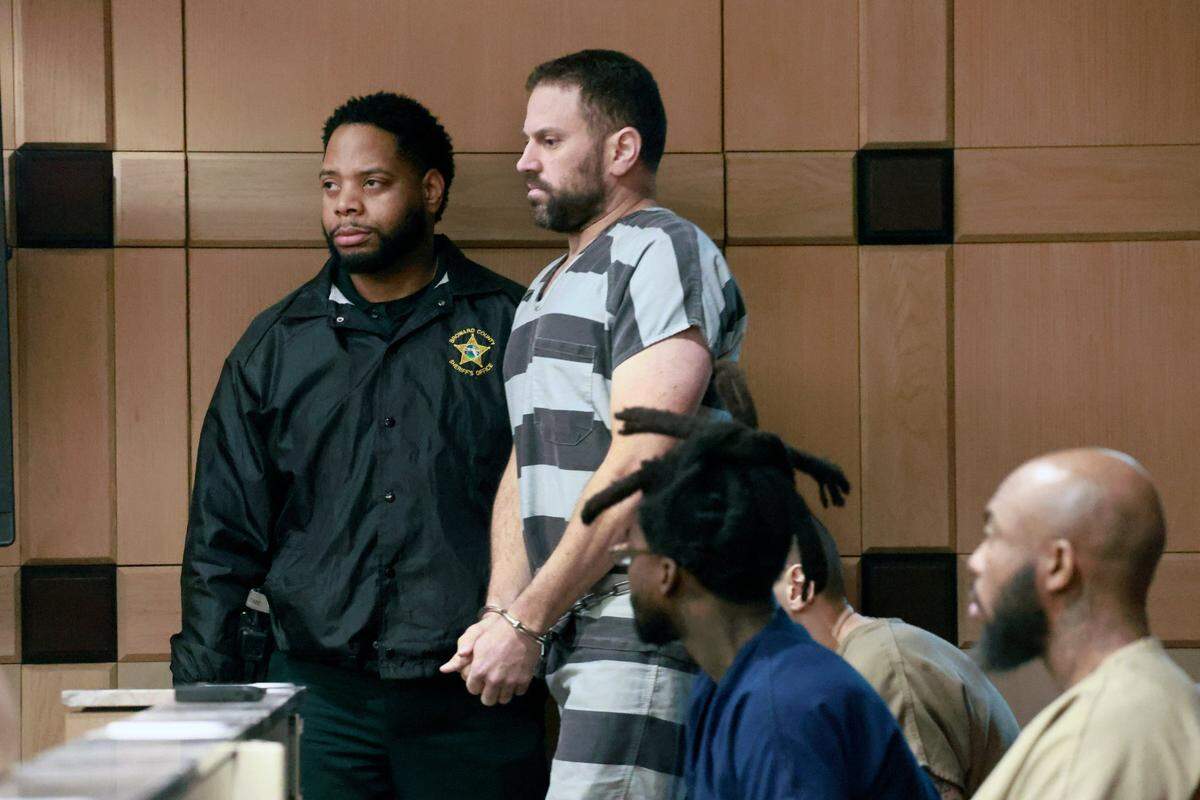
Nathan’s attorneys sought to close all pretrial proceedings, arguing that the case has been “the subject of highly prejudicial publicity and media attention,” according to the order. Potential jurors, they argued, would be tainted with “inflammatory, irrelevant, and prejudicial information” that surfaces during evidentiary hearings.
In a hearing in August, Nathan’s attorney Kaitlin Gonzalez warned that releasing sensitive information could spread misinformation and confuse potential jurors.
Gonzalez, before the judge, displayed 95 news articles about the Gingles case, particularly pointing out an article published on the TAPintoCoral Springs website, titled: “”Bye, Bye:” Little Girl Tells Deputies Harrowing Story of Father’s Killing Spree in Tamarac on Sunday.” Seraphine’s account of the murders was detailed in Nathan’s arrest affidavit, which is a public record.

“Today, we have a greater risk that misinformation is going to get out there,” Gonzalez said. “We have social media. We have the internet. We have the Twitter X platform — [these mediums] reach wider audiences at lightning speeds.”
Broward, however, has been no stranger to high-profile cases that amassed national and international attention.
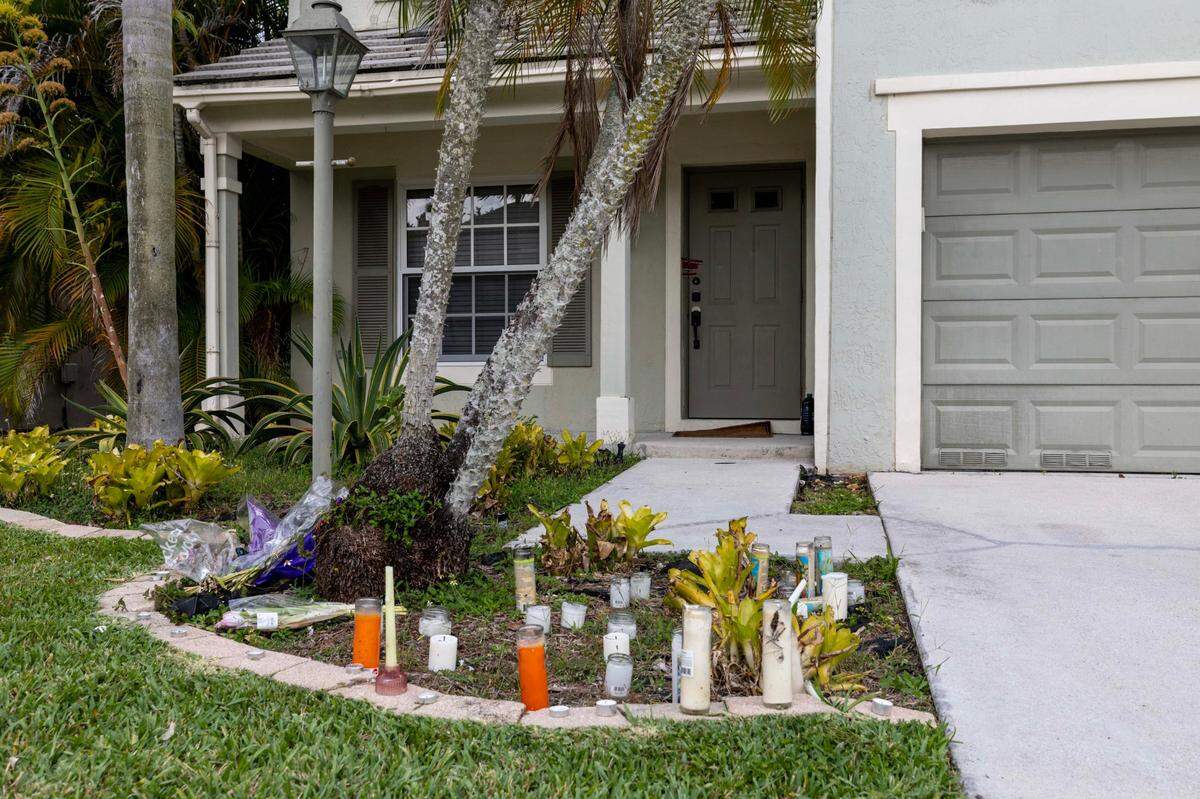
At the hearing, Daniela Abratt Cohen, the attorney for the South Florida Sun Sentinel, pointed to the Parkland school shooter’s death penalty trial as precedent against sealing off the courtroom and imposing a gag order. Seventeen students and faculty members were killed in the 2018 Valentine’s Day rampage at Marjory Stoneman Douglas High School.
“In the Nikolas Cruz case, ... the court denied a closure motion despite the national — even global — media attention that that case garnered, and that was because the defendant there failed to show that the jury pool was so irreverently tainted that he simply could not have a fair trial in Broward County,” Abratt Cohen said.
BSO deputies fired in case
Since the murders, eight BSO deputies have been fired — including a captain previously dismissed in May — for their bungled response to 911 calls on the morning of the slayings. Broward Sheriff Gregory Tony also castigated the deputies for mishandling the 14 calls Mary made to BSO in the year leading up to her death.
The Herald’s review of almost 300 pages in the BSO investigation of the deputies’ actions detailed catastrophic failures in responding to the early Sunday morning murders. The key findings: The sergeant in charge waffled. Deputies stood by idly. A fellow officer slammed them for not rushing in. A “lackadaisical” attitude permeated BSO’s Tamarac bureau.
The union for the deputies is fighting the firings, saying there has been a “rush to prejudge these deputies.”
READ MORE: No rush to scene after 911 calls. Lax BSO response detailed in Tamarac triple murders
The deputies’ response stood in stark contrast to the panicked phone calls from neighbors who reported hearing gunshots on their quiet street, the Internal Affairs investigative reports show. Had deputies rushed to the scene in the minutes after the first 911 call, Mary and Ferrin may be alive today, according to policing experts.
“We had every opportunity to save that woman’s life,” Tony said.
Miami Herald staff writer Milena Malaver contributed to this report


.jpg)