Accused Tamarac shooter told cops he didn’t have guns. BSO failed to confirm under red flag law
READ MORE
Amber Alert unravels triple murder in Tamarac
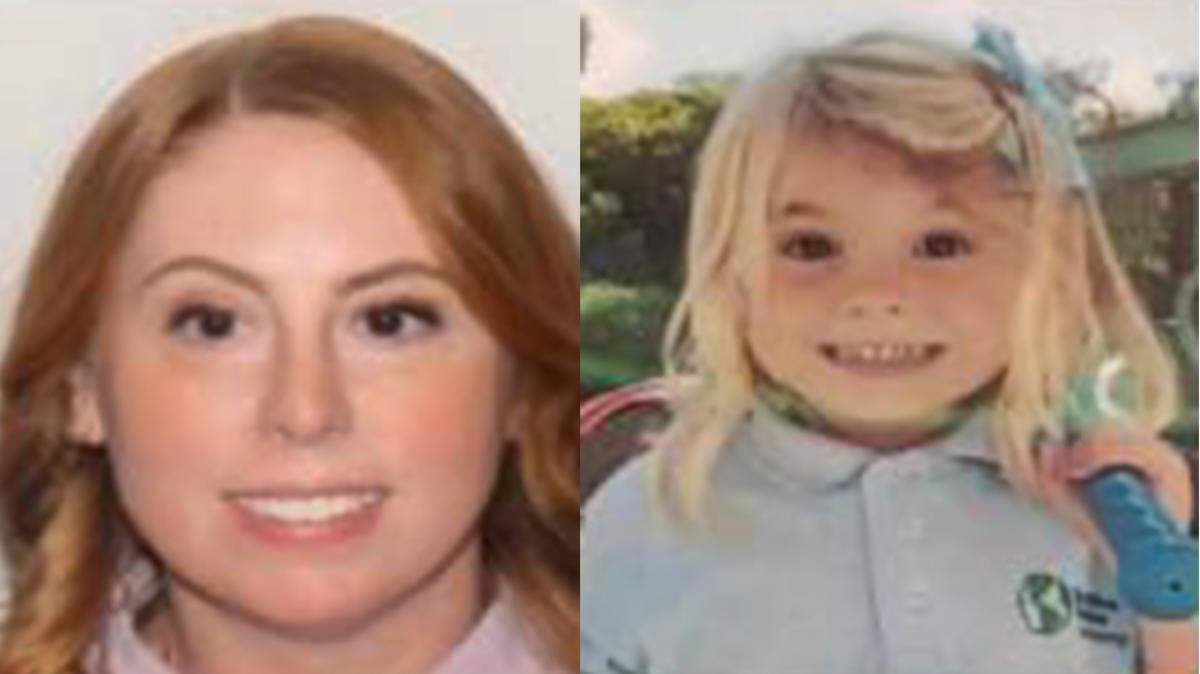
Nathan Alan Gingles is accused of abducting his 4-year-daughter and killing her mother, grandfather and a neighbor in Tamarac.
Expand All
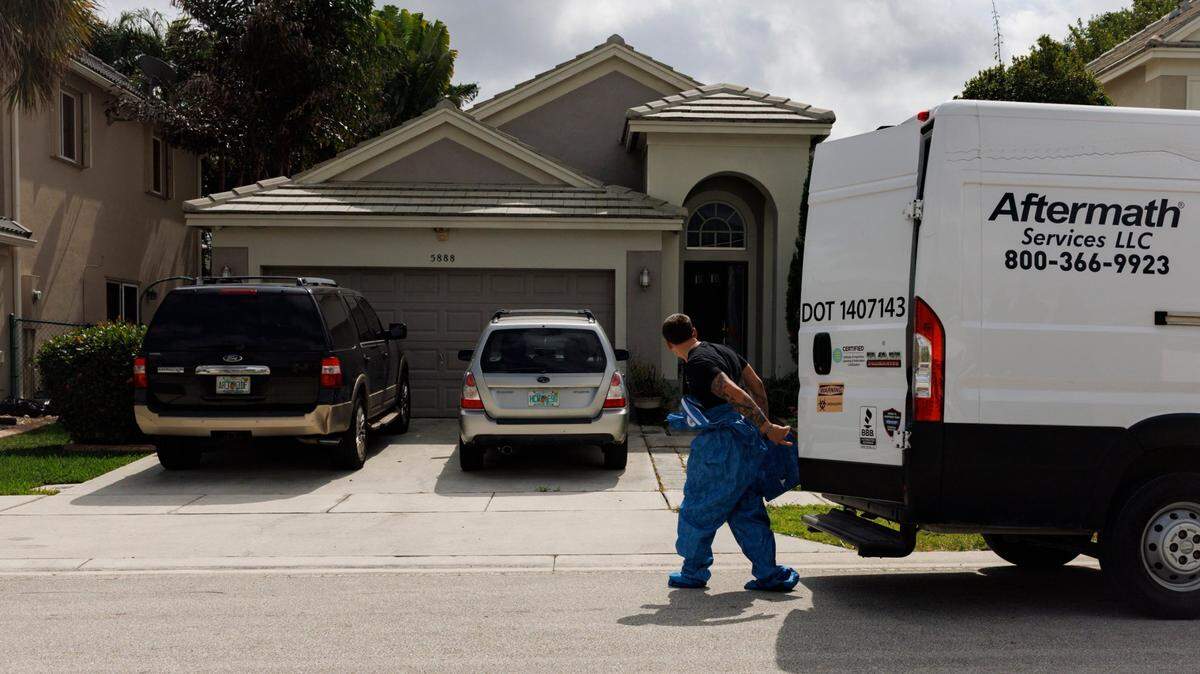
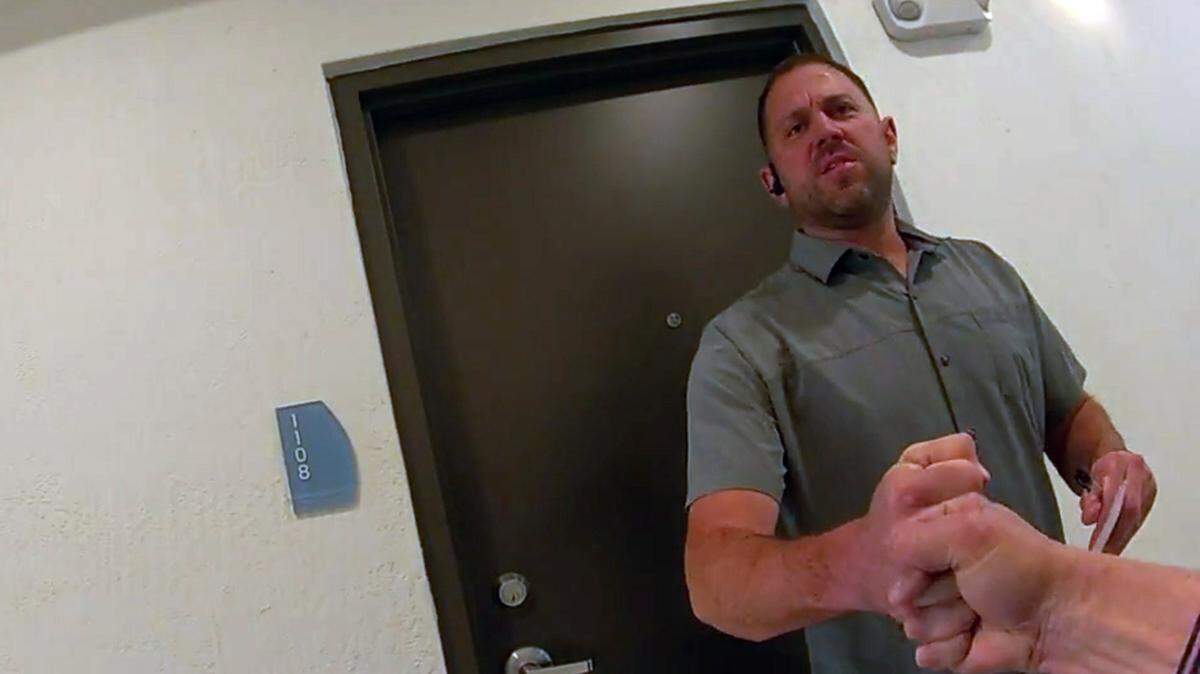
When a Broward Sheriff’s Office deputy served the man accused of a murder spree in a quiet Tamarac neighborhood with a Dec. 30 court order seeking that he surrender his weapons, the Army vet told him he didn’t have any weapons and the deputy left, a law enforcement source told the Miami Herald.
Yet in September BSO had returned Nathan Gingles’ weapons after seizing them in February due to a domestic violence restraining order against him. Among the weapons returned: a dozen firearms, six gun silencers, 660 rounds of ammunition and the Sig Sauer P320 semiautomatic handgun and silencer that police believe were used in the Feb. 16 shootings, court records show.
Nor did BSO seek a judge’s order to temporarily seize Gingles’ weapons after the deputy went to his apartment in January. BSO could have done so under Florida’s red flag law, enacted after the 2018 Marjory Stoneman Douglas High mass shooting in Broward. Under the law, a law enforcement agency can get a risk protection order from a judge to confiscate weapons if a person is deemed a danger to himself or others.
Sallie James, a Broward circuit court spokesperson, said BSO didn’t file a petition seeking such an order, based on a search of internal court records.
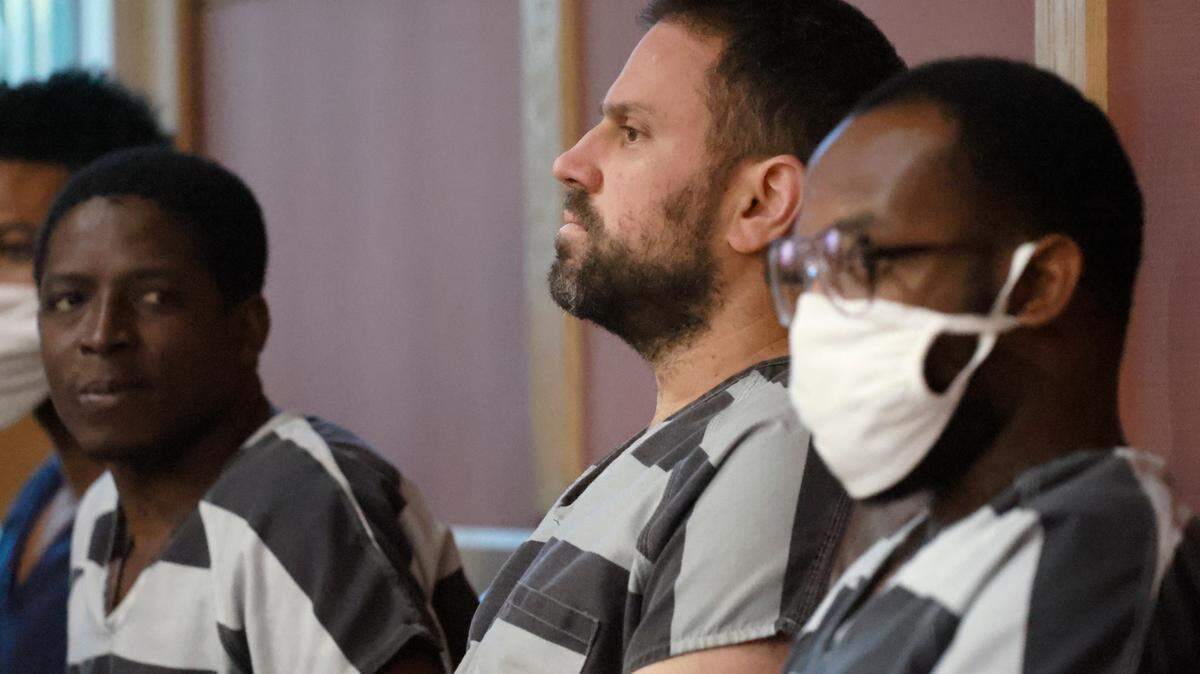
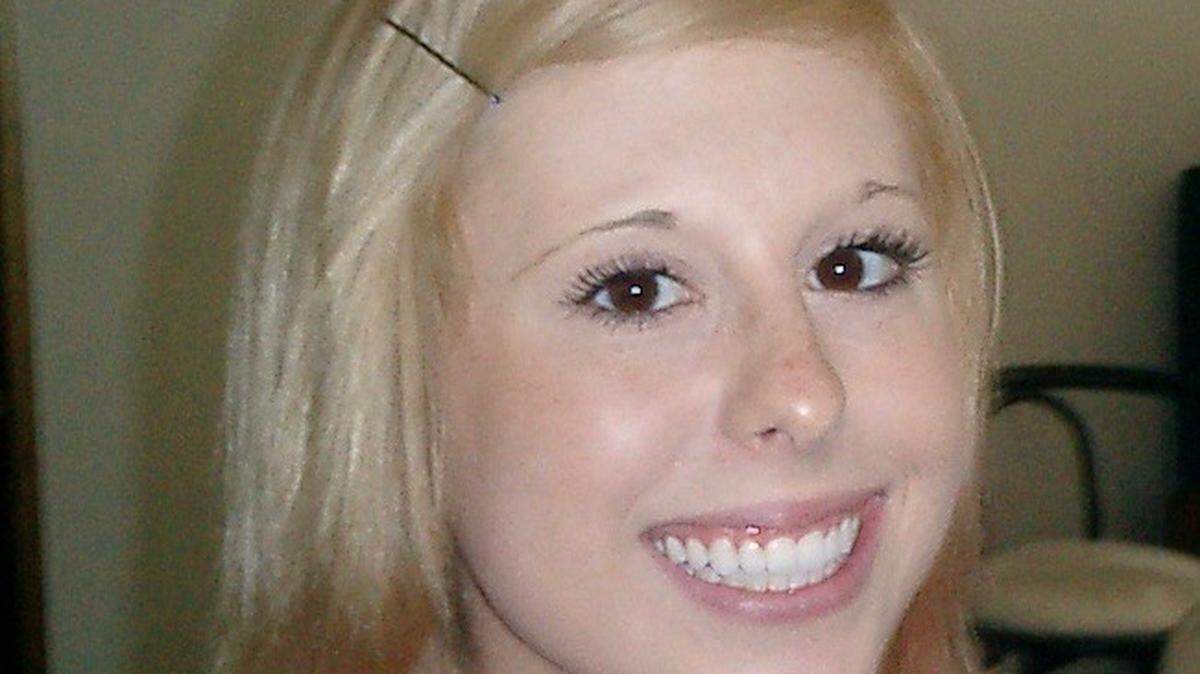
Nathan Gingles, 43, charged in the shooting deaths of his wife, her father and a neighbor, met key provisions of the law: Making violent threats to his estranged wife, Mary Catherine Gingles, 34; having two domestic violence restraining orders filed against him; and abusing controlled substances, according to court records.
.jpg "IMG_0549 (1).jpg")
In the year before she was killed, Mary had called BSO 14 times regarding Nathan’s threats and increasingly erratic behavior, according to a log of BSO calls that the Herald reviewed. Fourof the calls were made in December and one in January.
Failure to seize his guns under red-flag law
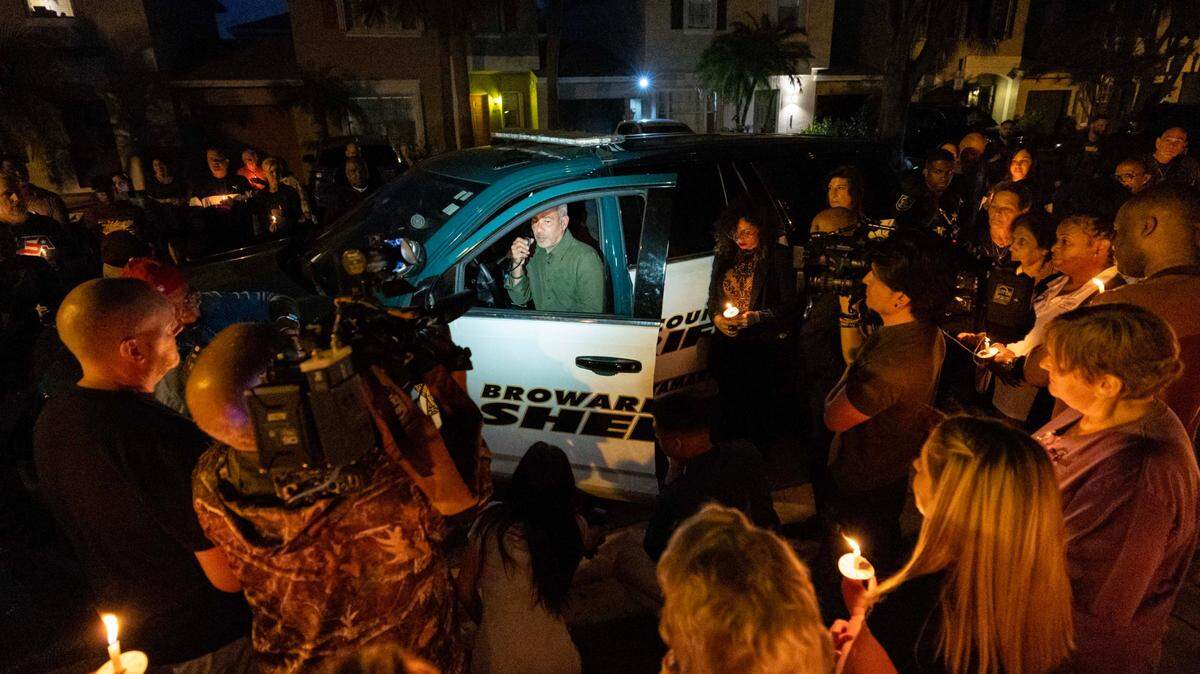
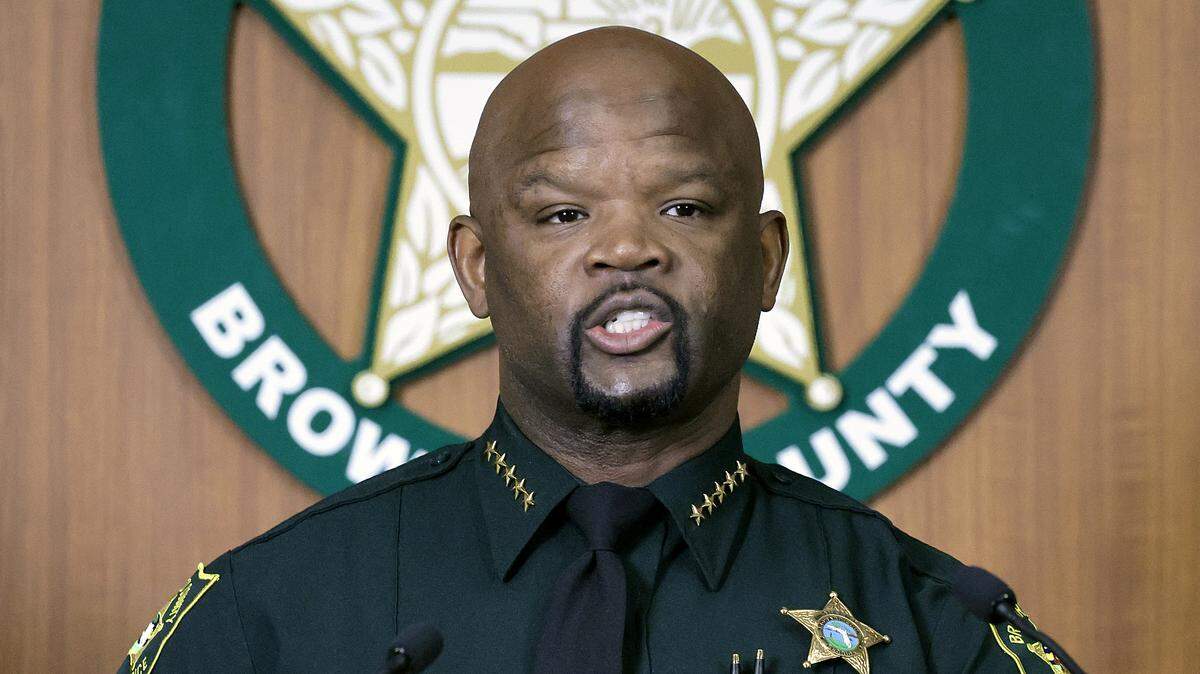
Broward Sheriff Gregory Tony, who suspended eight deputies and demoted a top officer after the shootings, alluded to BSO’S failures at a press conference following the killings:
“When we do our risk protection orders, we’re following these things, the courts are also involved in that process, right? So the biggest thing I look at is, ‘Did we follow all the procedural elements to submit this one in a timely manner?’ ... I don’t see that happening,” he said.
Alex Piquero, a criminology professor at the University of Miami, highlighted the gravity of not seizing Gingles’ weapons under Florida’s red flag law.
“If that’s the case, then they’ll never make that mistake again,” he said. “They need to take a deep dive into what went wrong and change the protocol going forward. And hopefully other departments can learn from it. This is an outcome that in theory could have been prevented.”
The Herald’s review of BSO policies found that deputies could have obtained a risk protection order because Nathan was the subject of a domestic violence injunction and had previously violated court orders to not have harmful contact with his estranged wife.
Nathan, according to BSO’s policies, also could have been arrested if deputies had determined he violated the temporary restraining order that a Broward judge signed off on Dec. 30.
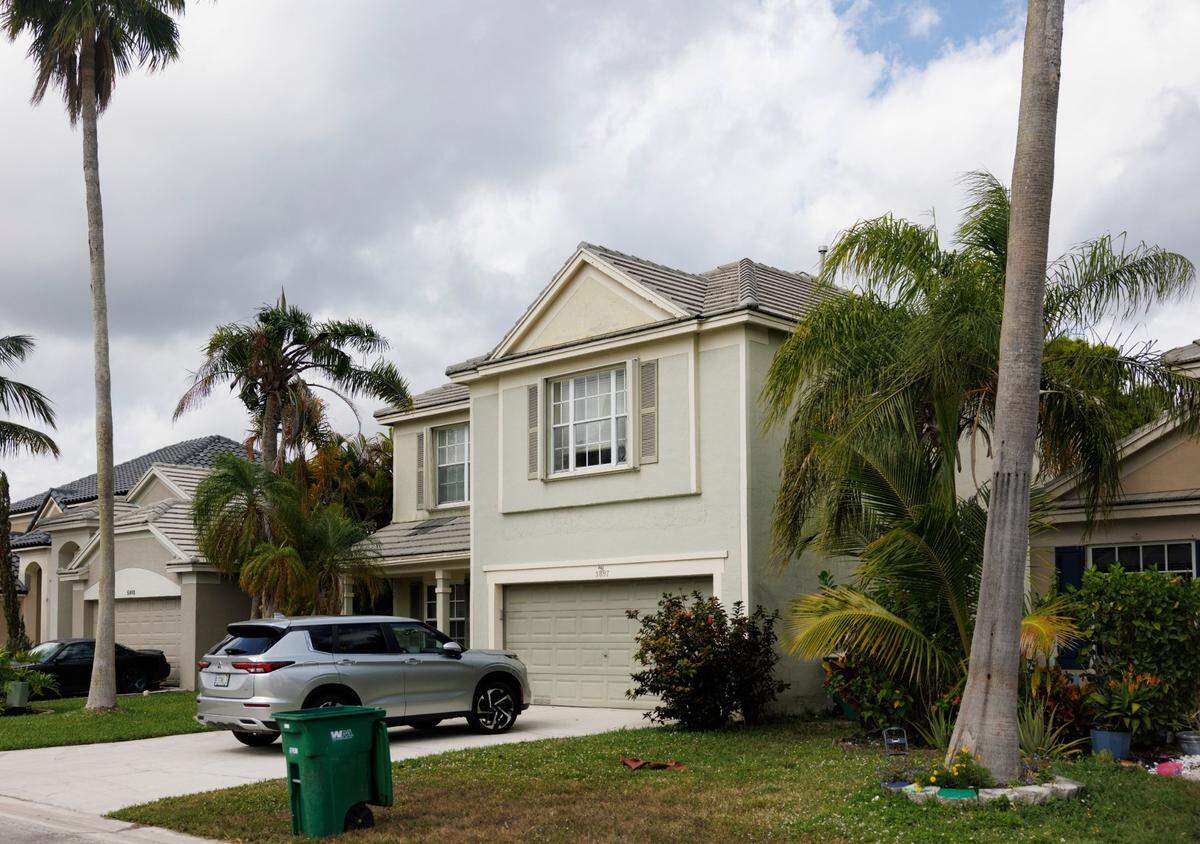
Civil Deputy Joseph Sasso, who on Jan. 5 served the restraining order and the order for Nathan to surrender his weapons, relayed the information to other BSO deputies after going to Nathan’s apartment, two miles from Mary’s home in the Plum Bay community, according to the source. The deputies, who were aware of Mary’s troubles with Nathan, never followed up on the weapons. Sasso is one of the officers Tony suspended with pay.
READ MORE: 10 days before she was murdered, Mary Gingles detailed how dangerous her husband was
At the end of December, BSO deputies were called to the home and had 35-minute interview with Mary. After that interview, Tony said deputies had probable cause to arrest Nathan. They didn’t.
Their interview with Mary “was very robust in terms of the threat spectrum that exists, the totality of times that she made of the fear that he was going to kill [her],” Tony said at the news conference.
Several BSO missteps
Deputies’ failure to seize his weapons under the red flag law is one of several missteps by BSO in the triple murders of Mary, her father, David Ponzer, 64, and her neighbor, Andrew Ferrin, 34, whose home she sought refuge in after Nathan stalked and Tasered her, according to BSO records.
Other missteps include:
▪ A deputy not calling Mary back or answering her emails. In Mary’s December domestic violence petition, she wrote that she contacted BSO when she discovered that her husband had placed a tracker on her car. She tried to schedule a meeting with Deputy Raul Ortiz, who didn’t return her call or answer a follow-up email she sent to him. He is one of the deputies who has been placed on administrative leave with pay.
▪ Deputies not arresting Nathan when, according to Tony, they had probable cause to do so. Mary had reported that Nathan broke into her home through the upstairs window, left a backpack containing duct tape and plastic restraints, among other items, placed a tracker on her car and tampered with her surveillance camera.
Mary began documenting Nathan’s threats and her fears that he would kill her starting in February 2024, when she sought a divorce and a restraining order against Nathan. A judge granted her the restraining order on Feb. 9, 2024, and Nathan’s weapons were seized that day by BSO.
READ MORE: Broward triple murder suspect had more than 600 rounds of ammunition, weapon arsenal: BSO
BSO returned his weapons in September after the restraining order was negated by a “no-contact order” Mary and Nathan had negotiated as part of a custody arrangement with their 4-year-old daughter, Seraphine. The girl witnessed the murders and was found later that day with her father at a Walmart in North Lauderdale, where Nathan was arrested. Seraphine is in state custody.
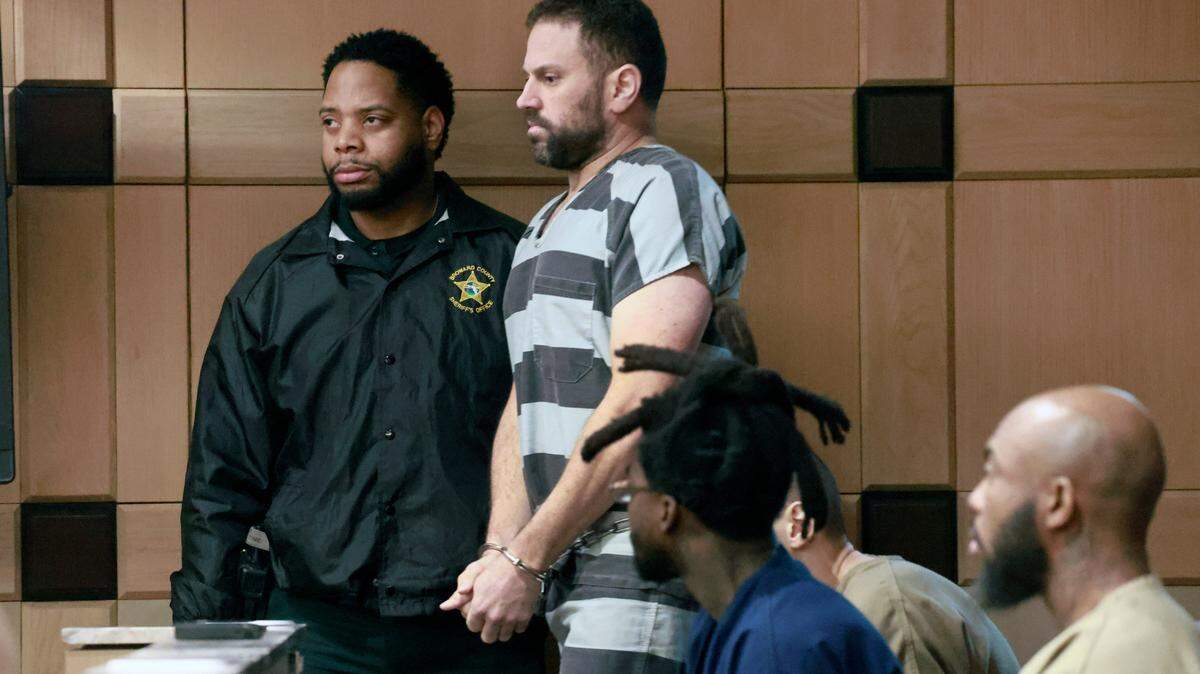
Nathan has pleaded not guilty to charges including first-degree murder, kidnapping and child abuse.
‘I am afraid Nathan will kill me’
Mary accused Nathan of stealing her car key, health records, her and her daughter’s passports and the only copy of their daughter’s birth certificate. She also stated in several documents that Nathan, an Army veteran who worked at the U.S. Southern Command in Doral as a contractor making $140,000 a year, would not let her work since she left the Army in 2020. Both Mary and Nathan were captains in the Army — he was discharged in 2019.
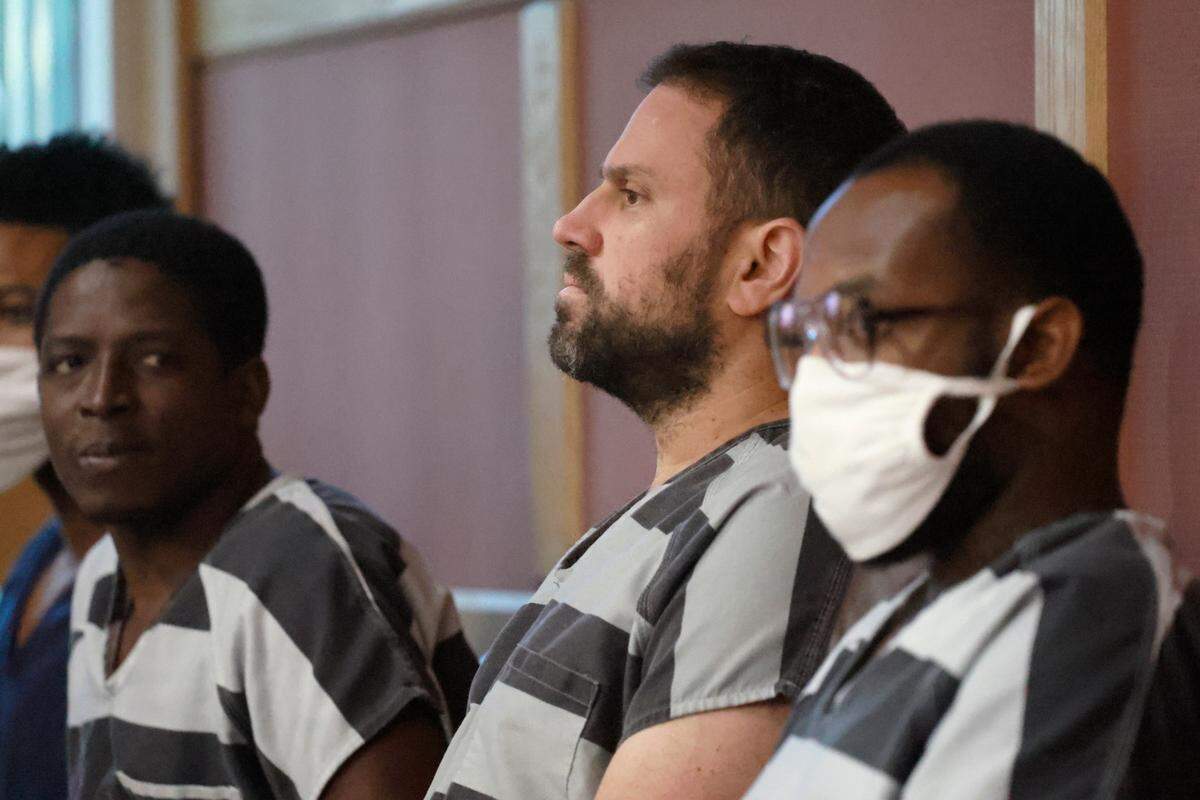
“Because of Nathan’s psychotic behavior, his multiple threats, his drug use, his multiple/many silenced firearms, and my impending divorce action, I am afraid Nathan will kill me and my daughter,” Mary wrote of her estranged husband in her February 2024 divorce filing.
Deputies were aware of the situation, having been called to Mary’s house more than a dozen times between 2024 and the day of the triple murder.
“An injunction is a piece of paper,” said Evan Marks, a Miami family law attorney of three decades. “And a piece of paper does not stop bullets.”
This story was originally published March 10, 2025 at 5:52 PM.

.jpg)