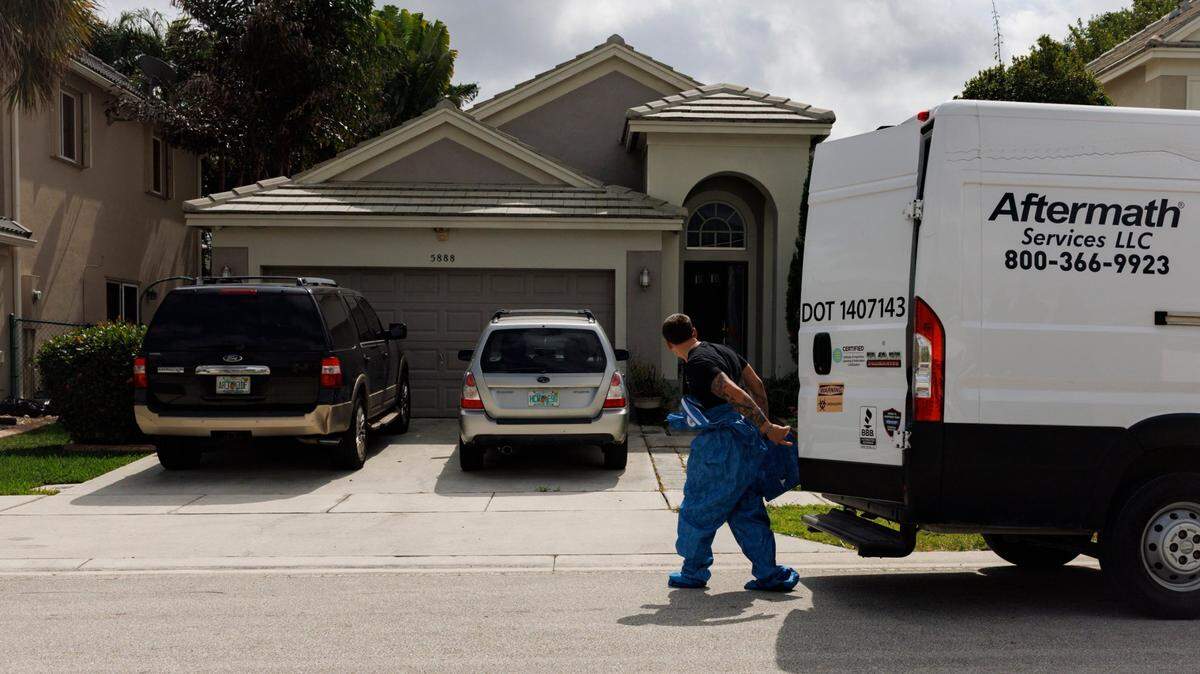
Terrorized by her husband, she warned police he would kill her. They failed to stop him
READ MORE
Amber Alert unravels triple murder in Tamarac
Nathan Alan Gingles is accused of abducting his 4-year-daughter and killing her mother, grandfather and a neighbor in Tamarac.
Expand All
In the year leading up to her murder, Mary Gingles confided in friends, relatives and the police her fear that she was destined to be killed by her estranged husband. She lived in terror, convinced he would carry out a longstanding threat.
“If you ever try to leave me, I’ll kill you,” Nathan Gingles told her throughout her tormented marriage to him.
Nathan told their 4-year-old daughter Seraphine that he planned to kill Mary.
“Daddy is trying to make you die,” she said to her mother after a visit with her father.
Nathan made preparations to torture and kill Mary after she filed for divorce, even stashing what her friends called “Dexter’s murder kit” containing duct tape, zip ties and a note with the word ‘waterboarding’ written on it in the garage of the family’s Tamarac house. Nathan was prohibited from going anywhere near the house by restraining orders, yet during the months they were separated he came by whenever he wanted – stealing memory cards from her security cameras, placing a tracker on her car, erecting a ladder to climb in through a second-floor window.
As Mary grew more frightened, she seemed to stave off panic with a grim sense of resignation, her friends said, predicting she’d be dead by the time her lease expired at the end of February.
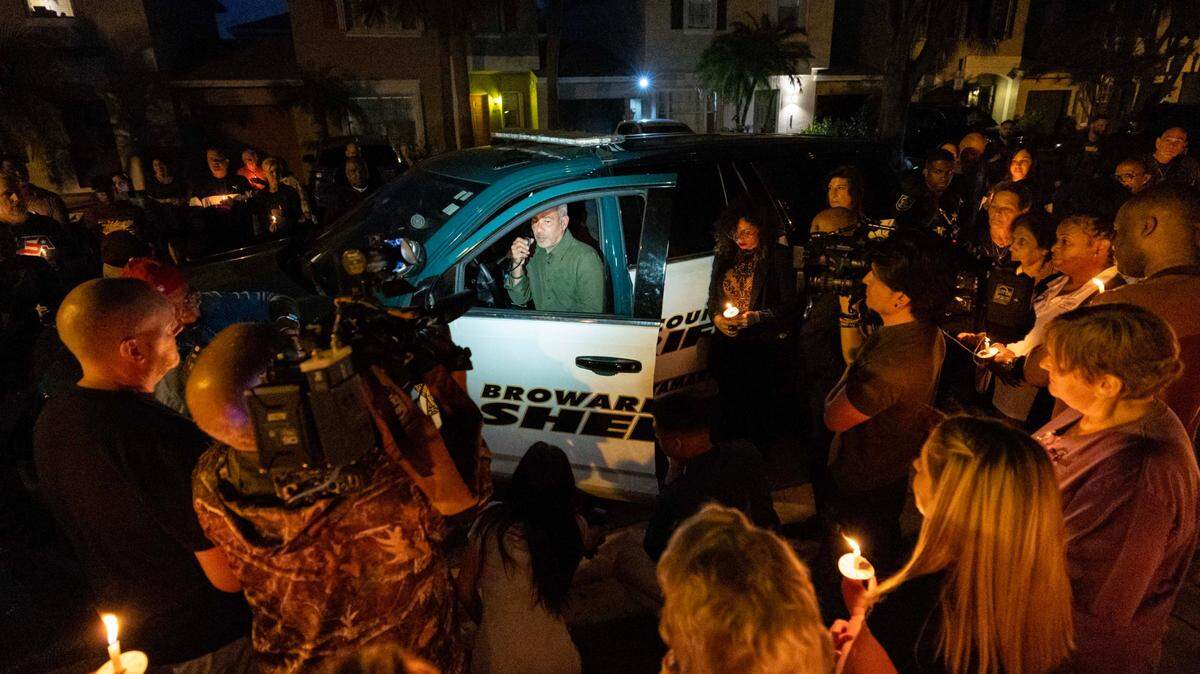
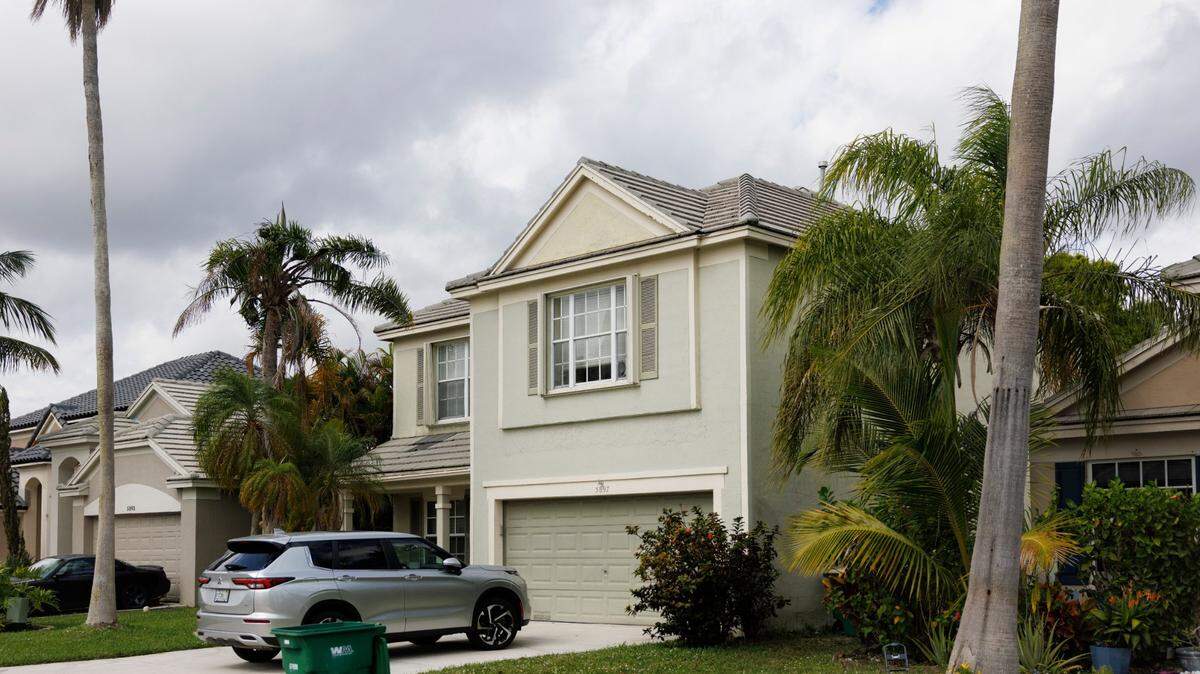
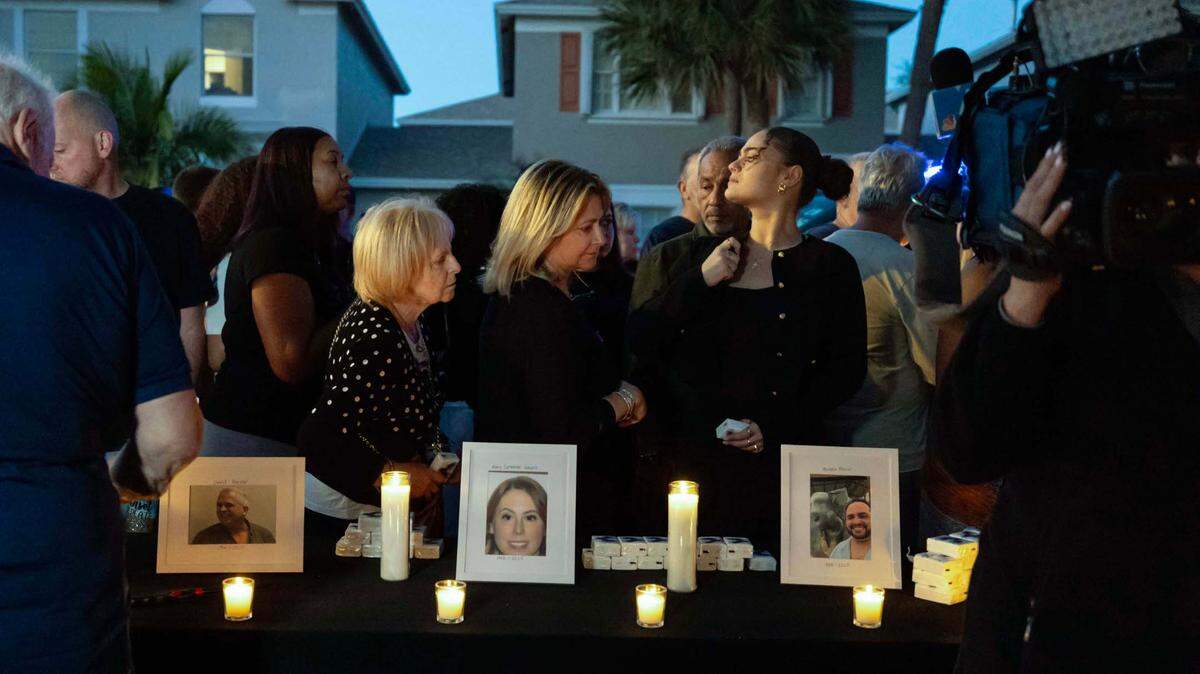
On Sunday, Feb. 16, at 6:30 a.m., Nathan showed up at 5987 N. Plum Bay Parkway for the last time, first shooting Mary’s 64-year-old father to death as he drank coffee on the back patio, then chasing Mary down the street, and shooting Mary and a 36-year-old neighbor to death inside the neighbor’s house, deputies say.
Seraphine, barefoot, ran to keep up with her father, crying, “Daddy, please don’t.” She followed him as he shot her mother “100 times,” she told deputies.

Nathan, now in jail and facing a death penalty if convicted, has pleaded not guiltyto the three murders. Seraphine is in foster care while relatives from both sides of the family seek custody.
The little girl is expected to be the key eyewitness. The question she will be haunted by when she is old enough to understand is, why? Why wasn’t her mother’s murder prevented? Why wasn’t her father stopped?
Why, despite Mary’s 14 callsto the Broward Sheriff’s Office in the last year of her life and her meticulous reports, didn’t BSO deputies arrest Nathan? Why didn’t detectives return all of Mary’s emails and phone calls, including one in January in which she told the operator about Nathan breaking into the house, adding, “I’m at a loss – it’s obvious the current court order isn’t doing anything” while Seraphine can be heard saying “Mommy” in the background?
Why was Nathan allowed to keep an arsenal of guns and six silencers that cops knew he owned? Why didn’t deputies seek a Risk Protection Order and get a warrant to confiscate Nathan’s weapons under a law that was passed specifically for that purpose in the wake of the Marjory Stoneman Douglas High School mass shooting in Parkland?
“It is clear … we fell short on this one,” said Broward Sheriff Gregory Tony, who placed eight deputies on paid administrative leave and demoted a captain in the Tamarac bureau as punishment for their mistakes.

Six weeks before the triple murder, BSO deputies had probable cause to arrest Nathan after a 35-minute interview with Mary that was “very robust in terms of the threat spectrum that exists, the totality of times that she made of the fear that he was going to kill [her],” Tony acknowledged at a news conference.
“There was enough here …. so we can arrest him and take him off the street, but we know that didn’t happen.”
To find out what happened in the Gingles case, the Herald examined voluminous court records, police reports, logs and audio files of Mary’s calls to BSO and interviewed Mary’s friends and neighbors. Sheriff Tony declined to be interviewed.
How the system fails battered women
Versions of the Gingles’ tragedy occur every day in the United States, said Kit Gruelle, a court advocate based in North Carolina who has worked with battered women for 38 years. Too often women are not taken seriously and restraining orders are not enforced, leaving “intensely predatory” abusers free, she said.
“The criminal justice system regards most of these as nuisance cases with hysterical people making wild accusations,” Gruelle said. “But if we listen to women and their insights, they are telling us over and over again, ‘He is going to kill me and this is precisely how he will do it.’
“Domestic violence homicides should be preventable because they follow a reliable trajectory.”
Restraining orders don’t work if violators suffer no consequences, Gruelle said.
“A restraining order is like waving a red flag in front of a bull for a man who has to keep the victim under his thumb,” she said. “When women leave, the chance they’ll be murdered increases 75 percent because the estranged partner believes if he can’t possess her, nobody will.
“Police are trained and try to do their best, but it’s not working and women are living in abject fear,” she said. “We’ve got to put abusers in custody, put a monitor on them, get their guns because they are very determined to end their partner’s life.”
‘What else would he need silencers for?’
Mary was first granted a domestic violence restraining order on Feb. 9, 2024, a year before she was murdered. Broward Judge Lauren Alperstein also ordered Nathan to surrender his weapons.
Mary described Nathan in court records as “heavily armed” and believed he intended to kill her, “as what else would he need silencers for?” Deputies seized Nathan’s 12 firearms, including semiautomatic shotguns, rifles and handguns, six suppressors and 660 rounds of ammunition.
That day, Mary, 34, took the first step in her plan to escape from Nathan, 43, who she said had been abusive and controlling since they married in 2018 when both were U.S. Army officers. In the last couple years, he had become “psychotic,” she said, compulsively shopping online for spyware and survivalist gear, racking up $10,000-$20,000 monthly credit card bills, staying awake all night consuming crushed Adderall, ranting about moving to the desert, living off the grid and home-schooling Seraphine.
Mary said Nathan’s erratic behavior unnerved her and Seraphine. Once, when she was bathing Seraphine, he snuck up and taunted them on how easy it would have been to kill them, like “shooting fish in a barrel.”
A year before her murder, Mary filed for divorce, knowing full well she would have to withstand Nathan’s rage.
In her petition, Mary told the judge Nathan forbade her from getting a job or a car and kept her and Seraphine isolated. Mary’s divorce filing said she could not “leave the home except to go to a park near the home, and can never get in a car with another Mother, or go to a mall, etc. Without the husband.’’
Nathan called Seraphine “a dumb baby and shows little interest in her but uses her to keep [Mary] in line, stating he will make her look crazy and make sure she loses the child if she ever leaves him,” Mary said in the filing.
Finally, Mary told the judge, she feared Nathan “will kill her or disappear with the child, or worse.”

“Mary always joked that one day I was going to be on a Lifetime documentary talking about her murder,” said Zahra, Mary’s close friend who asked not to be identified by her real name due to safety concerns. In Nathan’s suspected murder supplies backpack was a notebook that had a list of names. Zahra’s was on it.
Nathan, an Army captain when he was discharged in 2019, moved his family to Tamarac in 2022. He worked for military contractor General Dynamics at the Southern Command in Doral. He earned more than $160,000 a year as anIT specialist, plus $4,000 per month in VA benefits.
Mary, discharged as a captain in 2020 while they were based in Germany, where Seraphine was born, was not allowed to get a job or have a car.
Nathan was prone to violent outbursts even before they got married. In October 2017, while they were in Alaska, Nathan pushed Mary out of a car and took her cell phone, Zahra said. Anchorage police confirmed they spoke with Mary and Nathan, but no report about the incident is available.
When Seraphine was a baby and they were living in Germany, Nathan slapped Mary after she, exhausted from a restless night with Seraphine, told him to make his own coffee. Mary later told Zahra she wanted to leave Nathan right then, but he had taken her and Seraphine’s passports.
Mary and Nathan met in 2016 when Mary was 26 and Nathan was 35, while serving in the U.S. Army Signal Corps, which manages military communications systems. They lived in Texas, North Carolina and Germany before moving to Tamarac. Nathan was deployed to Afghanistan for six months in the 2010s.
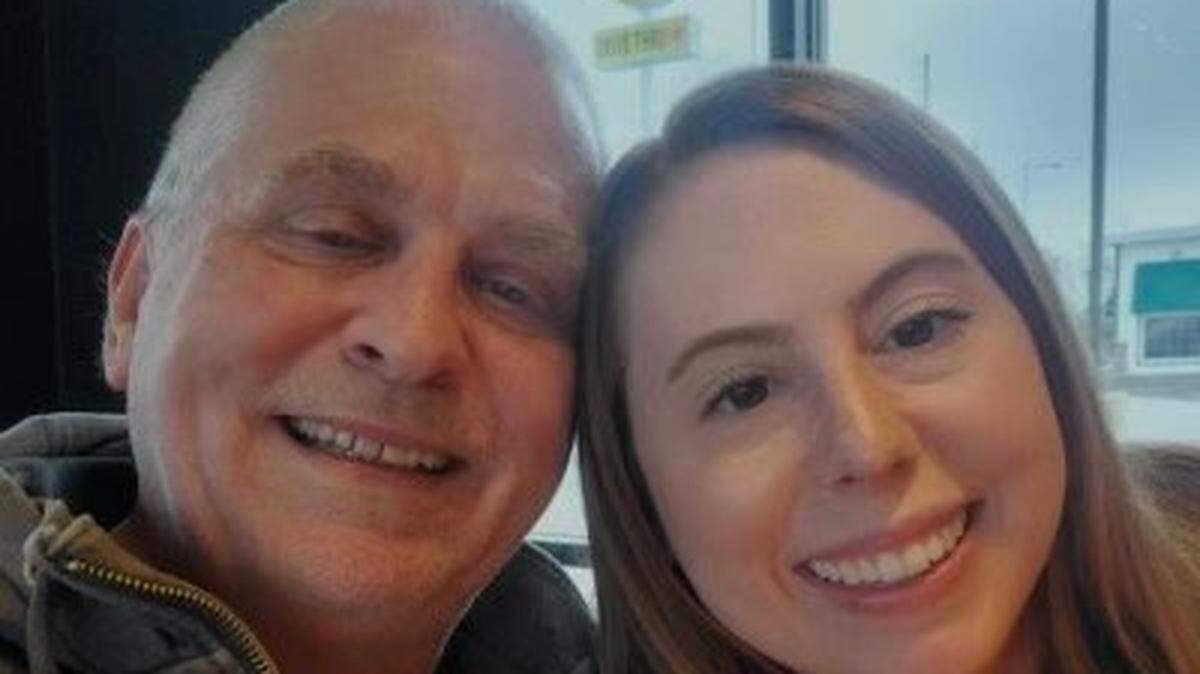
Mary grew up in Rolla, Missouri, with an older sister, raised by their father after their mother died when Mary was about 10. Mary graduated with a degree in engineering from Missouri University of Science and Technology.
Nathan grew up in Aledo, Texas, a town west of Fort Worth where his grandmother founded Aledo Christian School, Nathan’s alma mater. Today, the pre-K-12 school has 53 students and 12 teachers.
At one time, Nathan’s uncle, David Barton, was principal of the school. Barton, 71, testified on Nathan’s behalf in the divorce case. His testimony concerned money that was withdrawn from the couple’s bank account.
Barton, an author and political activist, is founder of WallBuilders, an evangelical organization that argues the Founding Fathers never intended for the separation of church and state to be absolute. An adviser to Ted Cruz, Mike Johnson and Newt Gingrich, he’s been called “King of the Christocrats” by Texas Monthly.
Among projects Barton has funded is the Patriot Academy, which provides “the physical training you need to be able to defend your family” and “intellectual ammunition to defend the Constitution,” according to the academy’s website.
Barton’s daughter Damaris — Nathan’s cousin, who lives in Idaho — is fighting for custody of Seraphine against Mary’s sister. Damaris declined to talk to the Herald about the case or the nature of her relationship with Seraphine.
Neither Mary nor Nathan saw much of their relatives on either side of the family, friends say. However, when Mary visited her sick grandfather in her hometown in December 2023, she and her father began planning how she could leave Nathan.
Mary’s torment
The abuse at home was getting worse. In one court document, Mary recounted when Nathan woke up after an Adderall-fueled all-nighter. She and Seraphine were playing with dinosaur toys when Nathan ran downstairs. He startled Sera, called Mary a “stupid b—-” and sang a song about how he was going to kill her.
One day, Mary broke down at her friend Lily’s house, telling her that Nathan had placed her in a chokehold. (Lily asked not to be identified by her real name due to safety concerns.) In a court filing, Mary detailed how Nathan dragged her up the stairs and shoved her into the linen closet because Seraphine was “crying hysterically.”
Nathan would also call Seraphine a “stupid baby,” jumped out of closets to scare her and once pushed the child off of himself, causing her to hit her head.
“We all walk on eggshells to evade his rage,” Mary said in a court filing.
She felt trapped. Nathan kept her and Seraphine’s passports, birth certificates and Social Security cards locked away.
In February 2024, Mary filed for divorce and got the first restraining order, banning Nathan from the house. He was required to pay her rent and expenses. He moved to an apartment less thantwo miles away.
When Nathan came to the house with BSO deputies to pick up his belongings, he stayed for three hours and took all three computers, everyone’s passports and Seraphine’s birth certificate. When Mary complained, the deputies said Nathan was entitled to “marital property.”
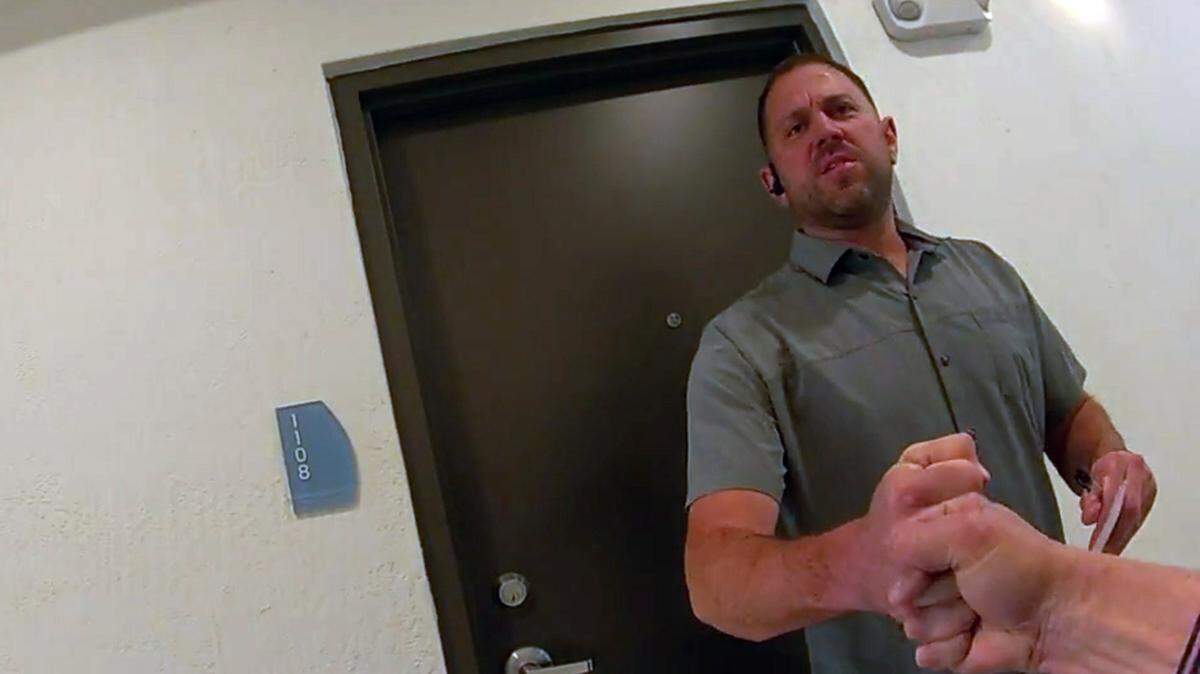
Nathan also used his veteran status to his advantage, Mary noted in a court filing: “Nathan was ex-military and has high security clearance and seemed to be friendly with the officers.”
Mary told her friends Nathan turned on the charm with the deputies and manipulated them to treat her like a “crazy housewife.”
“It’s sad that someone can live in that fear every day and the authorities wouldn’t do anything,” Zahra said. “Throughout the process, she always kept it together.”
Mary’s friends remember her kind, nurturing and patient nature when Seraphine and their children played together in the backyard or at the park. Zahra said Mary slowly opened up about her troubles with Nathan, his paranoia, his temper. She told her friend Lily that Nathan was going on spending sprees and stockpiling items to build a bunker.
“The house was like an episode of ‘Hoarders,’” Zahra said.
Mary gets job, car
Mary was supposed to have “exclusive control” of the house but Nathan persuaded the landlord to kick Mary’s father, David Ponzer, out in the middle of 2024, court records show. Ponzer was visiting from Missouri to protect Mary. The landlord, who declined to comment, also changed the locks at Nathan’s request and gave Nathan a key to the home.
“They knew I had to comply because I could not afford to move out,” Mary said in a filing.
Tensions increased in September, when Mary agreed to a “no harmful contact” order entered by the court that allowed the couple to share custody of Seraphine — one week on, one week off — and allowed Nathan to retrieve the guns BSO had confiscated in February. He was still barred from entering the house.
By this time, Mary had found a part-time IT job paying $26 an hour at a law firm. She also had her own car.
Mary’s friends suspected Nathan felt he was losing control of Mary as she tried to move on with her life. She looked happier and healthier.
But she didn’t trust Nathan with Seraphine. She knew he left Seraphine alone sometimes at his apartment and said cruel things to her. In court documents, Mary said Seraphine acted more aggressively when she came home.
Once, Mary texted Lily to “pray for Sera” when she was staying with Nathan.
“One of the saddest things about this tragedy is that she is not with her daughter anymore,” Lily said. “Mary was so protective.”
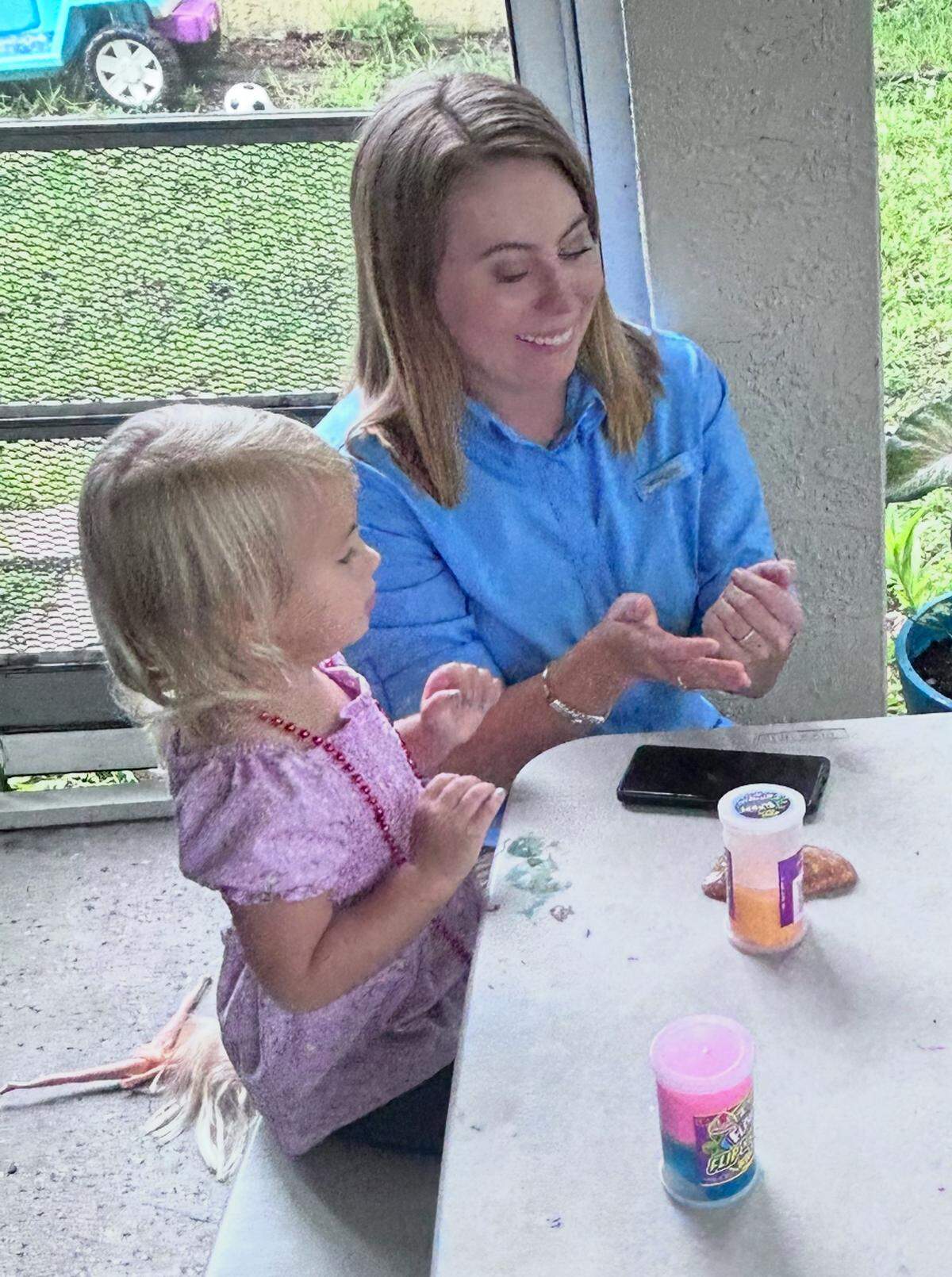
Mary bought a new phone because she suspected Nathan was spying on her, Zahra said. He had hacked her accounts, so Mary warned friends to call or meet her in person instead of texting her. On the day she was in court to get the first restraining order — Feb. 9, 2024 — Nathan withdrew $260,000 from their joint back accounts, leaving her penniless, court records show.
“She always felt watched,” Lily said.
Mary had made a last attempt to flee and start over. She had a high-paying job offer in Central Florida, Zahra said, but Nathan wouldn’t let her relocate during their divorce proceedings.
During the last five months of her life, Mary knew Nathan was hunting her down. That is clear from conversations she had with friends and her communications with BSO.
In October, she discovered a tracker on her car. She found a receipt for the purchase made by Nathan and told BSO deputies about it. She tried to schedule a meeting with Deputy Raul Ortiz, who didn’t return her call or answer a follow-up email she sent to him. Ortiz is one of the deputies who was placed on administrative leave with pay.
A month later, Mary stood in her front yard and asked neighbor Shanita Medina if she wanted the ladder she had found up against the house. Would Medina take it, or hide it in her garage?
Medina was confused. Mary calmly explained that the ladder was Nathan’s and she feared he would use it to break into their second-floor bedroom and kill her.
“She kept up a brave face, but I think she was absolutely terrified,” Medina said. “She hid her feelings behind a facade of ‘I’m strong and I got this.’”
When Mary felt she and Seraphine were in imminent danger, she would stay overnight in a cheap motel, all she could afford. Those stays became more frequent. Lily said she tried to get Mary into a shelter for battered women but there was no room.
The backpack
On Dec. 29, Mary found the black backpack. Her father had seen Nathan, wearing gloves, on the security camera, putting the backpack atop boxes in the garage. Mary called BSO, and deputies responded.
The next morning, Mary returned to court and got a new restraining order. Mary’s father returned to the Tamarac home and bolted a board across the inside of the front door.
“He has already taken steps to prepare to murder me, but is waiting for the opportune time,” Mary said in a filing. “I think it is likely that without a restraining order he will attempt this before the lease is up at the end of February.”
Nathan was ordered to surrender his weapons. But when BSO civil deputy Joseph Sasso went to Nathan’s apartment, Nathan said he didn’t have any weapons. Sasso, who is suspended with pay, left.
Just four months earlier, deputies had inventoried Nathan’s weapons after confiscating them. The arsenal of guns, weapon accessories and ammunition, detailed in a two-page inventory, included the Sig Sauer P320 semiautomatic handgun with silencer that BSO divers fished out of a nearby lake after the triple murder. Deputies believe that was the gun used in the Feb. 16 shootings.
Florida’s red flag law lays out a clear procedure for law enforcement to seize weapons: BSO should have immediately obtained a Risk Protection Order to confiscate Nathan’s guns by telling a judge that Nathan was a danger to himself or others.
BSO did not get that order. Or even request it.
“We did not collect any of those weapons, that I have in front of me right now, in terms of the second injunctions,” Sheriff Tony said at the press conference after the murders. “But this is within this investigation. I want to know why didn’t we do it.”
Mary called BSO again in January, asking if deputies would pursue a breaking and entering charge against Nathan. BSO did not.
“Mary literally did everything that could have been done to protect herself,” said Sara Singer, a Fort Lauderdale family law attorney not associated with the case.
Screaming for help
Most people in the Plum Bay neighborhood were asleep before dawn on Sunday, Feb. 16.
Nathan, dressed in black, came in through the back of the olive-colored house he had once shared with his wife and daughter, past Seraphine’s jungle gym. First he shot Mary’s father, who was sitting outside on the patio, sipping coffee. Nathan shot “a long black gun” and said “bye bye,” according to Seraphine, who watched her grandfather die.
Mary ran out the front door and she and Nathan momentarily fought on the ground, Seraphine told deputies. Mary then ran across the street, screaming for help and banging on the doors of neighbors’ houses before she came to 36-year-old Andrew Ferrin’s door, which he had left unlocked.
Nathan was close behind, striding methodically, and Seraphine trailed him in her bare feet, struggling to keep up, surveillance camera footage showed.
Mary entered a bedroom, where Ferrin was in bed, before Nathan cornered her and shot them both. Seraphine told deputies she saw her father shoot her mother “a hundred times.”
Mary’s body was found under a window. Ferrin’s body was found under a blanket.

Mary had serious injuries to her face and two taser prongs under her right shoulder blade, according to Nathan’s arrest affidavit.
Nathan tossed the black backpack into a trash can, Seraphine said. It hasn’t been located.
Lily saw crime scene tape going up on Mary’s home and, hours later, on the house across the street, where investigators found Mary and Ferrin.
“I knew she would be fighting for her life,” Lily said. “When I look back to when I first met Mary, I can’t believe this was the outcome of our friendship.”
As Nathan drove away from the murder scene, he told Seraphine she would never see her mother or grandfather again. They were going to Texas to visit family.
When deputies asked the child to describe what happened, she said her mother and grandfather were “defeated.” She wanted her mommy to “defeat” her daddy but “her dad won.”
Seraphine, who has Mary’s wide smile, asks where heaven is so she can visit her mother there.
.JPG "MIA_24DAV_TAMARAC_KILLING (1).JPG")
This article was updated to reflect that BSO civil deputy Joseph Sasso was suspended with pay.
This story was originally published April 6, 2025 at 5:00 AM.




.jpg)