
Hialeah, the ‘City of Progress,’ is slowly starting to live up to its slogan
READ MORE
The new Miami: a series of villages
Not so long ago, Miami-Dade was a story of east — the sprawling Beach — and a mainland of undifferentiated suburbs, centered by a central business district that shut down at 5 p.m. Today the county increasingly is coalescing around a series of urban villages or centers — compact, pedestrian-friendly places where people can live, shop or dine out, even work or go to school, with few or mercifully short trips by car. Here’s a look at some of the county’s burgeoning neighborhoods.
Expand All
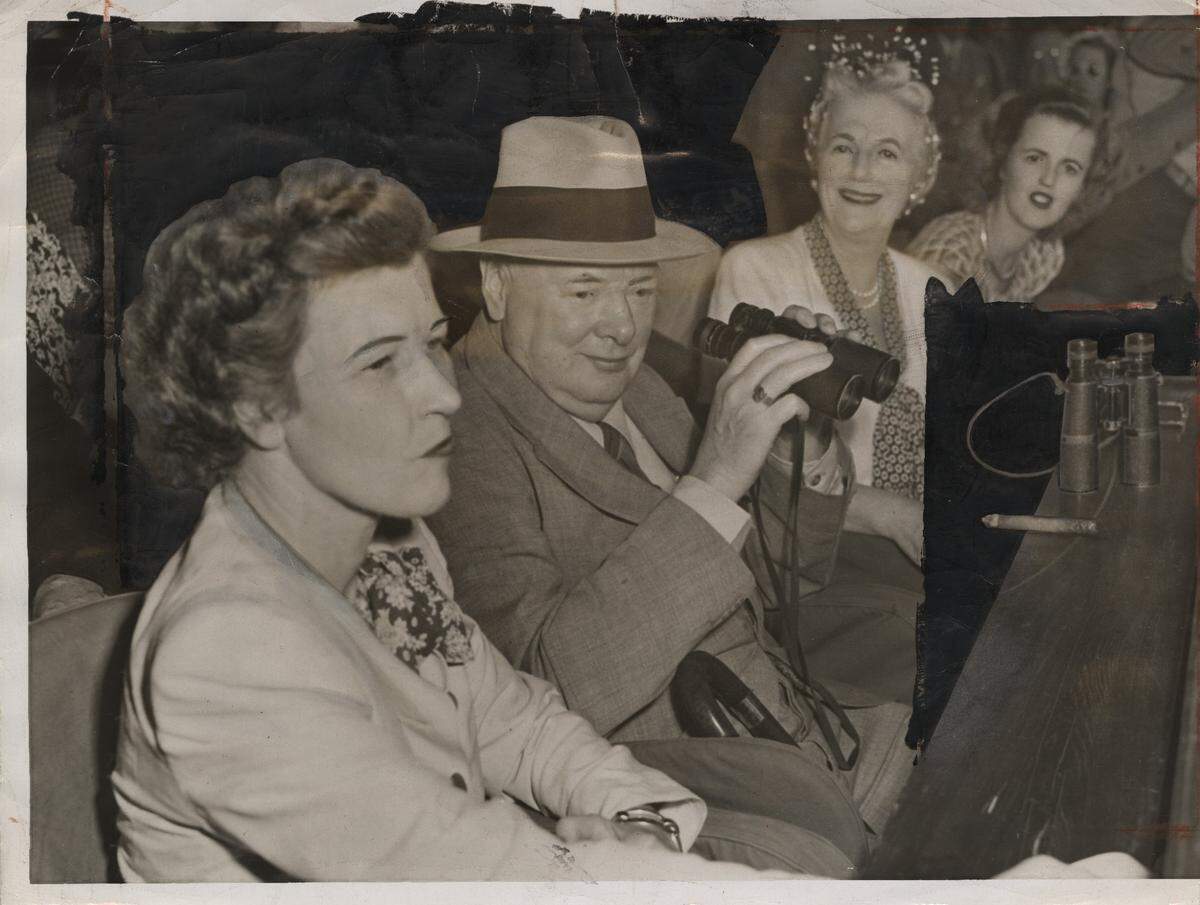
On a recent breezy Saturday morning, four men are sitting in the empty 13,000-seat grandstand of the Hialeah Park Race Track — the same historic grandstand where Winston Churchill, Frank Sinatra, Harry S. Truman, Elizabeth Taylor and Princess Grace of Monaco once sat — trading jokes, talking about current events and catching up on each other’s lives.
“We get together every week after mass at Immaculate Conception Church and come here or to Amelia Earhart Park to talk,” said Gus Treichel, 60, one of the four longtime friends. “We sit here and fix the world in a couple of hours, then come back next week and do it again.”
All four men are of Cuban descent, and all of them either live or work in Hialeah or lived there at some point in their lives. Their church, and the city around it, forms their bond. They speak fluent Spanglish, have an easy rapport and are prone to completing each other’s sentences. When they finish their McDonald’s coffees, they each go on their way to carry on with the rest of their day.
That’s what much of Hialeah feels like: A city of people who are friendly but busy, leisurely but in a hurry to get something done, enjoying life while hustling to make ends meet. The landscape is a combination of industrial and residential, with pockets of beauty (parks, statues, fountains) sprinkled throughout its car-clogged streets. Impromptu traffic jams form at train crossings where Florida East Coast Railway convoys rush past.
And despite its status as an overlooked underdog in Miami-Dade’s ongoing revitalization, the “City of Progress,” as Hialeah’s slogan reads, seems poised for an explosion of growth and development.
“The industry knows that Hialeah is getting hot,” said Kayziah Varela, 29, a broker at the Partnership Realty firm. “I’ve had investors send me letters asking me if I want to sell my home for cash. I bought my house in 2017, a five-bedroom, four-bath place for $330,000. On my same street, a smaller three-bedroom home just sold for $495,000.”
Spanish isn’t required in Hialeah — more than half of its residents are fluent in English — but knowing the language helps you fit right in. Walking around the city, you can practically hear some Cuban rumba being piped directly into your head.
Unlike Little Havana, which draws tourists and Instagrammers with its trendy bars and clubs, the Cuban culture is so deeply ingrained into Hialeah that it feels like a far-flung borough of the tropical island, separate from the rest of Miami. Even its streets are numbered differently than the rest of Miami-Dade County.
“It’s a big city with a small-town heart,” said Silvia Velazquez, a 40-something accountant for the IRS who commutes to downtown on Metrorail and still lives in the same four-bedroom home on West 80th Street her parents bought when they fled Cuba in the early 1960s. “The city hasn’t changed much. When you go to restaurants or stores, the people there know who you are.
“Hialeah is not just a city,” Velazquez said. “It’s a feeling. It’s a sense of nostalgia and community. You drive down the street and you see the places where you used to play with your friends. Those shared memories invoke a feeling in people who live here.”
INTERACTIVE TOOL: WHERE CAN YOU AFFORD TO BUY OR RENT IN SOUTH FLORIDA
A rich history
According to 2019 U.S. Census figures, Hialeah spreads out over 22 square miles and is home to 223,339 people, making it the sixth largest city in Florida ranked by population. Of those residents, 96% are of white Hispanic descent, the overwhelming majority Cuban-American (the most of any city in the U.S.). Spanish is the language spoken in nine out of 10 homes, and the city is split 50-50 into renters and homeowners.
Its rough boundaries are State Road 924 to the north, Okeechobee Road to the south, NW 37th Avenue to the east and as far as NW 107th Avenue to the west.
Median property values have climbed steadily over the past five years, from $219,000 in 2016 to a current $329,327 — a growth of 66%, according to Zillow. That’s still below the county median of $490,000. Hialeah still looks like a municipality that has grown in spurts, with single-family homes and apartment buildings sometimes occupying the same square city blocks as supermarkets, butcher shops and factories. Other areas are exclusively residential, with neatly kept lawns and well-maintained homes built 30 or 40 years ago.
Dr. Paul George, resident historian at HistoryMiami Museum, said the name Hialeah comes from a Seminole term meaning “pretty prairie.” The city was incorporated in 1925, fueled by Missouri cattleman James Bright and aviation pioneer Glenn Curtis, whose tactic of donating utilities and land for public use in exchange for the construction of buildings and facilities helped to spur development. Hialeah was home to the first dog track in the U.S., as well as the first Miami-Dade municipality with an airfield, a jai alai fronton and a movie studio (famed director D.W. Griffith shot some films there).
Most famously, it remains the home of the former Hialeah Race Track, which opened in 1925 and was deemed the most beautiful of its kind in the world, drawing Hollywood celebrities, international heads of state and locals alike (a scene from “The Godfather Part II” was filmed there) for big-purse horse races like the Flamingo Stakes.
The track is no longer functioning and serves as the parimutuel anchor for the adjacent Hialeah Park Casino, which opened in 2013. But the track, which was designated a National Historic Landmark in 1988, remains open to visitors, and its iconic flamingos — imported from Cuba in 1934 and made famous by the opening credits of “Miami Vice” — continue to thrive.
With the advent of commercial aviation in the 1930s, Hialeah’s population grew, its residents drawn to the steady employment offered by airlines at a former airport on NW 36th Street. After adopting its “City of Progress” slogan, Hialeah’s population ballooned in the post-war 1940s and ‘50s, with more than 2,200 manufacturing plants and factories employing more than 22,000 people.
Then came the 1960s exodus of Cubans fleeing Fidel Castro’s dictatorship and settling in Hialeah, drawn by its plentiful job opportunities and affordably priced housing. By the 1980s, Cubans dominated Hialeah’s population and had taken over the majority of its government, businesses and institutions.
“It’s one of the great immigrant cities in the U.S.,” George said. “You want to get a job when you come to America? Go to Hialeah. I think of the place as a beehive, a busy place of energy and activity. It’s non-stop there. I find that so fascinating about the city.”
The Hialeah hustle
The Hialeah hustle, as some locals call it, is woven into the fabric of the city. Elias Legra Jr., owner of the Hialeah-based Legra Realty firm, said one of the hurdles to home buying in the city is getting approved for a bank loan, because so many residents don’t file traditional tax returns.
“It’s the Cuban mentality of being your own boss,” Legra Jr. said. “I have a lot of truckers who work hard and make good money. A lot of people have side jobs. The lending market is coming out with new programs for self-employed buyers who qualify based on their monthly deposits into their bank account. The only setback is they have to pay 10% down. First-time home buyers are paying 3 to 3.5% down.”
U.S. Census figures peg Hialeah’s median household income at $43,327 as of 2019. But that figure doesn’t include people such as Maria Luisa, 59, a widow whose husband died from complications due to COVID in early May.
Luisa, who pays $1,000 a month for a two-bedroom apartment she shares with her mother and sister, operates a mobile fruit and vegetable stand from her van, setting up shop on roadsides around the city and selling fresh oranges, mangoes and apples to passers-by.
“I’m like a bird in the sky,” she said during a Saturday stop on the side of bustling East Fourth Avenue. “One day I’m here and another day I’m somewhere else. I have lived here for 30 years and have always made ends meet. Hialeah is very prosperous. There is work here and thank God no one has ever messed with me. I support myself doing this because if I don’t go out to work, the roof will cave in over my head. “
Luisa said she had to scramble to pay for a cemetery plot after her husband died, because she had no savings to dig into to pay for funeral expenses.
“I’m inconsolable,” she said in a wavering voice. “But at least here you can earn a living honestly with the sweat from your forehead. Sitting at home, I don’t earn anything.”
Development and growth
Despite its population’s economic modesty, several developers are taking big swings in Hialeah, confident the area is poised to attract and retain its younger demographic as long as they have new places to live. Currently under construction are:
▪ Pura Vida Hialeah, a nine-acre, $85 million mixed-use project at 3051 W. 16th Ave. comprised of three eight-story towers offering 260 apartments with rents ranging from $1,400 to $2,300 and another 55,000 square feet of retail, including a Wawa convenience store and gas station.
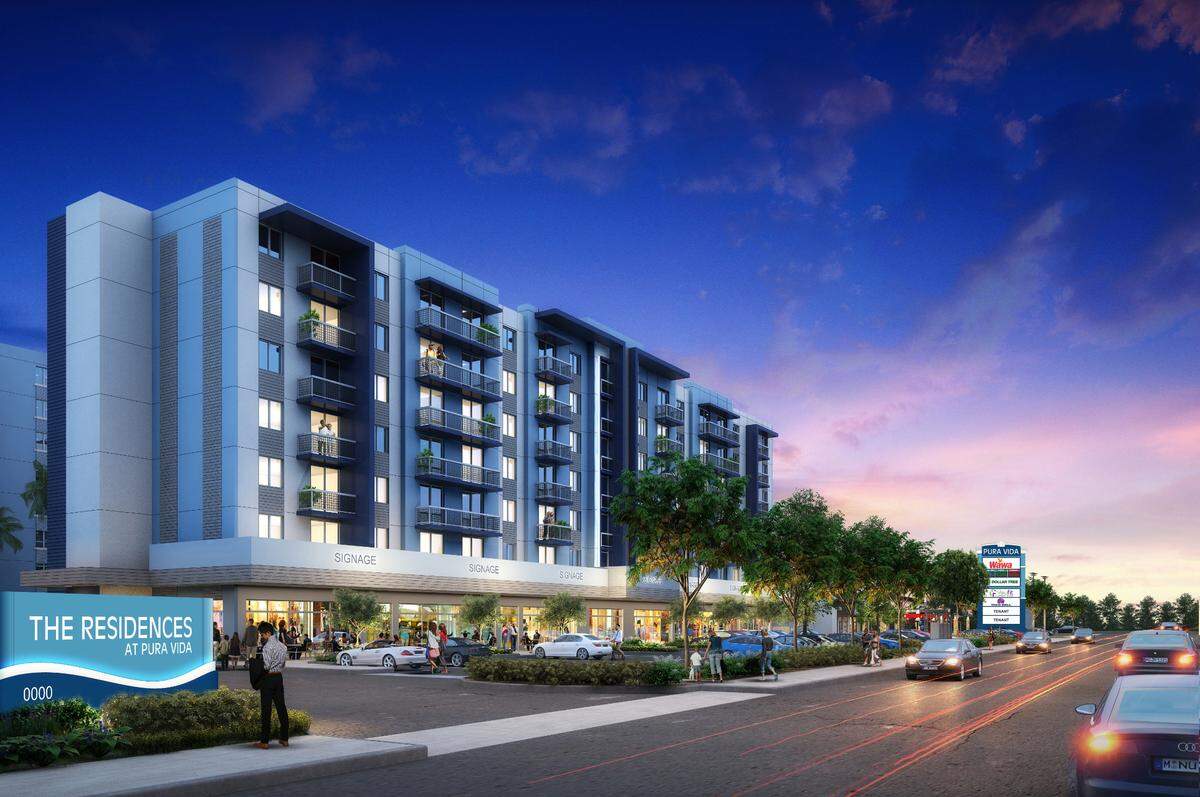
“People don’t want to leave Hialeah,” said Michael Wohl, a partner at Coral Rock Development Group, which is developing the project. “They have tremendous civic pride and we’ve come up with a plan that is unique because most of the rental communities there were built in the ‘70s and ‘80s with not much in amenities.”
The residential portion of the project, due to be completed in early 2022, will mark the beginning of a resurgence of Hialeah, according to the developers.
“Hialeah is somewhat generational,” said Coral Rock partner Stephen Blumenthal. “There is an older demographic here and the city has been perceived as an old staid municipality. But it’s coming to life. It’s a great place to live and I think we’re part of the next generation.”
▪ Shoma Village, located at 435 Hialeah Drive, will ramp up the luxury in its 304 rental units, ranging from studios to three-bedroom apartments. The project, comprised of two eight-story buildings built on the former site of a retail strip mall, will include its own food hall. Pre-leasing begins in November with a target completion date of February 2022.
“Hialeah is a hidden gem and so are its residents,” said Stephanie Shojaee, vice president and chief marketing officer for the Coral Gables-based Shoma Group, which also developed the Sanctuary Doral rental complex. “We saw a tremendous demand for a Class-A rental community. Many of Hialeah’s young professionals have been moving to Miami Lakes and Doral for amenitized housing. We are giving Hialeah residents what they want.”
▪ Station 21 Lofts, located across the street from the Hialeah Metrorail station at 102 E. 21 St., will offer 90 workforce housing units spread out over a trio of three-story buildings. Miami Lakes-based Prestige Builders is also developing three other residential projects around the city, located in spaces formerly occupied by warehouses and industrial buildings.
▪ Alture Westland, a four-story, 251-unit rental building on the former site of a Ramada Inn at 1950 W. 49th Street, is due for completion by the end of 2021. According to the Miami-based developer Estate Companies, rents will range from $1,000 for a 340-square-foot studio to $1,300 for a 600-square-foot one bedroom.
Art and food scene
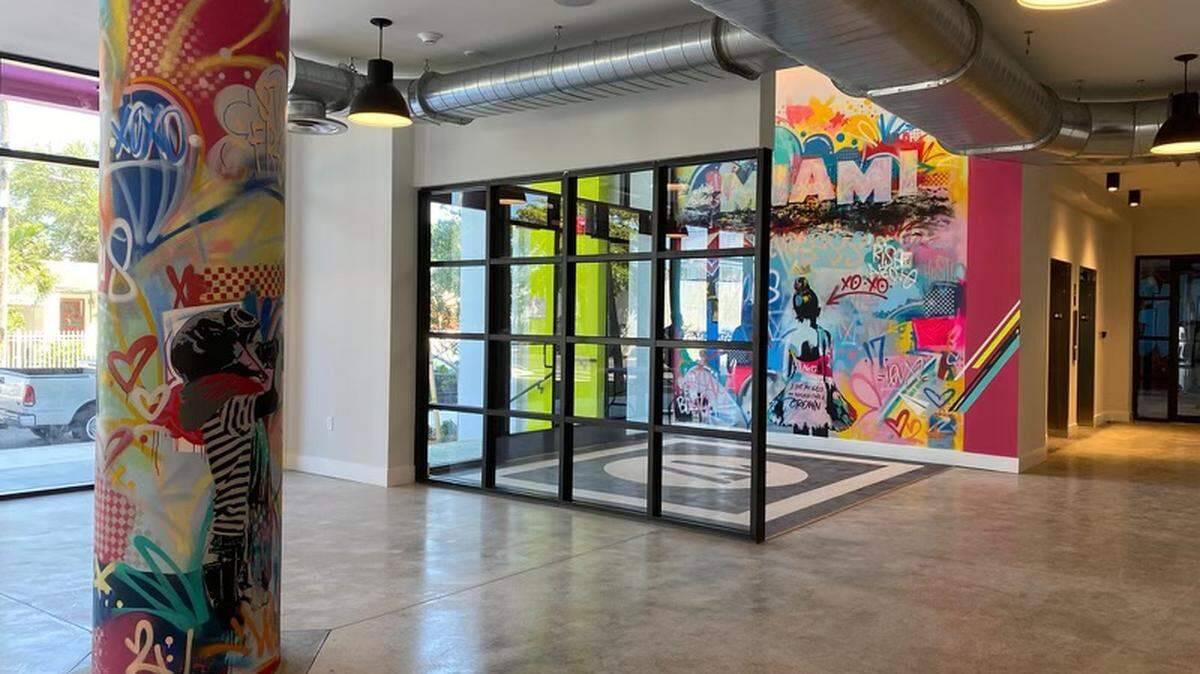
Another sign of a city’s growth: An arts district that forms spontaneously and achieves critical mass without city planning. The Leah Arts District, a four-block area on East 11th Avenue between 13th and 17th street, is home to studios by artists priced out of Wynwood, street murals and outdoor festivals.
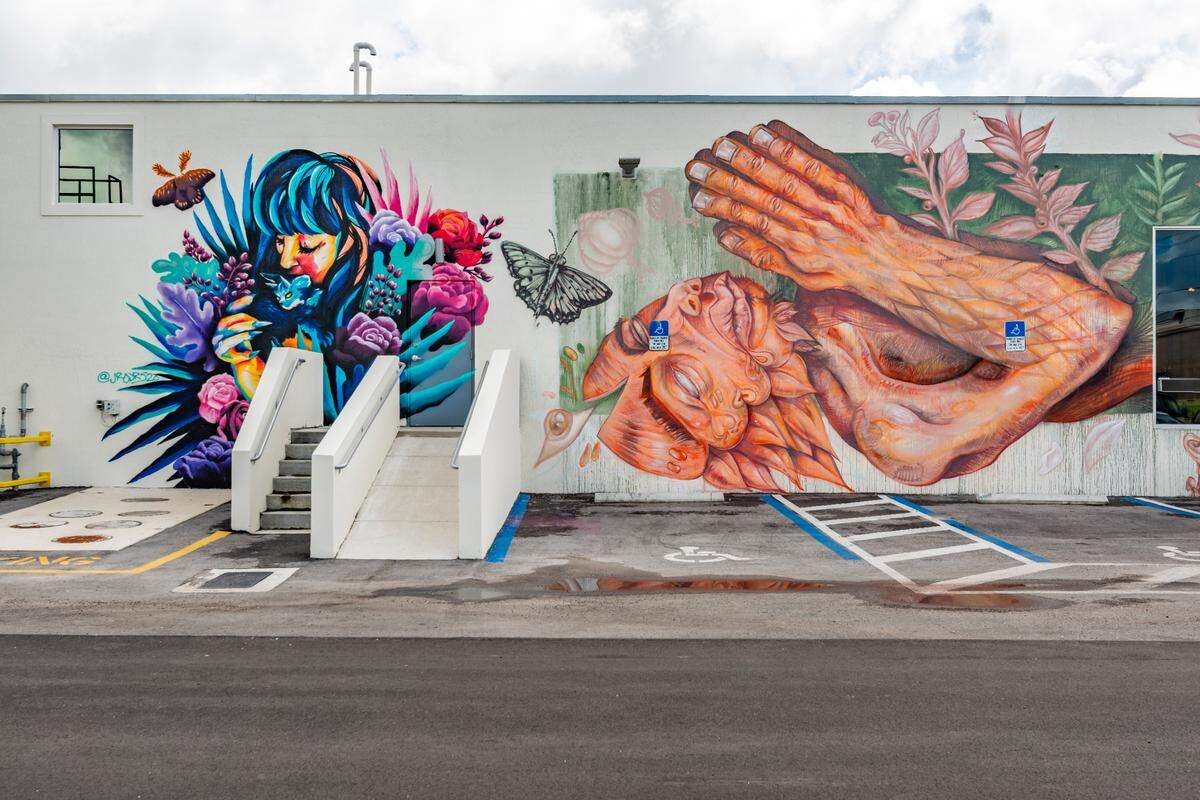
“You can’t create a trend,” said Mandy Llanes, chairman and CEO of the Hialeah Chamber of Commerce and Industries. “A trend just happens. We have started helping the district, but it’s going to take some time. There used to be factories there, but eventually there will be nightlife. The fiber of Hialeah has always been there. Now the outside world is noticing it and we’re thrilled that we’re seeing a revival. We’re like Brooklyn, a borough that everyone looked down on and now it’s the hottest thing in New York City.”
The Leah Arts District is anchored by Unbranded Brewery, a 30,000-square-foot microbrewery that hosts weekend parties for its new releases and opened as a restaurant in February 2020.
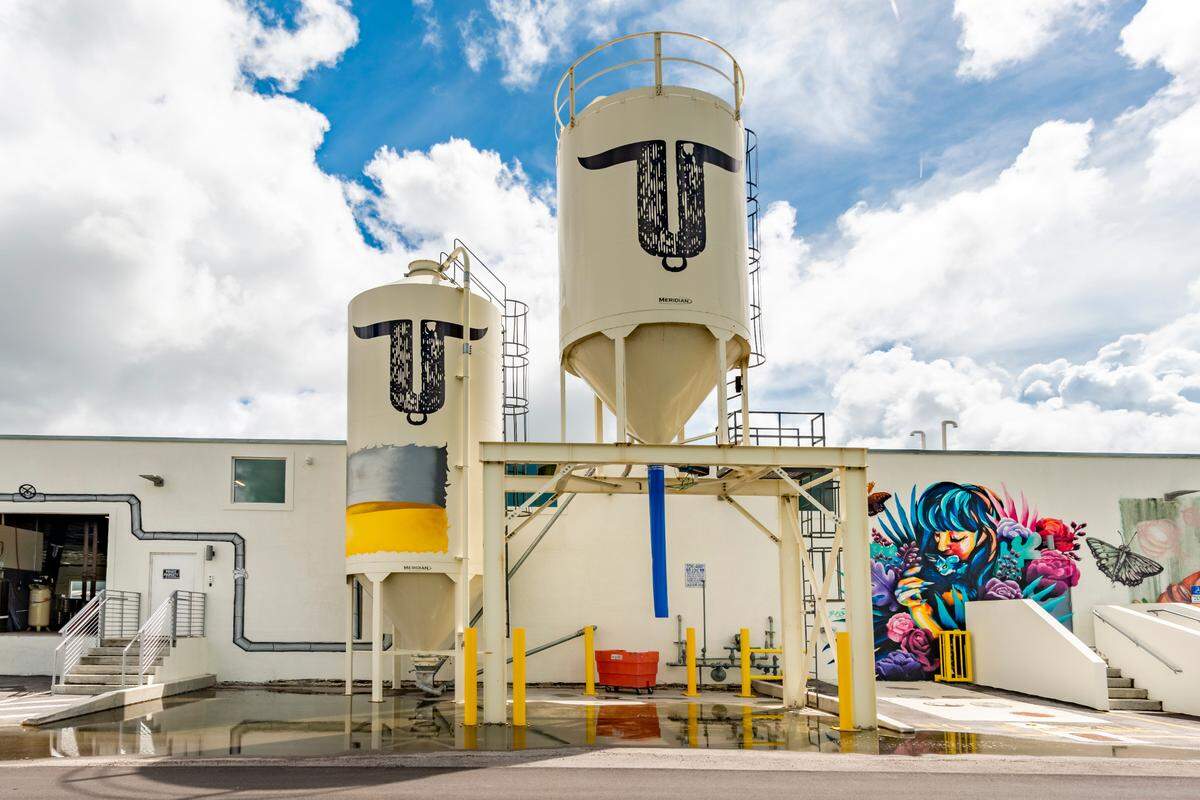
Lance Aschliman, who co-owns the brewery alongside Zach Swanson, said it serves close to 25 in-house brews and has distribution around the state.
“The district was here before us, but we’ve definitely seen more art and hospitality pop up,” Aschliman said. “It still has that old-school Hialeah feel of thrift stores and metal shops. But we do live music on a regular basis and there’s going to be a car show on Memorial Day Weekend with 1,000 different automobiles.”
Also part of the district is Kush by Stephens, the historic restaurant formerly known as Stephen’s Deli, which was founded in 1954 when the surrounding population was mostly Jewish. Matt Kuscher, owner of Kush Hospitality, bought the restaurant in 2017 to save it from extinction and reopened it a year later with much of its original menu intact, along with more modern additions.
The eatery, whose Jewban sandwich had previously been named one of the 25 best in the world by Time Out, also won the award for best hamburger in the country at Friday night’s South Beach Food and Wine Festival’s Burger Bash competition.
“When Kush opened here, it made me even more proud to have grown up in Hialeah,” said Power 96 on-air personality Lucy Lopez as she drove to the restaurant to meet friends for lunch. “We didn’t have any of this when we were kids. We had to drive all the way to Coconut Grove or Kendall, where we didn’t fit in.
“There was a perception that Hialeah was an uneducated, uncultured place,” Lopez said. “But people here know the best Fourth of July party is at Milander Park and the best Ross Dress for Less is the one on West 49th Street. There’s a whole Instagram account on what people wear in Hialeah. People make fun of us but then they dress like us.”
Another Hialeah mainstay, La Fresa Francesa, has been serving high-end French cuisine since 2015 out of its strip mall location at 59 W Third Street. Sandy Sanchez, who co-owns the restaurant with chef Ben Rablat, was born in Hialeah and returned there to open the eatery after spending 13 years in Los Angeles.
“We had no money, no investors,” Sanchez said. “Hialeah provided us an opportunity to open a business when we didn’t have a lot of resources. A lot of people would not do that because they would fall under the spell of ‘Hialeah sucks.’ But having grown up in Hialeah and appreciating its culture, I always wished there was something else to eat other than Cuban food. Plus Cuban and French culture are very similar, especially the food. And it worked.”
Tales from a city
The affection for Hialeah from those who live or grew up there is so strong, it inspired Rick Perez, 43, to launch an Instagram account, @Hialeahlove1925, to share photos, history and stories about his neighborhood. The account currently has 20,000 followers, and every post he makes — whether it’s an ode to the old-school Cuban store La Tijera de Oro or the tale of the man who decided to build a spectacular 6,000-square-foot modern mansion on the site of his former two-bedroom home — draws hundreds of comments from followers who like to reminisce and talk about Hialeah.
“Hialeah to me represents the American dream, ever evolving,” Perez said. “I love how a new generation of Hialeah kids are reimagining our culture. Unlike Wynwood, our growth is organic — slower for sure, but more authentic. Art, literature, and even cutting-edge creative chefs are making a difference. But hopefully Hialeah doesn’t change too fast. I like it just the way it is right now.”
HIALEAH AT A GLANCE
Population: 223,339
Demographics: 96% Hispanic
Median household salary: $43,327
Primary work/industry: Retail, transportation, warehousing, educational services
Median property value: $329,327
School grades: B
Personal crime: 79 (on a scale of 100)
Property crime: 102 (on a scale of 100)
Sources: U.S. Census, Florida Department of Education and Esri, which ranks crime using a national base line of 100.
ABOUT THIS SERIES
Traffic, the pandemic and the wave of new Miamians from around the U.S. is accelerating Miami’s transformation into a series of villages. In ‘The Map of the New Miami,’ we explore these growing enclaves and the forces shaping them. Community profiles can be found online at miamiherald.com; more will be added throughout the year.
This story was originally published May 23, 2021 at 6:00 AM with the headline "Hialeah, the ‘City of Progress,’ is slowly starting to live up to its slogan."
_pp%20Cropped.jpg)
.JPG)