Looking for a place for Easter worship? Here are some of Miami’s historic Catholic churches
READ MORE
Celebrating Holy Week, Passover and Ramadan
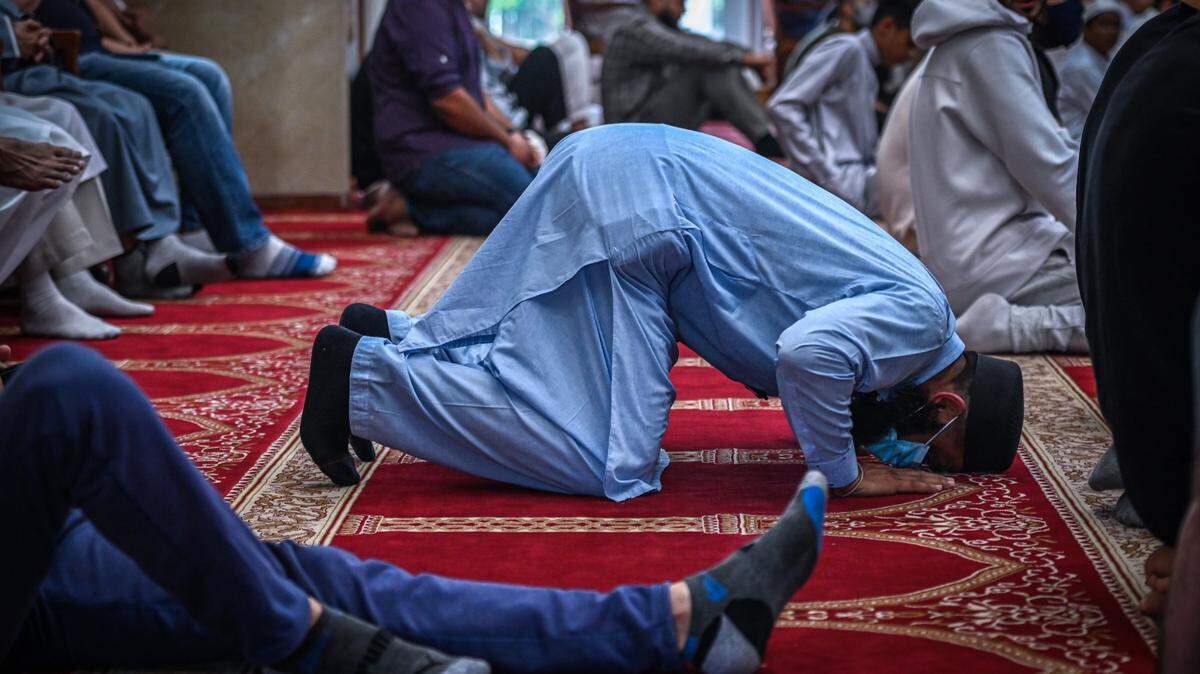
We’re gathering at churches, and synagogues and mosques this week to celebrate holidays. Ramadan started two weeks ago and runs the rest of April. Passover begins Friday night. And Good Friday leads into Easter Sunday.
Expand All
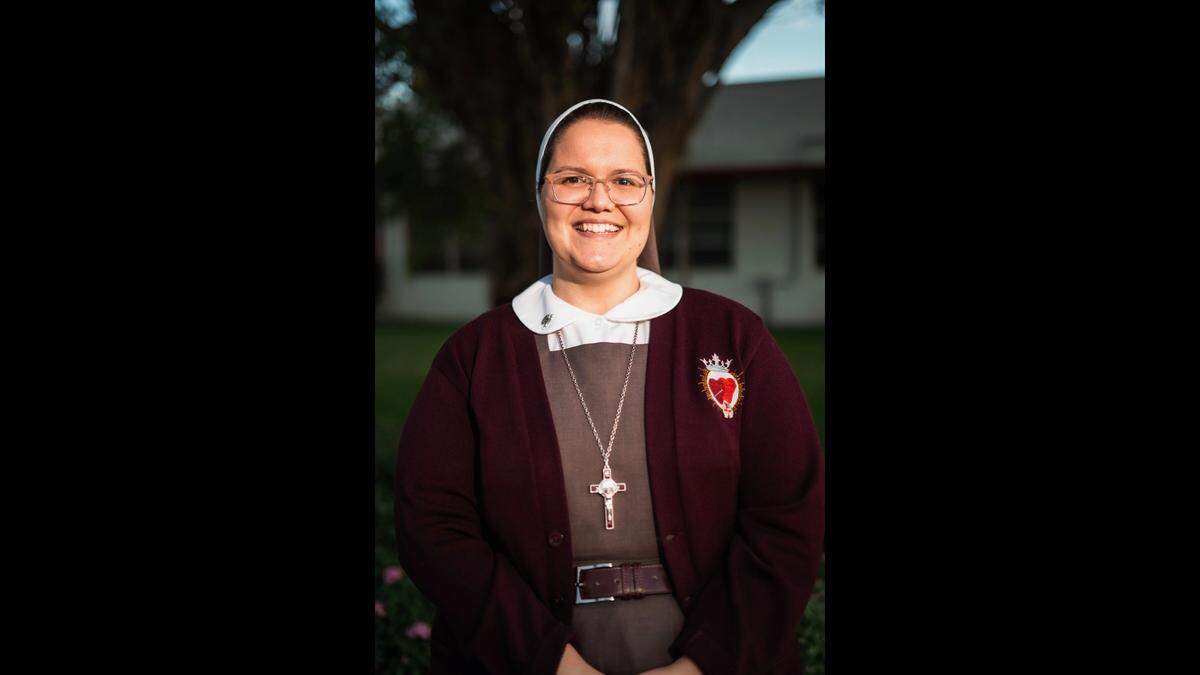
Sister Evelyn Montes de Oca first heard the Lord’s call in Cuba at age 12.
“The Lord was already pursuing my heart and calling me to dedicate my life to serve him,” said the 31-year-old nun, remembering how drawn she was to her faith as a child. She’s the director of ministry programs and associate director of campus ministry at St. Thomas University in Miami Gardens.
Montes de Oca moved to South Florida at 15 and graduated from Barbara Goleman High School in Miami Lakes in 2009. Then she met sisters from the Servants of the Pierced Hearts of Jesus and Mary, which was founded by Mother Adela Galindo in the Archdiocese of Miami in 1990.
“After some time of prayer and discernment and visiting and praying with my community, the Lord made it clear that my vocation was to be totally dedicated to him, to serve Him and to serve his people in his church,” said Montes de Oca, who is part of the Servants of the Pierced Hearts of Jesus and Mary community. “And in that I found my joy.”
READ NEXT: What’s driving a youth movement in Miami churches? Not just prayer — but ‘action’
Montes de Oca can list dozens of ways that the Archdiocese of Miami has helped South Florida’s community through the years. So can Archbishop Thomas Wenski, who leads the Archdiocese of Miami.
“The Catholic Church has always played a prominent role here in South Florida. From the time that Gesù Church was opened … and to our present time … we’ve always been part of the community,” Wenski said.
The Archdiocese of Miami has 62 schools and 109 parishes and missions, including the National Shrine of Our Lady of Charity — more commonly known by its Spanish name Ermita de la Caridad — spread across Miami-Dade, Broward and Monroe counties. As people have done for decades, they will gather at their church to recall the events leading up to Jesus Christ’s death on Good Friday and celebrate his resurrection on Easter Sunday.
The oldest Catholic parish in Miami
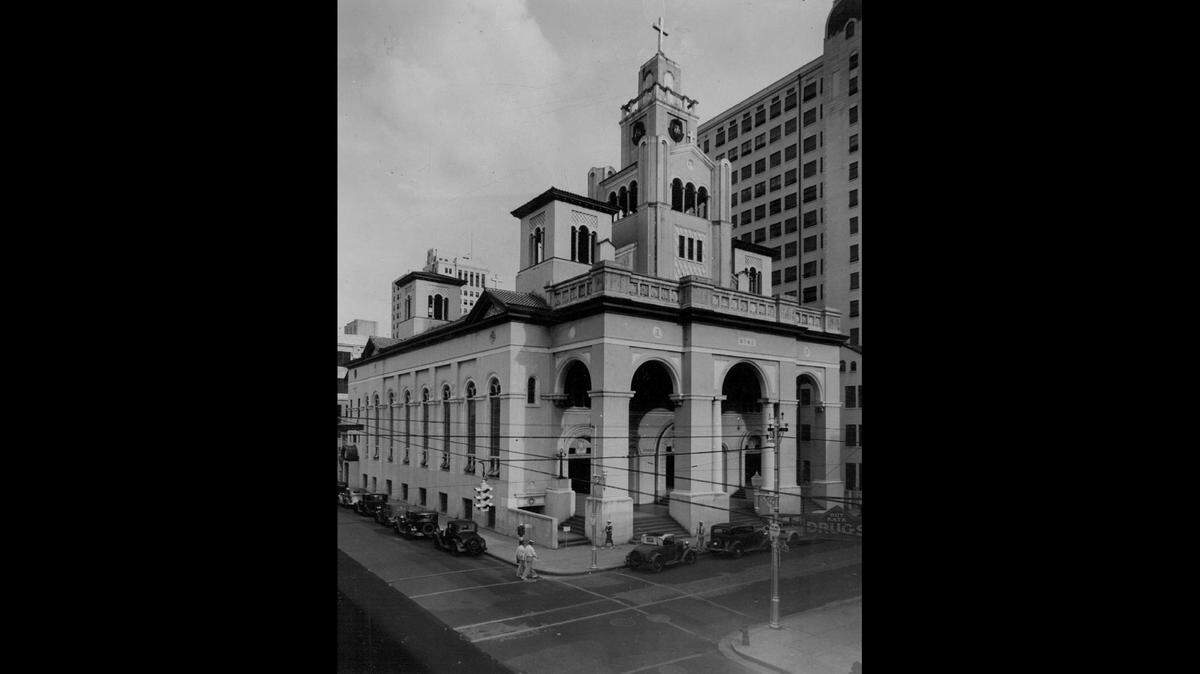
Gesù, the oldest Catholic parish in Miami-Dade, is like a beacon of faith on a street of beige and white buildings at the corner of Northeast Second Street and First Avenue in downtown Miami.
At more than 120 years old, Gesù has seen the city flourish, with rising skyscrapers and a growing population. The parish was organized as the Holy Name of Jesus Catholic Church (a name that was later shortened to Gesù) in 1896, the same year that the city of Miami was incorporated. One of its founders was John B. Reilly, Miami’s first mayor.
The original wooden structure of the church was built on land donated by Henry Flagler, the man who brought the railroad to Miami, according to the U.S. National Register of Historic Places. As the congregation grew, a bigger church was needed, and in 1922, construction for a new, larger church — the one we see today — began on the original site.
In 1974, Gesù was added to the U.S. National Register of Historic Places.
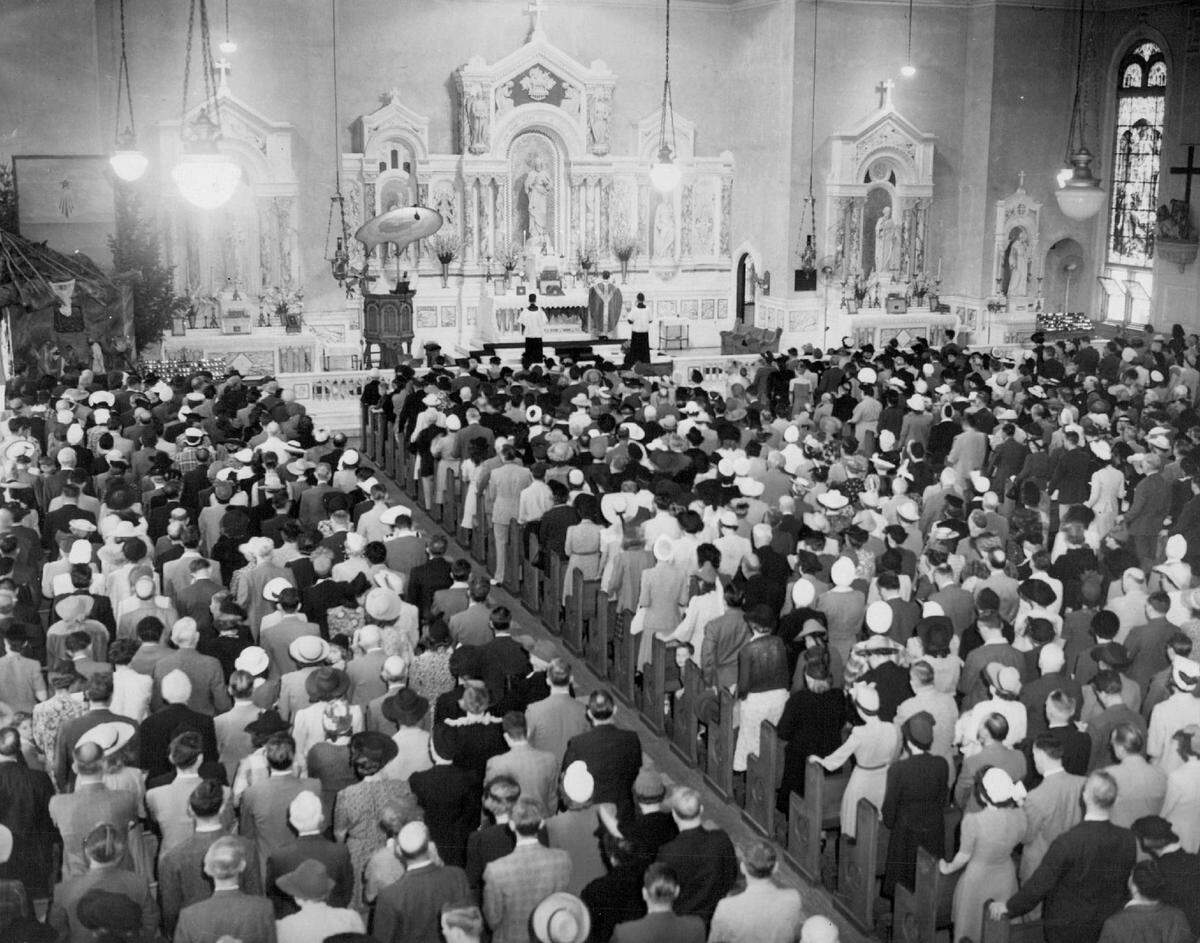
Catholicism in Miami can be traced as far back as 1567, with the arrival of Jesuit missionaries to a Spanish settlement founded by Don Pedro Menendez de Avila at the mouth of the Miami River, according to the Archdiocese of Miami. In the 1870s, a wooden chapel — Miami’s first house of worship — was built on the property of pioneer family William J. Wagner, according to the U.S. National Register of Historic Places. It burned in 1892.
But it is here, at Gesù, where the story of the Catholic Church truly begins in Miami.
Gesù established a school and founded Catholic Charities, which celebrated its 90th anniversary last year. It paved the path for other parishes in the county and became the headquarters for the Pedro Pan operation, which brought more than 14,000 unaccompanied children escaping communism out of Cuba.
Remembering Operation Pedro Pan
Fernando “Fernan” Hernandez will never forget the day he left Cuba. It was 1962. He was 9, his brother 11.
He remembers looking through the plane’s window, searching for his mother in a crowd of people who were waving goodbye. When he spotted her, she was “bawling.” Then the plane took off, with people singing the Cuban national anthem.
When the plane landed in Miami, the brothers would have been sent to a camp in Florida City if a cousin hadn’t shown up to take them in, he said. He began attending Santa Clara Elementary school, and for nine months, he called Miami home.
Then he went to live with his maternal aunt — who was his godmother — in New York City. It took nearly four years for the brothers to be reunited with their parents.
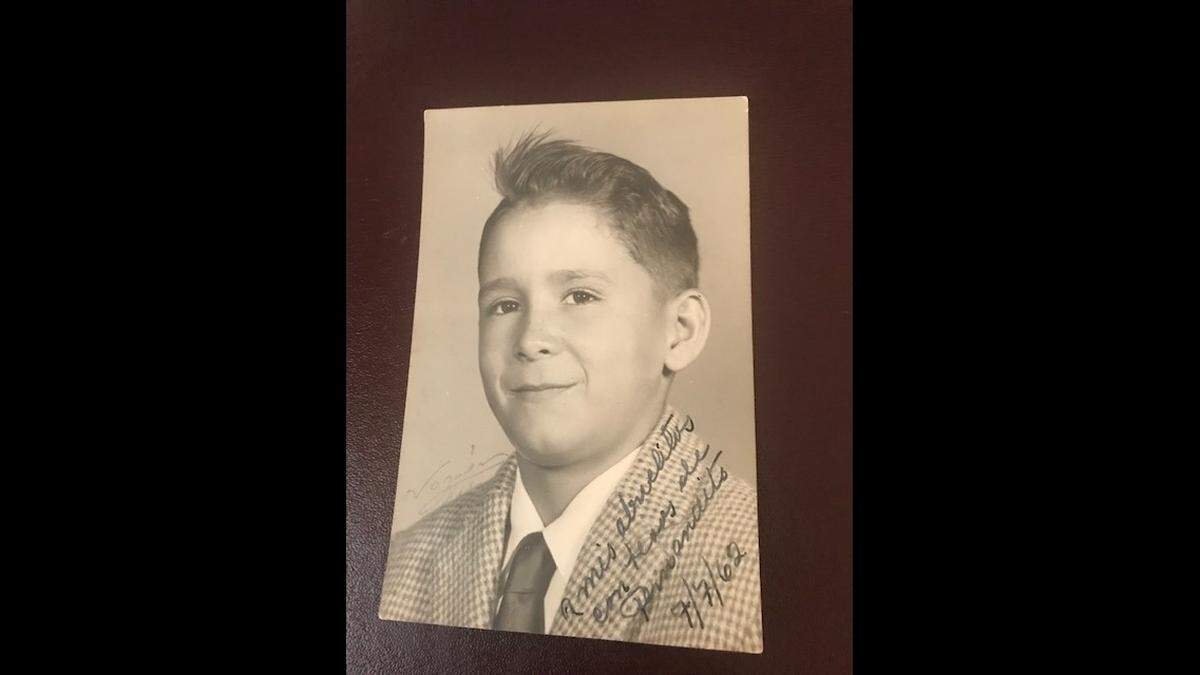
Decades would pass before Hernandez would learn at a Miami Herald booth at a Cuba Nostalgia event that he and his brother were one of the more than 14,000 unaccompanied kids that came to the U.S. between 1960 and 1962 through Operation Pedro Pan. It was the largest recorded exodus of unaccompanied minors in the Western Hemisphere, a collaboration between the U.S. government and Miami’s Catholic Welfare Bureau (now known as Catholic Charities).
Half of the children were reunited with family members at the airport. About 7,000 others were taken in by the Catholic Welfare Bureau and were placed in temporary shelters in Miami and relocated to other states, according to PedroPan.org.
“I think I’m a very blessed person that have been, you may say, given a second chance to live in this country and to do many wonderful things,” said the 69-year-old author, who now lives in Miami.
And as South Florida continues to grow, Wenski says the Archdiocese continues to find ways to spread the word of the Gospel — a task it does in more than a dozen languages across the region, including English, Spanish and Creole — and help those in need, a task that can sometimes be challenging in a region as diverse as South Florida.
Notre Dame D’Haiti
In the heart of Little Haiti stands Notre Dame D’Haiti Catholic Church, “the living room of the Haitian community in South Florida,” said Rev. Reginald Jean-Mary, the parish’s administrator.
For more than 40 years, it has given Haitians a place where they could be themselves and feel at home while also helping them to integrate into the community, according to Wenski and Jean-Mary.
“So I think the success of the Haitians in South Florida speaks also to how the Church has contributed not only to their success, but also to the broader community’s success, because of what the Church did for them, and for other groups as well,” Wenski said.
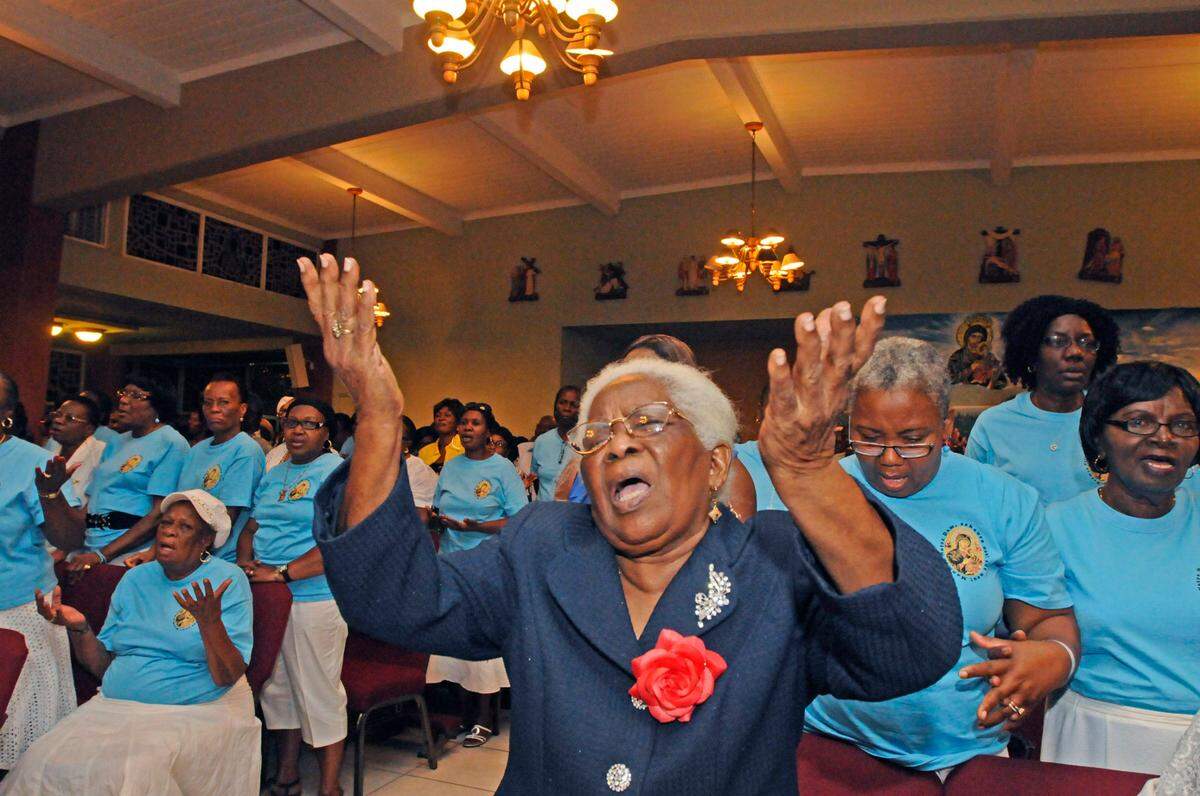
Notre Dame D’Haiti — named in honor of Our Lady of Perpetual Help, the patron saint of Haiti — was co-founded by Wenski (when he was a priest) in 1981 to meet the needs of Haitian Catholics fleeing Haiti amid political turmoil, according to Herald archives.
Originally a mission of St. Mary’s Cathedral that began under the guidance of the late Rev. Marcel Peloquin, Notre Dame was eventually moved to the Notre Dame Academy for Girls. But as the community grew, more space was needed, and after years of fundraising, a new and larger Notre Dame opened in 2011.
At Notre Dame, Mass is held in Creole, a comfort for those who are still learning English or who miss their homeland, Jean-Mary said. The COVID-19 pandemic also brought Notre Dame a new outreach opportunity.
Like other parishes in the Archdiocese of Miami, Notre Dame began livestreaming its services during lockdown, a decision that brought it a strong online community of more than 13,000 people, Jean-Mary said.
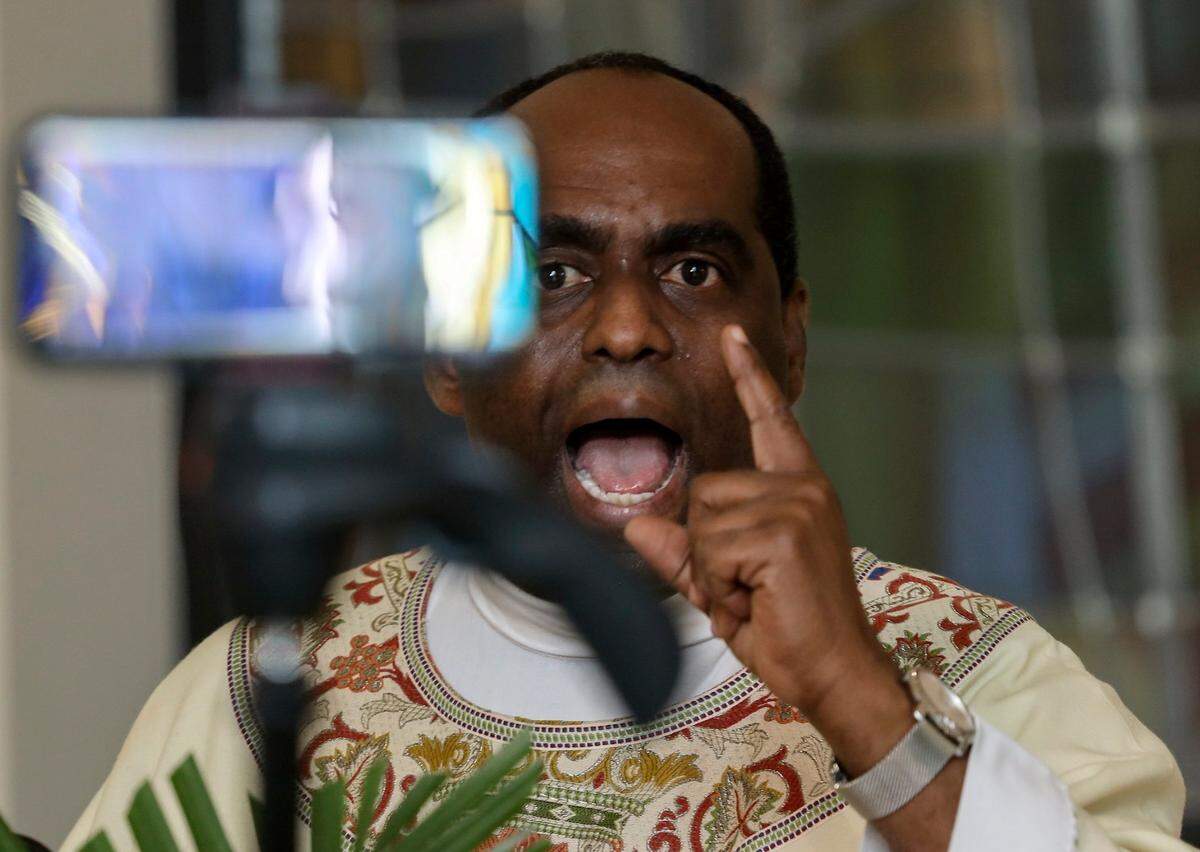
Besides enriching a person’s spiritual life, Notre Dame also seeks to help Haitians adapt to life in Miami and improve their way of living, he said. The church is home to the Pierre Toussaint Leadership and Learning Center, which provides free educational and legal services, including assistance for Haitians needing to apply for Temporary Protected Status.
Previously known as the Pierre Toussaint Haitian Catholic Center, it has garnered “international recognition” as one of the “most important agencies serving the Haitian community, especially for developing, promoting, and administering programs that assist Haitian refugees to become self-sufficient,” according to the Archdiocese of Miami.
At Notre Dame, families can get free day care and tutoring for kids who need help with schoolwork. Literacy classes teach people how to read and write Creole and English. And it has a tech center, where people can learn basic computer skills as well as job building skills such as e-commerce, financial literacy and cybersecurity, said Jean-Mary, who also serves as the executive director of the center. The goal is to help “empower” the community and prepare it for the future as Miami becomes a tech hub, Jean-Mary said. So far, more than 150 people have registered.
“Notre Dame is like the anchor in the community,” Jean-Mary said. “So there is no way you can miss the existence of culture.”
READ NEXT: Miami changes, but these old and sacred buildings carry on tradition for the faithful
St. John Bosco
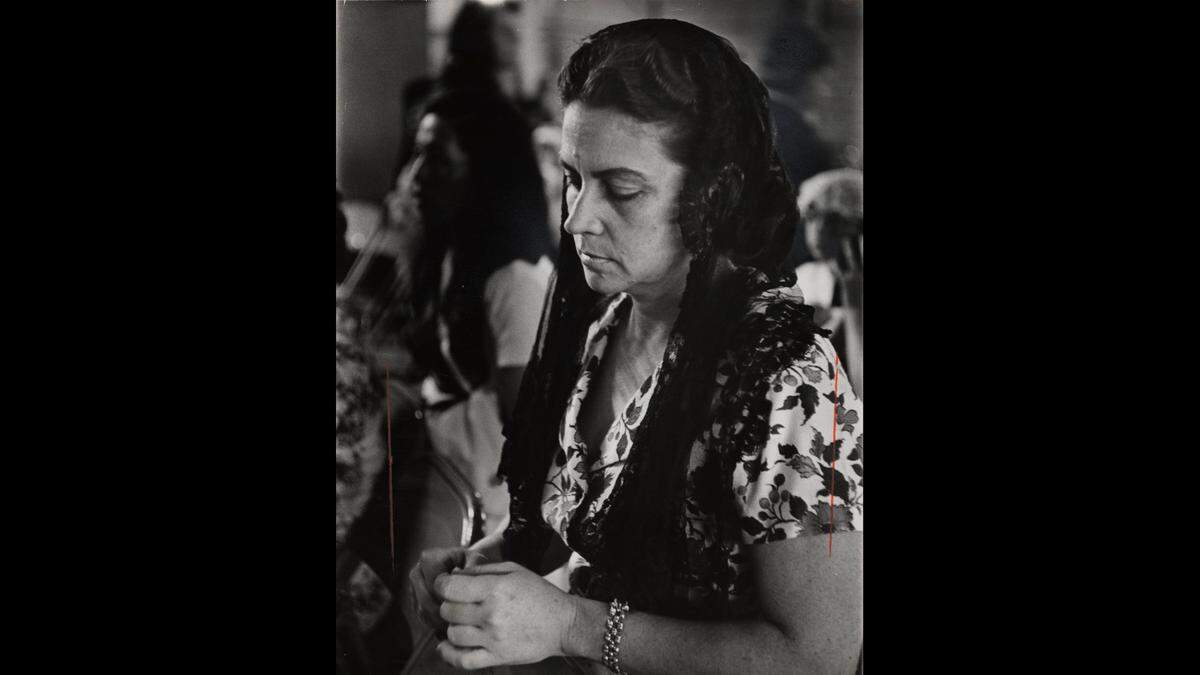
About 40 people gathered in prayer inside the chapel of St. John Bosco Catholic Church (San Juan Bosco in Spanish) for an early morning Mass in Little Havana during the last days of March. As a woman sang, her voice echoed across the walls as people bowed their heads in prayer.
Established in 1962, the origin of St. John Bosco Catholic Church, nicknamed “The Exile’s Cathedral,” can be traced back to a movie theater on West Flagler Street known as the Tivoli Movie Theater. This is where, as one Herald article explained, the “Catholic life of Miami’s Cuban exiles began.”
In December 1963, as the congregation continued to grow, the late Msgr. Emilio Vallina would be given keys to a defunct car warehouse, a building that parishioners would renovate into their spiritual home. In 1986, Vallina began raising funds for the construction of a new church, which was inaugurated in 2001.
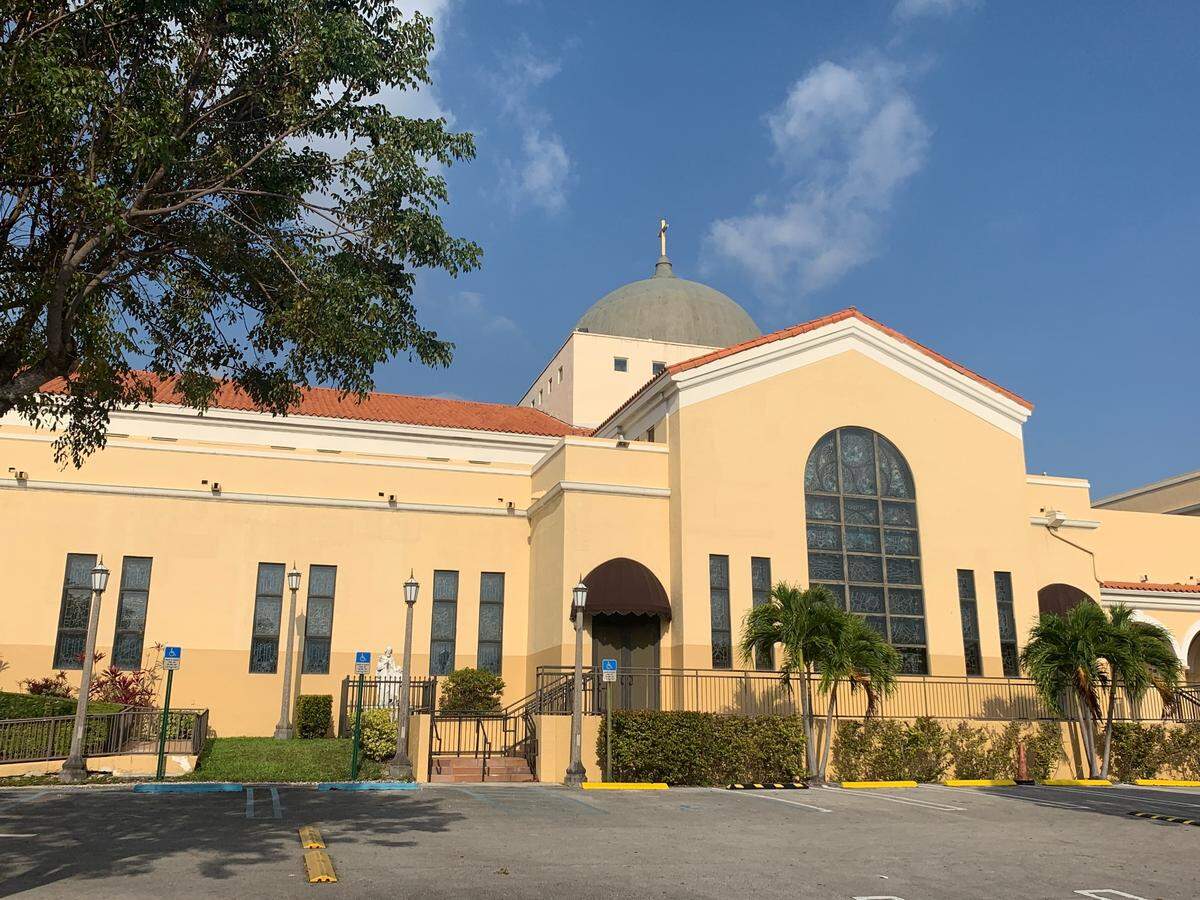
Over the years, as Cubans moved out of the neighborhood and joined other parishes and other immigrants from Nicaragua and other countries in Central America began to arrive, St. John Bosco has continued its mission to serve.
It’s also where Nicaragua-born Edda Martin found her faith again. For nearly 30 years, Martin said she felt like she had been “retired” from church life. Then, one day, she heard a priest from St. John Bosco talking on the radio.
She remembers getting “emotional.” Then she thought: “I’m going to look for God,” she told the Miami Herald in Spanish.
And she did.
“Now, I’ve been six years here at the church,” she said. Martin said she left the country, but whenever she visits Miami, she makes a point to attend Mass at St. John Bosco.
What’s next for the Catholic Church in Miami?
When Archbishop Wenski thinks about the future of the Archdiocese of Miami in South Florida, he thinks about flexibility and resilience.
The Church, he says, must always strive to spread the word of God while also meeting the needs of an ever-changing community as the region continues to grow.
In the COVID-19 pandemic, for example, churches across the region began livestreaming Mass during lockdown. Online donations were also important for the “survival” of the Church during the pandemic, he said.
“But technology always has its limit, because faith is about an encounter, it’s about our encounter with God, to the person of Jesus Christ, and is about our encounter with each other. And that encounter has to be personal, it can’t just be virtual,” Wenski said. “And that’s something that, you know, in this post-pandemic world, we have to continue to use the technology that has helped us, but never pretend that this technology can be a substitute for personal encounters.”
Wenski said there are two problems the Catholic Church is also working to address: believers that don’t practice or don’t go to church and people who go to church who don’t believe.
He knows it’s a challenge, but without God, communities cannot truly thrive, he said.
“A world without God is a world without hope. A world without God is a world without a future,” Wenski said, quoting Pope emeritus, Benedict XVI
This story was originally published April 14, 2022 at 10:30 AM.