The 44 Percent: Orange Blossom Classic, eviction moratorium ends & Hurricane Ida

There’s something refreshing about the Orange Blossom Classic’s return to South Florida.
No, it’s not because this will be Miami’s first OBC in more than 40 years. No, it’s not because the iconic Deion Sanders will be coaching. And no, it’s not because this will be Florida A&M’s first season in the Southwestern Athletic Conference.
The real reason that I’m excited is the atmosphere. There’s just something special about Black people coming together to put on for their school, something that hasn’t happened in a long, long time.
Just think about everything that has occurred over the past 18 months: a global pandemic forced many of us to stay away from one another, the murder of George Floyd led to worldwide protests over racial inequality and, most recently, an earthquake in Haiti killed more than 2,000 people. Of course, a lot happened in-between, but my point still stands: we, as Black people, deserve a moment to celebrate.
And, whether or not you attended a Historically Black College or University, the OBC and all of its accompanying activities are for you. I have no ties to either school but you better believe I’ll be cutting up like some rattler-tiger hybrid.
INSIDE THE 305
Expect ‘a celebration of Blackness’ with the return of the Orange Blossom Classic:
The return of college football means homecoming season is right around the corner. To get there, though, we have homecoming’s first cousin: the classic.
As I described in the Miami Herald’s cover story Wednesday, the Orange Blossom Classic, which pits the Florida A&M Rattlers against the Jackson State Tigers, is more than just game. It’s an experience: a cookout of sorts complete with a battle of the bands halftime show, spades games in the parking lot and a whole lot of Black joy.
So definitely catch this Morehouse Man out and about — mask on, of course — soaking up all the good energy this weekend. All free plates at Sunday’s tailgate will be accepted. Please and thank you advance.
Related Stories:
‘It’s great for this city’: Why Orange Blossom Classic, Miami Gardens are ‘perfect fit.’
Deion Sanders, other NFL greats raise profile, lead resurgence of HBCU football
The Orange Blossom Classic is more than a football game. Here’s a schedule of events
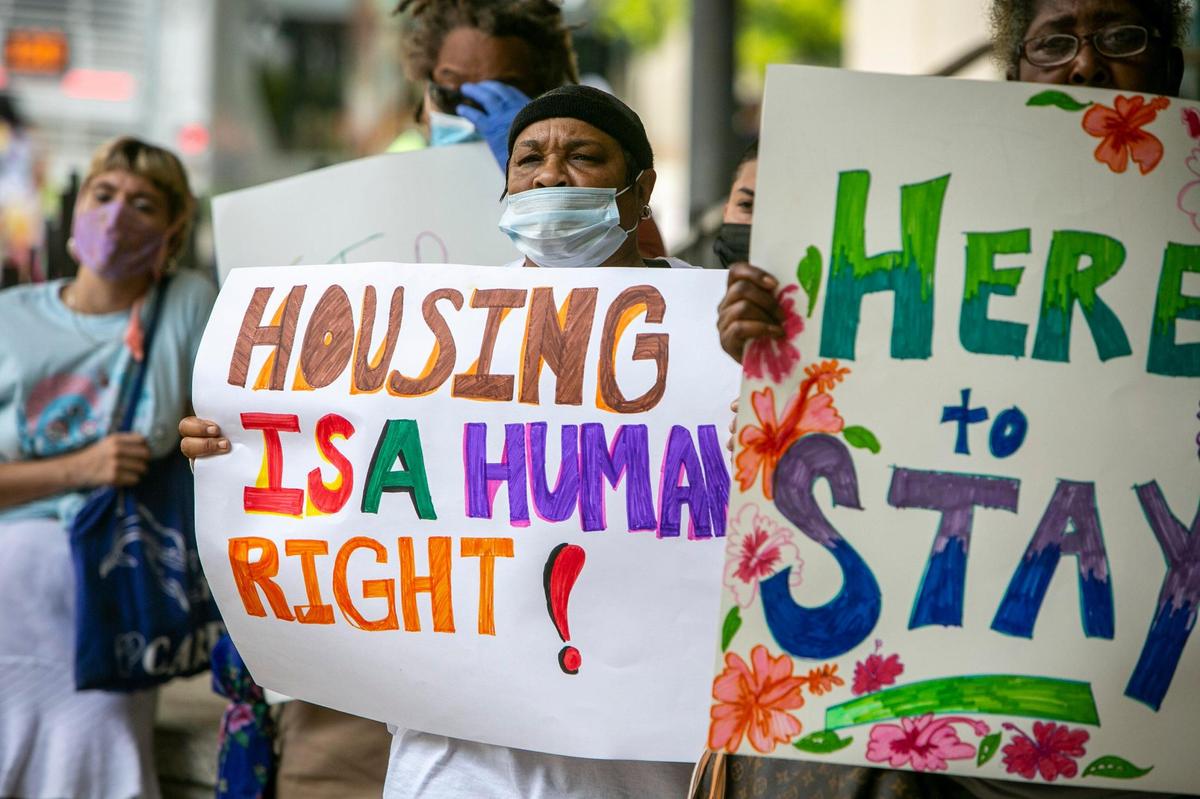
‘It’s tragic’: Miami housing advocates respond to end of the eviction moratorium:
Last week’s Supreme Court ruling to end the eviction moratorium dealt a heavy blow to housing advocates, both in Miami and beyond. The Herald’s Rene Rodriguez has the story:
The court ruled that the Centers for Disease Control and Prevention lacked the authority to reinstate the ban, which had ended on July 31 and was reinstated on Aug. 3, without approval by Congress.
“It’s tragic for the hundreds of thousands of renters here in Miami-Dade County,” said Alana Greer, director of the Community Justice Project, which provides legal services to economically impacted communities. “The Supreme Court has refused to acknowledge the urgency of the situation, and many families are going to be directly impacted by this decision.”
According to the group’s data, 15,022 evictions have been filed in Miami-Dade between March 12, 2020, and August 20, 2021. During Aug. 1-2, the two days between the time the moratorium lapsed and was then temporarily reinstated, there was a spike in eviction filings — 322 — which Greer says is proof that the ban had prevented some landlords from proceeding with evictions.
Although the situation does appear bleak, activists like Zaina Alsous, the Miami Workers Center’s organizing and advocacy manager, which is currently creating a Tenant Bill of Rights designed to increase protections for cost-burdened renters, are still trying to avoid mass evictions in the county.
“This announcement means we have to double down on our demands for renter protection in Miami to reduce displacement,” Alsous told Rodriguez. “We’re looking for every city and county official to have all hands on deck, because evictions are an enormous public health crisis, and without any moratorium, they are going to increase.”
Related Stories:
The owner of this iconic building ordered all tenants to leave. Some aren’t going
Judge grants former Cuban political prisoner temporary reprieve on eviction from Miami home
Full interview with urbanist Richard Florida about Miami’s inequality
OUTSIDE THE 305
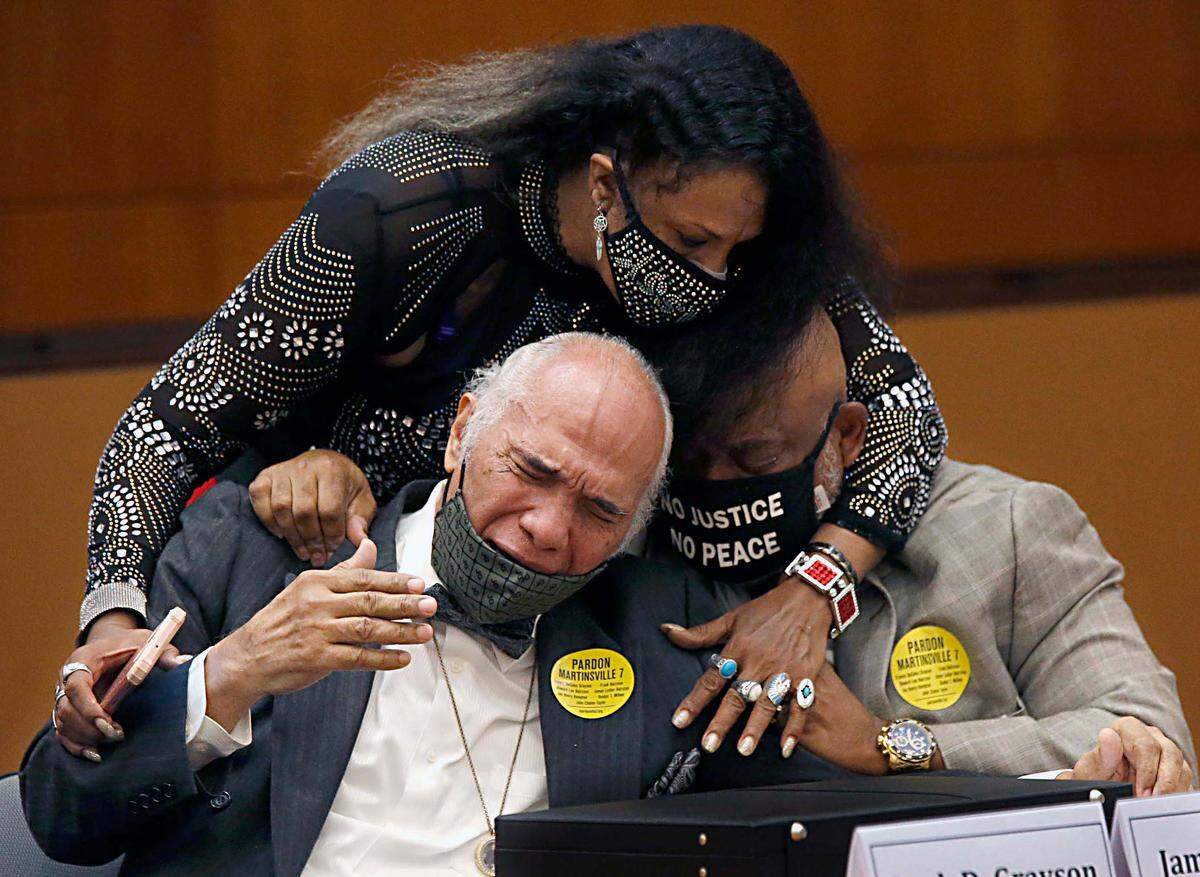
Seven Black men executed for alleged rape posthumously pardoned:
Today’s Black History fact comes straight from Virginia, where, in 1951, the “Martinsville Seven” were sentenced to death for allegedly raping a 32-year-old white woman. On Tuesday, after years of protest from the seven men’s families, Virginia Gov. Ralph Northam posthumously pardoned the seven.
“While these pardons do not address the guilt of the seven, they serve as recognition from the Commonwealth that these men were tried without adequate due process and received a racially biased death sentence not similarly applied to white defendants,” Northam’s office said Tuesday, according to CNN.
As CNN’s Kristina Sgueglia noted, the seven men — Francis DeSales Grayson, 37; Booker T. Millner, 19; Frank Hairston Jr., 19; Howard Lee Hairston, 18; James Luther Hairston, 20; Joe Henry Hampton, 19; and John Claybon Taylor, 21 — were convicted under sinister circumstances:
Family members of the seven men said their relatives were interrogated under duress, without the presence of a lawyer, and their confessions were coerced under threat of mob violence.
The “Martinsville Seven” were convicted of raping 32-year-old Ruby Stroud Floyd, who had gone to a predominantly Black neighborhood in Martinsville, Virginia, on Jan. 8, 1949, to collect money for clothes she had sold.
For those who argue that this incident is “distant history,” consider a quote from one of the seven’s relatives.
“I was traumatized by this incident,” Curtis Millner told CNN. He was just 9 when the state executed his cousin Booker T. Millner. “I’m looking for closure.”
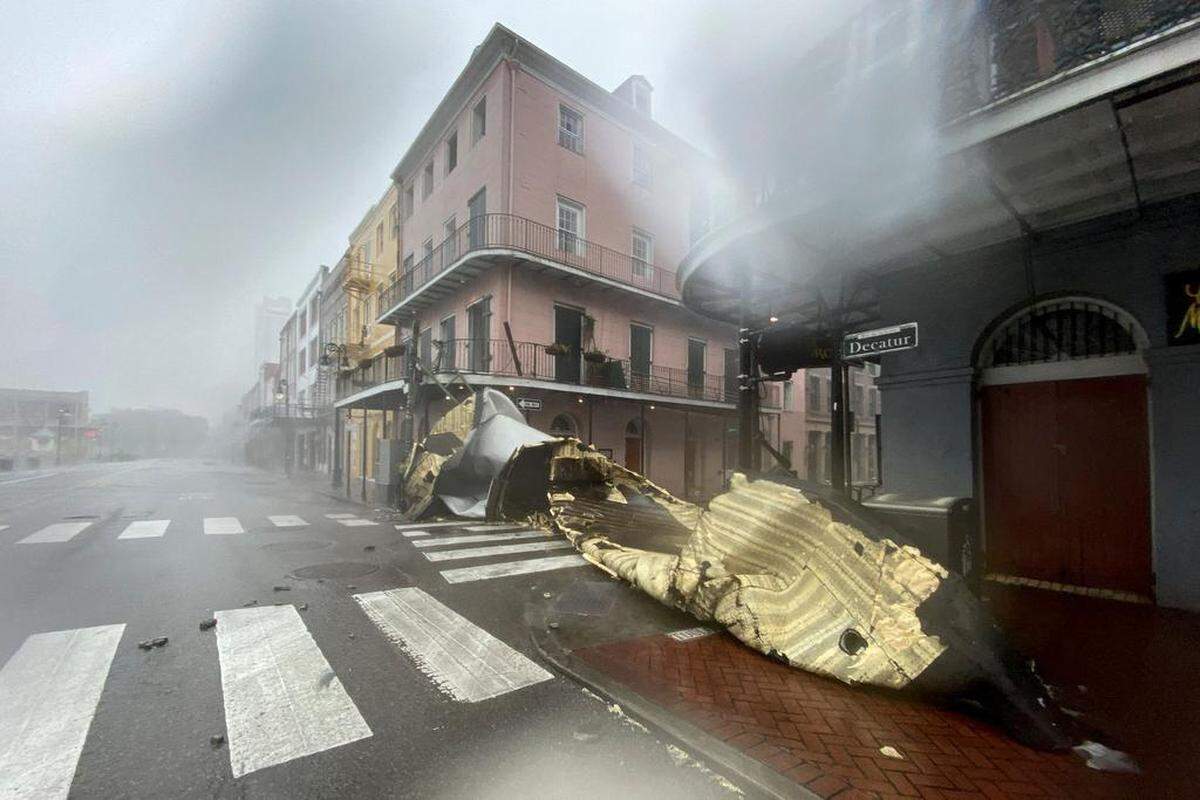
The latest on the aftermath of Hurricane Ida:
Hurricane Ida rocked Louisiana and Mississippi, beginning Sunday. The Category 4 hurricane dumped more than 1 foot of rain in some areas while 150 mph-winds whipped in others. As of Wednesday, more than 1 million homes and businesses in both states remain without power, according to the New York Times.
The deaths of at least seven people throughout the southern United States are linked to the storm, the Times also reported.
The remnants of Hurricane Ida also raged through the northeast Wednesday evening. A new record for rainfall — 3.1 inches in Central Park within one hour, according to the Times — was set in New York City. The storm is believed to have killed at least 14 people in the region, while tornado warnings were issued in areas of the Bronx, Pennsylvania, New Jersey and Delaware.
For those wanting to help, here’s a link on how to get involved.
HIGH CULTURE
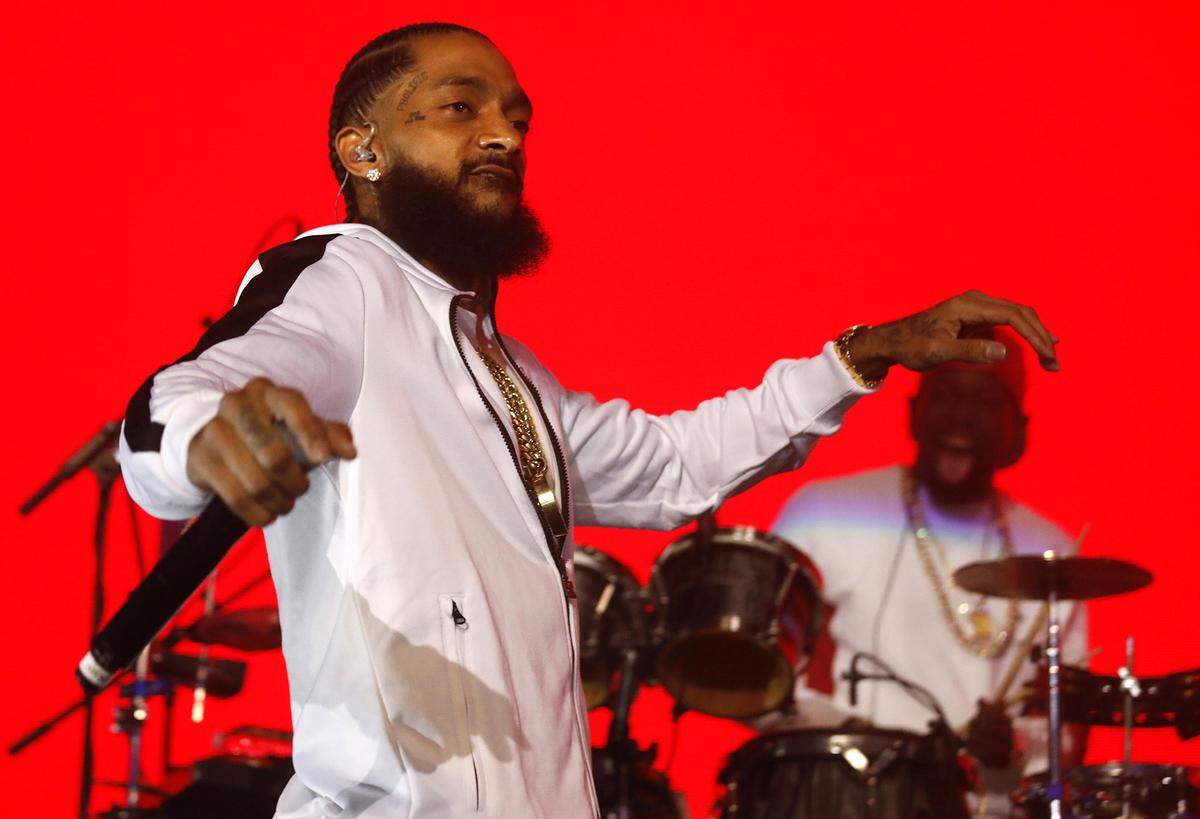
“The King of Crenshaw” explores the connection between Nipsey Hussle and the sports world:
The Undefeated’s Justin Tinsley’s affinity for the late Nipsey Hussle extends far past the music. That interest spawned “The King of Crenshaw,” a four-part podcast series narrated by Tinsley that examines how Hussle’s life left a lasting impression on athletes and Black Americans alike. It’s an important piece of work, one that features interviews with everyone from NBA stars to Hussle’s family to culture critics.
You can find “The King of Crenshaw” on Spotify, Apple Podcasts and on most podcasting networks.
Where does “The 44 Percent” name come from? Click here to find out how Miami history influenced the newsletter’s title.