Check out Al Capone’s house? Here’s photos of his Miami Beach pad through the decades
Mobster Al Capone’s final residence is getting a final curtain call, since the Miami Beach property owners intend to tear it down.
Built in 1922, the former Capone residence is most known for the gangster’s years there before he died at the house in 1947. The two-story house has nine bedrooms, six bathrooms and two half bathrooms. One of Palm Island’s first residences, Capone later added the 60-foot-long swimming pool, modeled after the Biltmore Miami Coral Gables hotel, one of his favorite watering holes in the county.
Preservationists and many Miami Herald readers favor saving the Miami Beach house.
“This year will be its 100th birthday. This house has survived hurricanes, Scarface and so much more. It encapsulates so much history of this city,” said Daniel Ciraldo, executive director of the Miami Design Preservation League.
Miami Herald archival photos show the Palm Island residence through the decades.
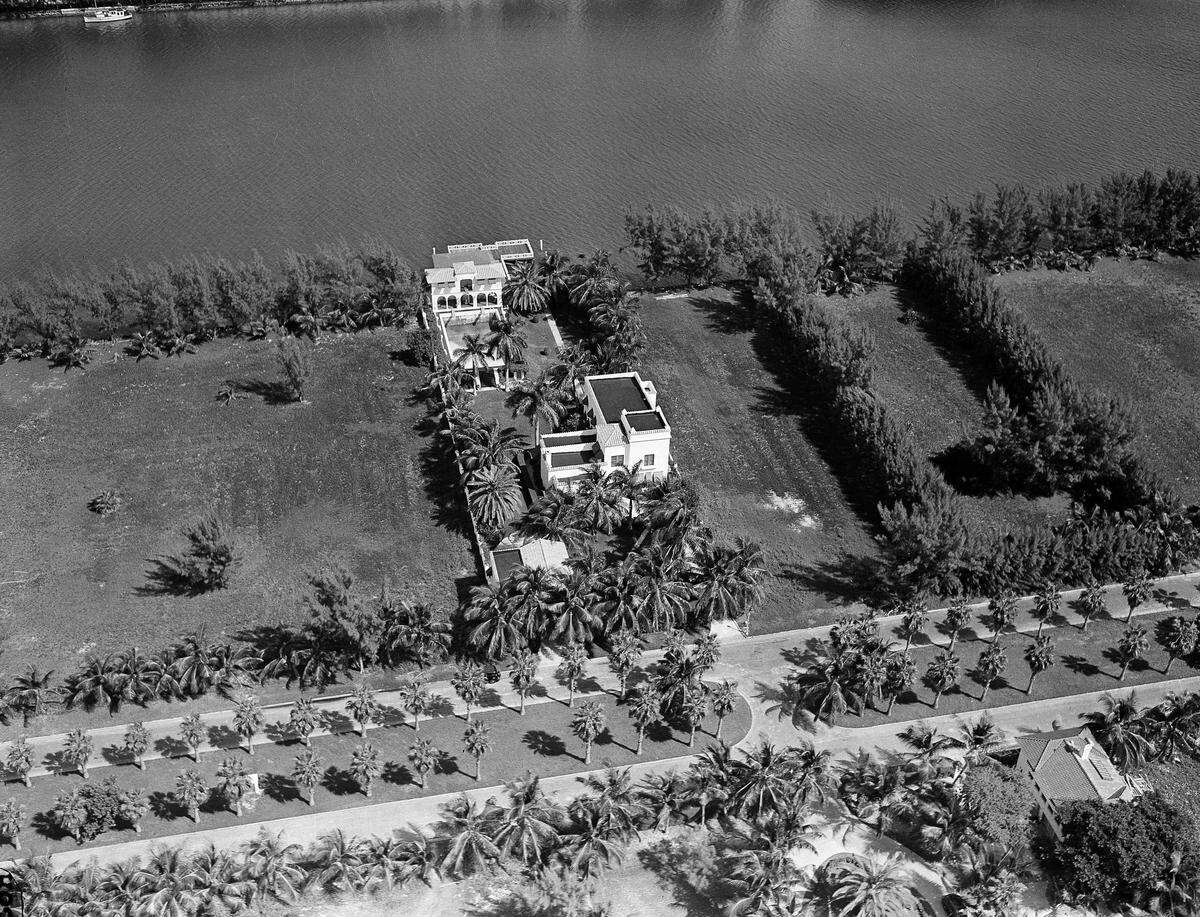
Parker Henderson Jr., son of former Miami Mayor Parker Henderson, bought the house in 1928 and soon sold it for $40,000 to Mae Capone, Capone’s wife, according to Herald archives.
At the time, South Florida was still recovering from the Great Miami Hurricane that flattened the area in 1926. The house became party central for Capone and his cohorts, who needed respites from their Chicago day jobs of bootlegging, money laundering, prostitution and gambling.

Visiting often, Capone notoriously plotted and hid at the house, while ordering his Chicago gang to carry out the St. Valentine’s Day Massacre.
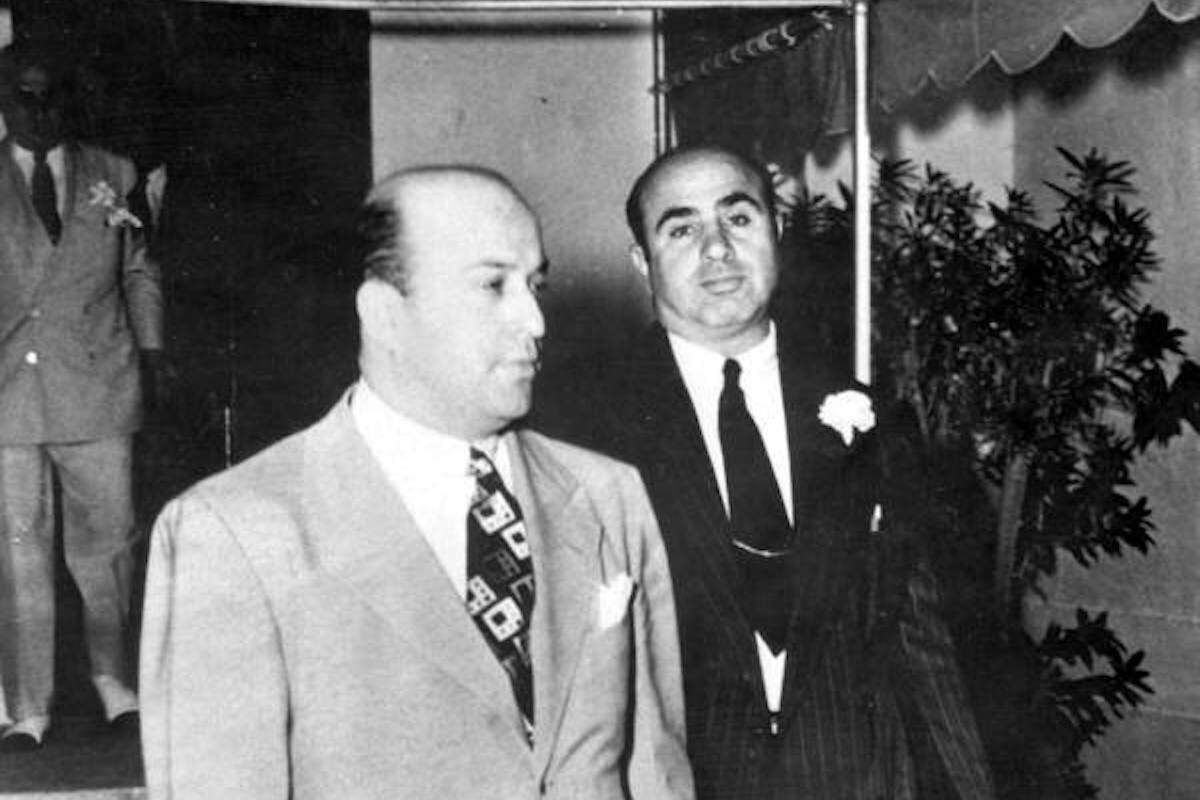
After the Valentine’s Day Massacre, Capone earned the nickname “Public Enemy Number One.”
In 1931, Capone was sent to prison for tax evasion and served six and a half years, most of them at the Alcatraz Island in San Francisco Bay. He was released in 1939 and later returned to his Palm Island getaway. His family often gathered at the residence before he died on site in 1947.
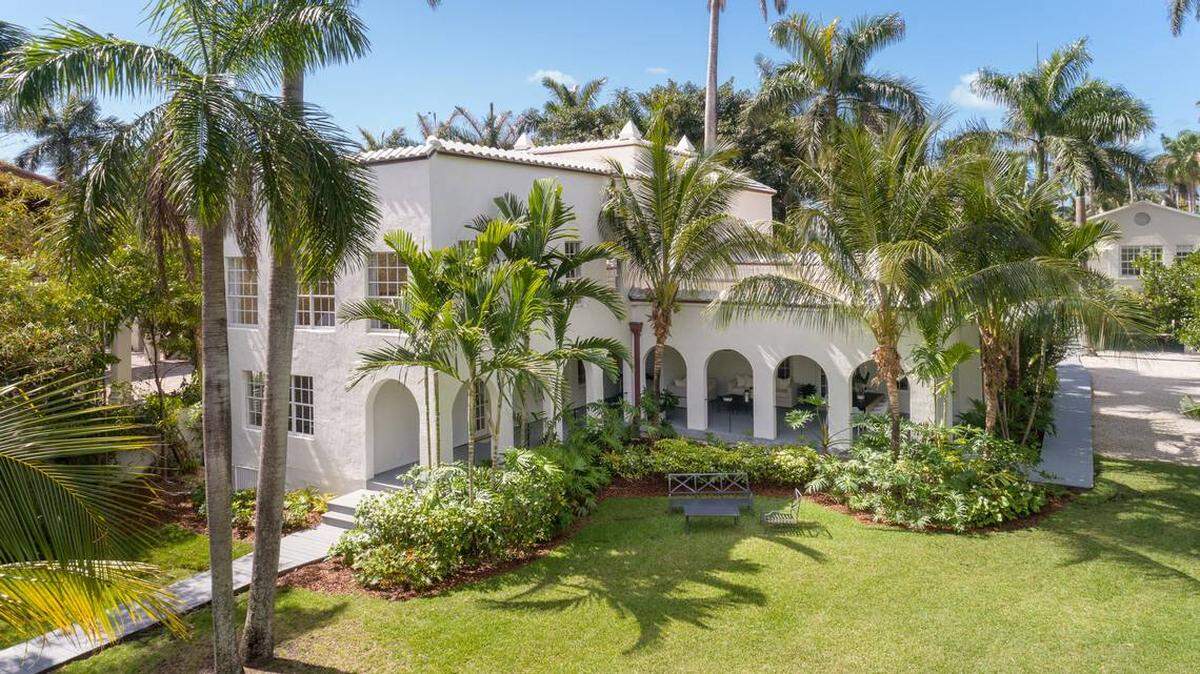
The house exchanged hands multiple times after Capone’s death, trading for millions in the early 2000s.
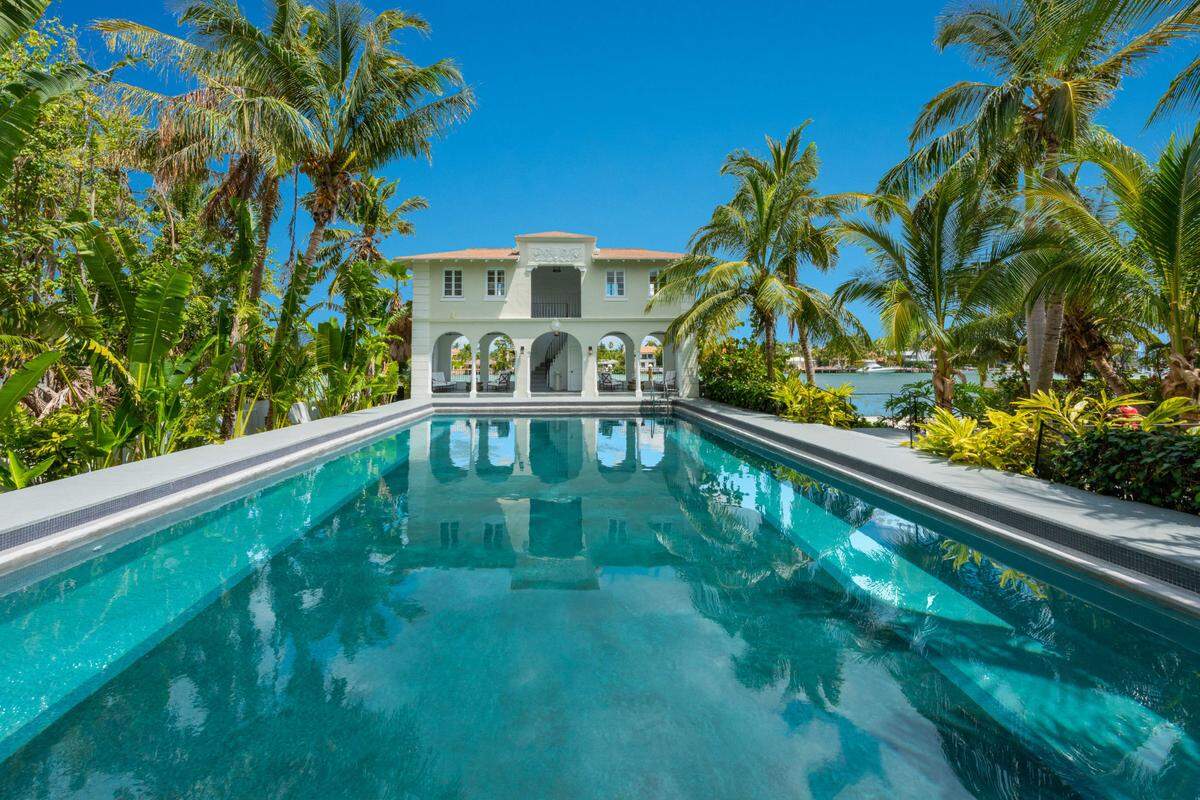
Developer Todd Michael Glaser and partner Nelson Gonzalez, senior vice president of Berkshire Hathaway HomeServices EWM, acquired the house in 2021 with plans to demolish the residence and replace it with a sleek mansion. After facing backlash from preservationists, the business duo sold the residence to the Claramonte family.
This story was originally published November 11, 2022 at 5:30 AM.