‘It is significant’: Miami Beach moves to save Al Capone’s historic house from demolition
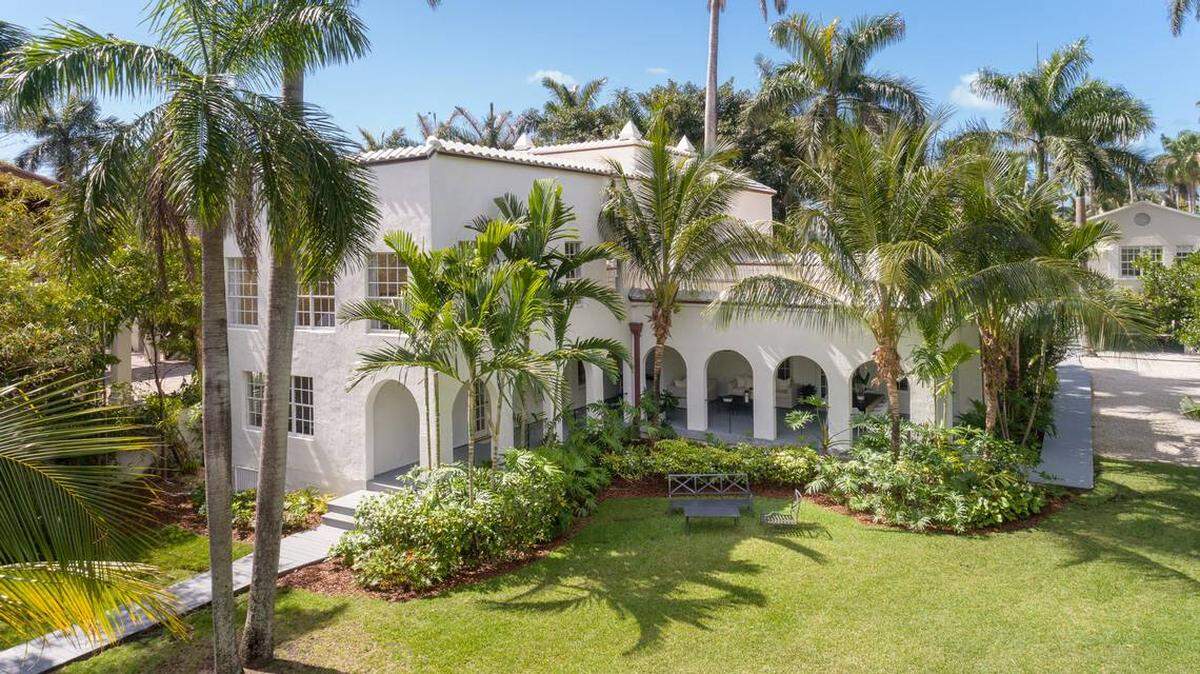
In a turnabout for the landmark property, gangster Al Capone’s historic Miami Beach bayfront house is on its way to being saved from demolition.
The Beach’s Historic Preservation Board on Tuesday unanimously voted to ask the city’s planning department to prepare a historic designation report for Capone’s former 6,000-square-foot 1922 Mediterranean residence at 93 Palm Island, the next step required for historic preservation of the site.
It could take a year for the house to be declared historically significant. And the Miami Beach Commission will make the final determination if the house ultimately is saved.
The decision counters the recommendation by Miami Beach’s planning officials who had urged rejecting historic designation on Capone’s final home where he died in 1947.
“I don’t believe in cancel culture. Al Capone is part of the history of Miami Beach. You can’t ignore the things that have happened in the past,” said Jack Finglass, chairman of the historic preservation board. “Not every historic house has to be pretty to be important. It is significant of its style.”
Finglass, who ended his time as chairman Tuesday due to term limitations, doggedly pursued historic designation for Capone’s house since the fall when the home first faced demolition.
What’s more, the preservation board’s decision comes after the Miami Herald on Sunday revealed the city that built its storied revival on the preservation and renovation of a rich trove of Art Deco, Mediterranean and mid-20th century buildings does little to protect its equally defining stock of historic and architecturally significant single-family homes and estates from the same era.
During the board’s hearing Tuesday, Finglass noted the Herald’s recent coverage of the matter riling Miami Beach and said there needed to be a bigger effort to save landmark houses like Capone’s. Otherwise, he said, “Why are we here?”
Unlike other South Florida communities such as Coral Gables, the City of Miami and the town of Palm Beach, Miami Beach neglects designating houses as historically important, leaving it to owners to pursue such designation.
Four months ago, longtime area luxury home developer Todd Michael Glaser and partner Nelson Gonzalez, an investor and senior vice president of Berkshire Hathaway HomeServices EWM, acquired the Capone house for $10.75 million with plans to demolish the residence. After facing backlash from locals and historic preservationists, Glaser and Gonzalez sold the house for $15.5 million weeks later to 93 Palm Residence LLC that’s managed by a Coral Gables accountant.
Representing the undisclosed individual owner of the Capone house at the preservation board meeting, John Shubin, founding partner of Miami’s Shubin & Bass law firm urged against historic designation for the home.
“Although they don’t have plans with the place, it is the owner’s wishes to maintain as much flexibility as possible, including potential demolition of the place.” Shubin said, “We will work with the historical community to recognize the site ... to preserve the history and legacy of the site.”
The single-family house that includes a 60-foot-long swimming pool sits on nearly an acre on manmade Palm Island. The two-story residence has nine bedrooms, six bathrooms and two half bathrooms. Parker Henderson Jr., son of former Miami Mayor Parker Henderson, bought the house in 1928 and soon sold it for $40,000 to Mae Capone, Capone’s wife, according to Herald archives.
Visiting often, Capone notoriously plotted and hid at the house, while ordering his Chicago gang to carry out the St. Valentine’s Day Massacre.
.jpeg "Image (3).jpeg")
Capone’s former historic home is an example of the many old key residential properties that often face an uncertain future in Miami Beach. More and more owners want to replace their houses with new construction, according to a surge in demolition applications from 2019 through 2021. The city, which has no power to block most home demolitions, received 34 teardown applications in 2021, up from 13 in 2020 and 24 in 2019, according to city records and data from the Miami Design Preservation League.
To politically powerful real estate brokers and developers behind many of the home teardowns in the Beach, no house is sacred, no matter how historic or architecturally distinguished — and they say little stands in their way.
Developer Glaser summed it up candidly last week to the Herald, “... It might be a fight, but you can knock anything down.”
However, Miami Beach residents, others from across Miami and the country asked the preservation board members to block Capone’s house from being torn down.
“(Capone) represented a time in history that was notorious and special related to gangster history and how the U.S. responded,” said Wayne Roberts, a South Beach resident. “I’m more about protecting the rights of owners, but this is a very important home.”
A group of people either attended or called into Tuesday’s meeting, all of them rallying behind historic designation.
Calling in, Brett Gillis of Coral Gables said of Capone’s 100-year-old waterfront house: “If this isn’t historic, then what is?”
This story was originally published January 11, 2022 at 1:19 PM.