
Coral Gables, Miami and Palm Beach protect historic homes. Why won’t Miami Beach?
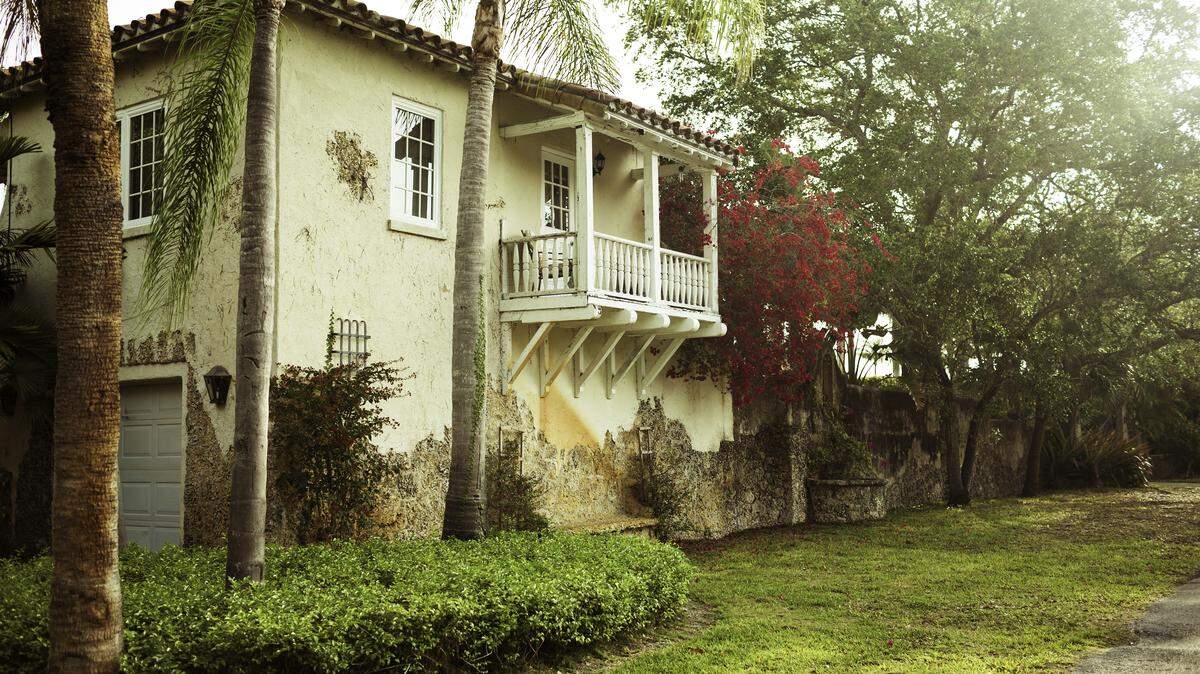
If Coral Gables, the town of Palm Beach and even the City of Miami all do it as a matter of course — that is, zealously protect architecturally or historically significant houses in residential neighborhoods — could Miami Beach do it, too?
That’s the question facing long-reluctant Beach elected leaders amid a worsening rash of teardowns of signature Mediterranean-style homes dating to the first part of the 20th century.
Preservationists hope public outrage will help persuade Beach elected officials to adopt preservation practices modeled after Coral Gables to stave off demolition of the city’s most important landmark homes and estates, the object of a sustained buying frenzy by developers and the ultra-wealthy looking to replace them with massive new homes.
Although the Beach is famous for strictly controlling what building owners can do inside its extensive 20th century historic districts, which stretch along the barrier island’s Atlantic coastline, it confers virtually no legal protection to homes in its equally defining single-family neighborhoods to the west.
Beach policy represents a sharp contrast with common practice in other cities known for successful preservation of homes and residential districts, including Miami, Coral Gables and the town of Palm Beach, among others. In Miami, historic designation of several bayfront neighborhoods, starting with Morningside in the 1980s, is widely credited with reviving the city’s Upper East Side.
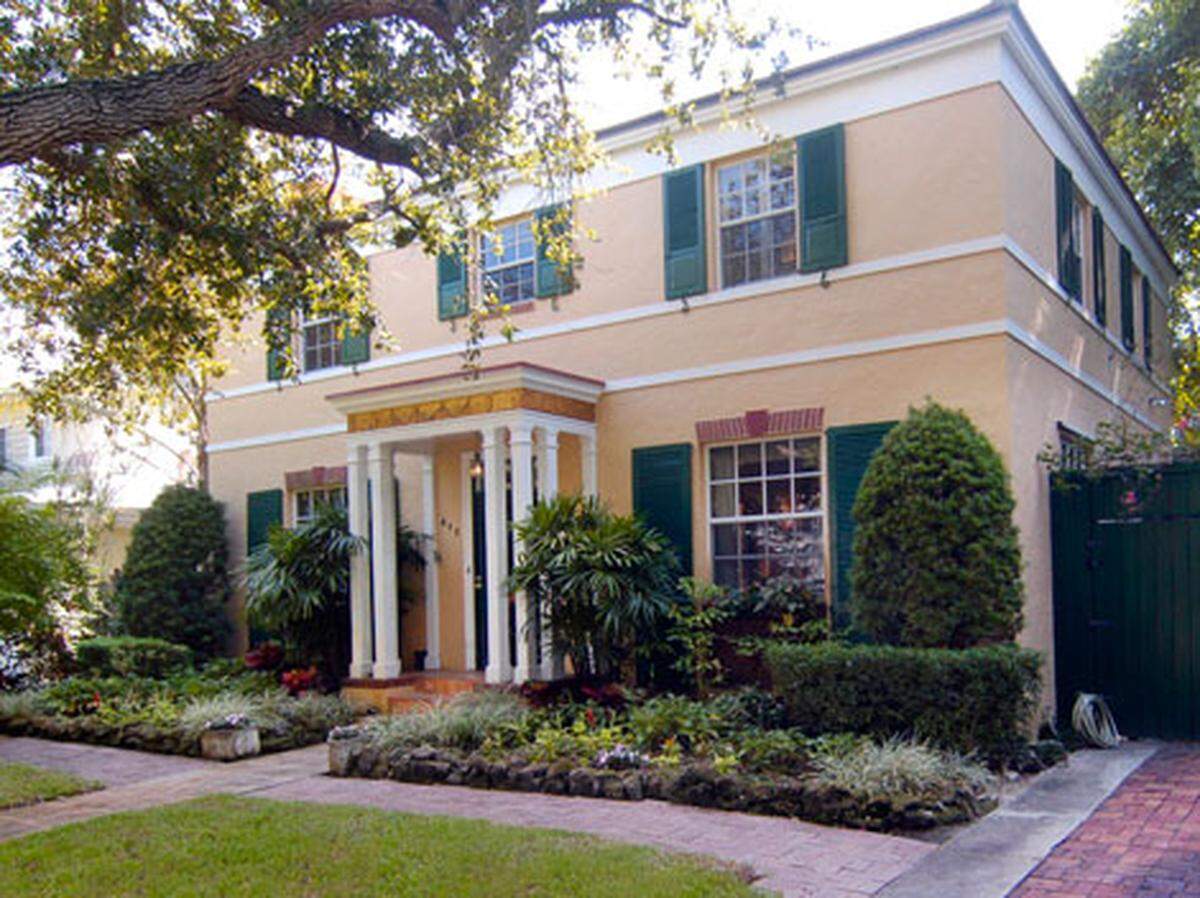
Palm Beach, the exclusive island town in Palm Beach County, is experiencing a similar surge of big money, head-spinning prices — a new oceanfront home recently sold for $122 million — and pressure to replace older homes, especially those at risk from rising seas. But town leaders have mostly stood fast on strict preservation rules. The municipality of 9,200 people lists 328 protected properties, most of them residential.
Typically, protected homes can be expanded with approval of historic preservation boards to ensure congruence. Homes within historic districts but not deemed significant can be torn down. Designated homes qualify for significant tax and zoning breaks if renovated or expanded.
The Gables is known for especially tough protection of single-family neighborhoods and homes. By law, all applications for demolitions for homes 50 years and older are reviewed by the city preservation office. Those deemed architecturally or historically important — a tiny percentage of those reviewed, city statistic show — are sent for designation to the Gables preservation board, whether owners agree or not.
That last approach is common practice, upheld consistently by the courts, and widely regarded as critical to the success of historic preservation. Supporters note that the preservation of South Beach’s famed Art Deco hotels, commercial buildings and apartment blocks in the mid-1980s never would have happened had owner consent been required first. In fact, opposition was strenuous.
The Gables’ policy doesn’t mean every potentially significant home is protected. In a recent and controversial instance, the city preservation board and commission opted against designating a historically important early ranch home designed by prominent Miami and Miami Beach architect Russell Pancoast that the city preservation office proposed preserving after new owners sought demolition.
A neighbor sued the Gables, contending undue political interference in the decision not to designate. The suit blocked the teardown for nearly two years until the courts upheld the city’s stance. The house, on Asturia Avenue, was taken down in late November.
In the Beach, Jack Finglass, chairman of the historic preservation board, organized a joint meeting in November with the city’s Design Review Board, which approves plans for new construction, to address the demolitions issue. The recommendations they made, based on the Gables’ model, should be heard at a commission land-use committee hearing in February, though no date has been set, Beach planning director Thomas Mooney said.
If adopted, the measures, endorsed unanimously by the 11 board members participating, would significantly tighten the Beach’s handling of significant homes facing demolition. They call for creating a program requiring the Beach preservation office to review all demolition applications for homes older than 50 years, and referrals to the city preservation board for those deemed eligible for designation. Other ideas include expanding the design board’s authority to deny demolitions by a supermajority vote, a power the seven-member panel now lacks.
That approach has been proven to work in Coral Gables, which enjoys perpetually high demand and increasing prices for its homes, said Daniel Ciraldo, director of the Miami Design Preservation League.
But Miami Beach Mayor Dan Gelber said he has little appetite for that, citing a reluctance to interfere in homeowners’ decisions about disposition of their properties, often their main retirement nest egg. Gelber has instead been talking to city planners about ways to improve stronger incentives to owners to save historic homes, but he’s not prepared to discuss details.
“I prefer incentivizing rather than an involuntary designation over the objection of landowners,” Gelber said.
Ciraldo said the idea that designating homes as historic reduces their value or makes them less salable is a misconception belied by the Gables, Miami and Palm Beach and other communities that protect historic homes.
He said a consistent review process would go a long way to ensuring that significant homes like gangster Al Capone’s old residence on the Beach’s Palm Island aren’t targeted for teardowns, as happened recently.
“To think that someone can just fill out a form and knock down the Al Capone house without any historical review is pretty absurd,” Ciraldo said.
This story was originally published January 9, 2022 at 6:00 AM.