The best claims adjuster courses should help you do more than just pass the exam.
It should help you understand policies, evaluate damage, document claims, and feel less lost when the real work starts.
And right now, that matters more than ever.
With 25% of claims adjusters expected to retire within the next five years, there’s room for new people in the field. But getting licensed is only part of the process.
I reviewed the top claims adjuster courses to see which ones offer strong exam prep, practical training, and the best overall starting point.
Best Claims Adjuster Courses at a Glance
- Mometrix – Best overall
- ExamFX – Best for beginners
- Kaplan – Best for structured licensing success
- WebCE
- AdjusterPro – Best for real-world training
| Claims Adjuster Course Comparison Chart | ||
 |
| LEARN MORE |
 |
| LEARN MORE |
 |
| LEARN MORE |
 |
| LEARN MORE |
 |
| LEARN MORE |
1. Mometrix: Best Overall

When I reviewed Mometrix, it felt very clear that this platform is designed with one goal in mind: helping you pass your state license exam as efficiently as possible.
It doesn’t try to be a full insurance adjuster training program. Instead, it focuses heavily on repetition, memorization, and pattern recognition. You’re working through a large bank of practice questions, detailed flashcards, and simulated exams that mirror what you’ll see on test day.
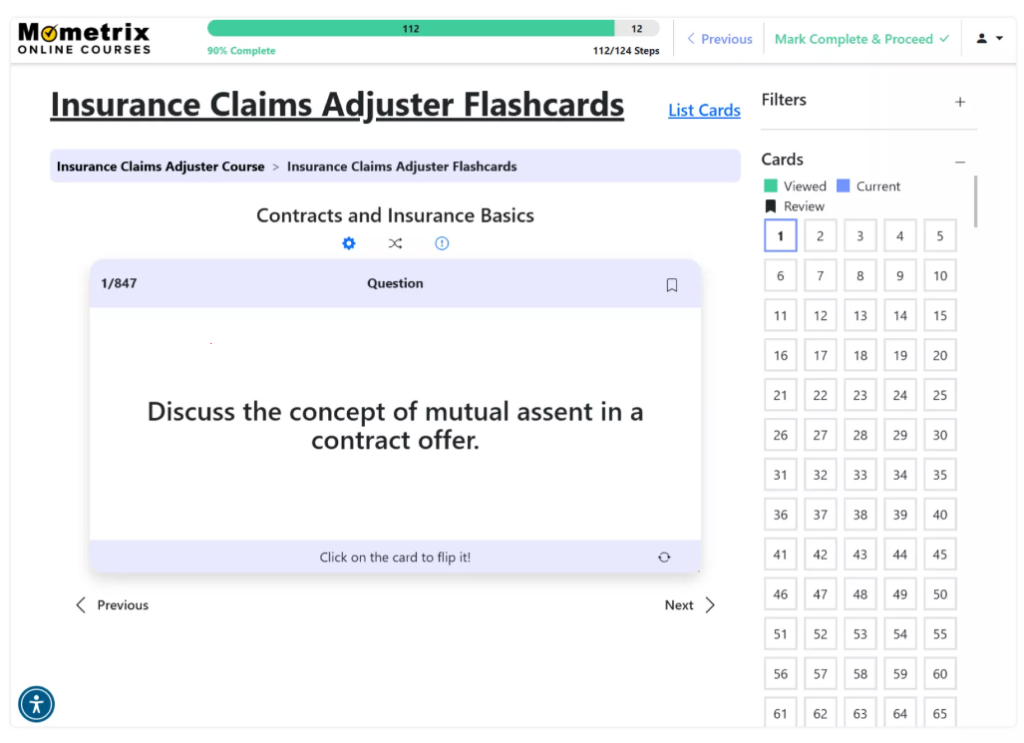
From my perspective, Mometrix works best for people who already have some familiarity with the insurance industry or have completed a pre-licensing course elsewhere. The material assumes you recognize key concepts like policy structure and fundamental claims terminology.
Where Mometrix shines is in reinforcement. If you’re in the final stretch before your exam and need to tighten up your understanding, it does a good job of helping you identify weak areas and improve recall.
Features
- 90+ insurance claims adjuster lessons
- 840+ flashcards
- 450 practice questions
- Progress tracking
- Bonus tools and tips
- Online, self-paced study format
- Money-back guarantee
Pros
✅ Affordable way to start studying
✅ Large volume of flashcards and practice questions
✅ Covers several important licensing topics in one place
✅ Progress tracking helps keep study sessions organized
✅ Good option for exam-focused review before test day
Cons
❌ It feels more like a study supplement than a complete pre-licensing course
Bottom Line
Mometrix is a strong option if you are looking for a focused exam prep tool with a large volume of practice material. It works best as a supplement rather than a standalone course. You will get the most value if you already have a basic understanding of insurance concepts. I would recommend it for final review before your exam rather than as your primary training program.
2. ExamFX: Best for Beginners

ExamFX is one of the most approachable and beginner-friendly insurance schools I reviewed, and it feels much closer to a true starting point for aspiring adjusters.
What stood out to me right away is how clearly the course is structured. Instead of overwhelming you with information, it walks you step-by-step through how the insurance industry works, how claims are processed, and what role an adjuster plays in that system.
You’re not just memorizing definitions, you’re building context.
The course does a good job of explaining how insurance policies are written, how coverage decisions are made, and how claims move from initial report to final settlement. That foundation is incredibly important, especially if you’re new to the field.
The platform also reinforces learning consistently. You’ll move through lessons, then immediately apply what you’ve learned through quizzes and practice exams. This creates a steady rhythm that helps you retain information without feeling overwhelmed.
Features
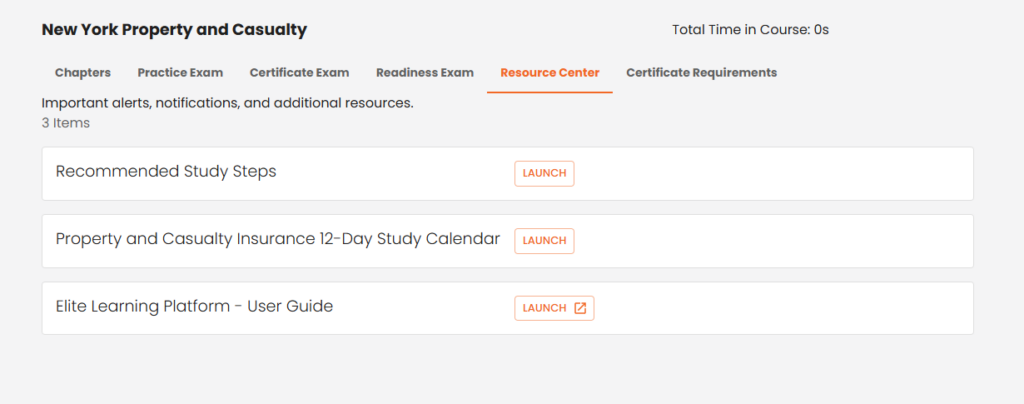
- Choice of self-study or video study package
- 60 days of course access
- Interactive learning portal
- Instructor support
- Technical support
- On-demand video lectures are included in the video package
- Online, self-paced format
- State-specific licensing prep options
Pros
✅ Strong beginner-friendly structure
✅ Two package options make it easier to match your learning style
✅ Instructor and technical support add real value
✅ Video package is especially helpful for visual learners
✅ Does an impressive job explaining the basics
Cons
❌ Access is limited to 60 days
❌ It focuses more on licensing prep than real-world adjusting skills
Bottom Line
ExamFX is one of the best entry-level options for aspiring adjusters. It provides structure, support, and a clear path through the material, which is especially helpful for beginners. The focus is more on licensing prep than job readiness, but that is exactly what most new students need. I would recommend it if you want a guided and approachable starting point.
3. Kaplan: Best Structure

Kaplan stands out as one of the most polished and strategically designed programs in this space. After reviewing it, I understood why it’s often recommended for insurance adjuster licensing prep.
Everything about the course feels intentional. The structure, the pacing, and the study tools are all built around helping you not just learn the material, but actually pass your state exam on the first attempt.
One of the strongest features is the question bank. Instead of simply testing your knowledge, it trains you to recognize patterns and think through questions the way the exam expects you to. Over time, you start to see how topics are tested, which gives you a major advantage.
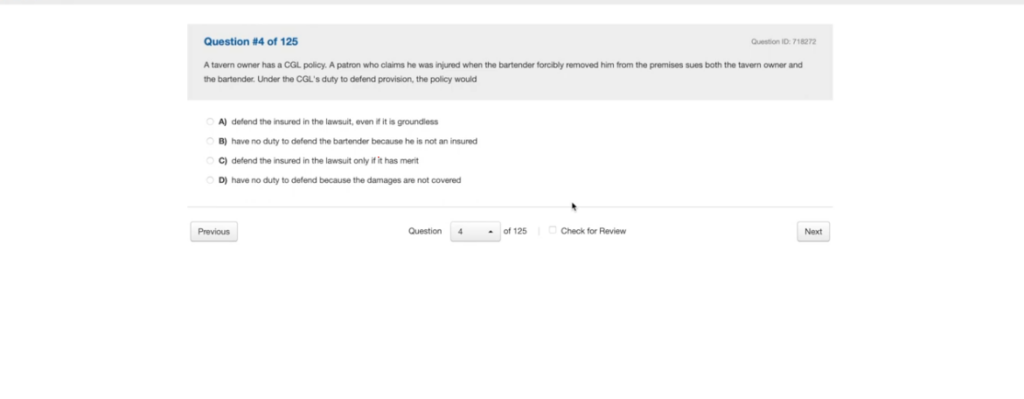
Kaplan also goes deeper than surface-level definitions. It explains why policies are structured the way they are and how claims decisions are made. That added context makes it easier to apply what you’re learning, rather than just memorizing it.
Features
- Essential Package format
- 60-day online access included
- Self-study online course
- Pre-study assessment
- InsurancePro QBank
- Checkpoint exams
- Mastery exam
- Video and audio review
Pros
✅ Very strong structure for students who want a guided study plan
✅ Includes multiple review layers like QBank, checkpoint exams, and a mastery exam
✅ Performance tracking makes it easier to study strategically
✅ Goes deep and adds extra context for memorability and foundational knowledge
Cons
❌ Standard access period is only 60 days without an extension
❌ More focused on passing the exam than learning the day-to-day realities of claims work
Bottom Line
Kaplan is one of the best options if your goal is to pass the exam on your first attempt with a structured and strategic study plan. It combines strong practice tools with clear explanations, which makes it more effective than most basic prep courses. The shorter access period may require you to stay disciplined, but the overall experience is very well designed. I would recommend it for students who want a polished, exam-focused program.
4. WebCE: Best for Skill-Building

WebCE is designed for a different stage of the journey.
This isn’t a beginner course; it’s a platform for continuing education and skill development.
The EXCEED program offers a wide range of training options across different areas of insurance, helping professionals expand their knowledge and stay current in a constantly evolving industry. The content is interactive and designed to reinforce learning over time, which makes it useful for long-term development.
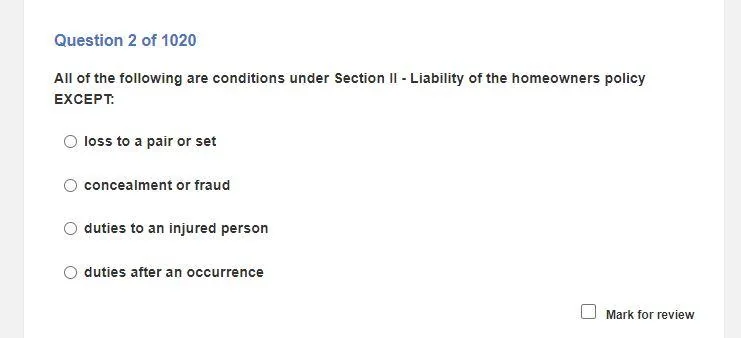
What I found interesting is how flexible the platform is. You can choose specific courses based on your needs, whether you want to improve your understanding of certain policies, refine your claims skills, or stay compliant with licensing requirements.
Features
- 5-day money-back commitment
- DEAC-accredited
- 100% online and self-paced
- Estimated completion time: 4 to 6 months part-time
- One-on-one career coaching
- Instructor support
- 4 instructional packs
Pros
✅ One of the most complete beginner-friendly pathways on the list
✅ Includes career coaching and instructor support, not just study materials
Cons
❌ Longer timeline may not appeal to students who want to get licensed quickly
❌ Feels more like a full training program than a quick exam-prep option
Bottom Line
WebCE is a solid option for professionals who need continuing education and want flexibility. It makes it easy to stay compliant and expand your knowledge over time. It is not designed for initial licensing or deep training. I would recommend it for experienced professionals rather than beginners.
5. AdjusterPro: Best Real-World Training
AdjusterPro is where the training starts to shift from “passing the test” to actually preparing you for the job. Out of all the programs I reviewed, this one felt the most aligned with what claims adjusters actually do in the field. The course doesn’t just cover definitions or exam topics; it walks you through how to evaluate claims, document findings, and interact with clients. You start to see how all the pieces come together, from initial inspection to final settlement.
One thing I noticed is how practical the training feels. Instead of just learning about property damage, you’re thinking through how you would assess it. Instead of just reading about claims, you’re understanding how to manage them.
The platform also includes tools that track your progress and highlight areas where you need improvement. That kind of feedback is incredibly helpful, especially if you’re trying to move quickly toward becoming a licensed adjuster.
Features
- Total Adjuster Package
- 64+ hours of professional training
- Unlimited practice exams
- Exam readiness reporting
- Residential Construction Basics course
- Xactimate training with 12 hours over 3 nights of live webinar and Q&A
- Lifetime access
Pros
✅ One of the most career-focused programs in the group
✅ Includes practical training in construction basics and Xactimate
✅ Lifetime access adds long-term value
Cons
❌ Higher commitment than standard exam prep programs
❌ California-specific package may not be the best fit for students focused elsewhere
Bottom Line
AdjusterPro requires more time and effort than basic prep courses, but the payoff is a deeper understanding of the job. This is a great fit for aspiring independent adjusters or anyone serious about entering the field. I would recommend it if you want both licensing prep and real-world training.
Honorable Mentions
While the courses above stood out as the strongest options, they weren’t the only claims adjuster training programs I looked at. I reviewed additional providers to compare training quality, course structure, and licensing preparation, but these didn’t make the top list based on overall value or depth.
That said, they may still be worth exploring depending on your goals.
| Provider | Overview | Best For |
|---|---|---|
| The Adjuster School | Offers basic adjuster training and exam prep with a focus on getting licensed quickly | Quick licensing path |
| Udemy | Low-cost online courses with flexible topics, but quality varies widely between instructors | Budget learners / supplemental learning |
| ADBanker | Established insurance education provider with structured licensing courses and compliance-focused training | Traditional pre-licensing |
How I Evaluated the Best Claims Adjuster Courses
To determine the best claims adjuster courses, I compared each provider across several key categories that directly impact your ability to pass the exam and succeed in the insurance industry.
Each category was weighted based on how important it is for aspiring adjusters entering the field.
| Category | Weight | What We Evaluated |
|---|---|---|
| Course Content & Coverage | 25% | Depth of material, including insurance policies, claims handling, and property damage concepts |
| Exam Prep Quality | 20% | Practice questions, mock exams, and readiness for the state exam |
| Learning Experience | 15% | Course structure, ease of use, and overall platform design |
| Career Readiness | 15% | Real-world training like Xactimate, claims workflows, and communication skills |
| Support & Resources | 10% | Instructor access, coaching, and additional tools |
| Flexibility & Access | 10% | Course length, self-paced options, and access period |
| Value for Cost | 5% | Overall return based on features and pricing |
Courses that ranked higher typically offered a balance of strong exam prep and real-world training, while lower-ranked options tended to focus on just one area.
How to Find the Right Claims Adjuster Course for You
Choosing the right insurance adjuster training program depends heavily on your experience level, learning style, and career goals. Here’s how to narrow it down.
Learning Style
Some students prefer a structured path with clear guidance, while others want the flexibility of self-paced learning. If you need direction and accountability, a course like ExamFX works well because it walks you through concepts step by step. If you prefer independent study, Mometrix or WebCE may feel more natural.
Course Format
Courses vary between video-based lessons, text-heavy modules, and interactive tools. If you learn best by watching and listening, ExamFX’s video package is a strong option. If you prefer reading and practicing, Kaplan and Mometrix provide more traditional study formats with strong question banks.
Practice Questions and Exams
The ability to practice is one of the most important factors when preparing for your state license exam. Kaplan and AdjusterPro stand out here because they offer extensive question banks and exam simulations that closely match real testing conditions.
Real-World Training
If your goal is to actually work as an adjuster, not just pass the test, look for courses that include practical skills. AdjusterPro is the strongest option here, with training in Xactimate, construction basics, and claims handling.
Instructor Support
Some learners benefit from having access to instructors or coaches. ExamFX and U.S. Career Institute both offer support, which can be helpful if you get stuck or need clarification on complex topics.
Budget
Costs can vary significantly. If you’re looking for a lower-cost option, Mometrix or Udemy-style courses may work as a starting point. If you’re willing to invest more in career readiness, AdjusterPro or U.S. Career Institute provides more comprehensive training.
Course Access Length
Some courses only give you 60 days of access, while others offer extended or even lifetime access. If you need flexibility, look for programs like AdjusterPro or WebCE that allow more time to study and revisit materials.
Final Thoughts
Choosing the right claims adjuster training comes down to your goals.
If you’re trying to pass your exam quickly, Mometrix can help. If you’re starting from scratch, ExamFX provides a strong foundation. And for structure from a reputable provider, consider a course like Kaplan.
The best claims adjuster courses don’t just help you pass; they help you build the skills and confidence needed to succeed in the insurance industry.
FAQs
A claims adjuster investigates insurance claims, assesses damage, reviews policies, and determines payout amounts.
Complete a pre-licensing course, pass your state exam, submit an application, and pass a background check.
It typically takes a few weeks to a few months, depending on the course and study pace.
No, most states only require a high school diploma or equivalent.
Xactimate is software used to estimate property damage. It’s not required, but it is a valuable skill for adjusters.

![Bluehost Promo Codes and Discounts [Verified Coupons]](https://www.miamiherald.com/careers-education/wp-content/uploads/sites/2/2026/10/bluehost-promo-code-mh-1024x768.jpg)
![Incogni Promo Codes [Verified Discounts]](https://www.miamiherald.com/careers-education/wp-content/uploads/sites/2/2026/10/incogni-promo-code-mh-1024x768.jpg)
![Shopify Promo Codes [Verified Discounts]](https://www.miamiherald.com/careers-education/wp-content/uploads/sites/2/2026/10/shopify-promo-code-mh-1024x768.jpg)