Herald endorsement: Our choice in the Miami-Dade sheriff Democratic primary | Opinion
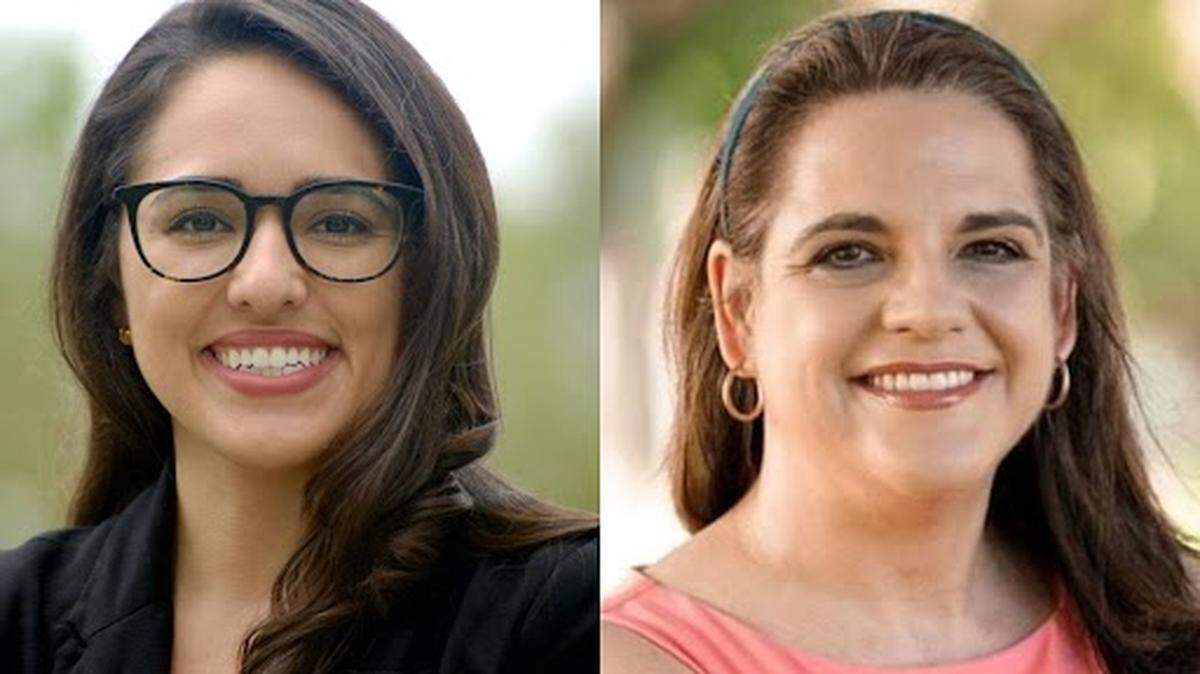
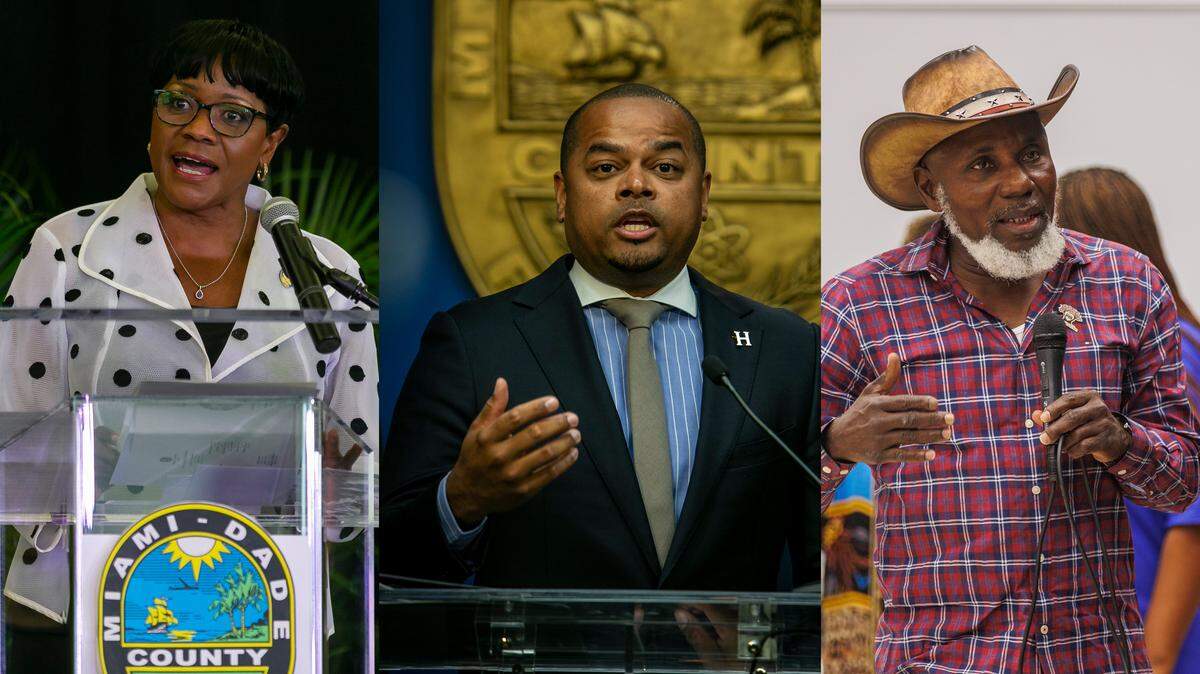
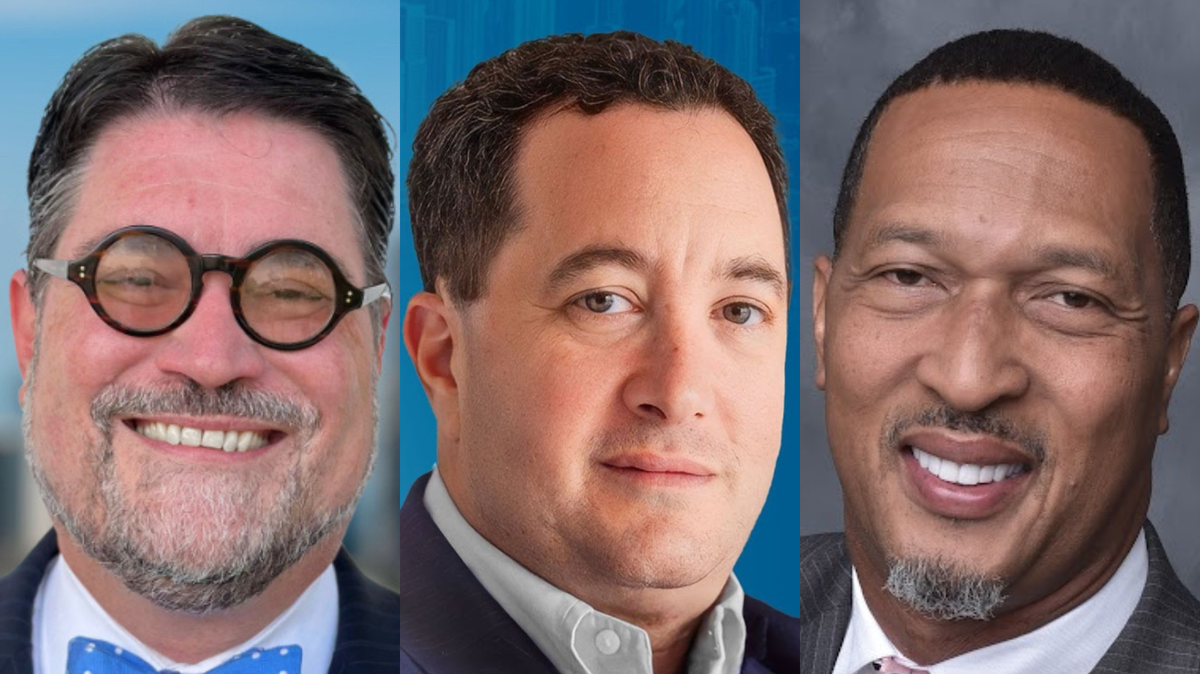
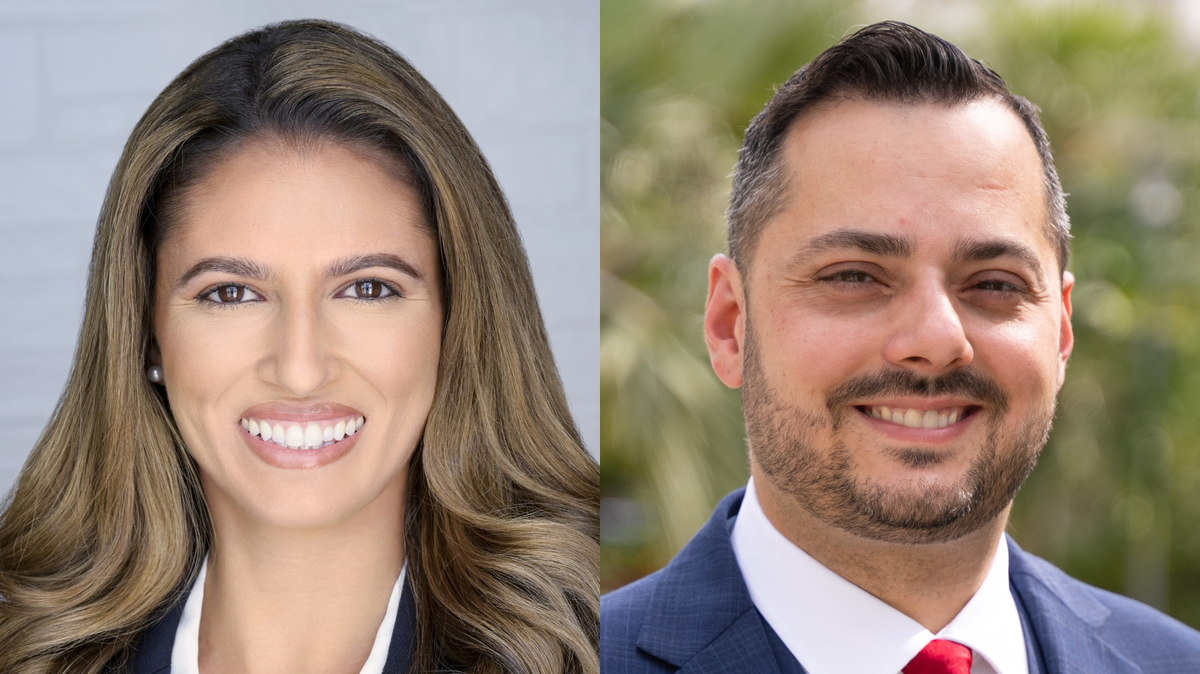
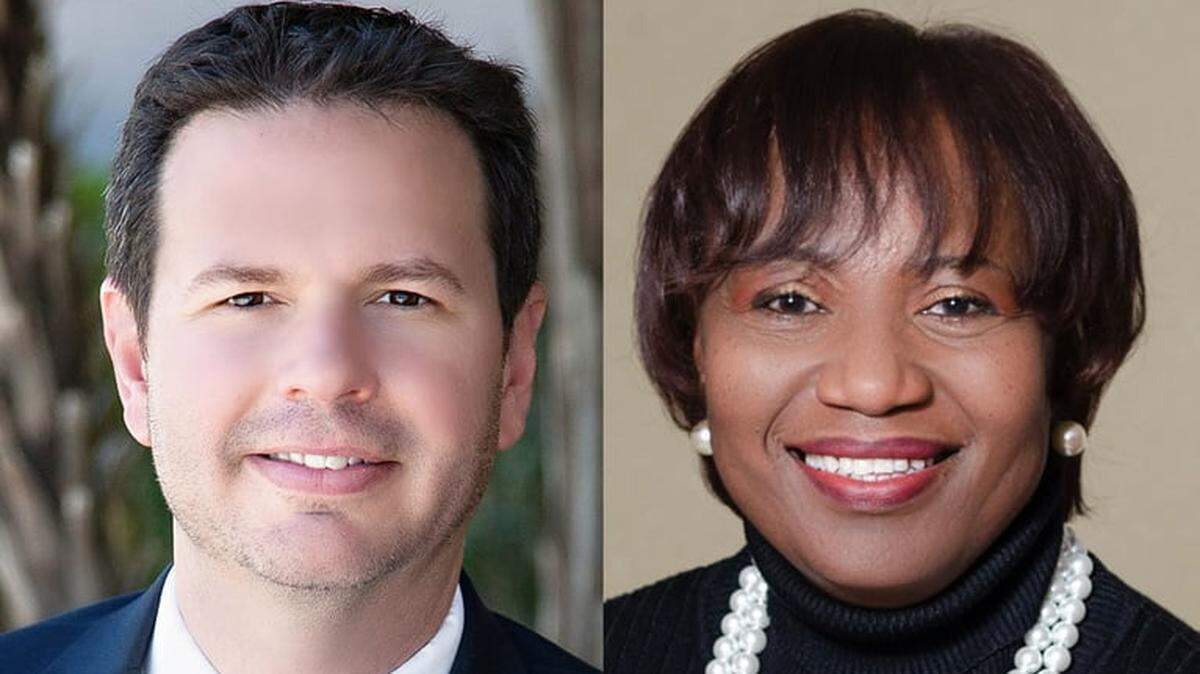
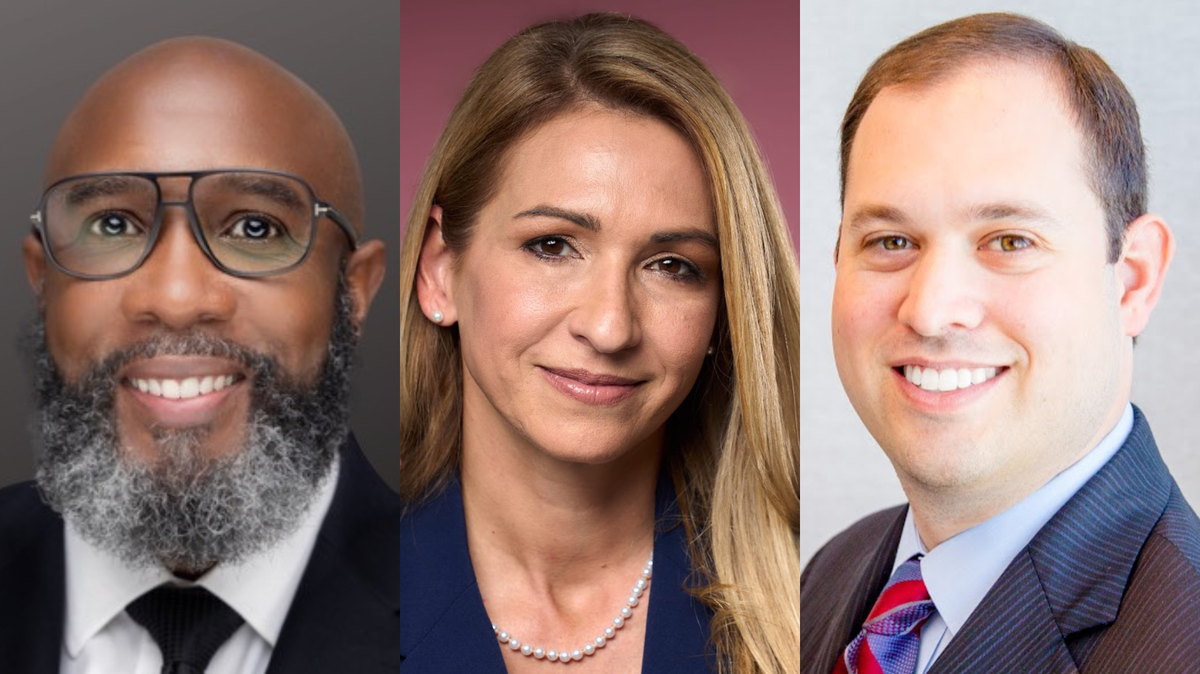
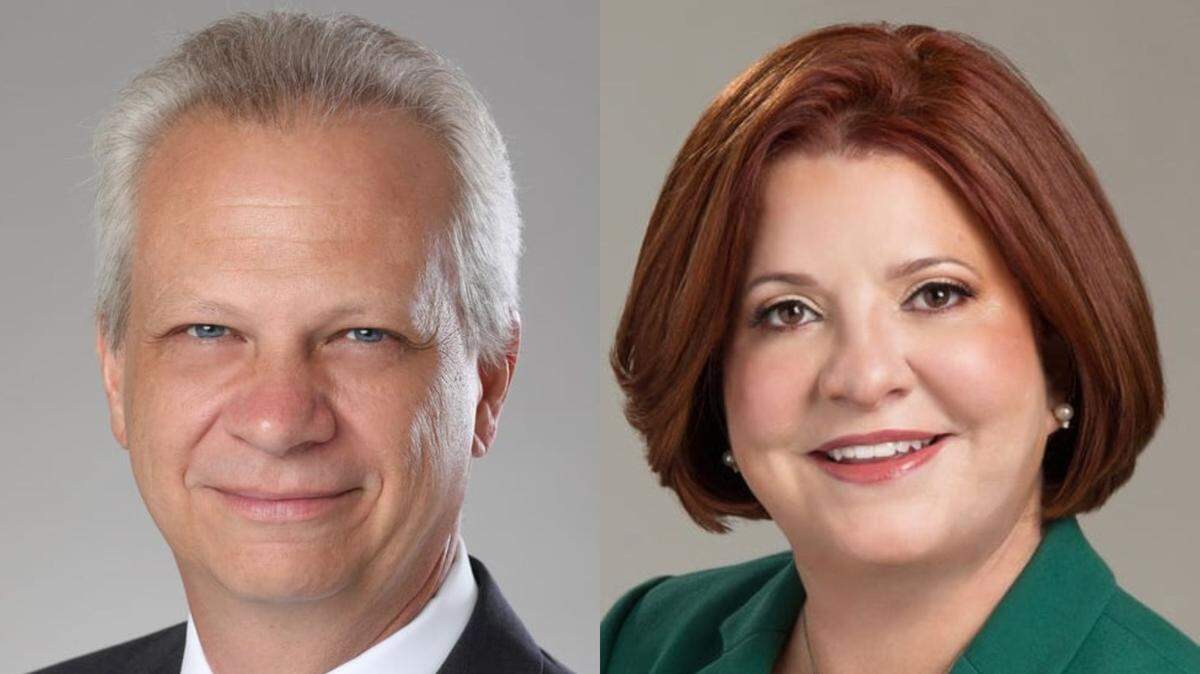
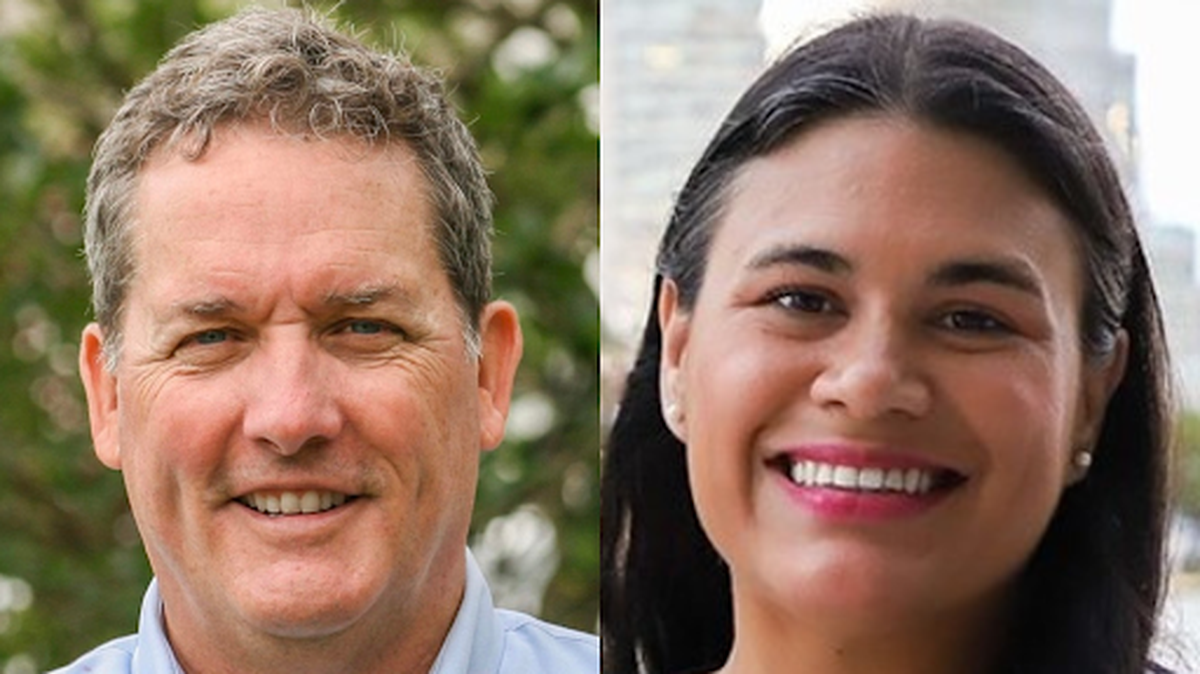
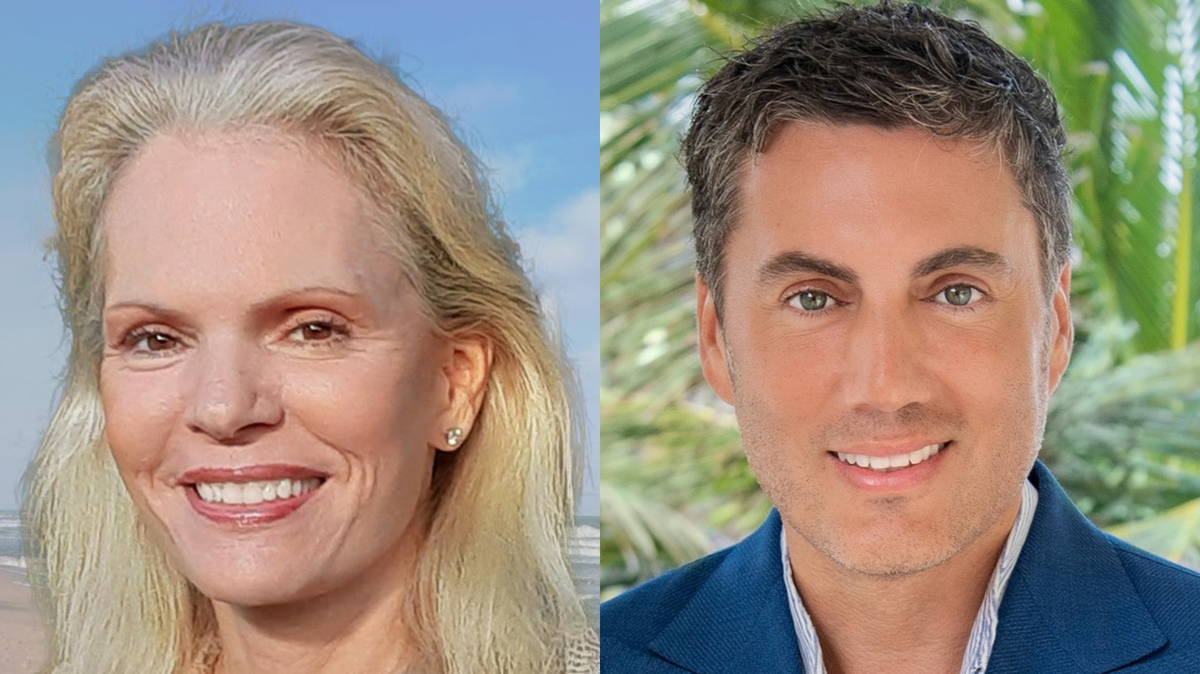
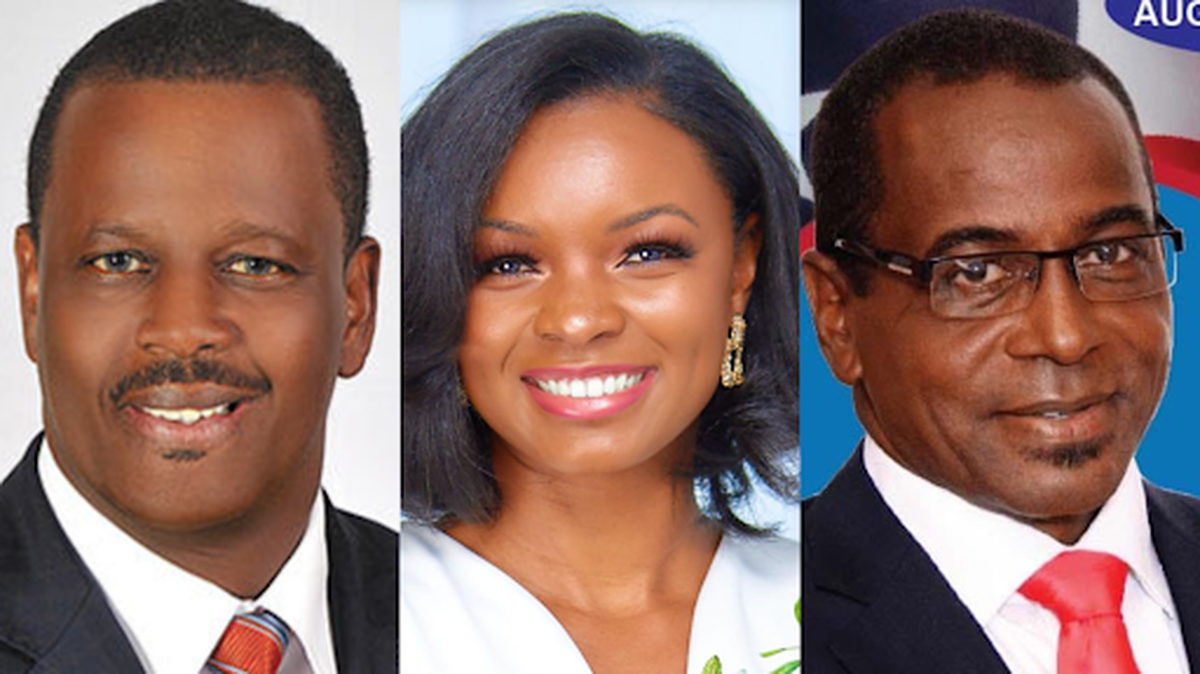
.png "Democratic candidates for Miami-Dade sheriff Rickey Mitchell, James Reyes, Susan Khoury and John Barrow")
READ MORE
Miami Herald Editorial Board’s 2024 Election Endorsements
In advance of the upcoming primary elections on Aug. 20, 2024, the Editorial Board interviewed and researched candidates to better understand their views on various issues and how their policies will affect their constituents. The goal is to give voters a better idea of who’s the best candidate for each race.
Expand All
For the first time in almost 60 years, Miami-Dade County voters will choose a sheriff, a partisan position required by a 2018 voter-approved statewide constitutional amendment.
In the Aug. 20 Democratic primary, there are four sheriff candidates: Miami-Dade Public Safety Chief James Reyes; Miami-Dade Police Maj. John Barrow; former federal agent Susan Khoury and retired Miami-Dade Lt. Rickey Mitchell, who was not able to connect into the virtual meeting with the Herald Editorial Board and did not request a follow-up interview.
Reyes is supported by County Mayor Daniella Levine Cava, who selected him in December 2022 to run the county’s Corrections Department, which after years of overcrowding and various other problems, finally has been substantially cleared from federal oversight under Reyes’ leadership.
Levine Cava later promoted Reyes to the public safety position that oversees police, fire and the jail operations, strategically placing him to run for sheriff after former police Director Freddy Ramirez quit the race after he attempted suicide last year involving a domestic dispute and confrontation with police at a Tampa law enforcement convention.
Reyes, a former Broward Sheriff’s Office colonel with vast experience in running jails, leads the field of Democratic candidates. Before joining Miami-Dade, he was director of administration at the BSO, overseeing the budget and finance for the sheriff’s office in Broward.
Barrow has been with the Miami-Dade Police Department for 18 years, rising through the ranks to sergeant, lieutenant and captain before his 2020 appointment to major. His priorities include reducing gun violence, fighting public corruption, creating a non-police involved response unit for calls involving homelessness, mental health crises and addiction and increasing deputies on the streets.
Khoury worked in the federal inspector general offices in the 1990s and early 2000s. Among her priorities: hiring social workers and mental health professionals to work directly with deputies on patrol to tamp down violent situations; establish an accountability unit that’s independent to check on any violations by police and an independent community panel to advise the sheriff.
Mitchell has a master’s degree in criminal justice and a law degree, along with a doctor’s degree in higher education, according to his website. He currently runs a funeral home business. He wants community-oriented policing and advocates for continuous training of officers and hiring mental health professionals.
The transition from a county-run department to an independent constitutional sheriff’s office will take about three years to complete. It requires a leader who understands both sheriff operations and how the county government will interface with the sheriff.
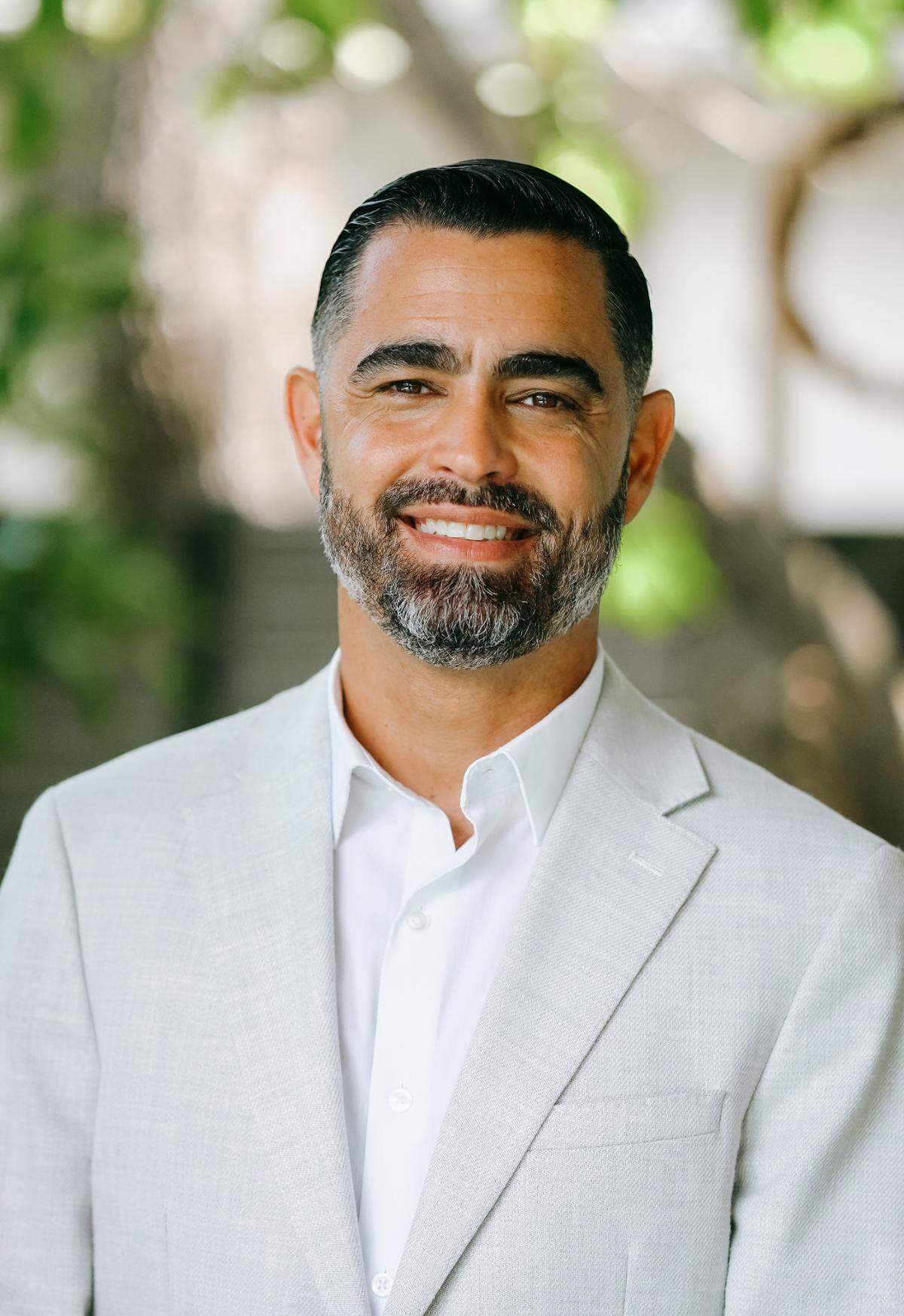
Reyes is best suited to fulfill that role, even though he lives in Broward County. He should move south if elected.
After almost two years in Miami-Dade government, he knows the concerns that each county commissioner has about public safety in their district, and also understands the challenges facing the police and corrections departments.
Reyes said he will work with county and municipal government officials to bolster community safety, form an independent public corruption group to investigate wrongdoing, push for more investment in technology, recruit ethical leaders and build public trust through partnerships with community groups.
He plans to bring some departments together to increase efficiency and he already eliminated assistant director positions so that he can have more direct contact with the rank-and-file.
Reyes’ opponents criticize him after the Copa America Final between Argentina and Colombia at the Dolphins’ stadium resulted in chaos. More than two dozen people were arrested as they crashed security gates, and those with tickets weren’t able to get in.
Reyes says “nothing from intelligence or the Homeland Security perspective led us to believe we would have so many people show up without tickets.” He said it’s a lesson that has prepared him to ensure the 2026 FIFA World Cup matches in Miami go without a hitch. He promises more strategic security measures will be taken. We hold him to his promise.
In the Democratic primary for Miami-Dade County sheriff, the Miami Herald Editorial Board endorses JAMES REYES.
BEHIND THE STORY
MOREWho decides the political endorsements?
In advance of local and state elections, Miami Herald Editorial Board members interview political candidates, as well as advocates and opponents of ballot measures. The Editorial Board is composed of experienced opinion journalists and is independent of the Herald’s newsroom. Members of the Miami Herald Editorial Board are: Amy Driscoll, editorial page editor; and editorial writers Isadora Rangel and Mary Anna Mancuso. Read more by clicking the arrow in the upper right.
What does the endorsement process look like?
The Miami Herald Editorial Board interviews political candidates to better understand their views on public policy and how their policies will affect their constituents. Board members do additional reporting and research to learn as much as possible about the candidates before making an endorsement. The Editorial Board then convenes to discuss the candidates in each race. Board members seek to reach a consensus on the endorsements, but not every decision is unanimous. Candidates who decline to be interviewed will not receive an endorsement.
Is the Editorial Board partisan?
No. In making endorsements, members of the Editorial Board consider which candidates are better prepared to represent their constituents — not whether they agree with our editorial stances or belong to a particular political party. We evaluate candidates’ relevant experience, readiness for office, depth of knowledge of key issues and understanding of public policy. We’re seeking candidates who are thoughtful and who offer more than just party-line talking points.
This story was originally published August 14, 2024 at 1:22 PM.
.png)