Herald endorsement: Two top Republicans in Miami-Dade Sheriff primary but one stands out | Opinion
READ MORE
Miami Herald Editorial Board’s 2024 Election Endorsements
In advance of the upcoming primary elections on Aug. 20, 2024, the Editorial Board interviewed and researched candidates to better understand their views on various issues and how their policies will affect their constituents. The goal is to give voters a better idea of who’s the best candidate for each race.
Expand All
For the first time since 1966, an elected partisan sheriff, not an administrator appointed by the Miami-Dade mayor, will take charge of the county’s largest police force, which patrols the most populated neighborhoods.
Following the passage of a 2018 Florida constitutional amendment, the sheriff will lead a transition from a police department to a new sheriff’s office independent of the county, a multi-million dollar budget and 3,200 officers.
There are 11 candidates running in the Republican primary. The winner will face one of four Democrats who are also on the Aug. 20 ballot. The sheriff will be sworn into office in January.
The Republicans who accepted the Herald Editorial Board invitations were asked about their views on policing, immigration roundups and civilian oversight boards.
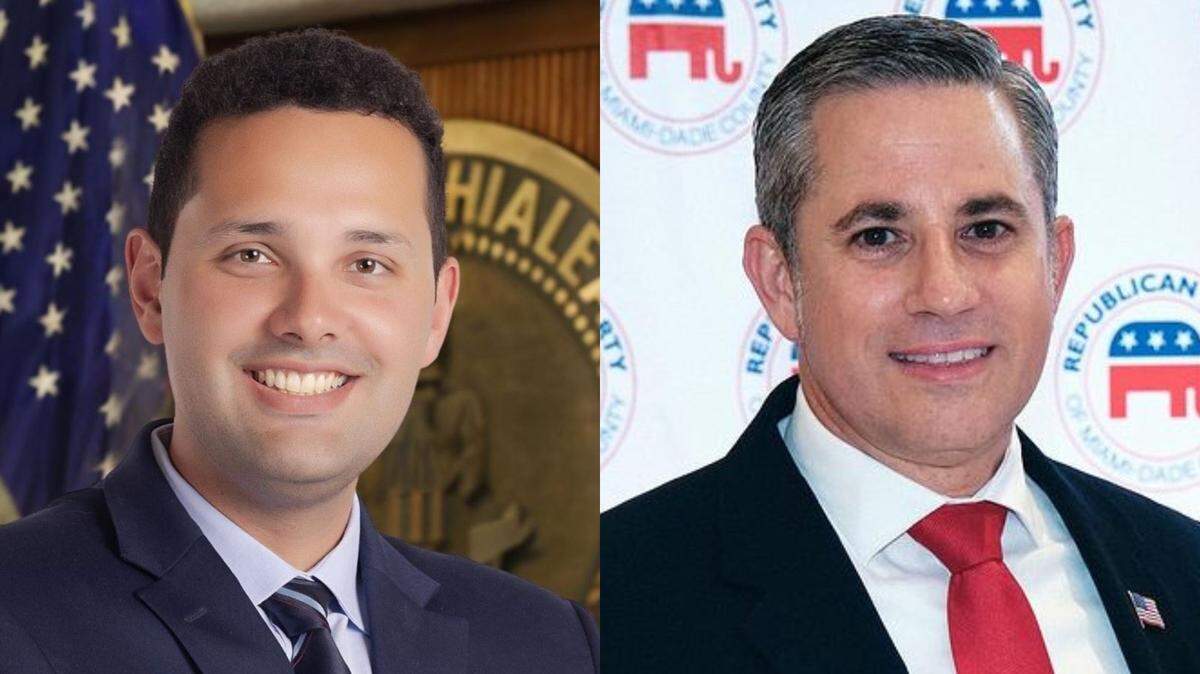
In a sea of candidates, two stand out:
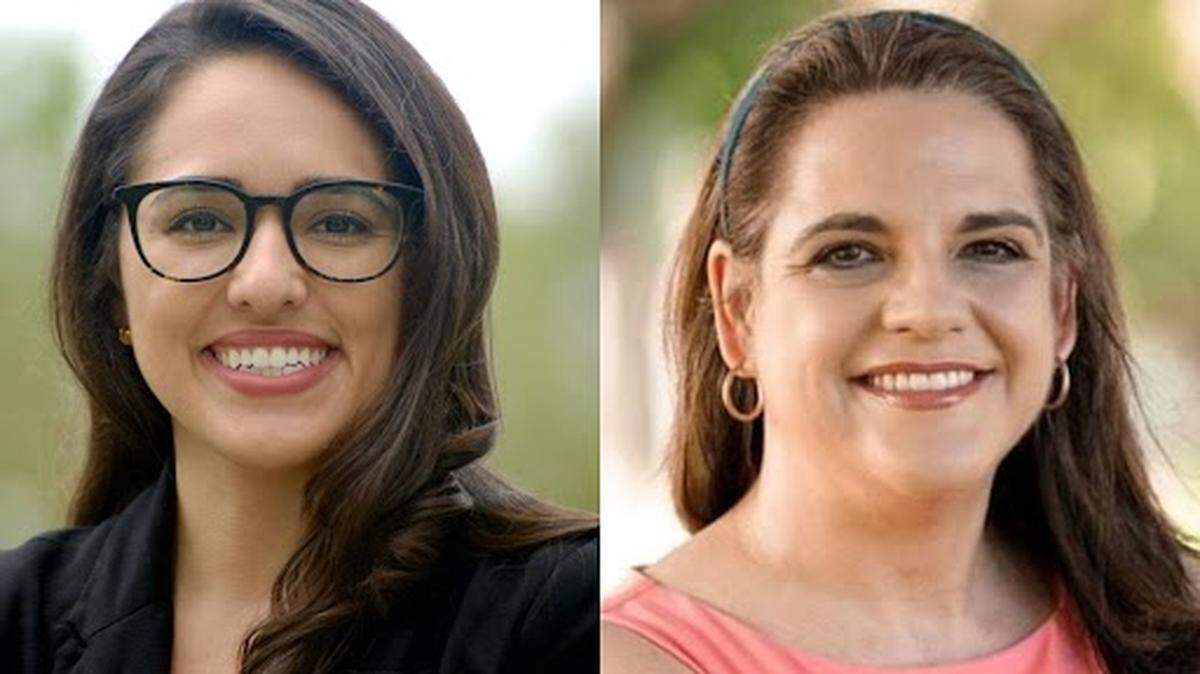
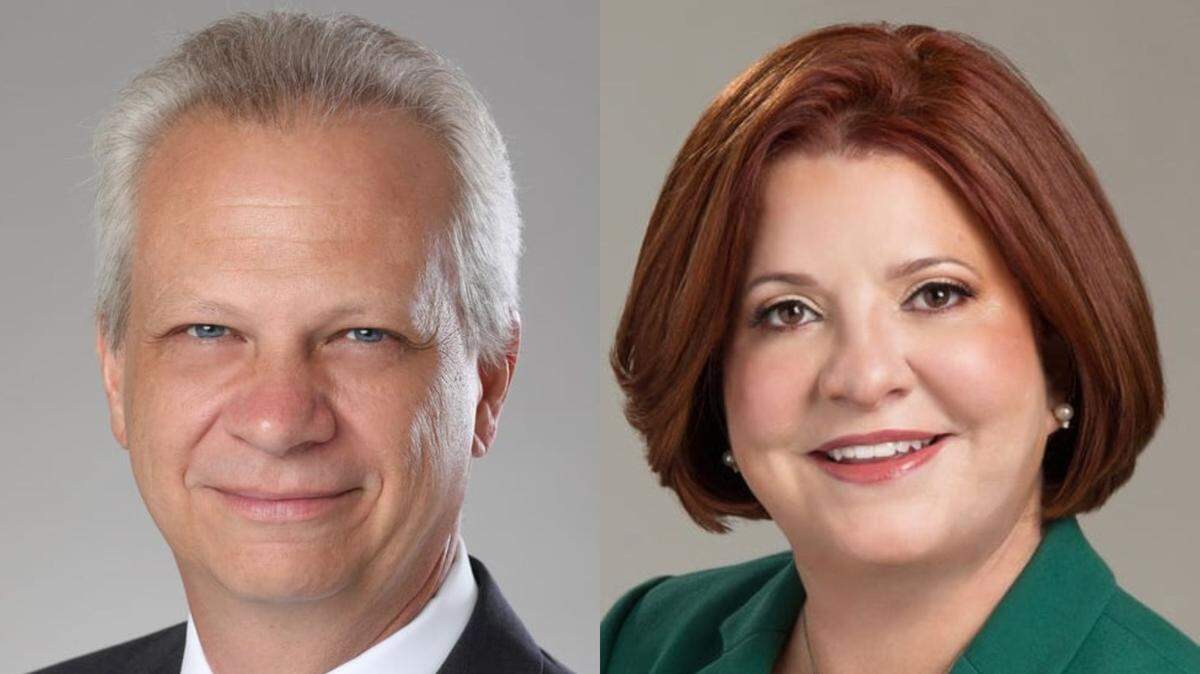
First, there is Rosanna “Rosie” Cordero-Stutz, 54, assistant director at the Miami-Dade Police Department. As chair of the Sheriff Internal Transition Team, she handles the logistics of the department’s exit from the county government. She got the job from former Director Freddy Ramirez, who was running for sheriff as Democrat but dropped out after shooting himself following an encounter with Tampa police last year.
The other candidate is Joe Sanchez, who has a 36-year career as a Florida Highway Patrol trooper and spokesman. He is also a former Miami commissioner, serving from 1998 to 2009, when he unsuccessfully ran for Miami mayor. He took a leave from FHP to run for sheriff.
Two other Republicans have impressive resumes and knowledge: Retired Miami-Dade Police Maj. Ignacio Alvarez, who ran the Special Victims Bureau and now is a lawyer. Maj. Jose L. Aragu runs the the Police Department’s Midwest District Station covering western suburbs, including Westchester.
The other candidates are: former County Commissioner Jose “Joe” Martinez Jr., who’s facing criminal corruption charges and should have sat this race out; MDPD retired Maj. Mario Knapp; Ruamen J. de la Rua, a Hialeah native who worked for the Marion County Sheriff’s Office; John J. Rivera Jr., former head of the Miami-Dade Police Benevolent Association; former Miami police officer Jeffrey Giordano; Miami-Dade Lt. Ernesto Rodriguez; and businessman Alexander Fornet.
None have Cordero-Stutz’s experience in leadership roles.
“I was tasked with being the leader of the internal transition team... because it is a very monumental thing that we’re doing in this transition [to a sheriff’s office],” she told the Herald Editorial Board.
She’s right.
We do have questions about her political independence, which she will have to demonstrate if elected. Her campaign is run by the son and daughter-in-law of former Miami-Dade Mayor and U.S. Rep. Carlos Gimenez. She is endorsed by former President Donald Trump, a close Gimenez ally.
Despite spending her career in Miami-Dade, Cordero-Stutz lives in Broward County but said she’s looking for properties down south. She must live up to her word if elected.
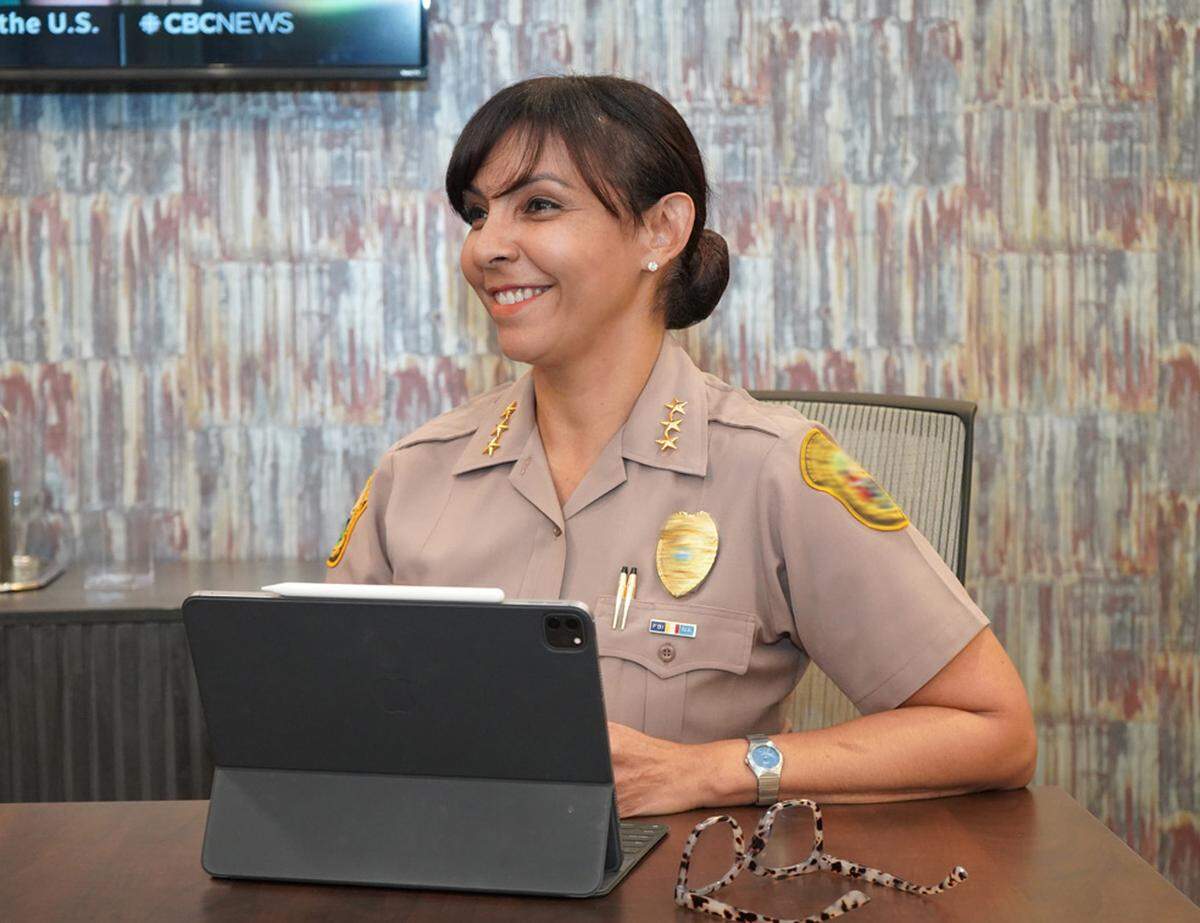
Cordero-Stutz, who comes from a law enforcement family, emphasized building public trust. She understands law enforcement must work with and listen to community leaders, organizations, and underserved communities.
“It was very important for me to ensure that this community has a sheriff who understands what needs to be done and is currently doing the job.” she told the Board.
Despite her ties to Trump, Cordero-Stutz says she will not have her department take part in undocumented immigrant roundups. She will, however, disband the existing Independent Civilian Panel, a police oversight board, and replace it with another type of community advisory group.
Sanchez says he would focus enforcement on major crimes while expanding prevention and intervention programs. And he says he doesn’t want the endorsement of politicians or organizations.
“This is a position that needs to be independent from politics, special interests and the establishment,” Sanchez said.
Cordero-Stutz and Sanchez would do well in this leadership role. Both are serious, knowledgeable candidates.
We give Cordero-Stutz the edge for her more profound experience in law enforcement administration. She represents a steady transition bridge from the department’s 58-year history to a new day.
The Miami Herald endorses ROSANNA “ROSIE” CORDERO-STUTZ in the Miami-Dade sheriff Republican primary.
BEHIND THE STORY
MOREWho decides the political endorsements?
In advance of local and state elections, Miami Herald Editorial Board members interview political candidates, as well as advocates and opponents of ballot measures. The Editorial Board is composed of experienced opinion journalists and is independent of the Herald’s newsroom. Members of the Miami Herald Editorial Board are: Amy Driscoll, editorial page editor; and editorial writers Isadora Rangel and Mary Anna Mancuso. Read more by clicking the arrow in the upper right.
What does the endorsement process look like?
The Miami Herald Editorial Board interviews political candidates to better understand their views on public policy and how their policies will affect their constituents. Board members do additional reporting and research to learn as much as possible about the candidates before making an endorsement. The Editorial Board then convenes to discuss the candidates in each race. Board members seek to reach a consensus on the endorsements, but not every decision is unanimous. Candidates who decline to be interviewed will not receive an endorsement.
Is the Editorial Board partisan?
No. In making endorsements, members of the Editorial Board consider which candidates are better prepared to represent their constituents — not whether they agree with our editorial stances or belong to a particular political party. We evaluate candidates’ relevant experience, readiness for office, depth of knowledge of key issues and understanding of public policy. We’re seeking candidates who are thoughtful and who offer more than just party-line talking points.
This story was originally published August 14, 2024 at 7:19 PM.
.png)
.png)