Herald endorsement: Our pick in the U.S. House District 27 Democratic primary | Opinion
READ MORE
Miami Herald Editorial Board’s 2024 Election Endorsements
In advance of the upcoming primary elections on Aug. 20, 2024, the Editorial Board interviewed and researched candidates to better understand their views on various issues and how their policies will affect their constituents. The goal is to give voters a better idea of who’s the best candidate for each race.
Expand All
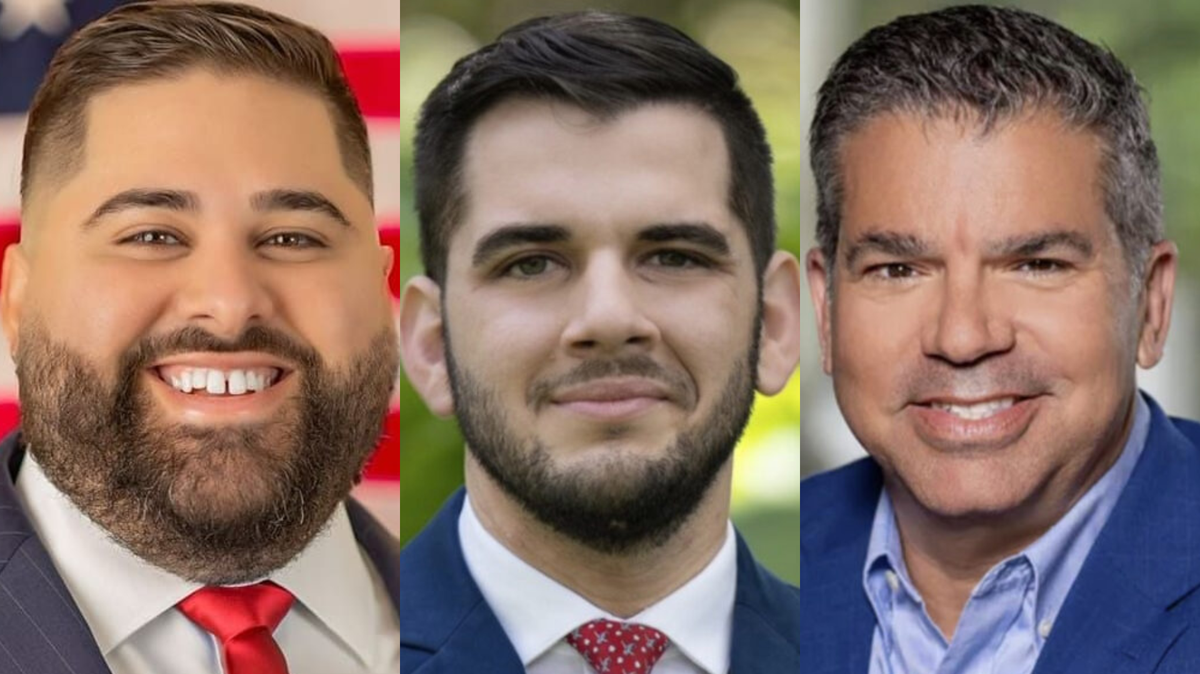
The candidates running in the Democratic primary for U.S. House District 27 are very close ideologically.
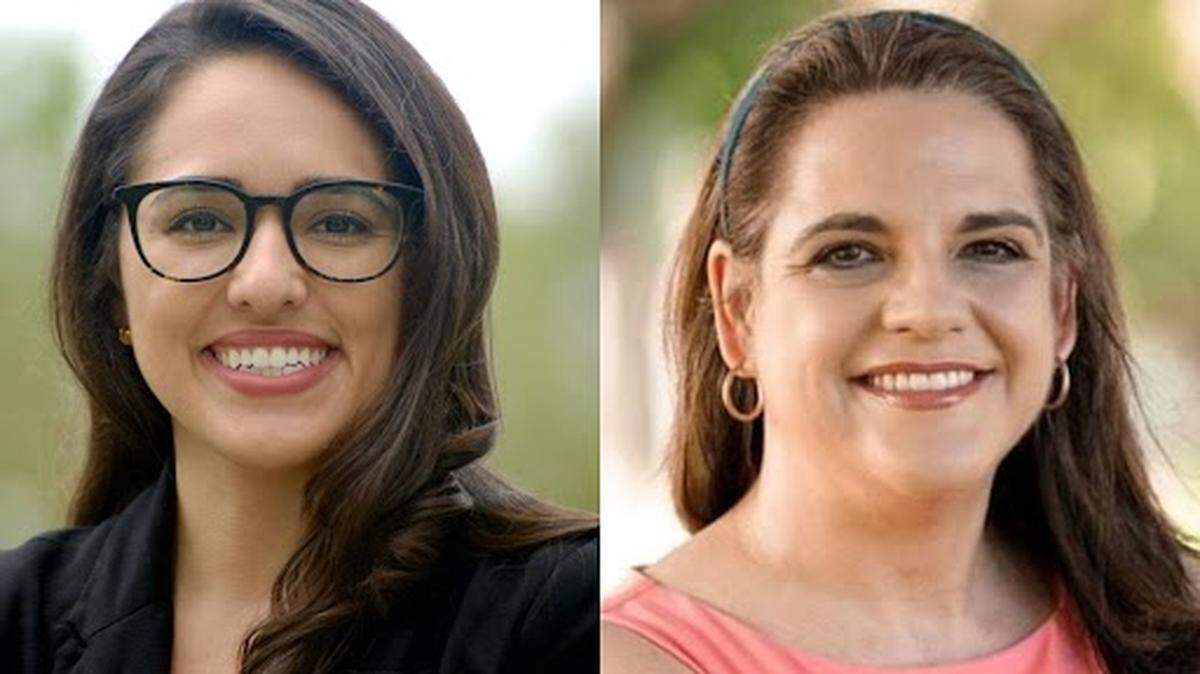
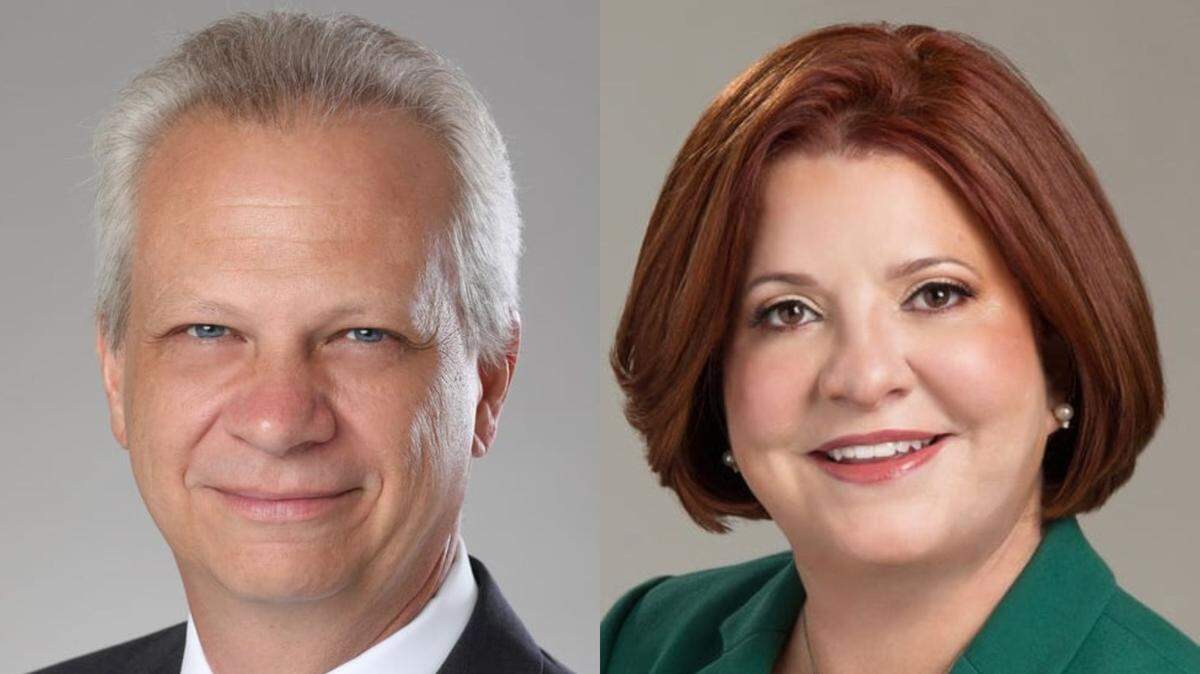
Lucia Baez-Geller, a Miami-Dade School Board member, and Mike Davey, former mayor of Key Biscayne, both support codifying abortion rights into federal law. Both have a record of public service. Both want to defend LGBTQ rights.
They are critical of incumbent Cuban-American Republican U.S. Rep. Maria Elvira Salazar, whom they hope to unseat in November. Salazar defeated then-U.S. Rep. Donna Shalala in 2020 largely by running on an anti-socialism, anti-communism platform and accusing Democrats of being leftists.
“Salazar is wearing her anti-communism cape around the country around the globe, but she is not doing anything for the residents of District 27,” Baez-Geller told the Herald Editorial Board.
The decision for Democratic voters in the Aug. 20 primary should come down to which candidate best represents District 27, covering Downtown Miami, Little Havana, Key Biscayne and Kendall — one of the most-Hispanic districts in Florida — and who’s best equipped to face Salazar in the fall. Salazar is favored to win her GOP primary against little-known candidate Royland Lara.
Davey, 58, a lawyer, touted his record working with the U.S. Army Corps of Engineers as mayor to include Key Biscayne into a federal shoreline protection plan and his work bringing free COVID-19 testing to the village in the early days of the pandemic.
On Cuba, Davey said he supports keeping political pressure on the regime through sanctions and that the U.S. needs to be “firmer” to support the Cuban people, but that, in the long run, the “embargo by itself is not working.” On Russia’s war in Ukraine, he said, “I absolutely support every effort to support the Ukrainian government.”
Baez-Geller, 41, represents a School Board district that covers parts of District 27, though she didn’t live inside District 27 boundaries until recently. She’s a former teacher.
As a School Board member, she helped get the district through COVID, and she’s fended off Florida Gov. Ron DeSantis’ increased control over public education via cultural wars and laws curbing what teachers can discuss in the classroom. She’s been tested in the types of political battles she would face in Congress.
Baez-Geller can speak from personal experience about abortion rights, an issue Democrats hope will help them flip congressional seats in the 2024 elections. She penned an op-ed for the Miami Herald about ending her non-viable pregnancy last spring and how Florida’s six-week abortion that went into effect this year takes away options from women with similar experiences.
Her father fled Cuba in the Mariel Boatlift and she said that, although the embargo is not “perfect,” she supports it. Baez-Geller touted how she would be Salazar’s first Cuban-American Democratic opponent.
“Just like the people of District 27, I speak the same language,” Baez-Geller said. “I’m a Latina, and I’m a working mother representing a district of over 70% Hispanics... There’s no learning learning curve for me. I live the issues, I walk the issues, I talk the issues.”
The Herald Editorial Board endorses LUCIA BAEZ-GELLER in the U.S. House District 27 Democratic primary.
Editor’s note: The Editorial Board is not issuing an endorsement in the U.S. House District 27 Republican primary.
BEHIND THE STORY
MOREWho decides the political endorsements?
In advance of local and state elections, Miami Herald Editorial Board members interview political candidates, as well as advocates and opponents of ballot measures. The Editorial Board is composed of experienced opinion journalists and is independent of the Herald’s newsroom. Members of the Miami Herald Editorial Board are: Amy Driscoll, editorial page editor; and editorial writers Isadora Rangel and Mary Anna Mancuso. Read more by clicking the arrow in the upper right.
What does the endorsement process look like?
The Miami Herald Editorial Board interviews political candidates to better understand their views on public policy and how their policies will affect their constituents. Board members do additional reporting and research to learn as much as possible about the candidates before making an endorsement. The Editorial Board then convenes to discuss the candidates in each race. Board members seek to reach a consensus on the endorsements, but not every decision is unanimous. Candidates who decline to be interviewed will not receive an endorsement.
Is the Editorial Board partisan?
No. In making endorsements, members of the Editorial Board consider which candidates are better prepared to represent their constituents — not whether they agree with our editorial stances or belong to a particular political party. We evaluate candidates’ relevant experience, readiness for office, depth of knowledge of key issues and understanding of public policy. We’re seeking candidates who are thoughtful and who offer more than just party-line talking points.
This story was originally published August 14, 2024 at 3:30 PM.
.png)

.png)