Brightline’s deadly tracks: Why blaming train’s victims is a lethal cop-out | Opinion
READ MORE
Killer Train
Brightline is the deadliest major passenger railroad in the United States. An investigation by the Miami Herald and WLRN reveals the shocking toll and the failures that led to it.
Expand All
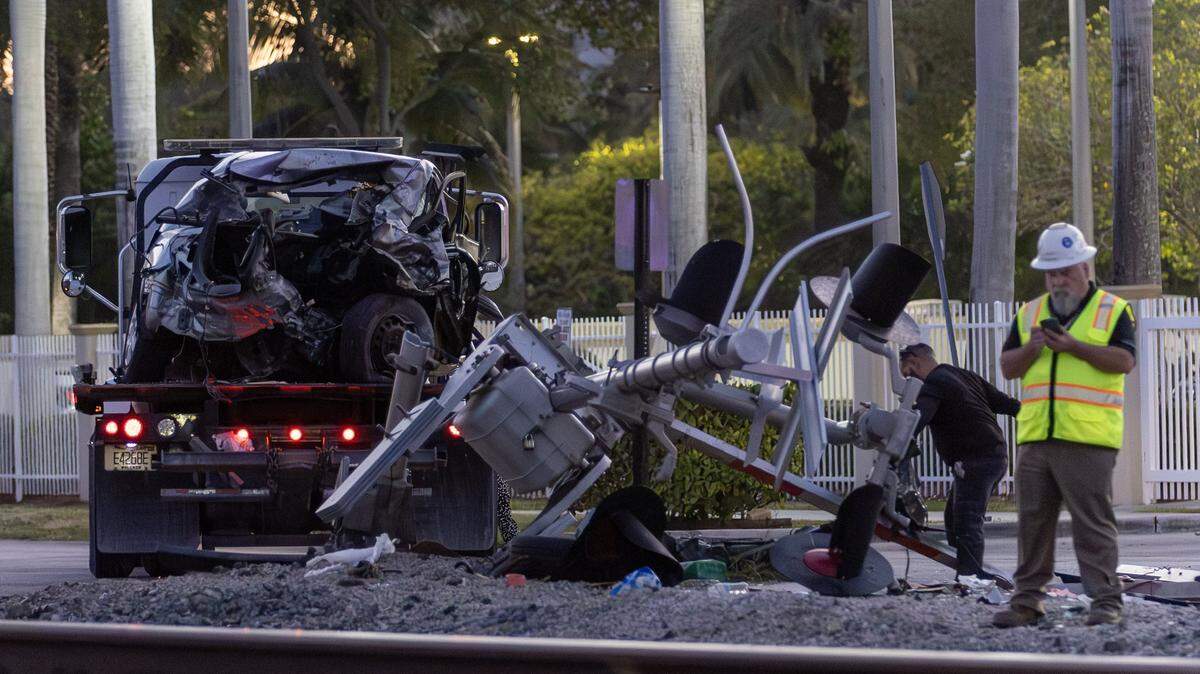
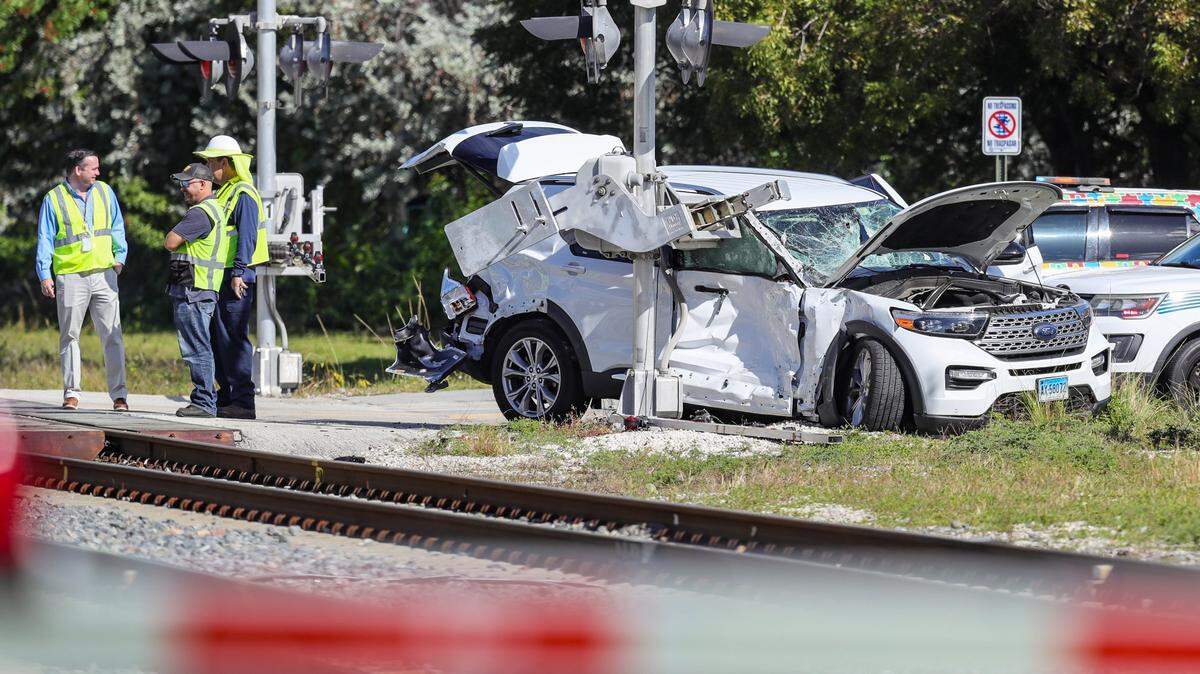
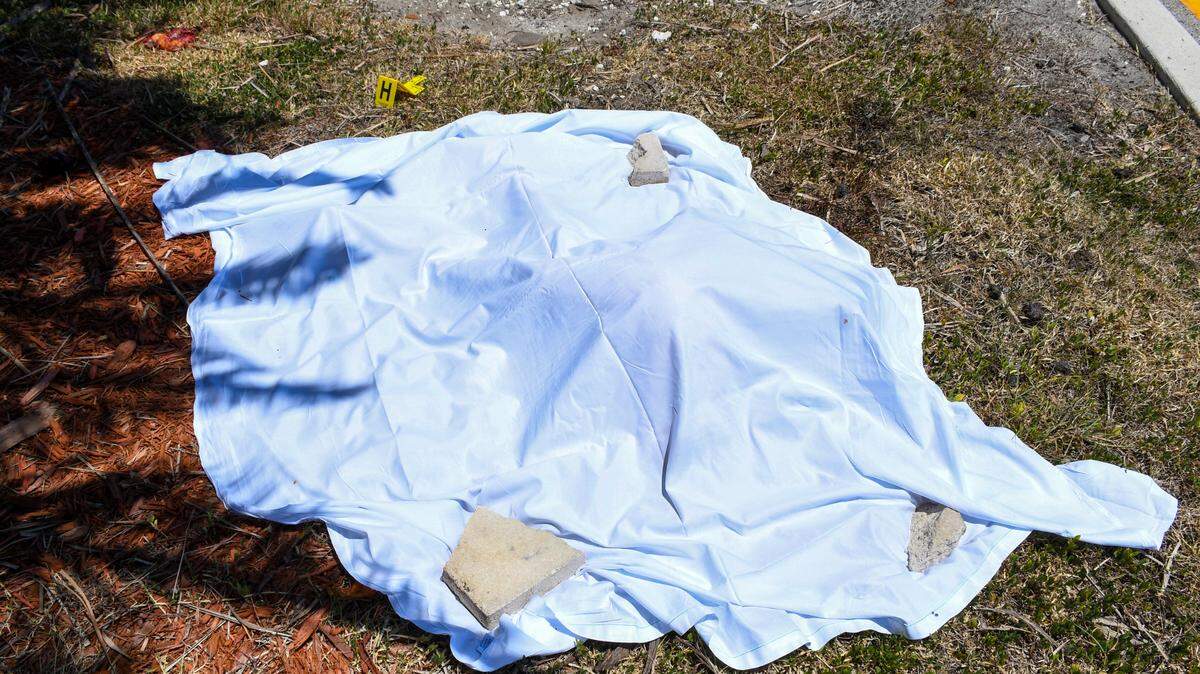
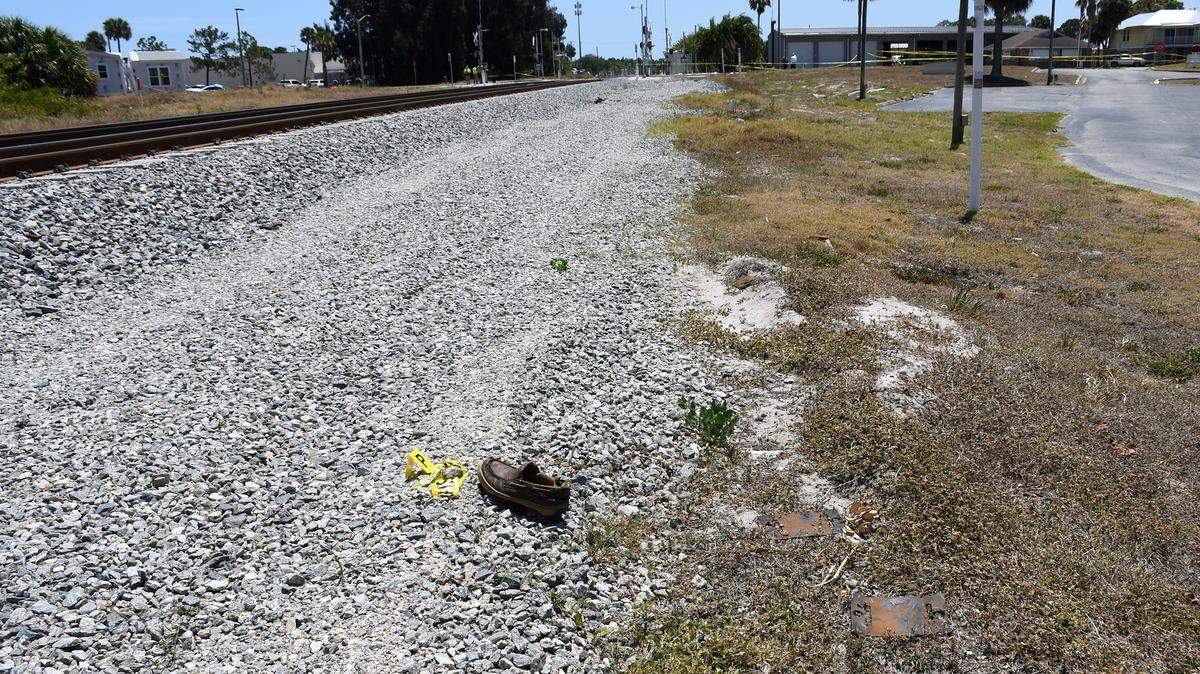
Not too long after Brightline began operating in South Florida in 2018, it became clear that the fast trains were killing a lot of people. The narrative from the company and local officials has been that the drivers and pedestrians killed were at fault for making reckless decisions to cross train tracks improperly.
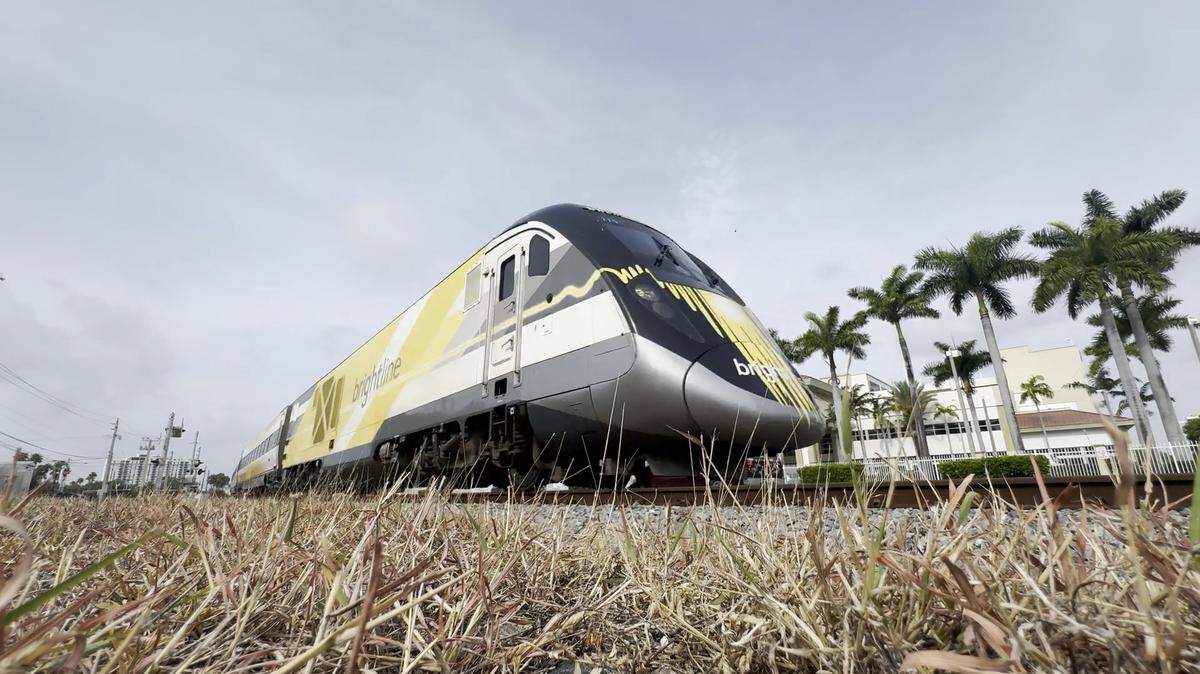
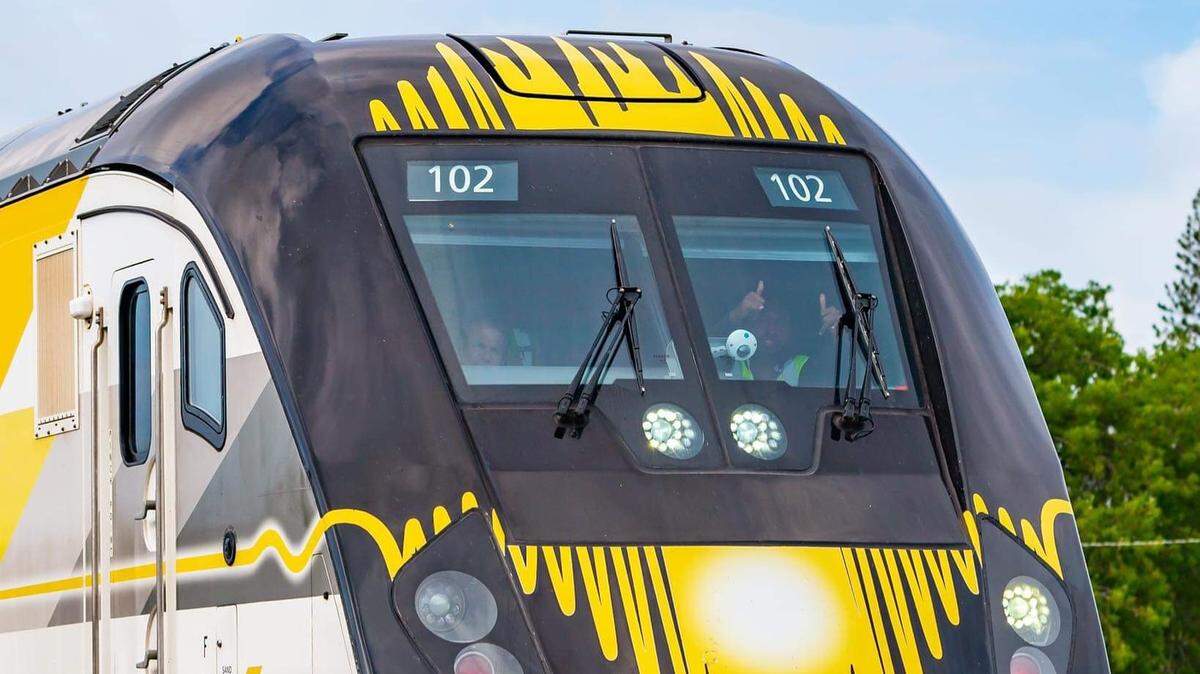
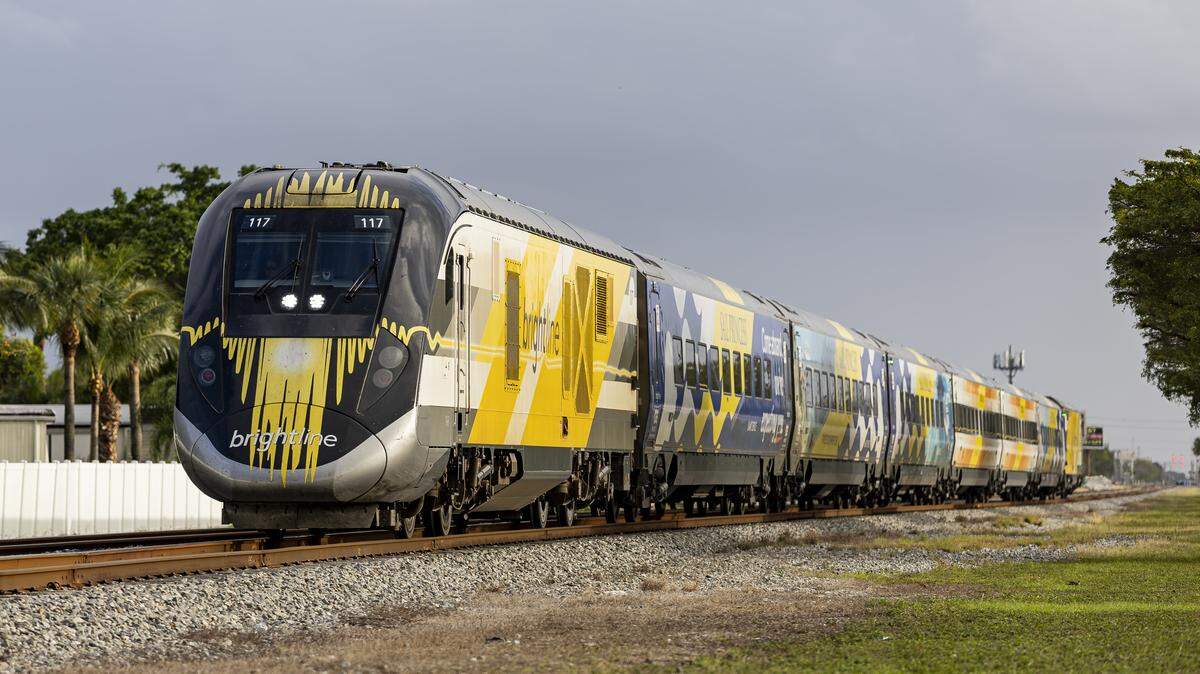
A new investigative report by the Miami Herald and WLRN sheds lights on new information, and the blame-the-victim narrative can no longer be the only explanation for Brightline’s shocking death toll of 182 people. The passenger rail service connecting Miami to Orlando at speeds between 79 mph and 125 mph is the nation’s deadliest.
To be fair, the Herald/WLRN report indicates that some of the people killed did make bad decisions. For example, there was the driver of a Maserati who zigged and zagged around cars stopped at the tracks in Oakland Park and sped around a gate to his death.
Brightline officials told reporters the company has done a lot to educate the public and to push for stricter enforcement of trespassers at the tracks. Vice President of Operations Michael Lefevre wrote in a statement: “All have been the result of illegal, deliberate and oftentimes reckless behavior by people putting themselves in harm’s way.”
The company has not been found at fault for any of the deaths on its tracks. But 182 deaths should not be accepted as the status quo or written off as the result of human stupidity. Fast trains are not a novelty in the developed world, and South Florida, where most of the deaths occurred, does not have a monopoly on bad human decisions.
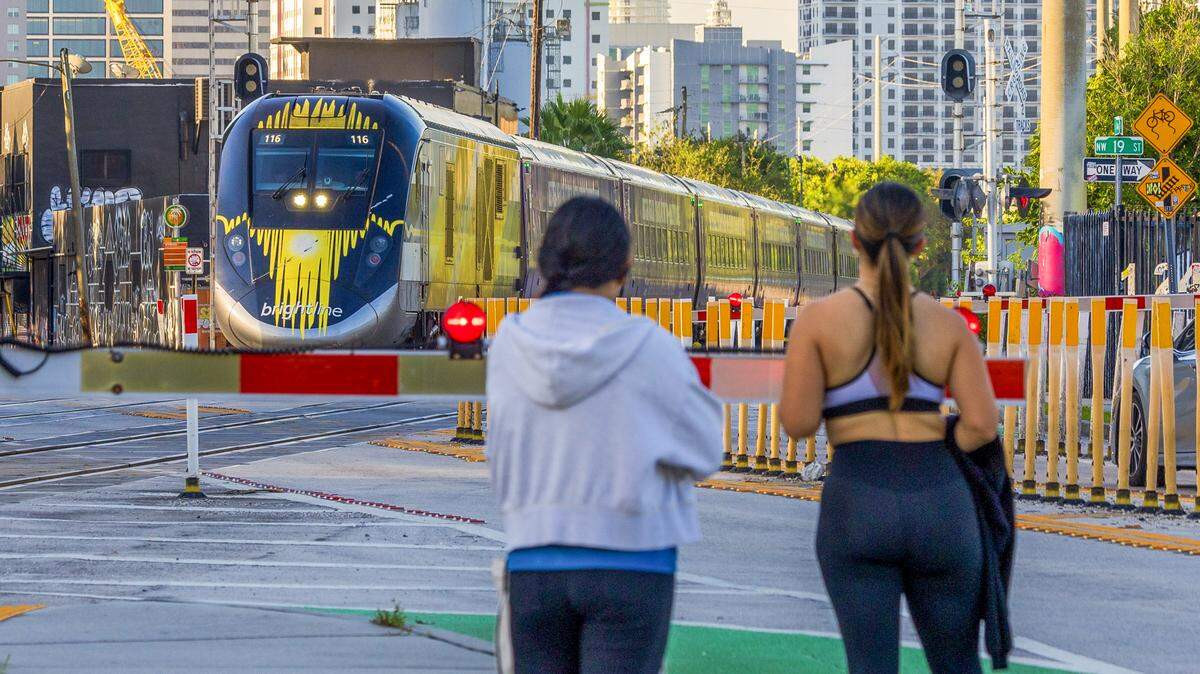
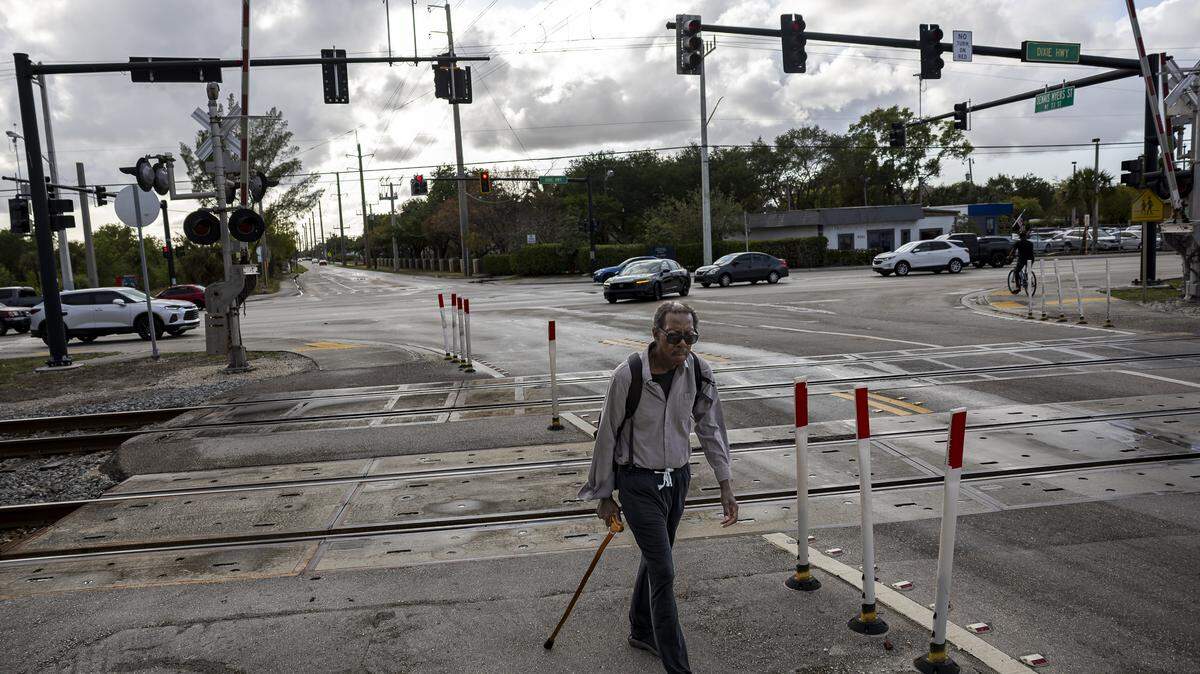
Although Lefevre said “more than half” the deaths “have been confirmed or suspected suicide” — a convenient explanation for the company — the Herald/WLRN reported that autopsy reports ruled that the majority of fatalities were accidents or undetermined. The vast majority of those killed were on foot or bicycles, which is important considering that Brightline train tracks in some places cut through urban neighborhoods, a lot of them poor.
The investigation showed that Brightline has failed to urgently address the train’s dangers, turning to the public to pay for safety upgrades around the private track. The company’s lobbyists also killed Republican legislation to increase state oversight of the railway. Local governments haven’t necessarily helped either, and delays in the release of federal funds for crucial safety projects compound the problem. So there isn’t necessarily one culprit.
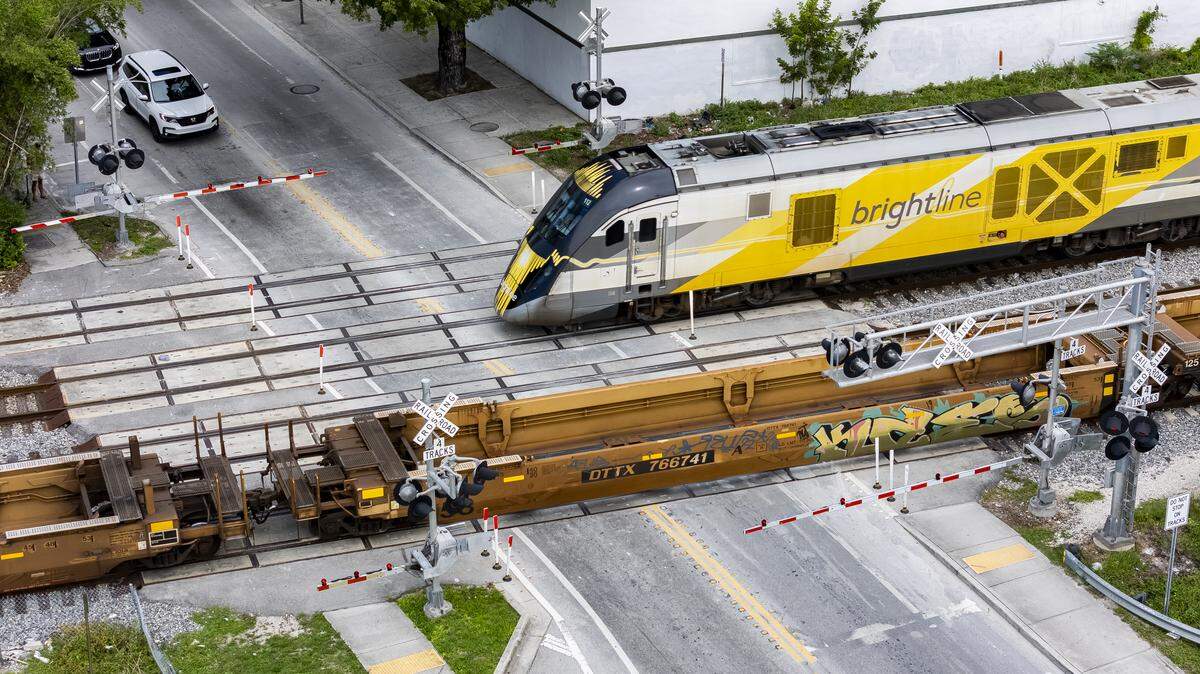
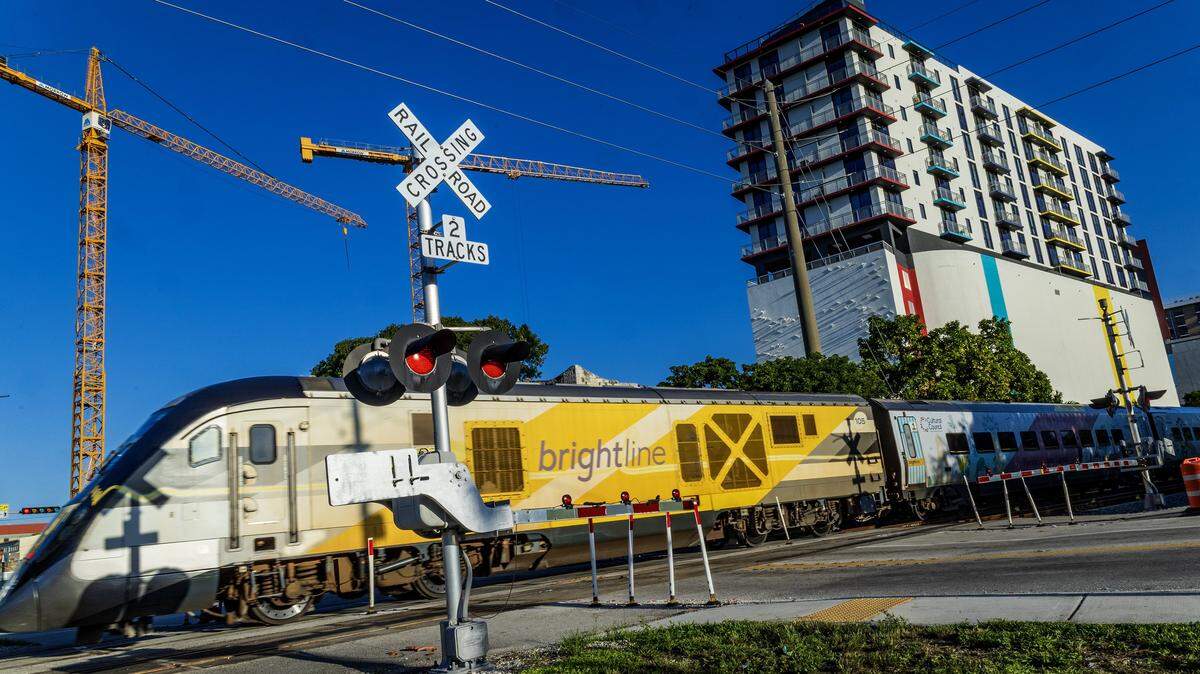
The Brightline corridor is so dangerous, the Herald/WLRN found, because of the large number of rail crossings and local officials’ resistance to closing some of the most dangerous ones. Unlike other passenger trains that keep cars and people away from crossings with overpasses, bridges and tunnels, 96% of Brightline’s crossings are at grade, meaning there is no separation between railroad tracks and streets. Lefevre said if those crossings aren’t being closed it is not “for lack of effort or interest on Brightline’s part.”
More than a decade ago, we were alerted about some of these issues by Brightline’s first critics, officials and residents from Florida’s Treasure Coast, north of Palm Beach. Back when Brightline was still just a concept, then called All Aboard Florida, people there worried that the trains would run on existing private freight tracks that are too close to downtowns and roads, such as U.S. 1. The argument from Brightline proponents was that the Florida East Coast Railway tracks were laid before some of those communities were built or expanded.
If Brightline had been conceived from scratch and not on existing tracks, it would probably look different and be less dangerous. But the trains are already running, and we want a railway between Miami and Orlando to be successful. The question is how to make it safer.
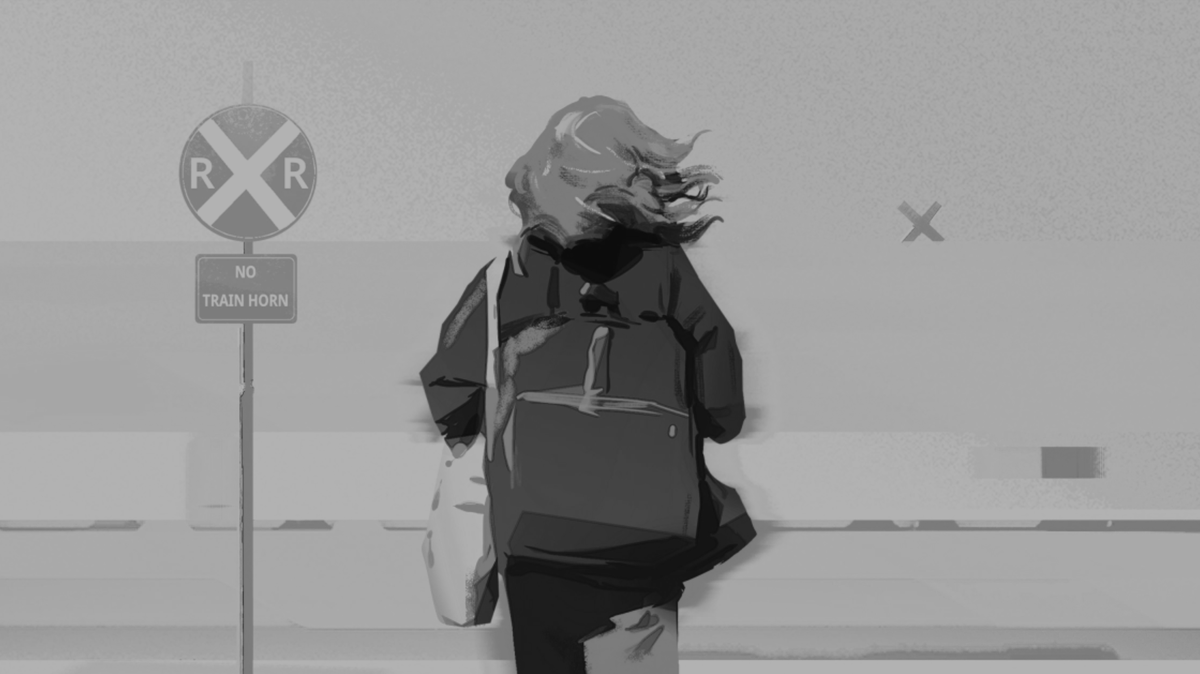
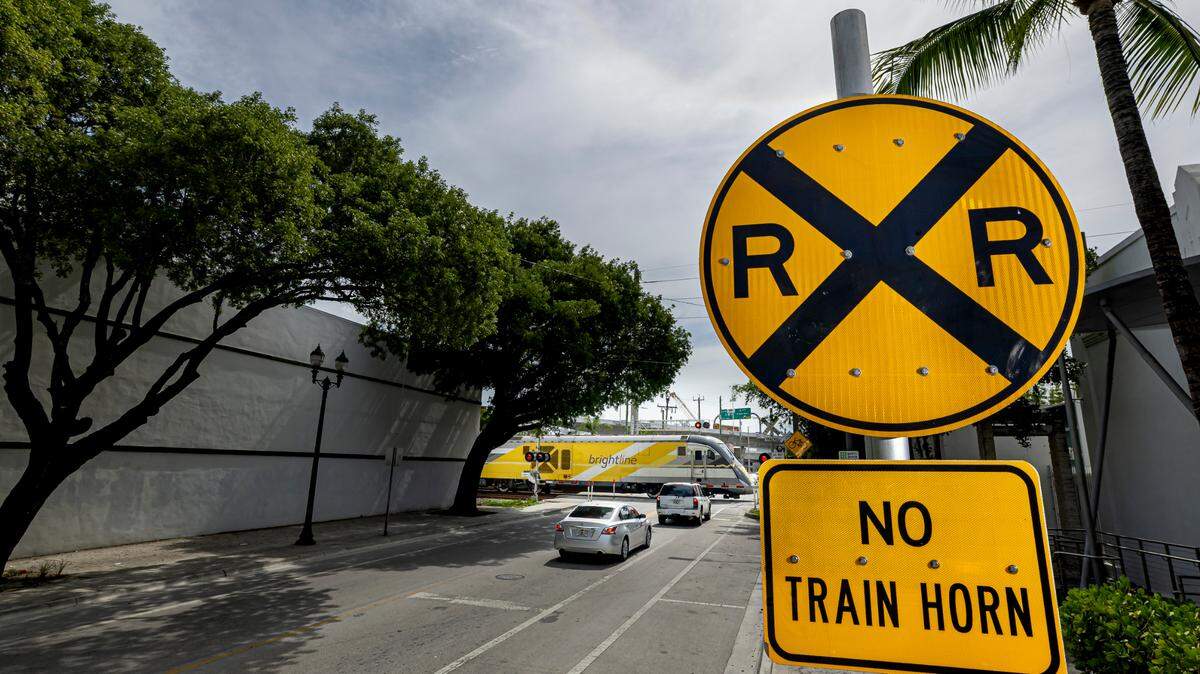
The Herald/WLRN points to some issues that require attention. More than half of Brightline’s crossings are within “quiet zones,” where train horns are allowed to be silenced at local governments’ request if safety equipment is added.
No deaths have happened on the trains’ fastest segment from Cocoa to Orlando, where they can reach speeds of 125 mph. Is that because that area is less populated or because the stretch is fenced off and inaccessible to cars and pedestrians? Because Brightline doesn’t reach 125 mph along most of its route, it can run without fencing or separation from pedestrians and cars in those areas.
Brightline is more dangerous to drivers and, especially, pedestrians compared to other American passenger railroads. There are plenty of reasons for that. Now there needs to be financial and political will to address the deadly problem.

Click here to send the letter.
BEHIND THE STORY
MOREWhat's an editorial?
Editorials are opinion pieces that reflect the views of the Miami Herald Editorial Board, a group of opinion journalists that operates separately from the Miami Herald newsroom. Miami Herald Editorial Board members are: opinion editor Amy Driscoll and editorial writers Isadora Rangel and Mary Anna Mancuso. Read more by clicking the arrow in the upper right.
What's the difference between an op-ed and a column?
How does the Miami Herald Editorial Board decide what to write about?
The Editorial Board, made up of experienced opinion journalists, primarily addresses local and state issues that affect South Florida residents. Each board member has an area of focus, such as education, COVID or local government policy. Board members meet daily and bring up an array of topics for discussion. Once a topic is fully discussed, board members will further report the issue, interviewing stakeholders and others involved and affected, so that the board can present the most informed opinion possible. We strive to provide our community with thought leadership that advocates for policies and priorities that strengthen our communities. Our editorials promote social justice, fairness in economic, educational and social opportunities and an end to systemic racism and inequality. The Editorial Board is separate from the reporters and editors of the Miami Herald newsroom.
How can I contribute to the Miami Herald Opinion section?
The Editorial Board accepts op-ed submissions of 650-700 words from community members who want to argue a specific viewpoint or idea that is relevant to our area. You can email an op-ed submission to oped@miamiherald.com. We also accept 150-word letters to the editor from readers who want to offer their points of view on current issues. For more information on how to submit a letter, go here.
This story was originally published July 16, 2025 at 1:02 PM.