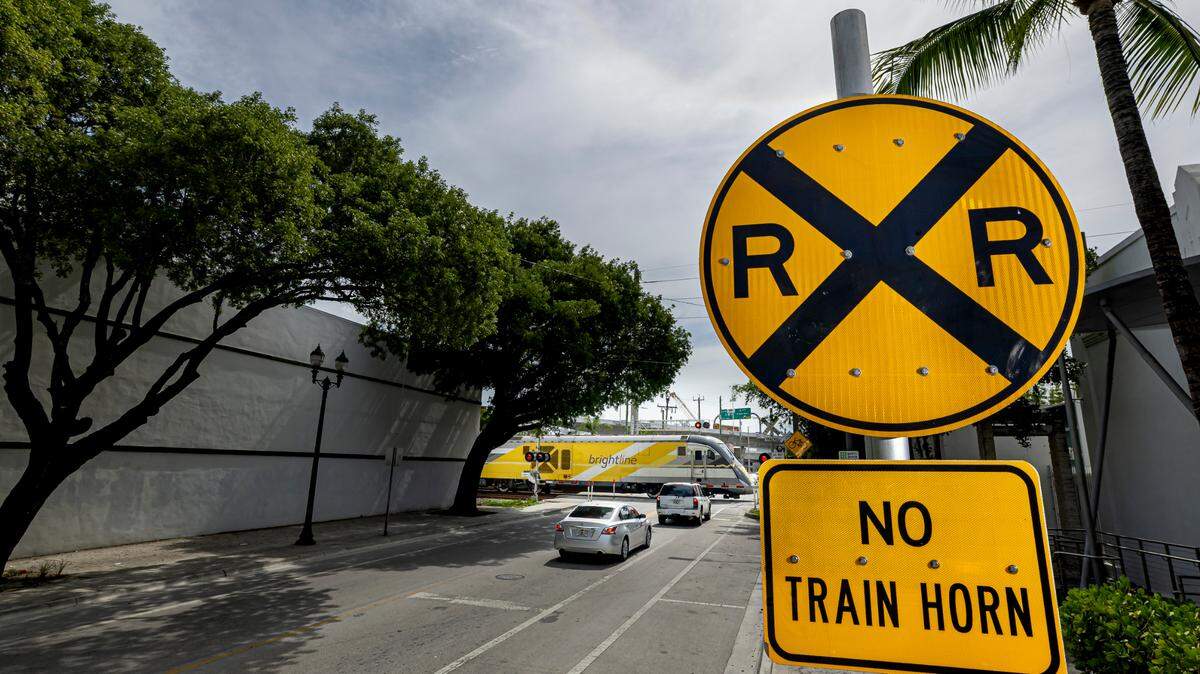
Train coming? What to do if you get stuck on the tracks
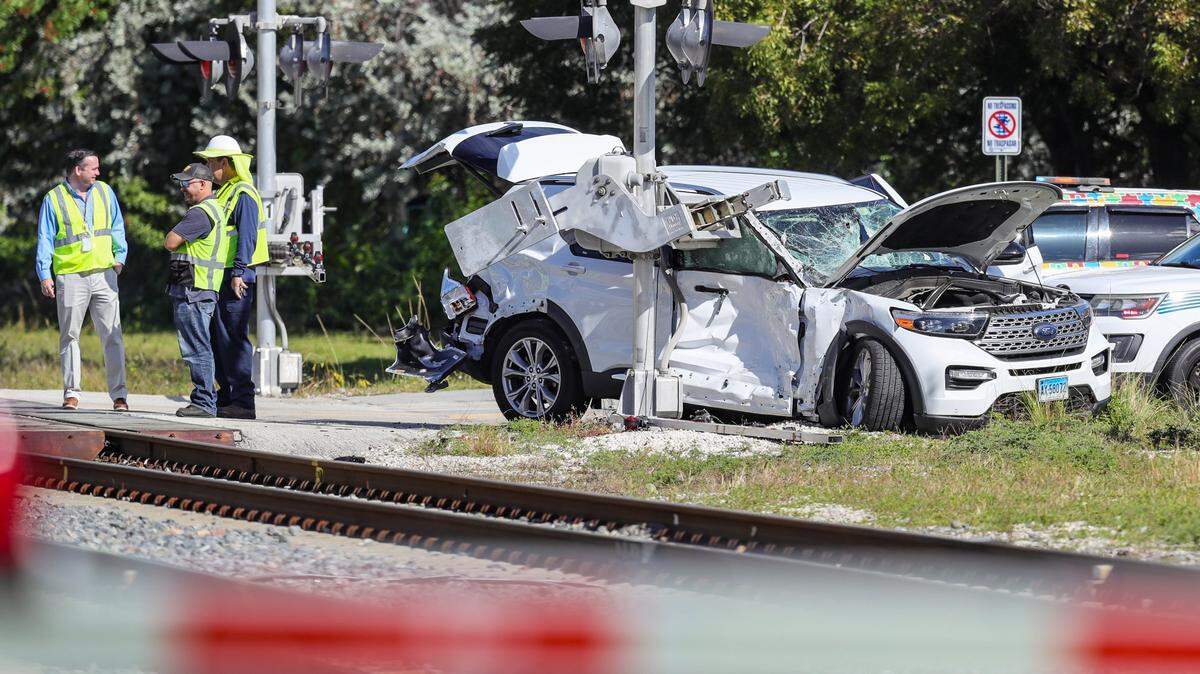
READ MORE
Killer Train
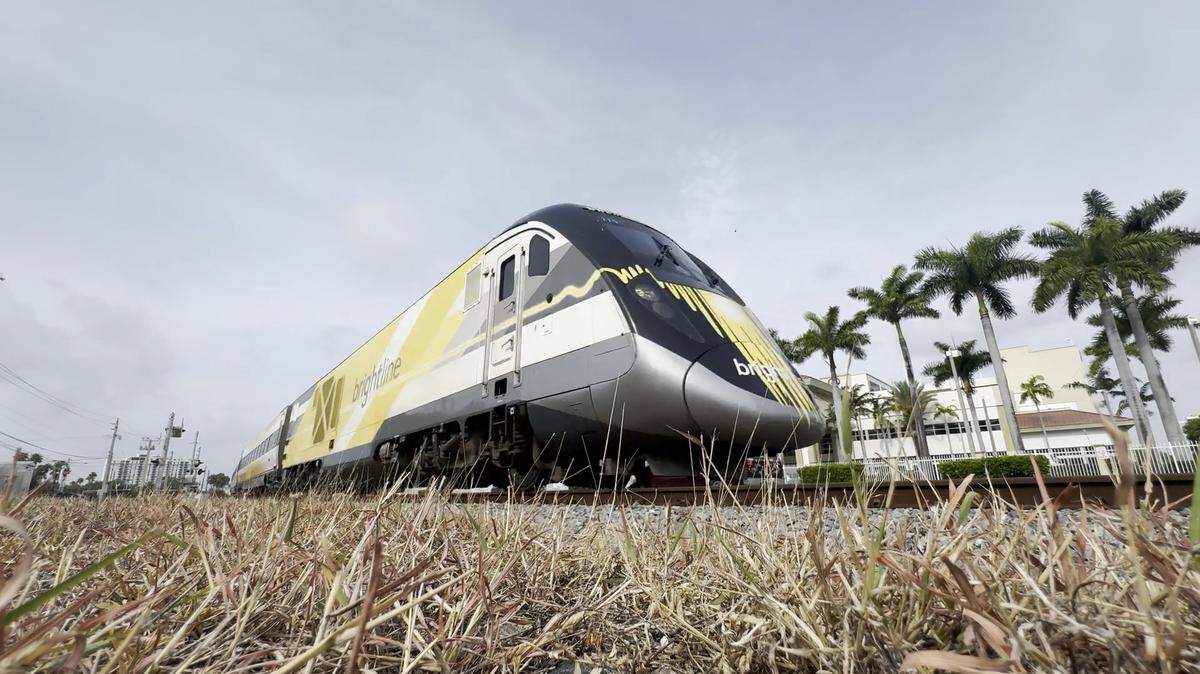
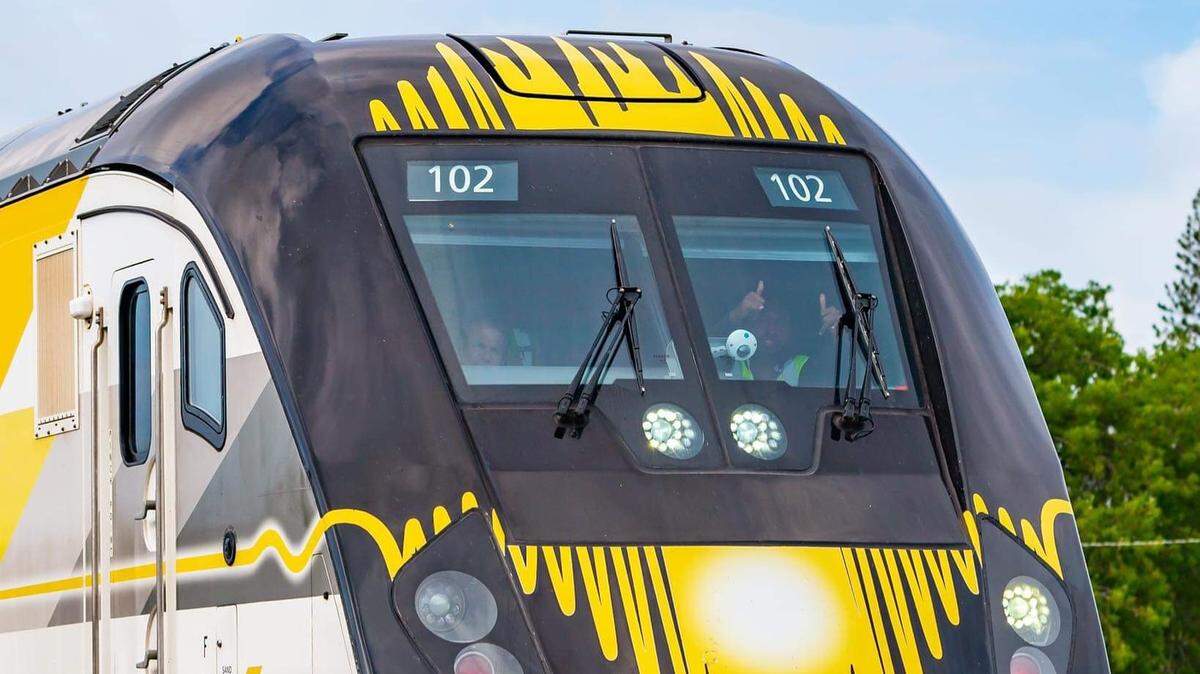
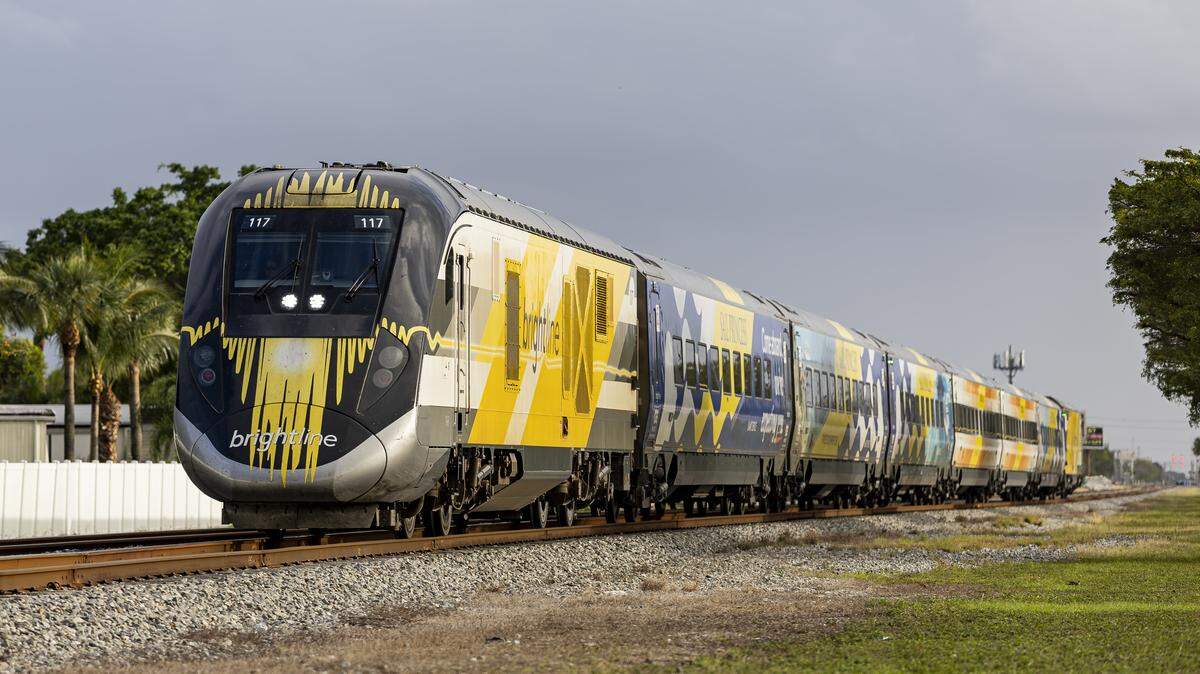
Brightline is the deadliest major passenger railroad in the United States. An investigation by the Miami Herald and WLRN reveals the shocking toll and the failures that led to it.
Expand All
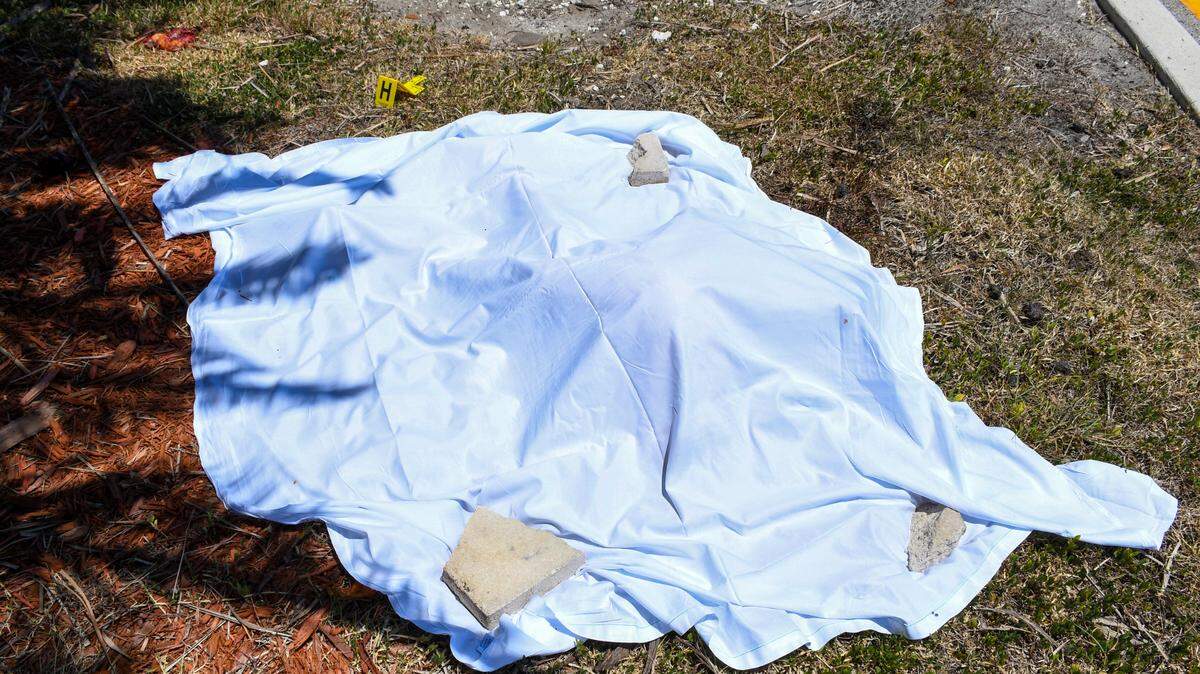
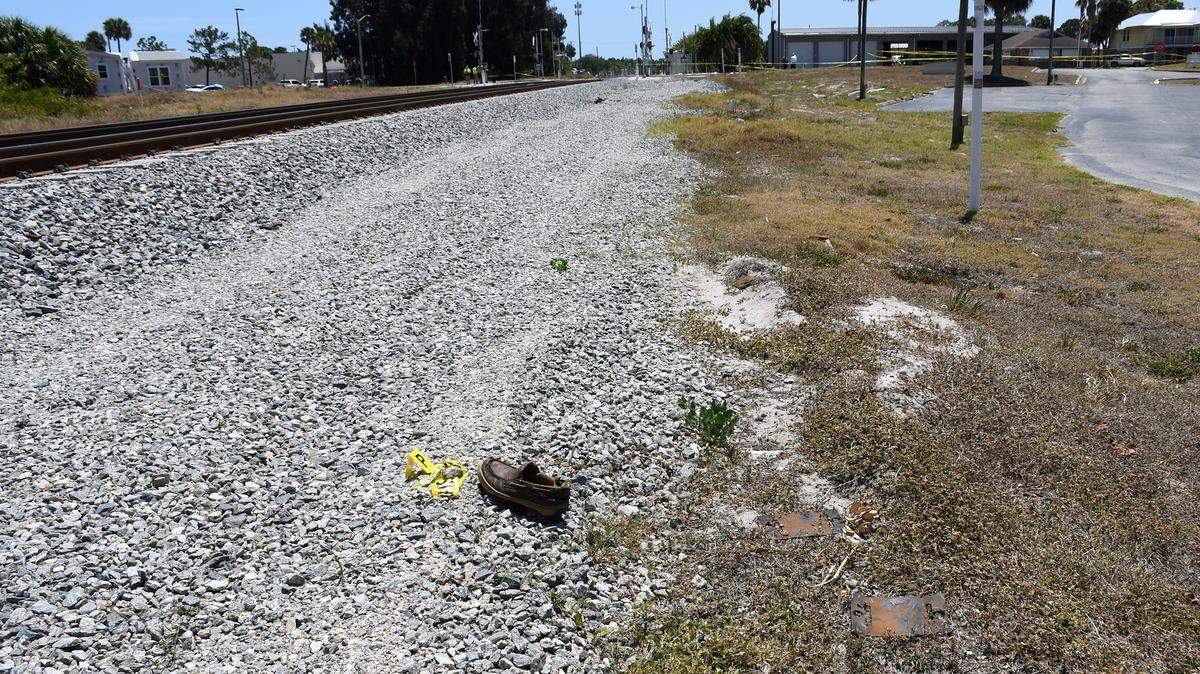
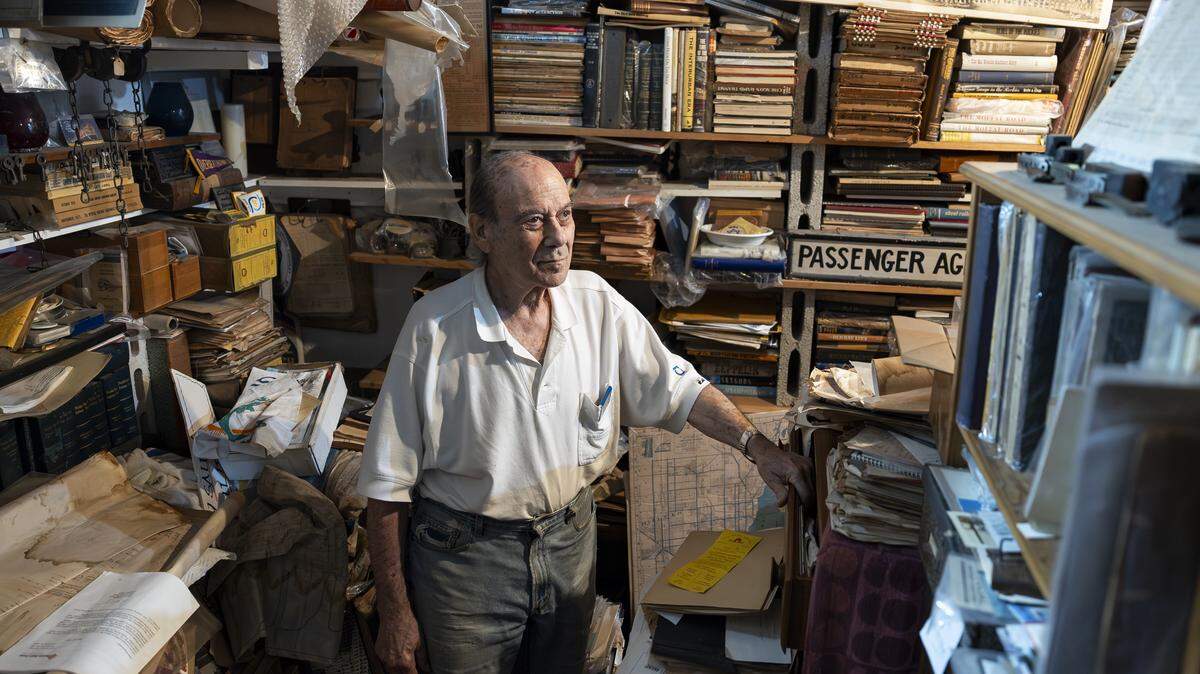
Brian Owens’ hardest days at work are the ones where he speaks with the emergency workers who are first on the scene when a multi-ton train and a human body collide.
“Generally, you’re picking up pieces,” Owens said. “Sometimes, there’s no pieces to find.”
As the Florida head of Operation Lifesaver, a rail safety initiative, the former railroad manager spends most of his time on efforts to keep people safe around train tracks.
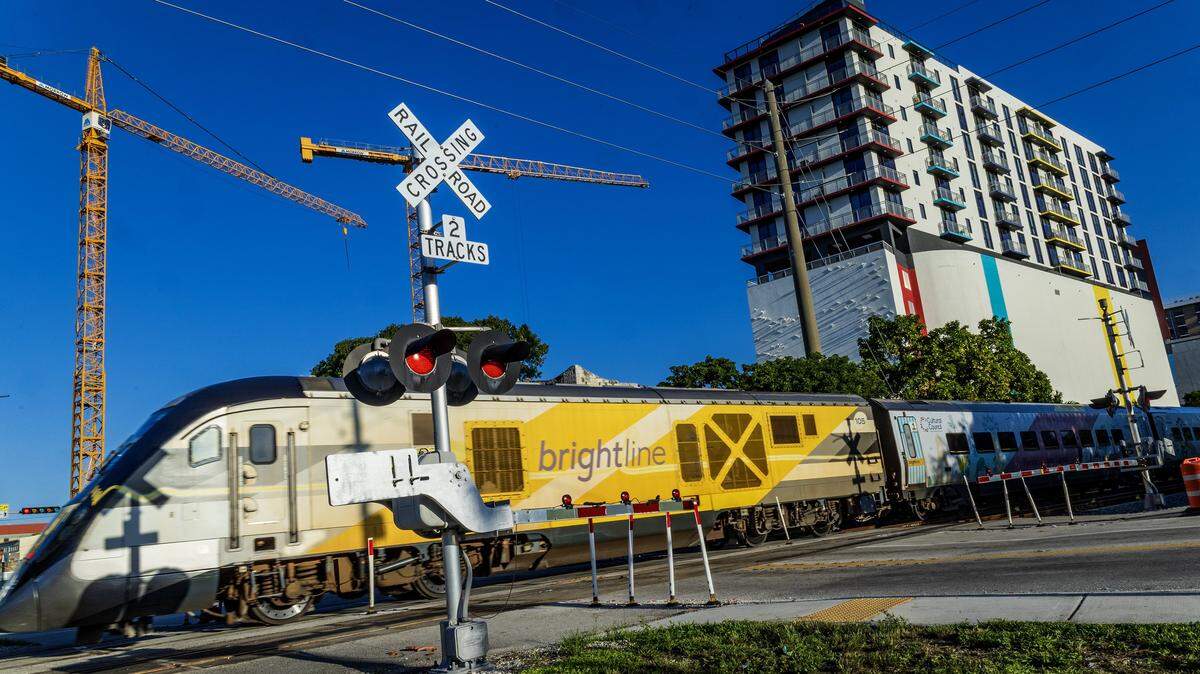
The state is home to the nation’s deadliest major passenger train, the subject of the Miami Herald/WLRN investigative series “Killer Train,” which examines why Brightline is so dangerous and what can be done about it.
Here’s how to stay safe around the tracks:
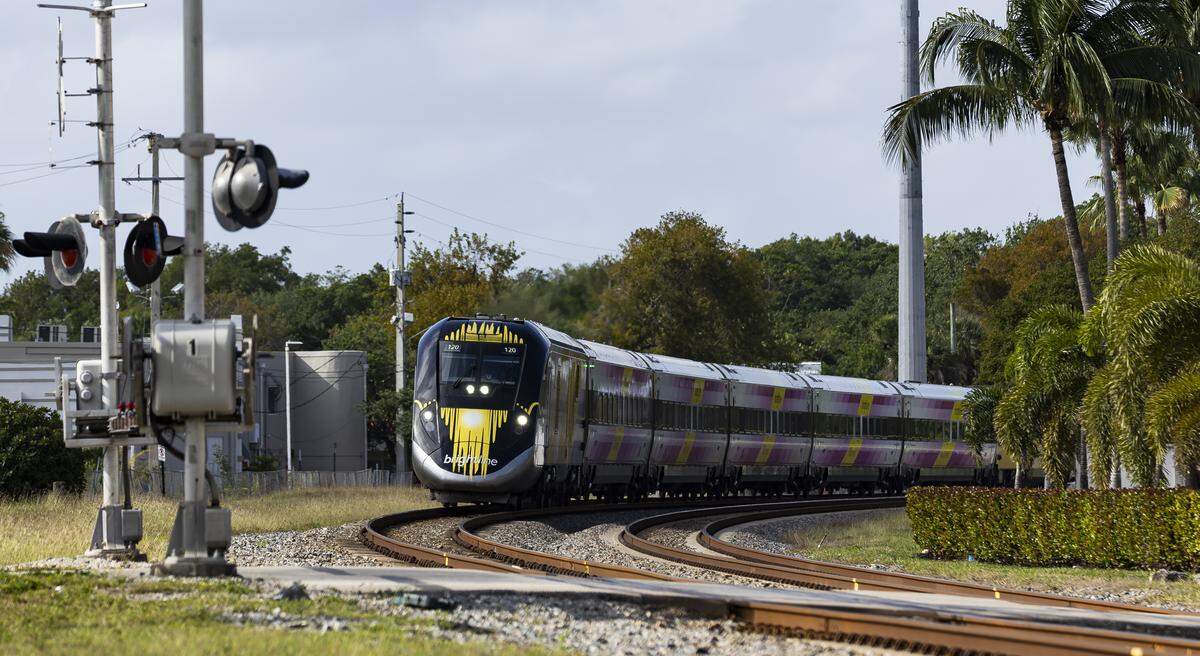
Mistake #1 — Going around lowered gates
Federal Railroad Administration rules require railroads to give at least 20 seconds of notice between the first warning signal and a train arriving at a crossing, leaving little time for hesitation. South Floridians who cross railroad tracks often for work or school may be more acclimated to freight trains, which move slower than Brightline trains.
Some, like Delray Beach architect Ken Weitz, drive across the Florida East Coast Railway train tracks used by Brightline every day to get to and from work. Weitz said he is often frustrated by the longer wait times for the slower trains, which he estimated can sometimes take around five times longer than the wait for a Brightline train on the same tracks.
“I’m relieved that it’s fast, but I’m also terrified that it’s going to slam into someone again,” Weitz said.
A common mistake people make is looking at an oncoming train and assuming they have more time than they actually do. Size-speed illusions — which also apply to planes and ships — are a trick of the eye that make it difficult to tell how quickly a large, fast-moving object is actually going.
“If you look down the tracks and see a train coming, it could be going 20 miles an hour, it could be going 80 miles an hour, and it’s hard to tell the difference,” Owens said.
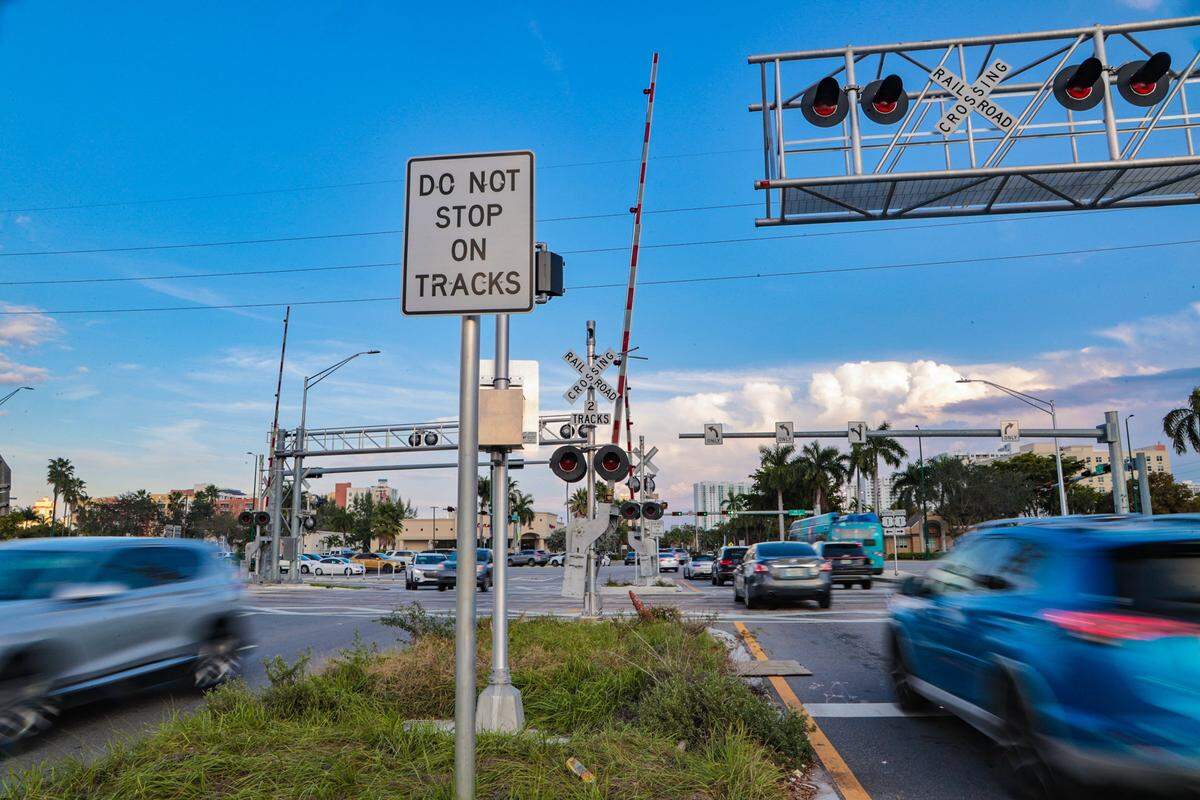
Mistake #2 — Stopping on the tracks
Owens said one of South Florida drivers’ most common errors is entering a train crossing without enough space to exit — often without realizing it. That can happen at a traffic signal, for example, when a line forms at a red light and extends onto the tracks.
People from all walks of life have made that mistake and suffered extreme consequences for it. In November 2019, attorney Veronica Vorano became one of them when she was hit and killed by a Brightline train in the city of Aventura on her way to visit her mother in the hospital.
Others, like Kenneth Muller, a professor of biophysics at the University of Miami Miller School of Medicine, made it out alive.
It happened last year as Muller and his wife were on their way to a Christmas party at the Miami-area assisted living facility where she volunteers.
“I was barely aware that there was a crossing there because there was so much traffic, and I was focused on getting to my destination, which I wasn’t that familiar with,” Muller said. “Because the traffic was moving, I didn’t leave that gap that I would have had to leave in order to avoid what could have been a disaster.”
Muller said when he heard the warning bells, he was already on the tracks — and the car in front of him had already stopped. He looked out the window and saw a train approaching from a few blocks away.
The gates didn’t come down, Muller said, so he was able to swerve to the right and escape.
“The train went straight by, and I thought, ‘Wow, is that ever close?’”
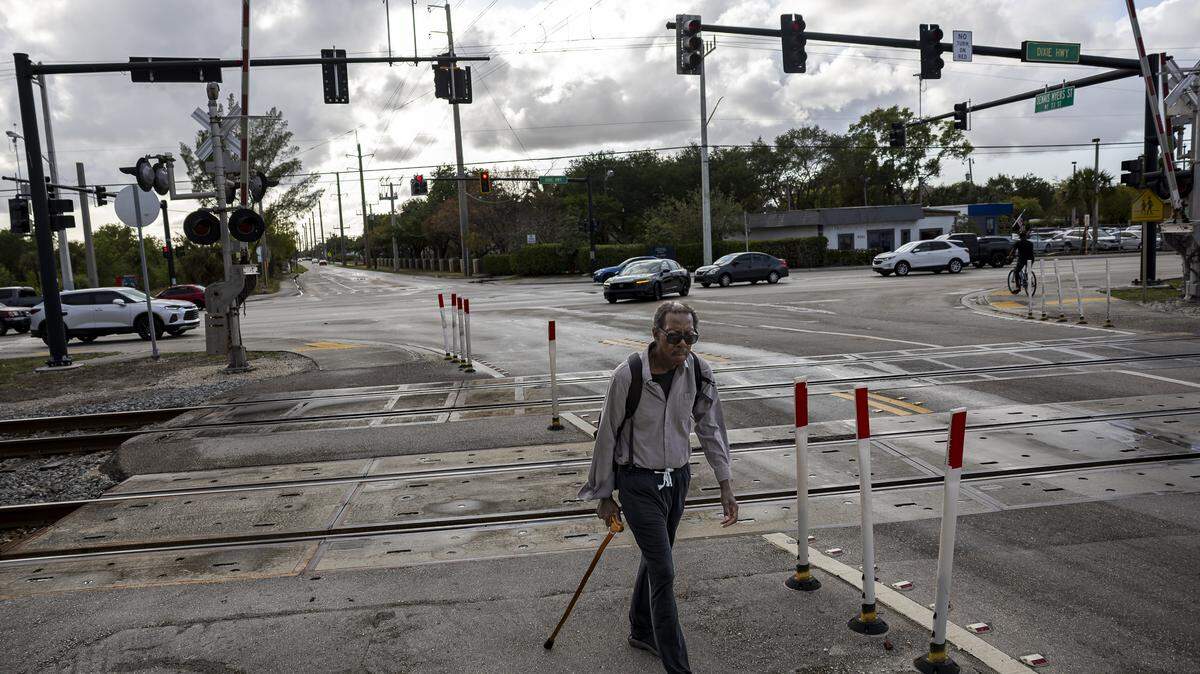
Pedestrians walking over a crossing should look both ways in case a second train is coming from the opposite direction.
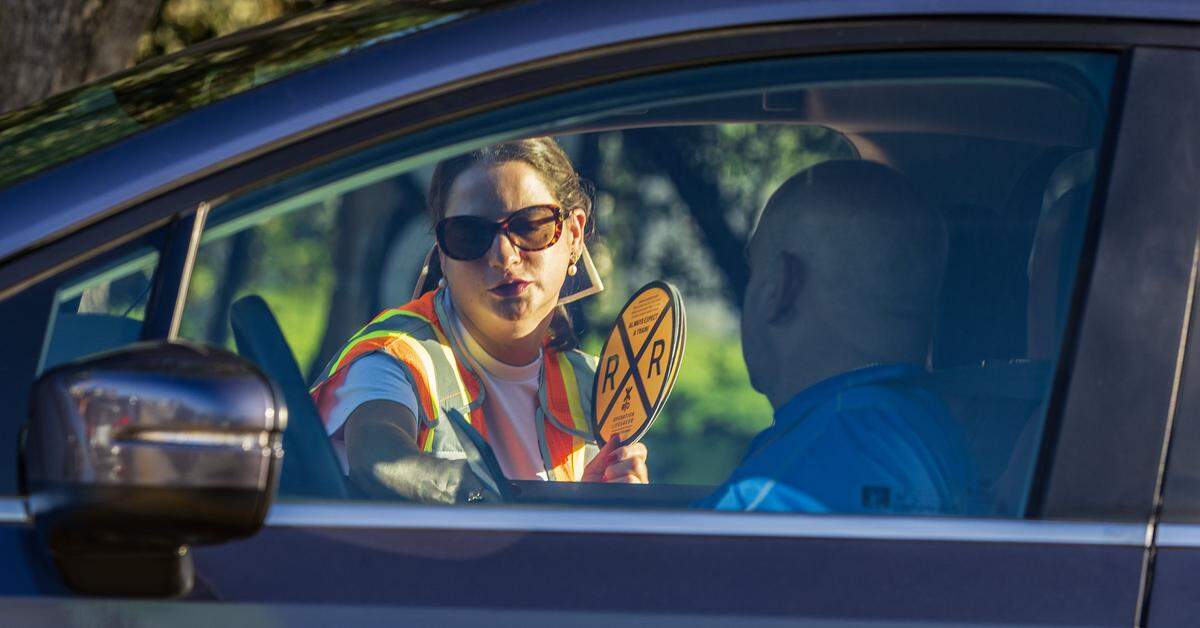
Mistake #3 — Not Knowing What to Do
If drivers do end up on the tracks after crossing arms have gone down, there’s still an exit strategy, said Owens, the Operation Lifesaver coordinator.
“Drive through the gate,” he said. “They’re meant to be driven through, and the railroad would much rather have to fix a gate than hit a car. That affects a lot of people.”
The gates are typically made of fiberglass or flexible plastic, which can withstand severe weather but cause minimal vehicle damage. Some will snap in half, while others have a mechanism that causes them to detach from their post.
If that doesn’t work, Owens said drivers should get out of their vehicle and away from the crossing as quickly as possible, while staying aware of their surroundings, since debris from a destroyed vehicle can still cause injuries.
Cody Massa experienced that firsthand in 2021. Despite escaping a Tesla that stalled on Brightline tracks in the town of Lantana, the force of the collision spun the car back toward him, causing serious injuries that landed him in the hospital, a thousand miles from his home in Arizona.
In the event of an emergency on the tracks, there’s a phone number drivers should call after making it to safety — even if it isn’t their first instinct. Every railroad crossing in the United States has a blue Emergency Notification System sign with identifying information. Drivers, passengers and bystanders can call the listed 1-800 number and be immediately connected with a railroad operator.
“When you have an issue on the tracks, people call their mom, they call their dad, they call 911 even,” Owens said. “911 will get you help eventually, but the blue number will make help faster.”
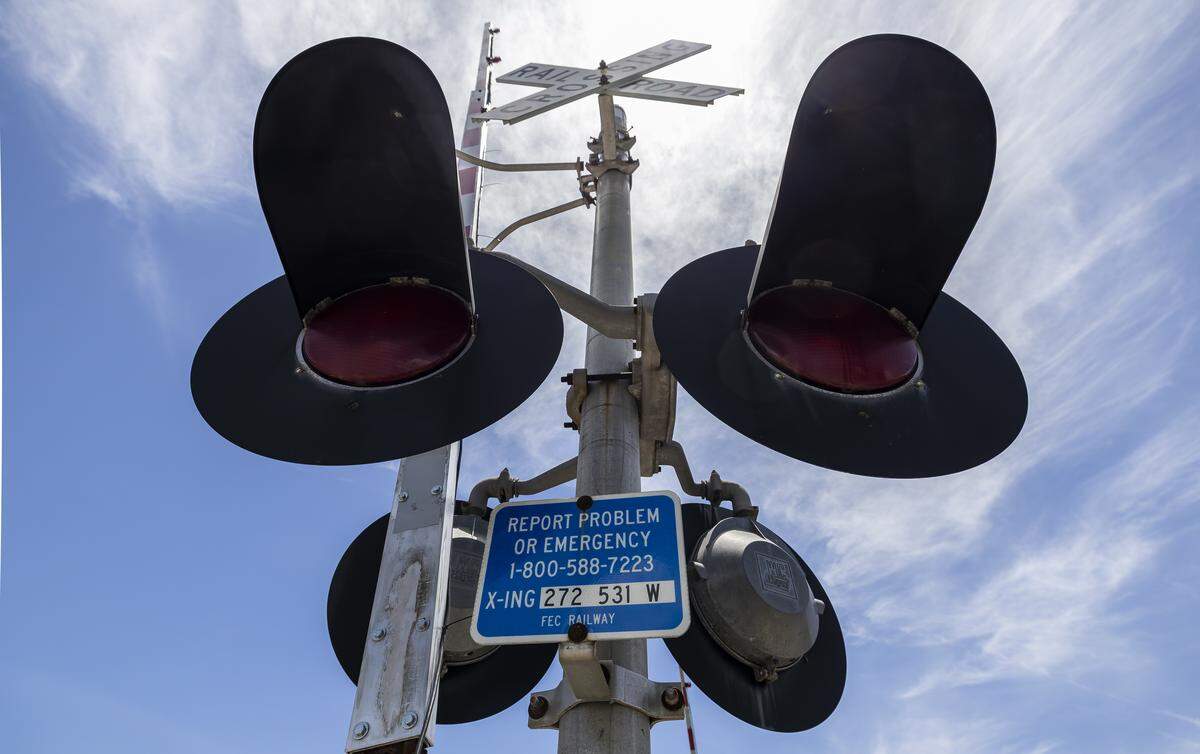
After a driver identifies their location, the operator’s job is to warn rail crews in the area to avoid the crossing — potentially preventing a collision altogether — and to contact first responders.
“They’ll know exactly where you are because of the crossing ID and can directly contact the train crews, as well as emergency responders, and get them to the right location,” Owens said.
Clearly though, for both pedestrians and drivers, the key is to never cross a downed train gate.
“The best method of prevention is look, listen and live,” Owens said. “The railroad property is private property. If the gates are down, if you cross or go between the gates, walk between the gates, bike between the gates, that’s trespassing.”
You can get a free printable card with train safety tips to put in your vehicle’s visor here.
This story was originally published November 20, 2025 at 5:00 AM.