Florida senator pushes rail safety bill amid deaths documented in Herald/WLRN series
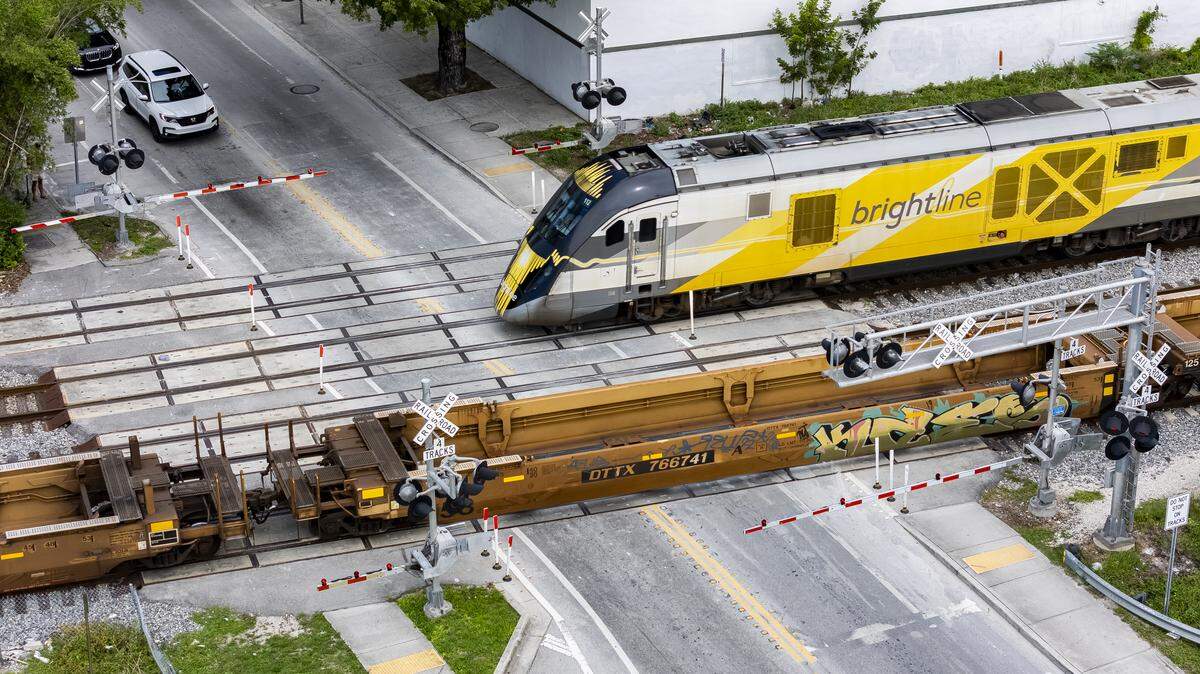
A state senator is seeking to reduce collisions and deaths at railroad crossings in Florida with a bill that would require installation of technology to warn train crews when a person or car is in the way.
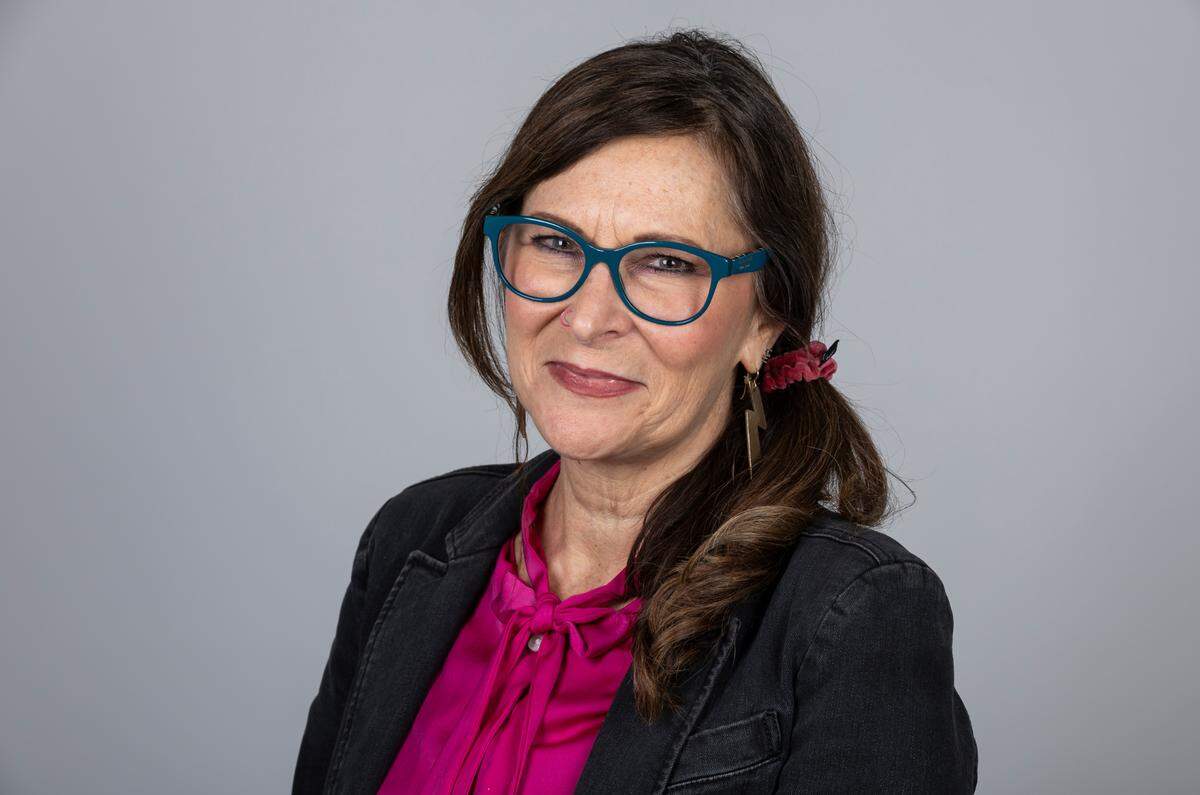
Sen. Ana Maria Rodriguez, R-Miami, told the Miami Herald that the bill (SB 1310) is “about preventing tragedies before they happen and ensuring that safety keeps pace with expanded rail service.”
The state stands out nationally for its poor railroad safety record. The Miami Herald/WLRN News’ 2025 series “Killer Train” revealed that 196 people have been struck and killed by Brightline trains since 2017, making it the deadliest major passenger rail system in the nation. (Another person was struck and killed in Melbourne on Dec. 26, bringing the total to 197.)
Rodriguez said the Herald/WLRN series “underscored the urgency of addressing rail safety in Florida.”
“While this issue has been a concern for some time — particularly for communities along rail corridors — the continued loss of life highlighted in your reporting reinforced the need for stronger, proactive safety measures,” she said.
The bill was filed Jan. 7. A similar bill (HB 1323) was filed in the state House by Rep. Kaylee Tuck, R-Lake Placid. Tuck and members of her staff did not respond to requests for comment.
The technology described in the legislation is often referred to as “vehicle presence detection” and can work in one or more ways to avert disaster.
In addition to alerting train crews of something or someone on the tracks, the technology can trigger crossing gate arms to go up and allow drivers to escape if they’re stuck between gates. In some cases, it can integrate with train control systems and slow down the train automatically.
Federal and state regulators have underscored vehicle presence detection as a key safety measure, especially for higher-speed trains like Brightline. In a 2014 report before Brightline began service, a Federal Railroad Administration official called the technology “a critical safety component” at crossings where train speeds would exceed 80 miles per hour — as Brightline does north of West Palm Beach.
In its early days, Brightline used vehicle presence detection technology at crossings that triggered gate arms to open if a car was stuck on the tracks. But the company stopped using the technology amid concerns that torrential rain caused gates to go up when they shouldn’t.
A Florida Department of Transportation spokesman did not respond to a request for comment on the bill. Brightline’s spokesperson also didn’t respond.
Florida’s history of railroad deaths and injuries prompted the creation in 2024 of a state Rail Safety Coalition. That year, the most recent for which complete data is available from the Federal Railroad Administration, 99 people were struck and killed by trains operated by Brightline, Tri-Rail, CSX, Florida East Coast Railway, Amtrak and SunRail, according to federal data.
While a great number of the deaths involve people on foot who aren’t at crossings, many crashes do occur at crossings or near them. According to the FRA statistics, there were 45 train strikes at crossings in Florida in 2024. Some drivers circumvent gates or become stuck on the tracks because of traffic that keeps them from moving forward when a train is coming.
Rodriguez said improvements are important “as rail traffic continues to increase through densely populated communities.”
“The bill was inspired by concerns raised by residents, local officials, and first responders about safety, emergency preparedness, and accountability,” she said.
Rodriguez’s bill would put the onus for safety enhancements on whichever government entity has jurisdiction over the roadway at the railroad crossing. The safety systems would be required at crossings that are “established, updated, or modified,” beginning Jan. 1, 2027.
The government entities would install and maintain “detection and monitoring systems” that would immediately send warnings or alerts to train crews about obstructions ahead. Annual reports about the rail crossing activity would be submitted to FDOT.
The bill says the detection systems could be paid for through state or federal funds, grants or public-private partnerships. FDOT would be authorized to help pay or to offer “incentives” to local governments to support the installations.
Tuck’s version of the bill in the House is more broad about who could pay for the technology, leaving open the possibility of private investment. Rail operators “may qualify for tax credits or other financial incentives for the timely installation of advanced detection and monitoring systems at priority existing railroad crossings,” the bill says.
The House version proposes that, starting July 1, any upgrade or “significant modification” at an existing crossing would need to include an advanced detection and monitoring system.
This story was originally published January 17, 2026 at 5:00 AM.