Brightline conductor sues for $60 million, says job on deadly rails caused PTSD
READ MORE
Killer Train
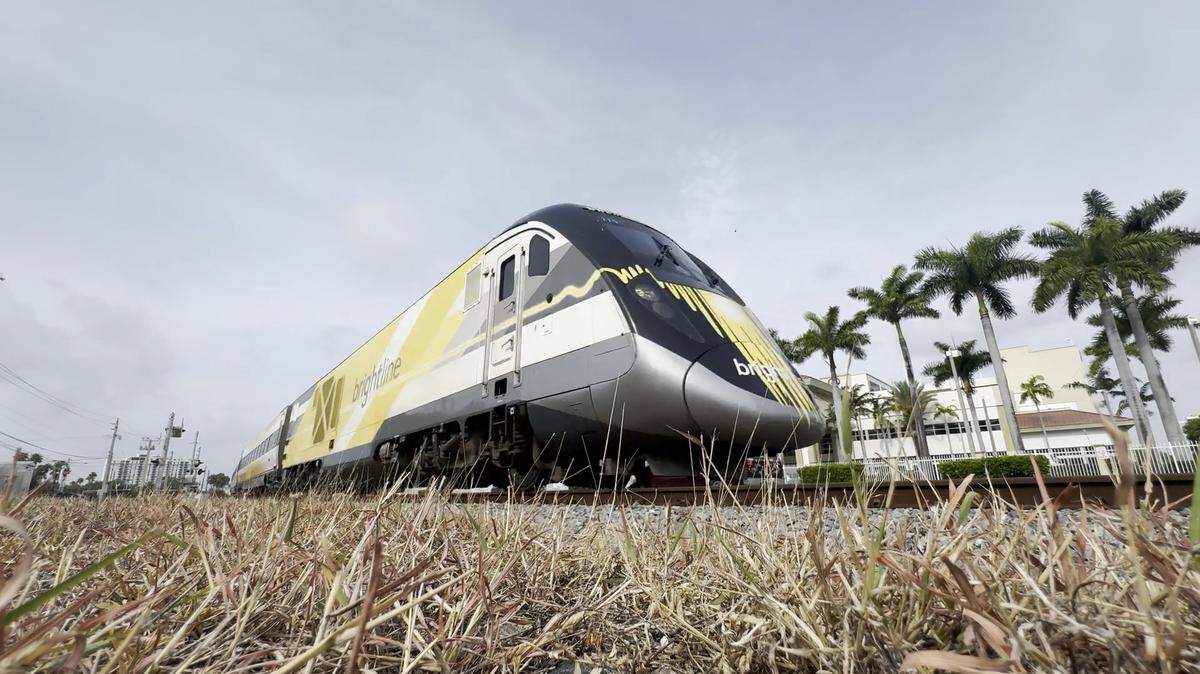
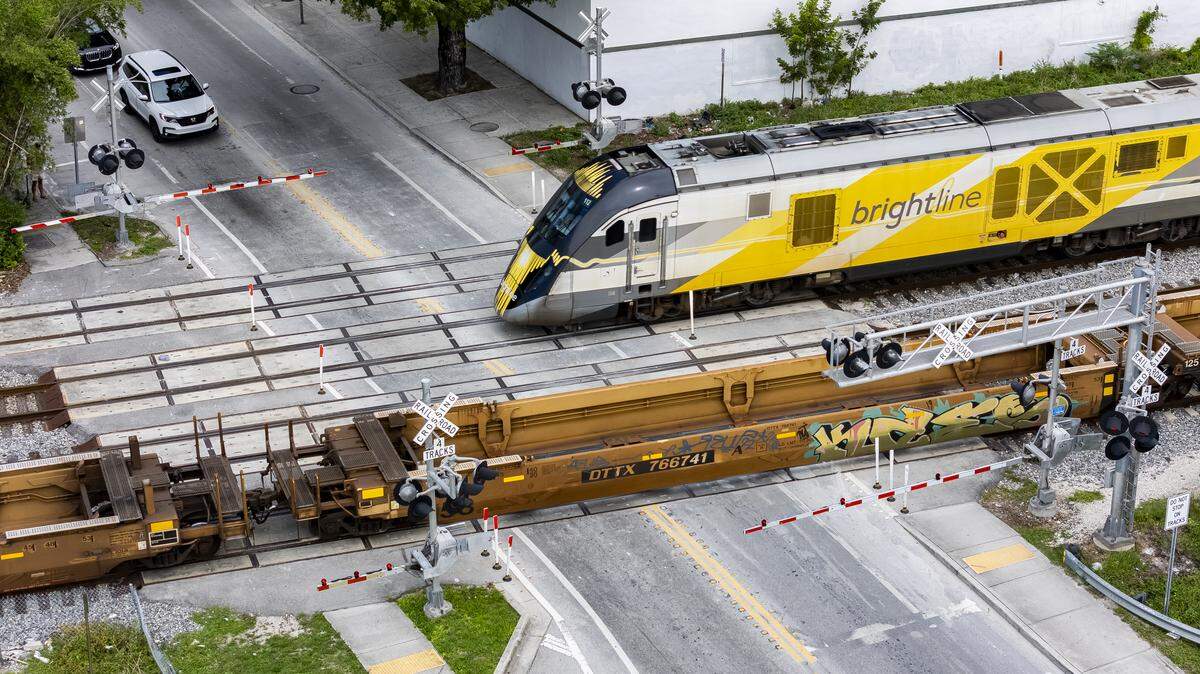
Brightline is the deadliest major passenger railroad in the United States. An investigation by the Miami Herald and WLRN reveals the shocking toll and the failures that led to it.
Expand All
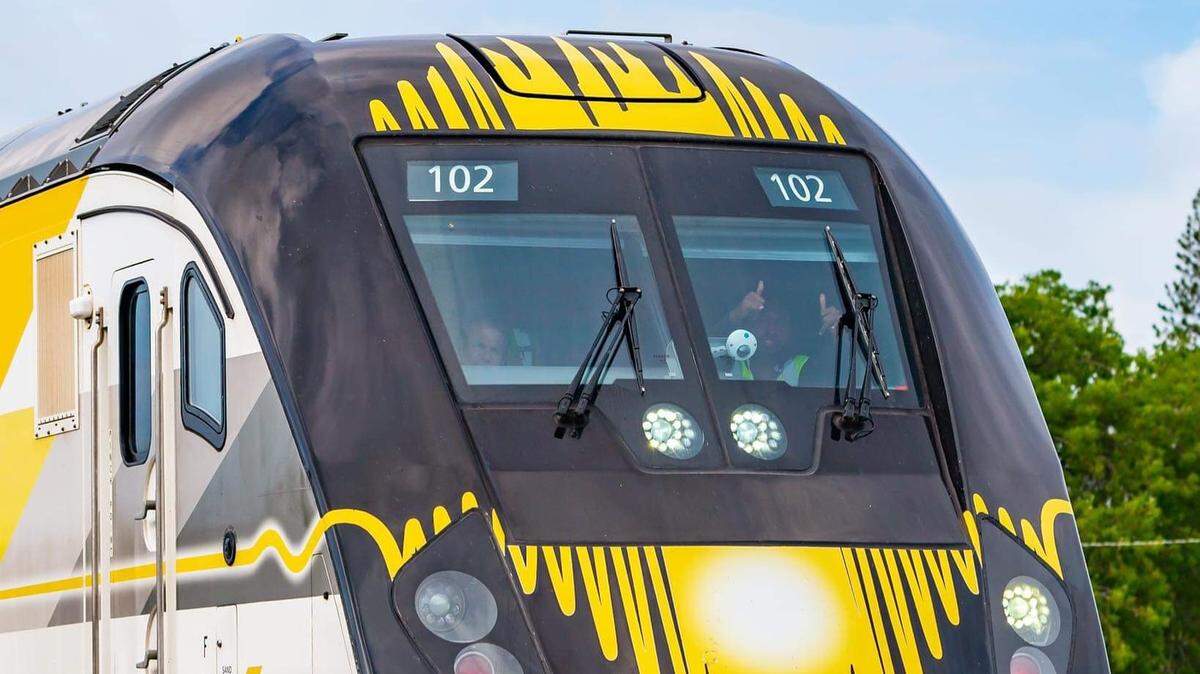
A former Brightline conductor is suing the train company for $60 million, claiming his experience witnessing deaths and walking through “smoking and sometimes burning car wreckage, twisted metal, and debris fields contaminated with blood and bodily remains” left him with severe psychological injuries.
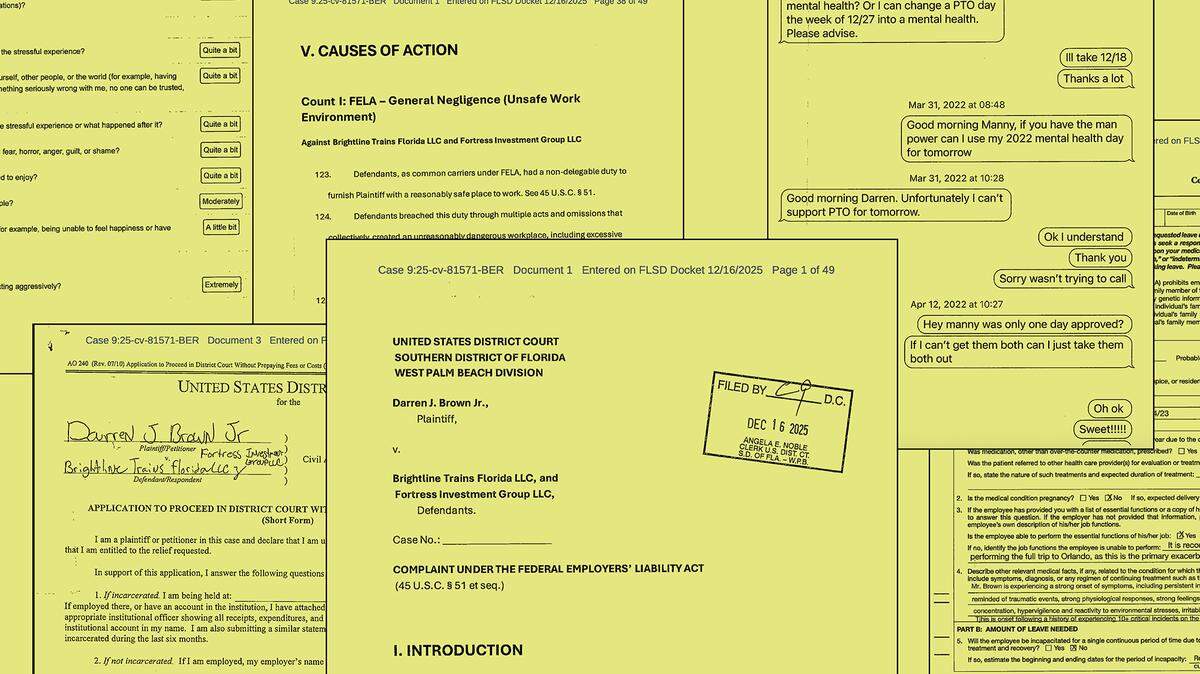
Darren J. Brown Jr. filed suit in federal court on Tuesday against Brightline Trains Florida LLC and Fortress Investment Group LLC.
In his claim, under the Federal Employers’ Liability Act, he accuses his former employer of fostering a culture that “normalized frequent fatalities, minimized emotional responses to trauma, and stigmatized requests for mental-health support.” He says Brightline and parent company Fortress created an unsafe work environment, placed him in a “zone of danger” inflicting emotional distress, and negligently violated safety regulations, among other things.
The suit also blames the companies for exposing Brown to “foreseeable and preventable” traumatic events, by continuing to operate trains along the corridor “without timely safety upgrades.”
“By persistently underfunding safety measures, delaying necessary upgrades, and prioritizing Fortress’s financial goals over risk reduction, Defendants created an unreasonably hazardous work environment for Brightline Crews,” it says.
Brightline media relations Director Ashley Blasewitz said the company “does not comment on ongoing litigation.”
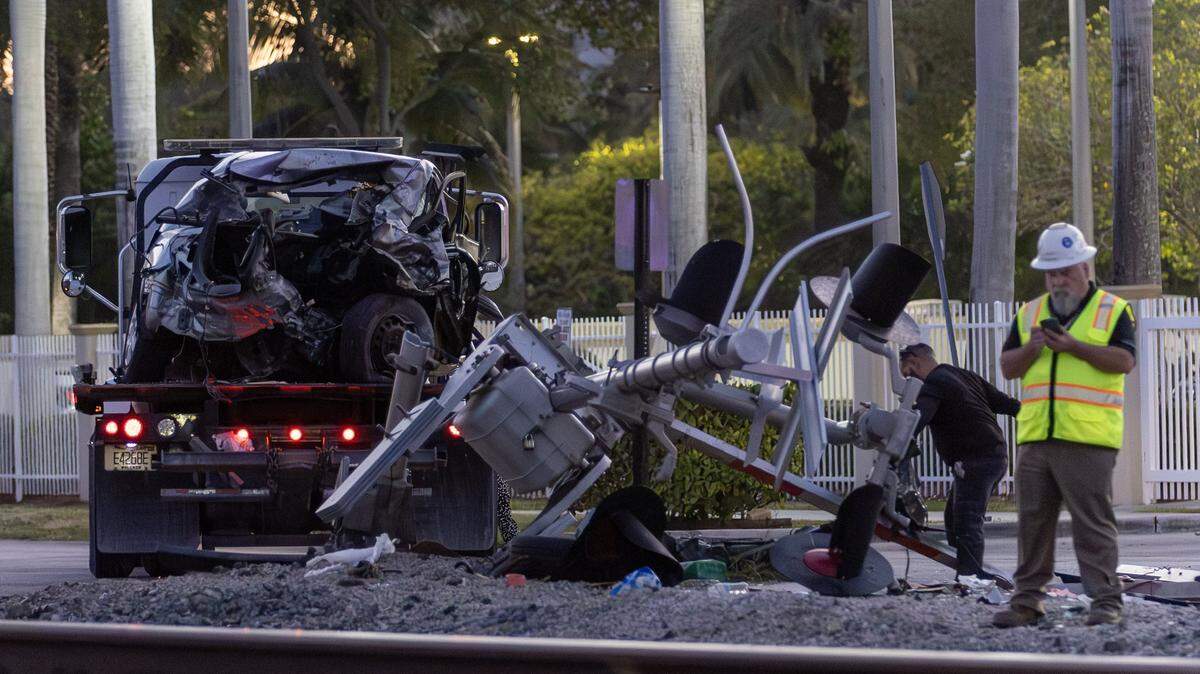
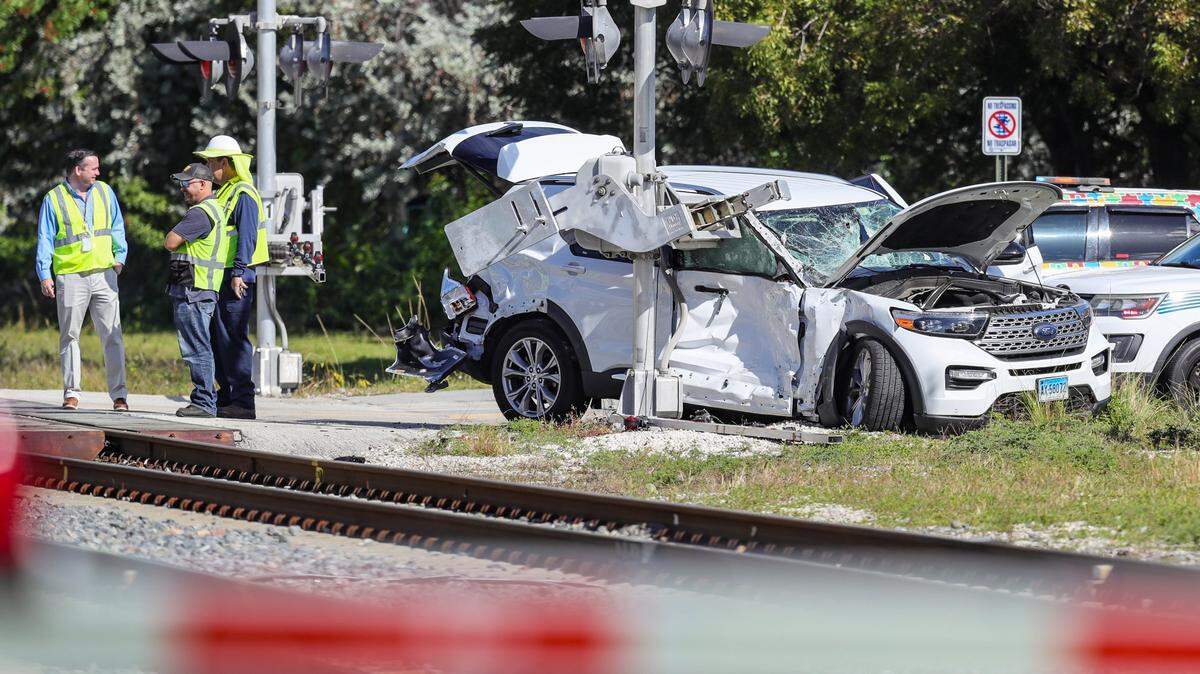
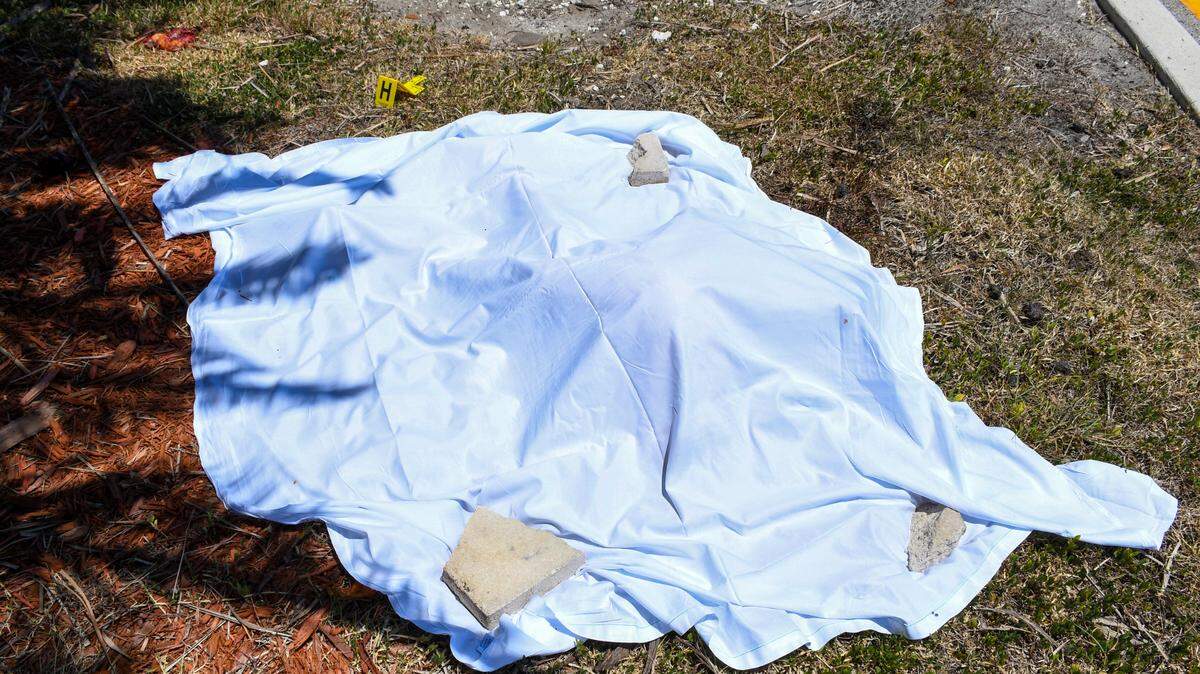
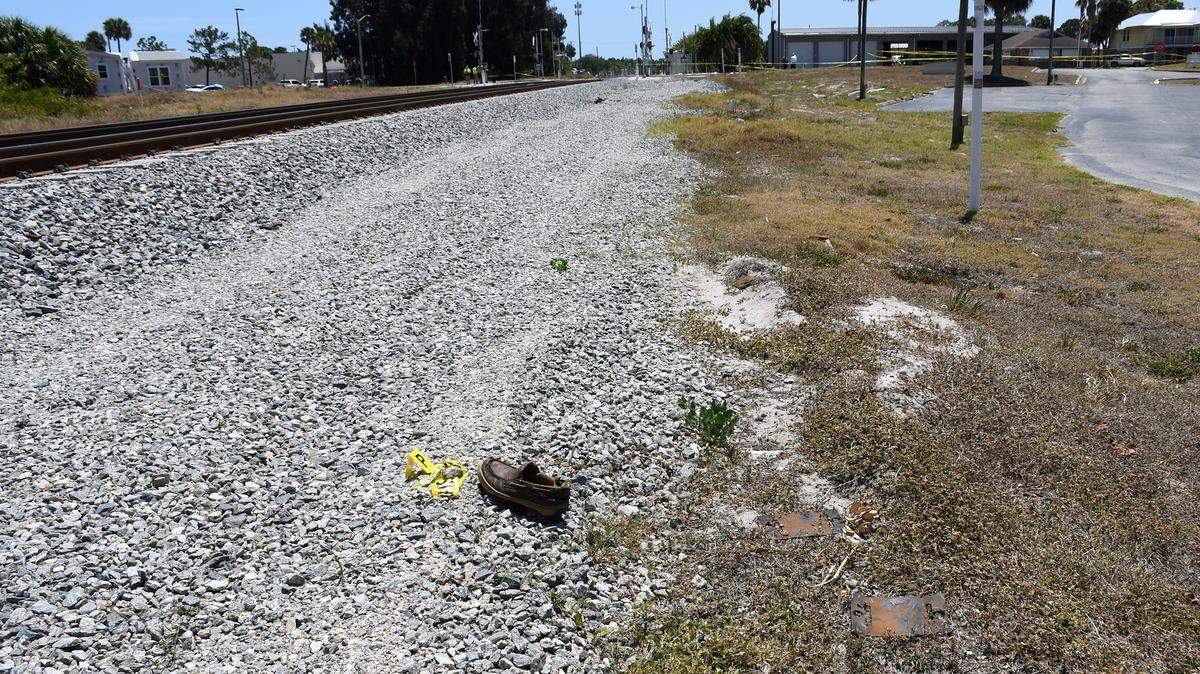
Brightline trains have struck and killed 195 people, including a 30-year-old man on Monday in Boca Raton. The company has not been found at fault for any of the accidents. The National Transportation Safety Board is investigating the high fatality rate.
One of Brightline’s earliest conductors, Brown worked for Brightline from 2017 until he quit in 2023. He was featured in a Nov. 6 story by the Miami Herald and NPR member station WLRN, as part of the reporting team’s Killer Train series.
After years in the Brightline cab witnessing deaths and near-misses, Brown was diagnosed in October 2023 with Post-Traumatic Stress Disorder (PTSD) by Brightline’s mental health clinician. His mental health deteriorated to the point he was “effectively forced out of the railroad industry,” he alleges, “suffering substantial economic and non-economic damages.”
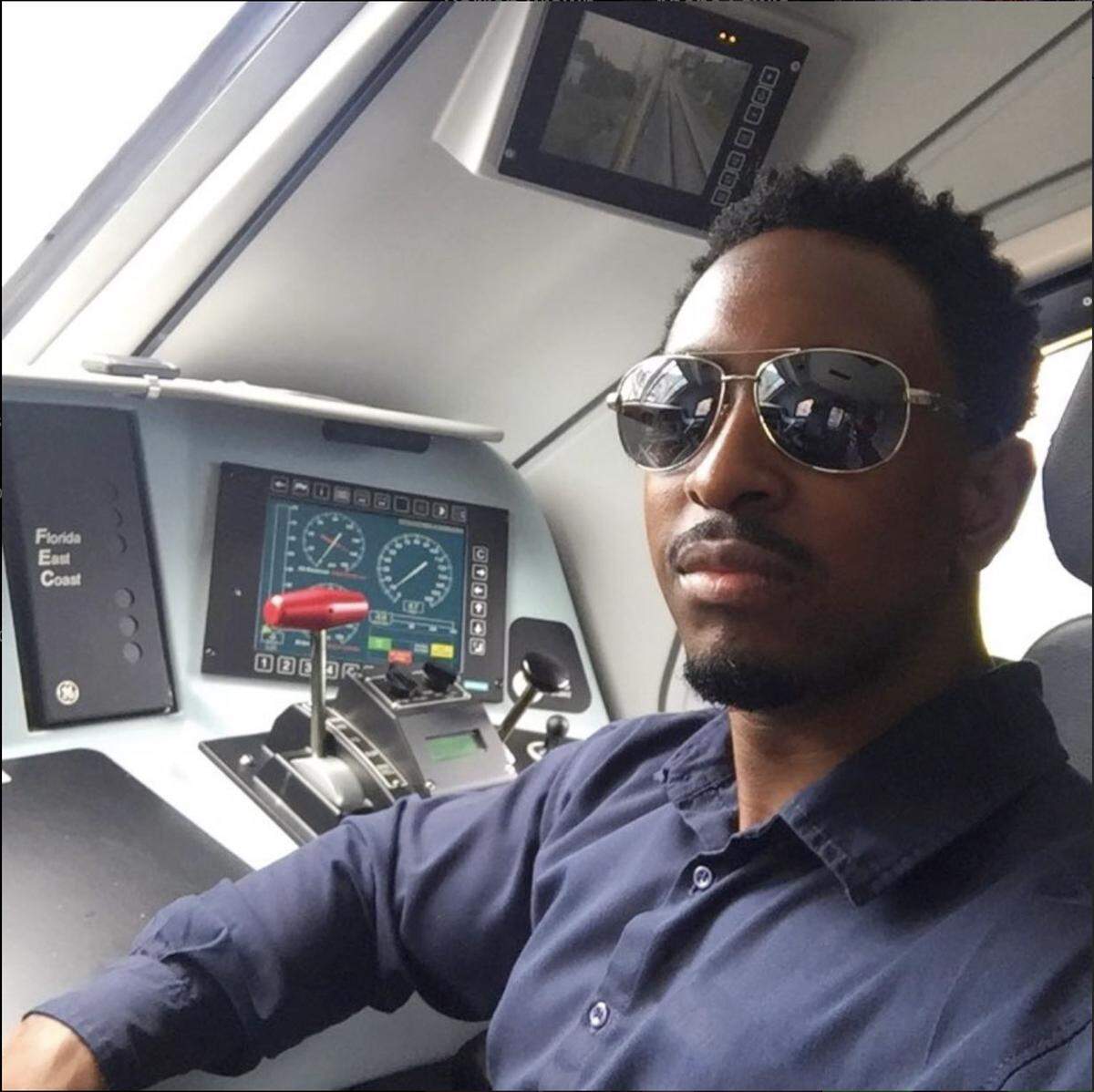
Brown told reporters earlier this year that he’d been involved in 16 fatal train incidents — a figure he said he’d gotten from Brightline. The Herald/WLRN documented eight.
In his legal complaint, he recounts a crash scene he remembers as one of the most “vivid and distressing” of his career. Brown was conducting a train in February 2022 in Lake Worth Beach when it struck a car and tore it in half. The driver had maneuvered around lowered gates. Brown said he was forced to exit the train cab and run to the scene, where the 55-year-old driver was “crushed and pinned inside, screaming in agony.” Brown watched as the man was extricated from the car and taken — alive — to the hospital.
That crash, and others in the vicinity that week, “reinforced Plaintiff’s awareness that high-speed operations through unfenced, high-risk corridors created constant exposure to violence and death,” the lawsuit says.
Brightline has faced at least a dozen lawsuits for deaths and injuries, according to court records. Some have settled for undisclosed amounts, and none has gone to trial. The company has been tight-lipped about the litigation. Brightline filed a motion this week to silence attorney Todd Baker, who has five pending cases against them. The motion is to “restrict attorney from speaking to the Press.”
Brown filed Tuesday without an attorney, as a “pro se” litigant. He said he “tried a few” attorneys but couldn’t find one willing to take it on. In an affidavit seeking the waiver of court fees, he said he has no income and $2 in savings.
Among the allegations in his lawsuit:
* Brown was required to complete tasks he was not trained for, including to “visually confirm whether victims were dead, despite having no medical or forensic training.”
* After accidents, he re-boarded the train wearing clothing that had been exposed to “biological matter, vehicle fluids, and hazardous debris, creating additional health and safety risks for everyone aboard.”
* He was required to be available within one hour, when on call, a policy that created “fatigue pressures” and reportedly prompted some employees from Orlando to “live in their cars” while on call.
* His “cumulative trauma” wasn’t cared for, under Brightline’s one-size-fits-all policy. “A conductor who struck and dismembered a pedestrian received essentially the same leave as someone who hit a shopping cart. Employees who had been exposed to multiple fatalities, like Plaintiff, received no enhanced support.”
* He and other crew members were often urged to keep working after fatal incidents. “Management often urged crews to “just take it to the next station,” “keep things moving,” or “do it as a favor,” framing continued operation as a sign of toughness and loyalty.”
Brown, who lives in West Palm Beach, left his job as a conductor not long after requesting unpaid time off to care for his mental health. He said in his lawsuit that his request for leave led to “hostile treatment and threats of schedule disruption and career harm.” He said he was suffering panic while driving, irritability, nightmares, intrusive memories and other mental health problems.
Brown was given an ultimatum by Brightline that led to his resignation, he told reporters earlier this year. He’d been freshly hired by Tri-Rail, the commuter rail system a bit west of the Brightline tracks, and was forced to choose between the two. He chose Tri-Rail.
Now he lists his occupation as a sports and entertainment agent.
This story was originally published December 17, 2025 at 4:10 PM.