Miami Dysfunction: Commissioners swear pension vote was not self-serving. C’mon! | Opinion
READ MORE
Miami Dysfunction
Miami Dysfunction is a series of editorials that examines flaws in the city of Miami’s structure of governance.
Expand All
Miami is a city enveloped in scandals, earning a reputation that its elected leaders are looking out more for themselves than the public. The city has become the laughing stock of South Florida — a symbol of self-dealing.
In this crisis of public trust, what does the city commission do?
Give preliminary approval to a proposal that will ensure that commissioners themselves could stay on taxpayers’ payroll for the rest of their lives.
Meanwhile, those same commissioners don’t show the same urgency to look into a series of reforms that the Miami Herald Editorial Board and community activists have been asking for, such as expanding the commission from five to seven or nine seats.
On Thursday, a divided commission voted to approve the first reading of an ordinance to revive a pension program for elected officials that was suspended more than a decade ago during the financial crisis.
The proposal needs to come back to the commission for final approval, the Herald reported. We hope that, when it does, commissioners come to their senses and reject it.
The measure states that Miami elected officials will become eligible to receive a pension either after starting their seventh year of service and once they’ve turned 62, or after 10 years of service and once they’ve turned 60.
The pension amount will be equal to half of their highest compensation with the city, with annual 5% increases until it is equal to 100% of what their compensation was while in office. Participation in the program would be voluntary.
The ordinance was sponsored by Commissioners Christine King and Miguel Gabela, who, ironically, was elected last year on a platform of restoring public faith in City Hall. Gabela defeated former Commissioner Alex Diaz de la Portilla, who was arrested last September on charges related to corruption.
King and Gabela could each earn up to $57,756 per year based on their current compensation and years of service, the Herald reported. Pensions are a luxury many of their constituents don’t get. Most private employers, for example, moved away from pensions years ago to cut costs.
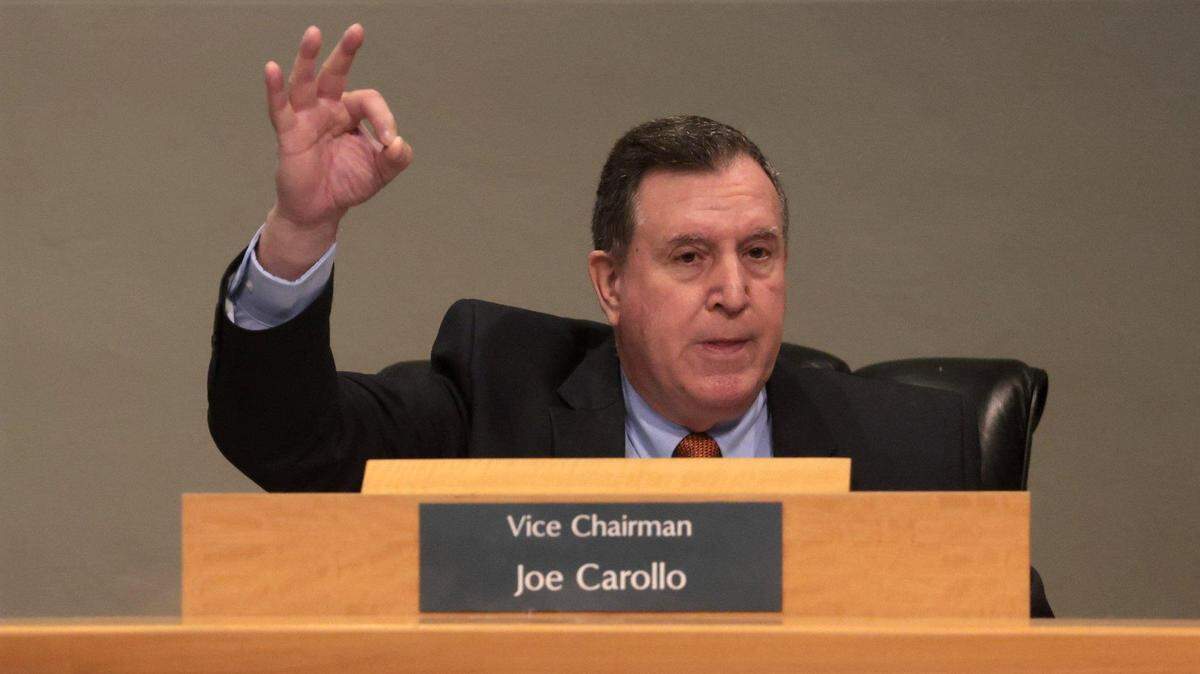
Also voting in favor of the program was Commissioner Joe Carollo. First elected in 1979, Carollo, a former mayor, was already in the city’s pension program when he returned to the commission in 2017, when his payments were suspended until the end of his current term, the Herald reported.
If the commission passes this proposal, Mayor Francis Suarez should veto it. Suarez would earn $124,452 per year if he chose to receive a pension, but he clearly doesn’t need the extra compensation. His net worth increased dramatically after becoming mayor thanks to his myriad side jobs and employment deals that raise questions on whether he’s used his public office to look for ways to enrich himself.
As Commissioner Damian Pardo said at the Thursday commission meeting, reviving pensions “really comes across as self dealing. We’re passing this for ourselves,” the Herald reported. Pardo and Commissioner Manolo Reyes voted against the proposal.
The rest of the commissioners are out of touch if they truly believe that’s not exactly how residents will look at their latest move. Unfortunately, low voter turnout and engagement in Miami often guarantee elected officials don’t pay the political cost of their actions.
King defended her measure on Thursday, saying that although the job of city commissioner is considered part-time, it involves around-the-clock effort. We believe that. Surely, commissioners need to be properly compensated — they currently earn $58,200 a year, which is more than a part-time salary for most people. It’s a disservice to constituents if only the independently wealthy have the financial stability to serve in office. But the answer isn’t putting taxpayers on the hook for each elected official through the rest of their lives.
At the very least, the pension program should have gone before the voters, but the commission rejected the idea of a referendum.
King emphasized that pensions would be voluntary. If the commissioners who voted for it are truly serious that they are not “self-dealing,” then they should choose not to enter the program if it’s approved.

Click here to send the letter.
This story was originally published July 13, 2024 at 5:00 AM.