Florida didn’t take a direct hit — but here’s the damage Dorian caused on the coast
Hurricane Dorian largely spared Florida, but the storm still brought winds, rain and storm surge.
While it can’t compare to the destruction the storm left behind in the Bahamas, here’s how it affected our state:
Power outages
Hurricane Dorian caused around 140,000 people in Florida to temporarily lose power in the past few days, a Florida Power & Light spokesman said Wednesday. Power to most of these customers have been restored but the company urged residents to “remain vigilant and prepare for an increased potential for power outages” through Wednesday as Hurricane Dorian continued to move up Florida’s coast.
There were 6,395 power outages, as of Wednesday afternoon, with most of the outages occurring more along the northeast coast in Brevard, Flagler and Volusia counties.
In Duval County, there were 472 customers without power as of noon Wednesday, according to the Jacksonville Sheriff’s Office.
Around 3,515 customers have been out of service since the storm arrived close to the area, according to a Jacksonville Electric Authority spokeswoman. The first storm related outage was reported around 6 p.m. Tuesday, but most of the power has been restored by Wednesday morning.
JEA is also alerting customers on its website that Hurricane Dorian’s tropical storm or hurricane-strength winds could cause widespread outages and leave customers without power for days.
Rough Waters & Flooding
Forecasters warned Dorian would bring “life-threatening” storm surge, potential floods, surf and rip currents for several days along Florida’s east coast, even without landfall. A handful of counties, from Palm Beach north to Volusia, had opened emergency shelters or called for mandatory evacuations in coastal zones.
Video posted online by a Action News Jax reporter shows the waves getting rough in St. Augustine early Wednesday morning.
In Jacksonville, pounding, rolling waves were recorded Wednesay afternoon in a live Twitter video at Jacksonville Beach Pier. Some of the waves rose so high, they appeared to be pushing and spraying the bridge.
Some areas of Florida experienced little to no flooding while others like Port Salerno in Martin County showed more significant flooding, but residents said tides were high here before Dorian arrived.
Hurricane conditions across the state were also captured Tuesday in videos and pictures of the beaches, with many of them closed.
But, the dangerous hazards didn’t stop beachgoers.
Spanish River Park’s beach in Boca Raton was packed. Lines of people were standing with cameras and GoPros watching the crashing waves and surfers taking advantage of the large swells.
Closed Businesses, Schools, Airports
The storm caused school and business closures across the state for several days. Disney World adjusted its operating hours and even airlines were affected.
Fort Lauderdale-Hollywood International Airport, Palm Beach International Airport and Orlando International Airport had to briefly close as the looming storm threatened the coast.
The airports have reopened as of Wednesday afternoon, but flight cancellations and delays continue, including at Miami International Airport, according to the Federal Aviation Administration.
Eroding beaches
In one of the recent briefings at the state Emergency Operations Center in Tallahassee, Derek Giardino of the National Weather Service said he was concerned about the St. Johns River rising about 3.5 feet and lead to flooding Wednesday. He also predicted severe beach erosion and flooding in the City of St. Augustine, similar to damaging floods that swamped the city after Hurricane Matthew.
Wednesday morning, St. Augustine Beach showed signs of erosion.
Erosion was also spotted at Coconut Point Park in Brevard, acccording to Florida Today.
U.S. Geological Survey coastal change experts forecast Hurricane Dorian will cause 78 percent of the sandy beaches from Florida to North Carolina to undergo beach and dune erosion, according to a Monday news release.
Nasty winds and rain
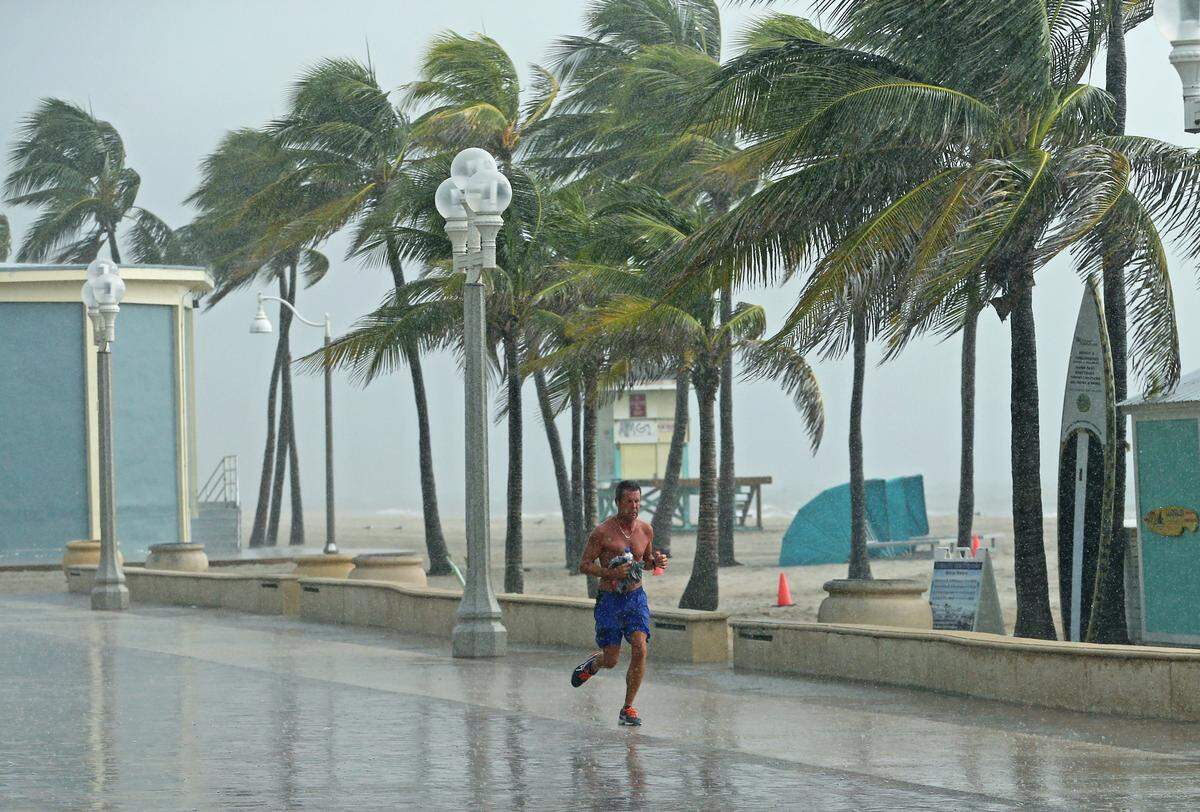
When Hurricane Dorian passed near South Florida Tuesday, areas of Broward experienced heavy rain throughout the day but did not receive reports of any major flooding by Monday afternoon. Palm Beach, which was where forecasters expected would see the worst weather, was barely sideswiped by the storm.
Northeast Florida began feeling tropical storm conditions Wednesday morning. Saint Augustine also briefly went under a tornado warning Wednesday.
Florida’s east coast experienced winds as high as 70 mph in the past 24 hours, according to a highest wind gust report released early Wednesday by the National Weather Service.
This story was originally published September 4, 2019 at 1:05 PM.