Díaz-Balart writes letter to DHS urging protection for Venezuelans facing deportation
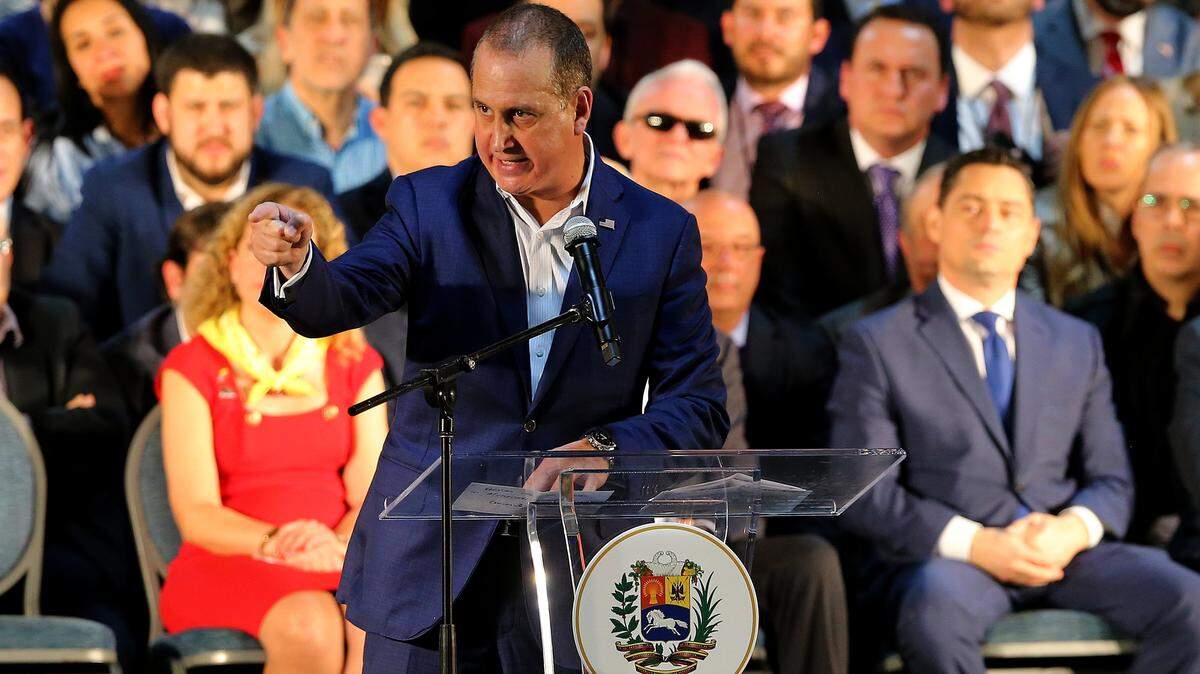
Following the Trump administration’s decision to end Temporary Protected Status for over 300,000 Venezuelans, U.S. Rep. Mario Díaz-Balart urged Homeland Secretary Kristi Noem on Thursday not to deport those without criminal records.
“I respectfully request, within all applicable rules and regulations, that you assess all options available to ensure that Venezuelan nationals without criminal records are not forcibly returned to one of the most repressive dictatorships in the world,” the Miami Republican representative wrote Noem in a letter.
The Biden administration previously approved an extension of the TPS program, which has protected over 500,000 recipients from deportation. Noem revoked that extension last week, and decided to let the designation expire for approximately half of all recipients in April.
Noem has yet to make a decision on whether to extend TPS for the remaining Venezuelans covered by the designation, who are protected until September.
In televised interviews, public statements and letters, Díaz-Balart has partnered with Republican colleagues Carlos Giménez and María Elvira Salazar to advocate for the program or for a review of beneficiaries on a case-by-case basis. As the state with the largest number of recipients, Florida stands to be heavily affected by the move, which has sparked fear among recipients and their families.
Temporary Protected Status was first extended to Venezuelans in March 2021 amid an economic and humanitarian crisis described by some economists – and president Donald Trump himself – as the worst in modern history. An estimated 20 percent of the country’s population, or nearly 8 million people, have fled the country. The majority settled in nearby countries in Latin America and the Caribbean, according to the UN Refugee Agency. In July, Venezuelan president Nicolás Maduro was sworn in for a third term, despite overwhelming evidence that he lost the election to opponent Edmundo González. Still, in her decision to revoke the protections for 348,202 Venezuelans who received Temporary Protected Status in 2023, Noem argued that the crisis has improved enough to allow Venezuelans to return.
“Overall, certain conditions for the 2023 TPS designation of Venezuela may continue,” she wrote in a memo published on Wednesday. “However, there are notable improvements in several areas such as the economy, public health, and crime that allow for these nationals to be safely returned to their home country.”
On Tuesday, the Miami-Dade County Commission approved a bipartisan resolution requesting the president reverse course and keep Temporary Protected Status for countries like Venezuela and Haiti, arguing it is too dangerous for citizens to return.
Díaz-Balart, in his letter on Thursday, echoed the same sentiment, and pointed to a 2021 decision made by president Donald Trump to extend a similar program, Deferred Enforced Departure. In a 2021 memo, Trump called the crisis the worst “in the Western Hemisphere in recent memory.”
“Unfortunately, that reality remains unchanged,” Díaz-Balart wrote to Noem. “The humanitarian crises in Venezuela have only worsened in the intervening period, and political persecution has escalated.”
Despite his ongoing break with the president on TPS, Díaz-Balart continues to praise Trump’s immigration policies and express confidence in the president.
Temporary Protected Status recipients go through a vigorous vetting process prior to their acceptance into the program. But in his letter, Díaz-Balart criticized Joe Biden for endangering Americans through a failure to properly “vet those entering our country.” He expressed his “strong” support for “all efforts to prosecute and remove dangerous criminals.”
“Nonetheless, I believe that we can achieve that goal while still protecting those who have fled dangerous political persecution,” he wrote.
This story was produced with financial support from the Esserman Family Foundation in partnership with Journalism Funding Partners. The Miami Herald maintains full editorial control of this work.
This story was originally published February 6, 2025 at 2:19 PM.