Amid construction boom, experts urge for monitoring of sinking South Florida towers
READ MORE
Built on Sand
The Miami Herald examined the impacts of continuing to build on Florida’s barrier islands, which are at high risk from rising seas and strengthening hurricanes, as well as the little-understood geologic consequences of packing bigger and heavier high rises on sinking sand.
Expand All
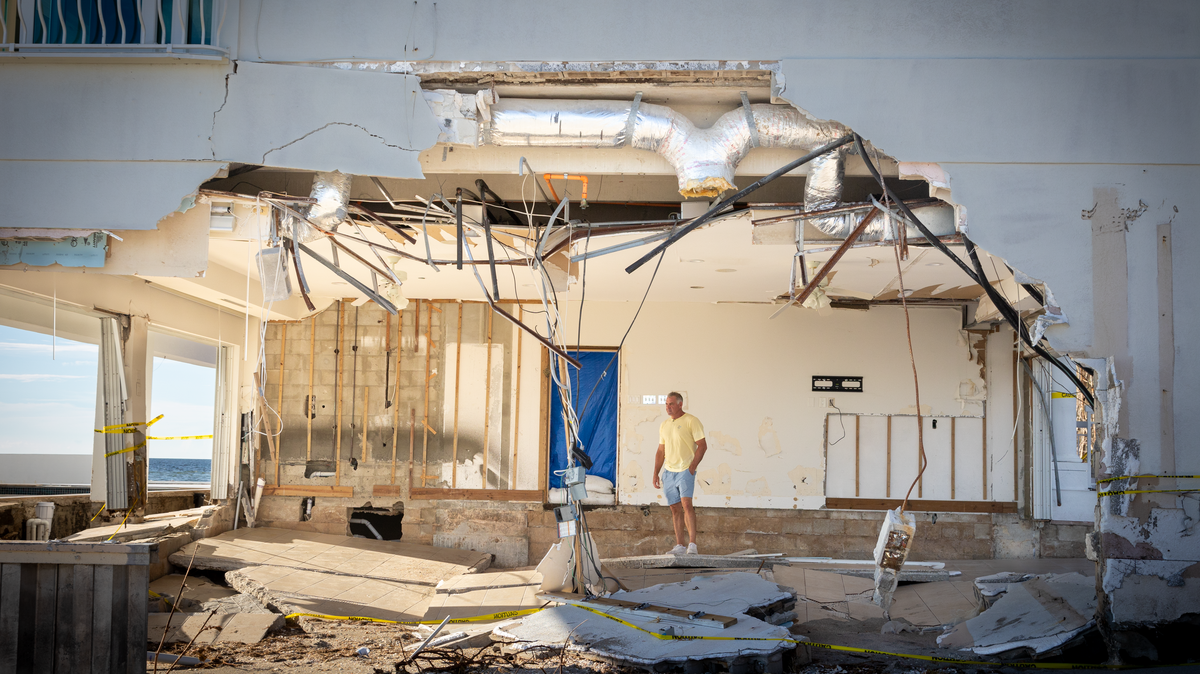
Florida keeps packing people and buildings on barrier islands. It comes at a high cost
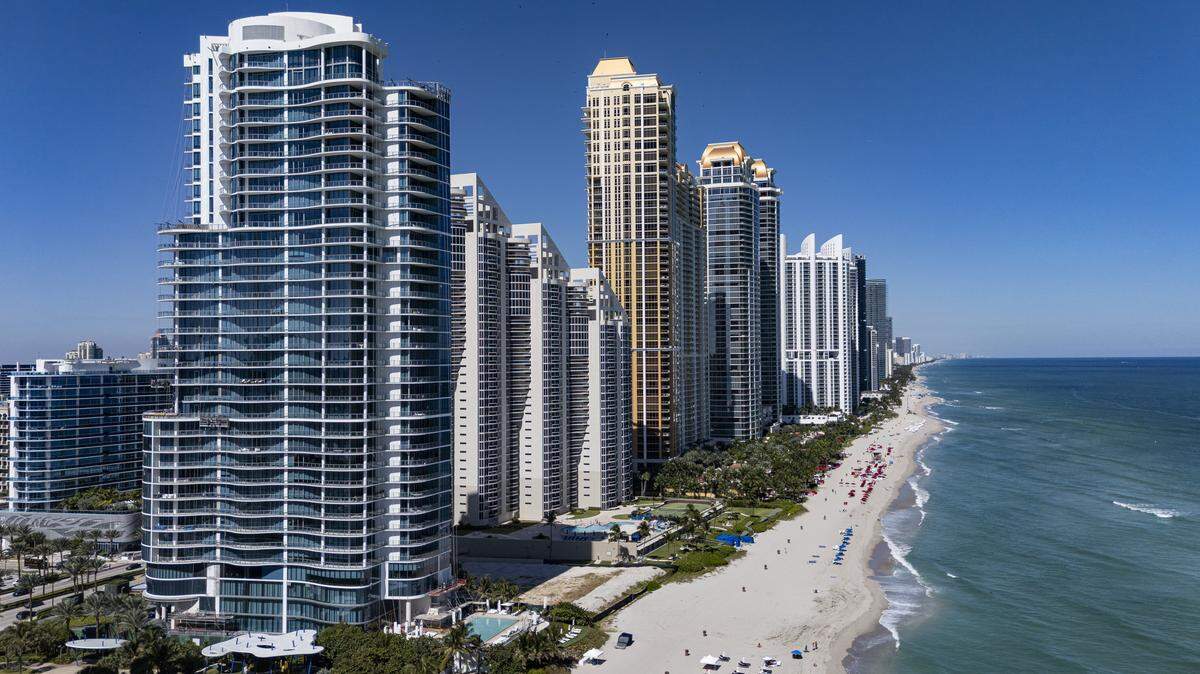
Sinking skyscrapers? As buildings got bigger in Sunny Isles, so did engineering concerns
Sinking towers reveal limits of what we know about building on barrier islands
Amid construction boom, experts urge for monitoring of sinking South Florida towers
How this Florida barrier island community pushed back against overdevelopment
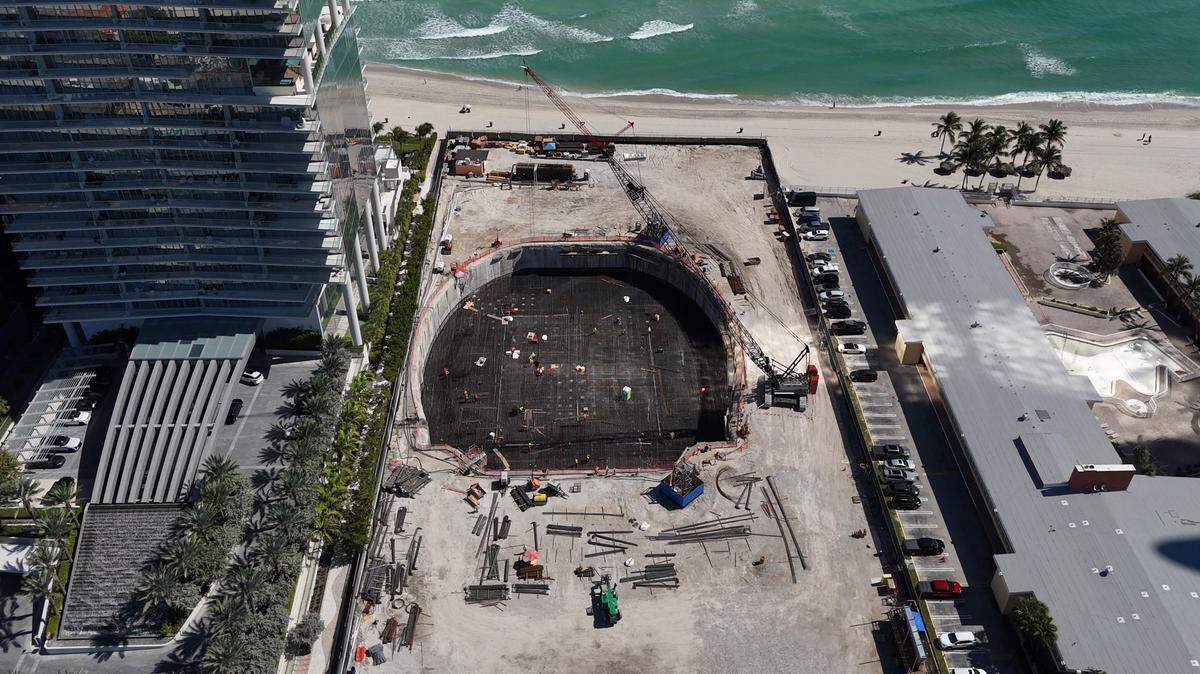
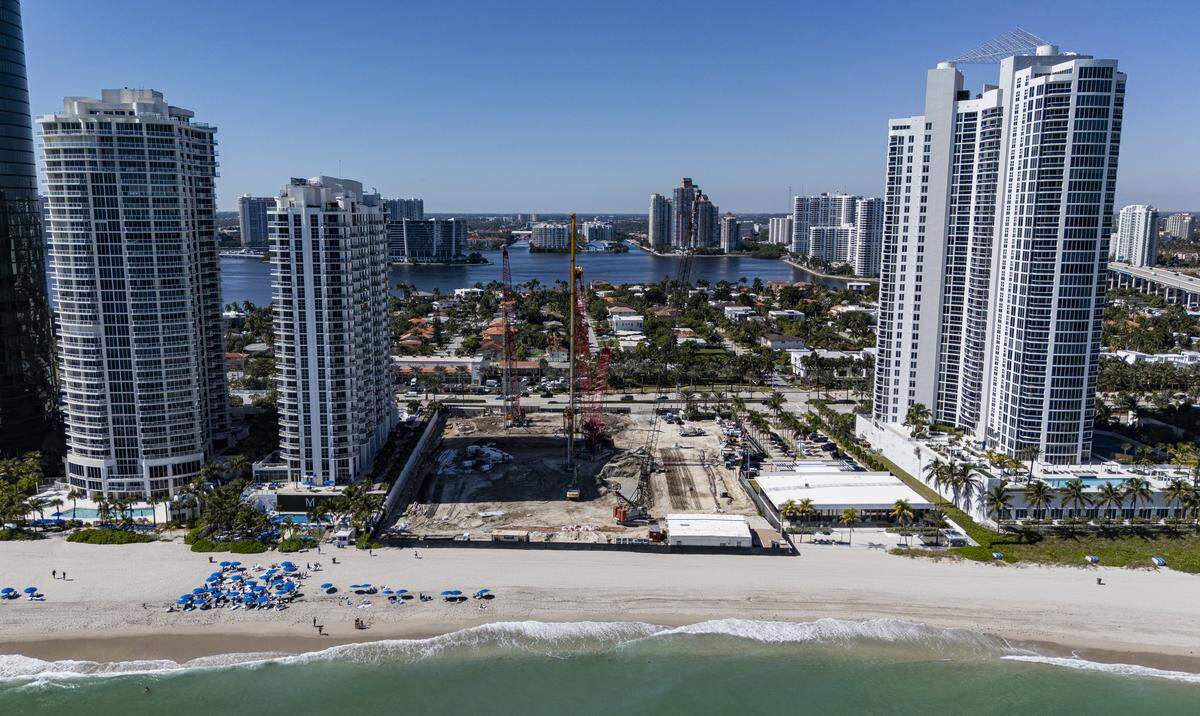
In June of 2024, the 28-story Marenas condo hotel in Sunny Isles Beach installed sensors to monitor how the next-door construction of the St. Regis Residences could potentially affect their own building.
At 750 feet, the two-tower St. Regis is set to be the tallest building in Sunny Isles, steadied by 200-feet-deep pilings.
Soon after construction of the St. Regis foundation began earlier this year, the sensor at the Marenas picked up vibrations that caused concern among Marenas’ board members. As a result, construction was briefly paused.
“It just happens, it’s going to happen. Now we have to stay on top of it, no matter how small,” said Lisa Gardener, president of the condominium association at the Marenas Beach Resort, declining to provide further comment due to concerns over potential litigation.
Fortune International Group and Chateau Group, the joint developers of the St. Regis, where units start at $4.5 million, said that “development is currently under construction and progressing steadily as planned,” but declined to be interviewed or answer the Herald’s written questions.
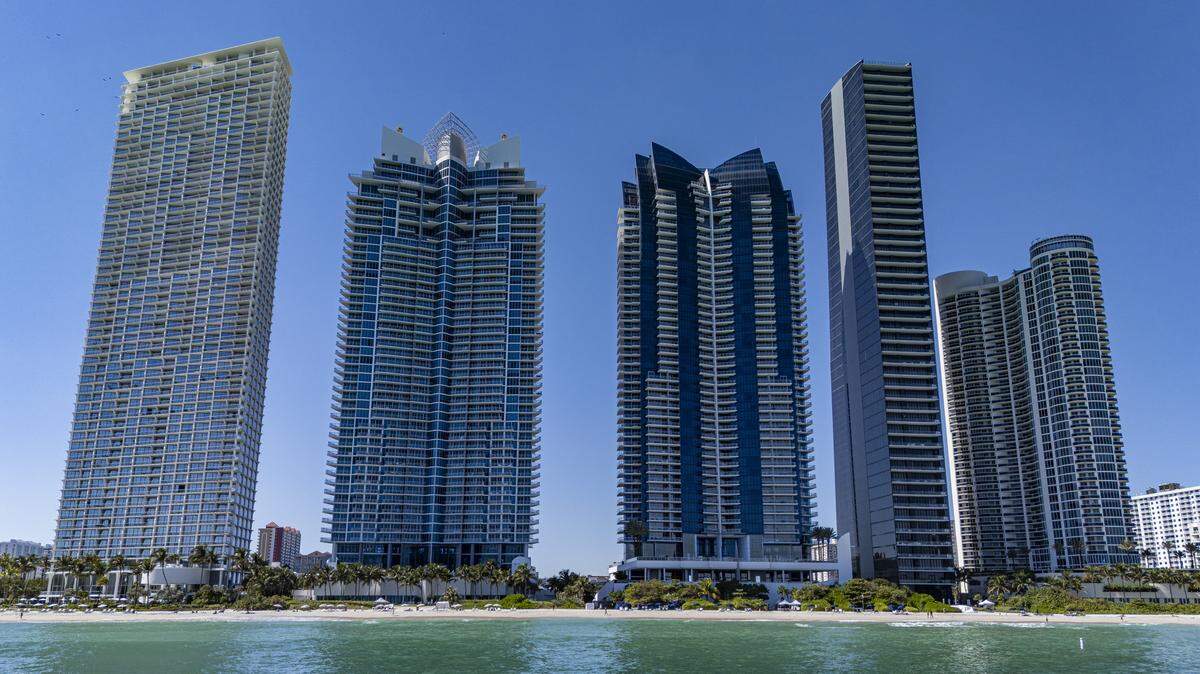
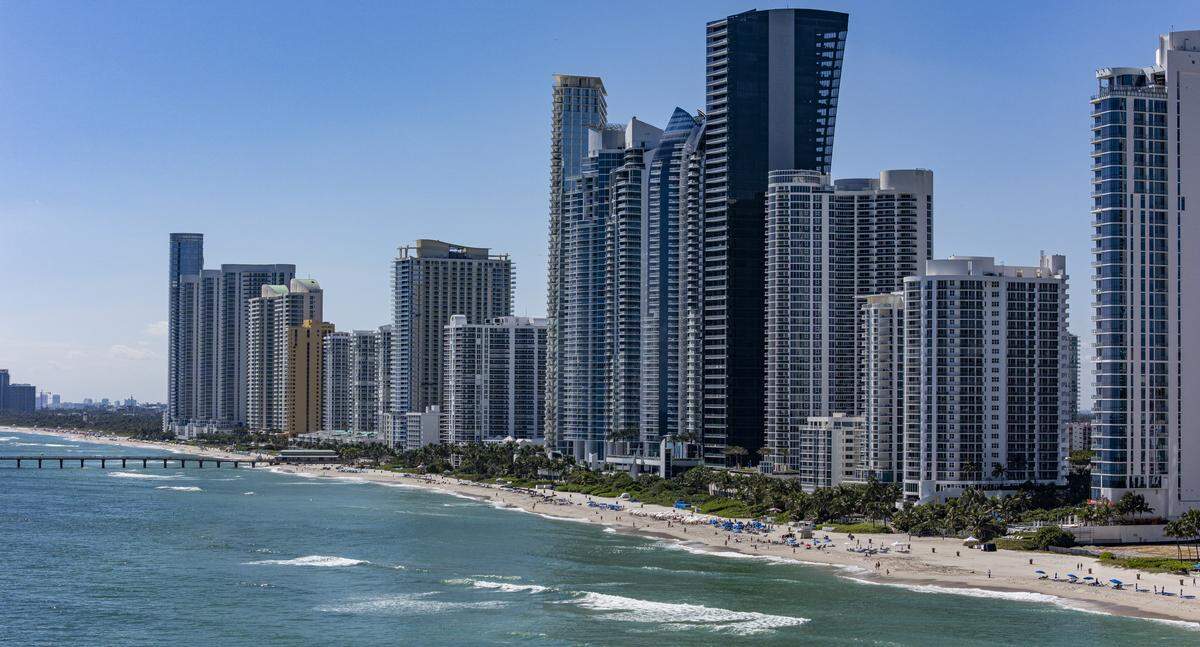
Experts have pointed to neighboring construction as a lead suspect in the unexpected sinking of high-rises, especially along the 2.5-mile long oceanfront of Sunny Isles Beach, where a 2024 scientific study found that more than 70 percent of the tightly packed luxury condos that boomed in the past 25 years were affected.
A Miami Herald investigation published this week showed that engineers have long grappled with just how much some multimillion-dollar towers have been sinking beyond their predictions, an issue that first came into the public light when a scientific study last year identified unexpected amounts of settling — a process during which the weight of a building compresses the soil — years after construction.
In more than 40 geotechnical surveys analyzed by the Herald, some engineers included calculations not just for how much their project is going to sink, but to what extent the construction would cause the sinking of neighboring towers, too.
The latest report for the Bentley Residences, for example, states that engineers “expect that area settlement from construction of the Bentley will affect the adjacent Turnberry Ocean Club Residences and Sahara properties,” and estimated that the Turnberry could sink by “three (3) or so inches. As stated above, the project ownership should be prepared to address any impacts to adjacent structures.”
The management for the Turnberry did not respond to requests for comment, while Dezer Development, in charge of the Bentley, declined to be interviewed or respond to a written query. Owners of the Sahara, one of the last vintage motels in Sunny Isles Beach, could not be reached.
More monitoring necessary
Experts are calling for better monitoring of high-rises along South Florida’s coast and an independent assessment of why buildings are sinking beyond what was expected, saying the construction and real estate industries are simply too important to ignore recent findings by scientists and the Herald.
Typically, the amount of sinking is calculated before and monitored during construction, though not years afterward. Currently, developers are on the hook for any structural issues — including those that would result from unexpected settlement —for 7 years, reduced from 10 years after industry lobbying in 2023.

“We need more monitoring and more subsurface exploration, some sort of research program, to at least know that settlements are happening and at what rate, and what is the timeframe of their occurrence,” said Anil Misra, chair of the civil and environmental engineering department at Florida International University.
Jean-Pierre Bardet, former dean of the University of Miami’s school of engineering, also said that data that might already exist — such as the dozens of geotechnical surveys the Herald analyzed — should be compiled and assessed. Right now, he said, the data is “very dispersed” across agencies, though “these are not isolated cases, but they are related in complex patterns,” he said.
Government agencies — whether on a local or state-level — should invest in monitoring the buildings, collecting all available data and making it accessible so independent experts can assess it, the experts interviewed by the Herald said, adding that this was a way to protect the real estate and development sector. In Miami-Dade alone, these twin powerhouses account for $50 billion annually – roughly 25 percent of the GDP. Mayor Larisa Svechin of Sunny Isles Beach would not respond to questions from the Herald as to whether she would support improved monitoring of highrise settlement or offer comment on the Herald’s findings.
The region, Misra said, could play a vital role in improving geotechnical engineering and foundations, and become a case study for others. “I think this is a great opportunity for us to be leaders,” he said.
Aside from compiling and analyzing data and reports that might already be filed with building departments, the experts also recommended looking into new legislation to mandate installing sensors that can pick up any movement that, while invisible to the human eye, could lead to long-term structural damage.
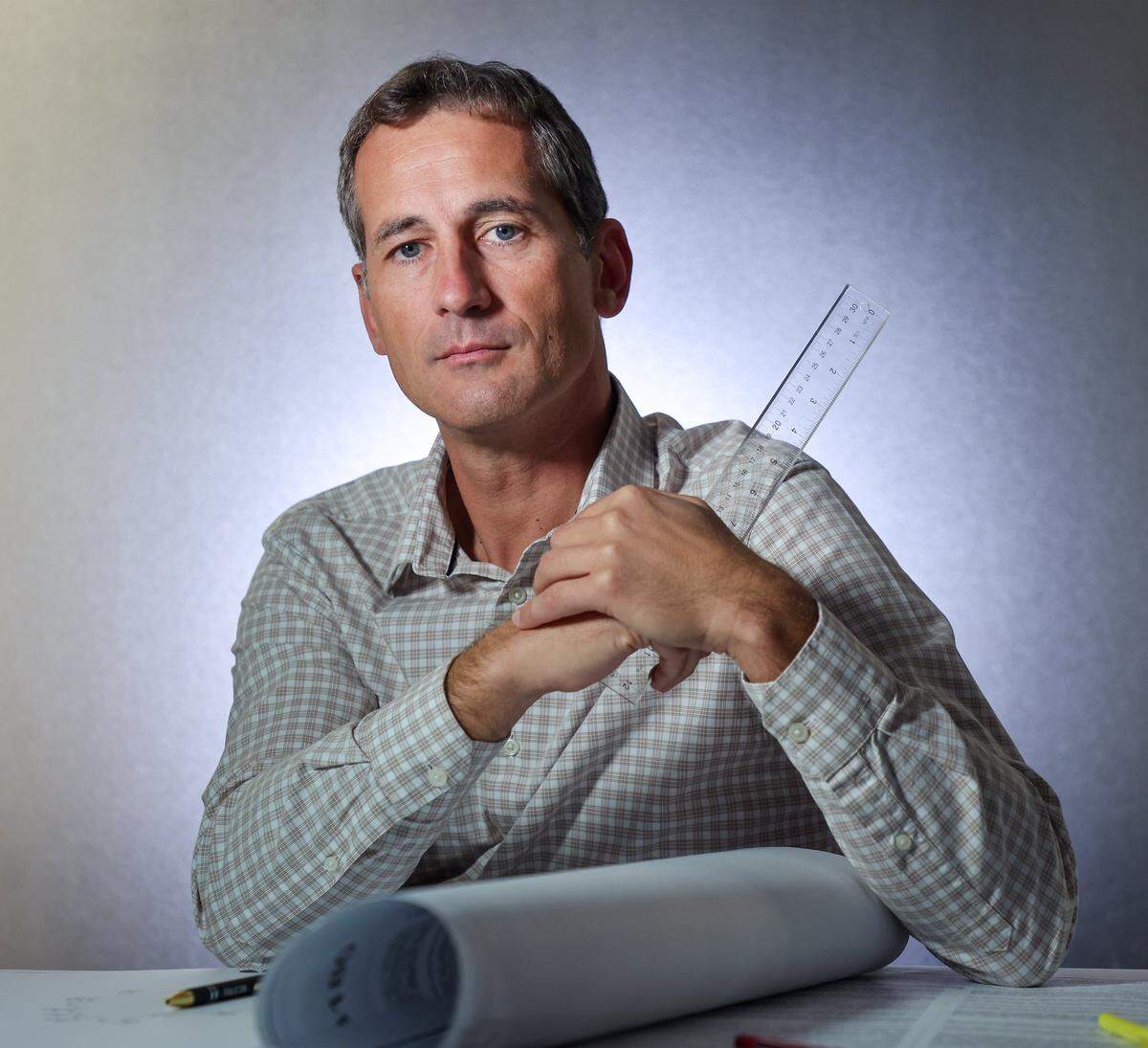
“Some level of ongoing monitoring would be a very practical way to either confirm [an issue] and then act, or say, well, we don’t have a problem, so we are good to go in terms of overall construction in Florida,” said Sinisa Kolar, a Miami-based principal at the Falcon Group, a nationwide engineering company.
Among the best options would be including sensors in the foundation during construction, experts told the Herald. The Florida Department of Transportation and other such agencies across the country have long been doing so in public infrastructure, including for flyover bridges in Miami, as have places that face risks from earthquakes, like Japan or Los Angeles.
Getting people to accept this technology has been challenging, Bardet said, as unfavorable information can affect real estate value, insurance premiums, or be used in lawsuits. “It’s like having an auditor, and you don’t want to be audited all the time,” he said.
Kumar Allady, who runs a geotechnical engineering group in Palm Beach County and founded a company whose sensors are being used by FDOT, said that developers “said they’d come and cut the cables” when he suggested installing the technology in a private project. “They don’t want to see the data because, you know — litigation,” Allady said.
For developers and contractors, installing monitors is an additional expense for something that could be used against them. “Unless it’s mandated, nobody’s going to do it,” Allady said.
This story was originally published December 5, 2025 at 7:25 AM.