Can Miami Beach fix pipes and stop flooding without raising costs for residents?
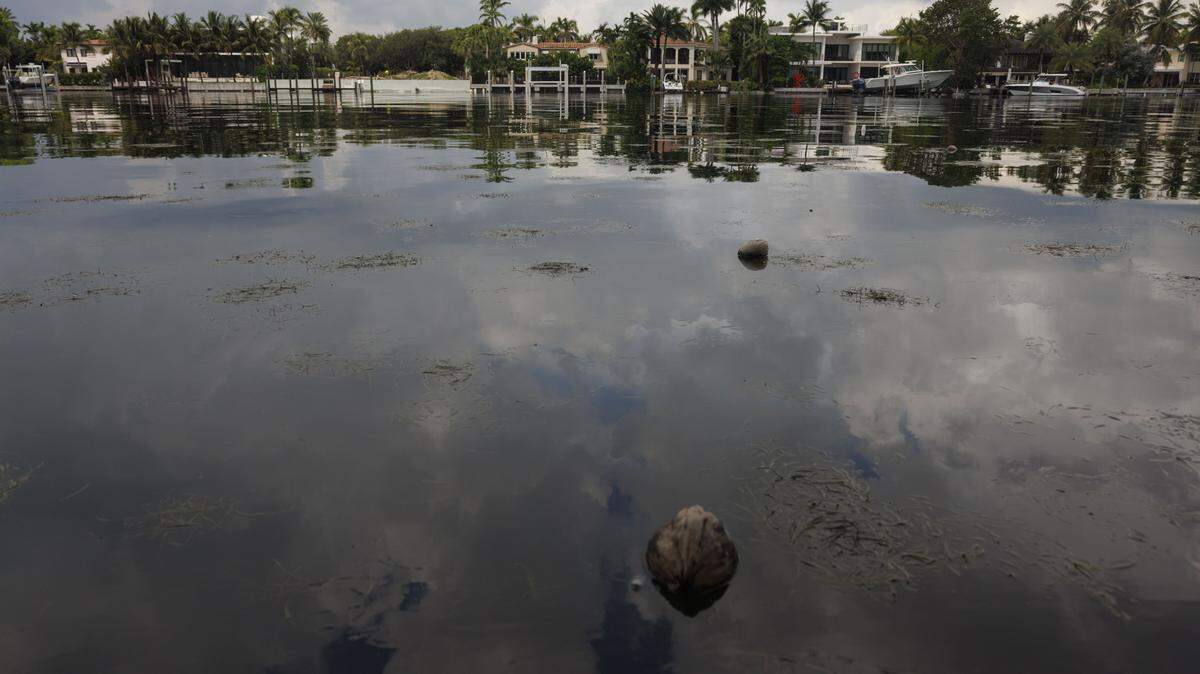
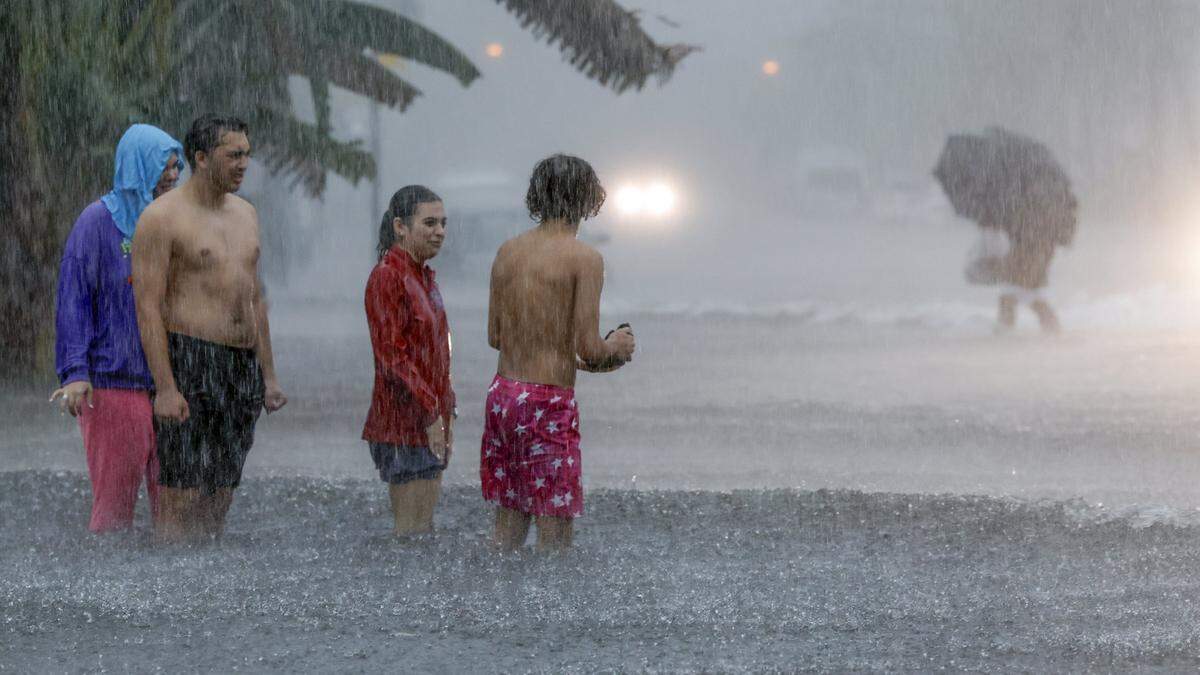
In Miami Beach, the water keeps rising. Streets keep flooding. Pipes keep failing. Making streets dry and updating aging infrastructure, officials say, will cost more than $1 billion over the next eight years.
But after a Miami Beach City Commission meeting last week, it’s unclear how the city will pay for it.
The vote was 4-3 to impose a moratorium on increases to water, sewer and stormwater rates. The city administration had proposed rate hikes to fund those enormous infrastructure needs, but elected officials faced backlash from residents already burdened by the rising cost of housing, insurance and other living expenses.
Under the utility rate increases proposed by the city administration, the total monthly cost of water, sewer and stormwater fees for the average single-family homeowner would have gone from $138 to approximately $216 by 2031, officials said, plus additional rate adjustments passed down from Miami-Dade County. For condo owners, the average increase would have been about 70% of the increase projected for single-family homeowners, officials said.
“Year after year, it’s becoming more difficult for our long-term residents to live in our city,” Commissioner Alex Fernandez said at the May 20 meeting. “We love to speak about the wealth that moves to Miami Beach, and the billionaires and the celebrities and the high-end restaurants and the financial firms that are coming into our city. But we also serve individuals who are poor individuals, who are elderly individuals.”
Officials have said the substantial increases are needed now because of decisions by past city commissioners to implement smaller rate changes that didn’t match the pace of inflation.
The city’s to-do list includes massive anti-flooding, road-raising efforts — like on First Street, where a resiliency project was initially approved a decade ago but construction has yet to begin, and in North Beach, which is undergoing rapid redevelopment.
The fees would also go toward fixing “a tremendous amount of water and sewer infrastructure that has reached the end of its useful service life,” some of which dates back to the 1930s, according to the city administration. That includes upgrading and replacing pipes and pump stations.
Commissioner Tanya Katzoff Bhatt, who voted against the moratorium, said the decision would set a “dangerous precedent” by preventing rate increases without either the approval of five out of seven elected officials, a declaration of a “public safety emergency,” or a mandate to make repairs by a higher government authority.
“We see our friends and our neighbors on fixed incomes, or folks who have lost jobs, really struggling. Nobody is trying to punish anybody,” Bhatt said. “We desperately, though, cannot afford to not move forward with these projects.”
Shifting funding toward infrastructure
Commissioner Joseph Magazine said he would support the moratorium due to cost of living concerns but urged his colleagues to admit that it would mean certain projects, like the one on First Street, may not get done.
“Let’s be honest with people,” Magazine said at the meeting. “I will say I’ll vote for this moratorium, but I’m not going to go and promise that we’re going to do First Street, because we’re not.”
But Commissioner David Suarez, who co-sponsored the moratorium proposal with Fernandez, said he believes the city can do both: address its infrastructure problems and keep utility rates stable.
He suggested that the city reduce the property tax rate for its general fund — which includes an operating budget that has risen sharply from $627 million five years ago to $911 million today — and increase the tax rate for its capital budget, which covers infrastructure work.
Effectively, the city would be shifting funding from operating to infrastructure needs.
“We can get there without having to raise the rates,” Suarez said.
Suarez’s proposal was referred to a June 5 committee meeting for further discussion. The city is already planning to reduce its operating budget slightly this year, based on a plan championed by Suarez to reduce the millage rate so that property owners don’t see a tax increase.
City Manager Eric Carpenter told elected officials that, whatever avenue the city takes to pay for infrastructure, it may need to involve borrowing money in the form of issuing bonds.
Raising water and sewer rates would mean issuing “revenue bonds” that are repaid through utility fees. Otherwise, the city could pursue a general obligation bond that is repaid through taxes and would require a voter referendum in November.
‘Time is of the essence’
Some city officials seemed uneasy about the move to prevent utility rate increases without an alternative plan immediately in place.
John Norris, the city’s public works director, said at the meeting last week that “time is of the essence,” citing a string of recent infrastructure failures like water main breaks and a sewer main backup.
“We don’t have answers for the residents if we don’t have a plan moving forward,” Norris said. “I go out to many residents’ homes and I tell them, ‘We’ve got this project, it’s going to solve the problems.’ And without a funding mechanism for these projects, we no longer have those answers.”
At a committee meeting in April, Norris noted that failing to fix aging water and sewer pipes could have dire consequences. He invoked disastrous incidents elsewhere in Florida, including massive sewage spills in Fort Lauderdale in 2019 and 2020 and spills in Tampa in 2015 and 2016.
“We have an opportunity right now to start addressing these issues,” Norris said.
In response to Norris’ warnings last week, Suarez said the public works director was presenting a false choice.
“I don’t appreciate the city administration giving kind of this, like, doom and gloom situation: ‘If you don’t do this, if you don’t tax your most vulnerable residents, you’re going to have all these pipes breaking,’” Suarez said.
“We get it. It’s old infrastructure. But we’re going to find a way soon to do this where we think it’s much more equitable and responsible.”