
Miami Beach will send $500 checks to homeowners. Renters no longer eligible
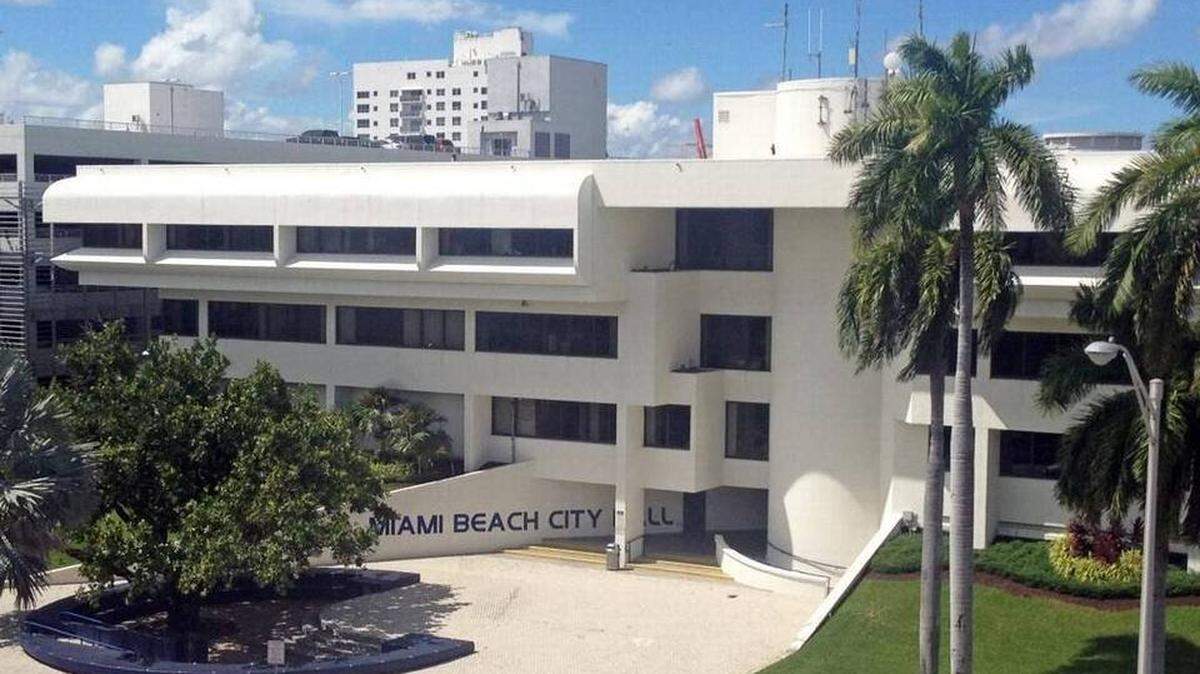
Thousands of Miami Beach homeowners will be eligible to receive $500 checks from the city as part of an initiative redistributing surplus budget funds — but renters are no longer included.
The Miami Beach City Commission voted Wednesday to approve up to $7 million in payments to more than 14,000 households that have homestead exemptions, meaning they serve as primary homes.
Details of how and when those checks will be distributed were not immediately clear. Commissioner Alex Fernandez, who proposed the program, suggested that the city give homeowners a deadline to request the funds.
When the idea was first placed on the City Commission agenda in October, about $4 million of the $11 million surplus was going to be set aside for renters. Tenants with household incomes at or below 140% of the area median income — about $121,500 for a single person — would have been eligible for $500 checks.
Six of the city’s seven elected officials were listed as co-sponsors of the proposal.
But the October commission meeting was canceled. When the item came up for a vote Wednesday, Fernandez offered an alternative approach.
Fernandez said homesteaded property owners should still get $500 checks. The idea, he said, is to “put money back in the pockets of those who need it most.”
“This is the taxpayers’ money, and we should be returning it to the residents,” Fernandez said.
City officials said the budget surplus, which was $11 million in October, is now $13.4 million.
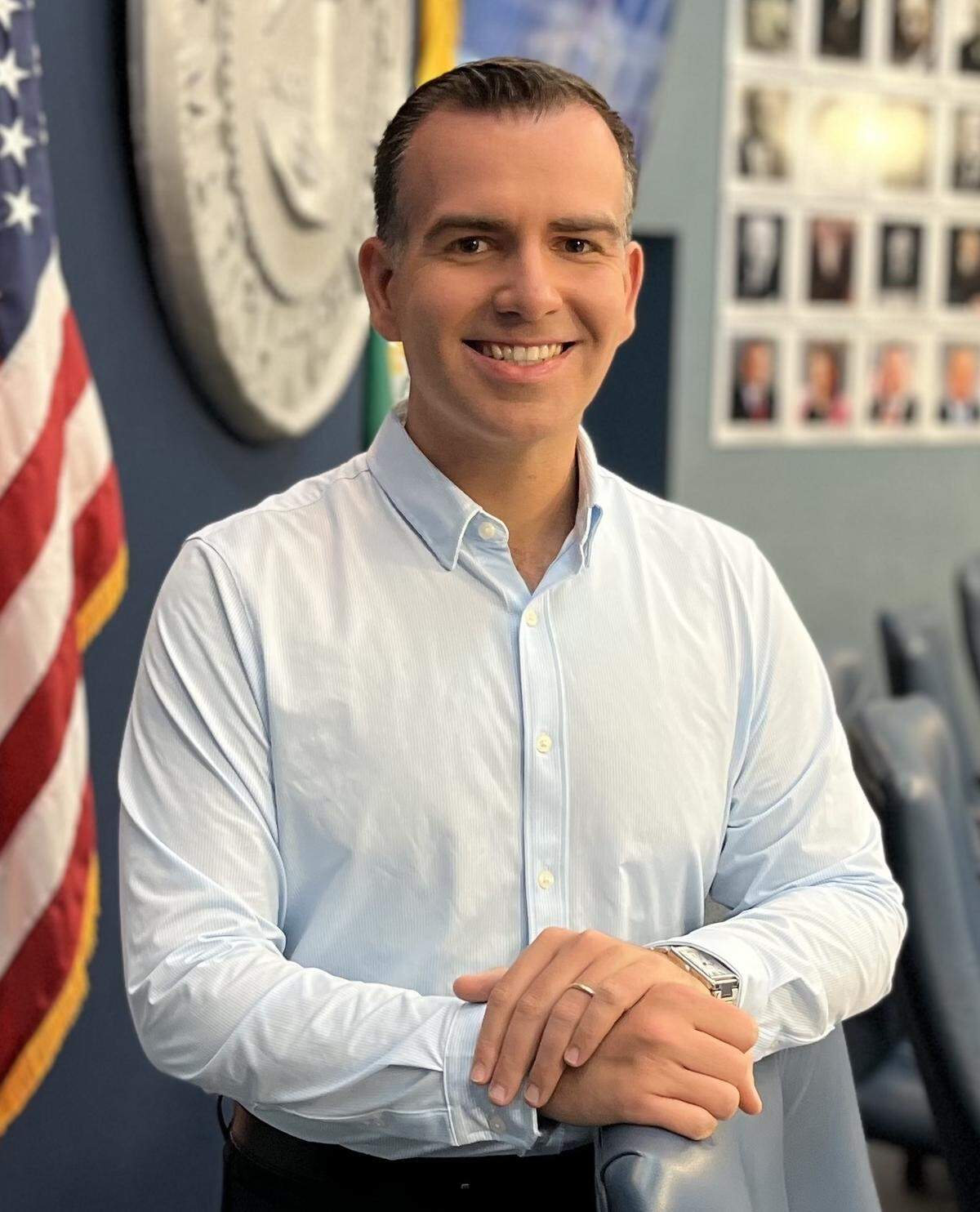
But Fernandez proposed a compromise with Commissioner David Suarez, who had previously expressed concerns about the $500 checks and said the surplus funds should instead be used for city priorities.
Fernandez’s updated proposal suggested that, instead of going to renters, the leftover money not sent to homeowners should go toward other city needs.
Those include services within the city’s building department. In an email to residents Thursday, Suarez said surplus funds will be used to “extend condo and permit discounts, improve permitting help for residents and small businesses, and keep fixing a system that has frustrated people for years.”
The surplus money will also help the city take a procedural step related to its $6.5 million purchase last year of a two-story home in North Beach. The move will allow the property to be used however the city sees fit, rather than restricting its use to office space for the building department.
Suarez and Fernandez had both identified that measure earlier this year as a priority for the use of any available surplus funds.
Fernandez’s revised proposal passed unanimously Wednesday.
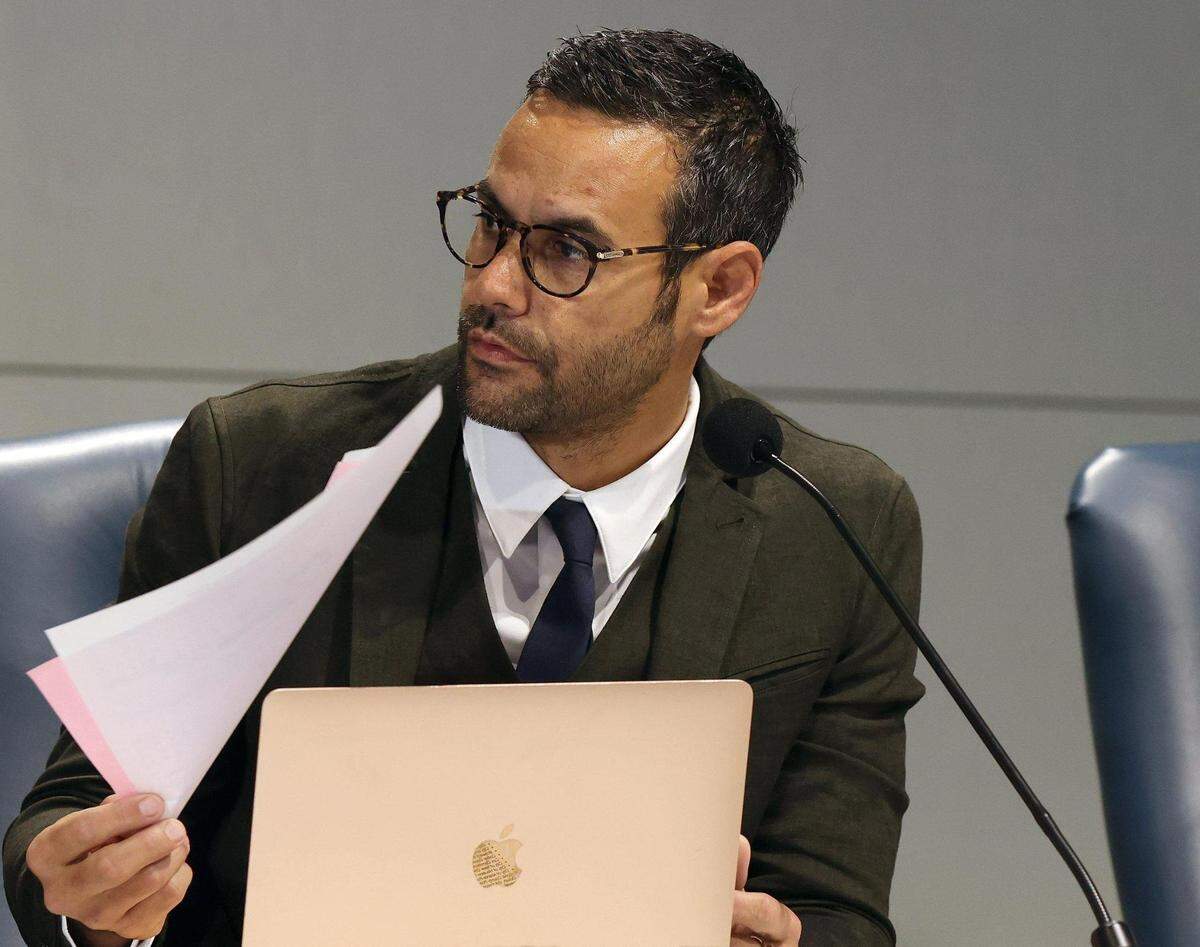
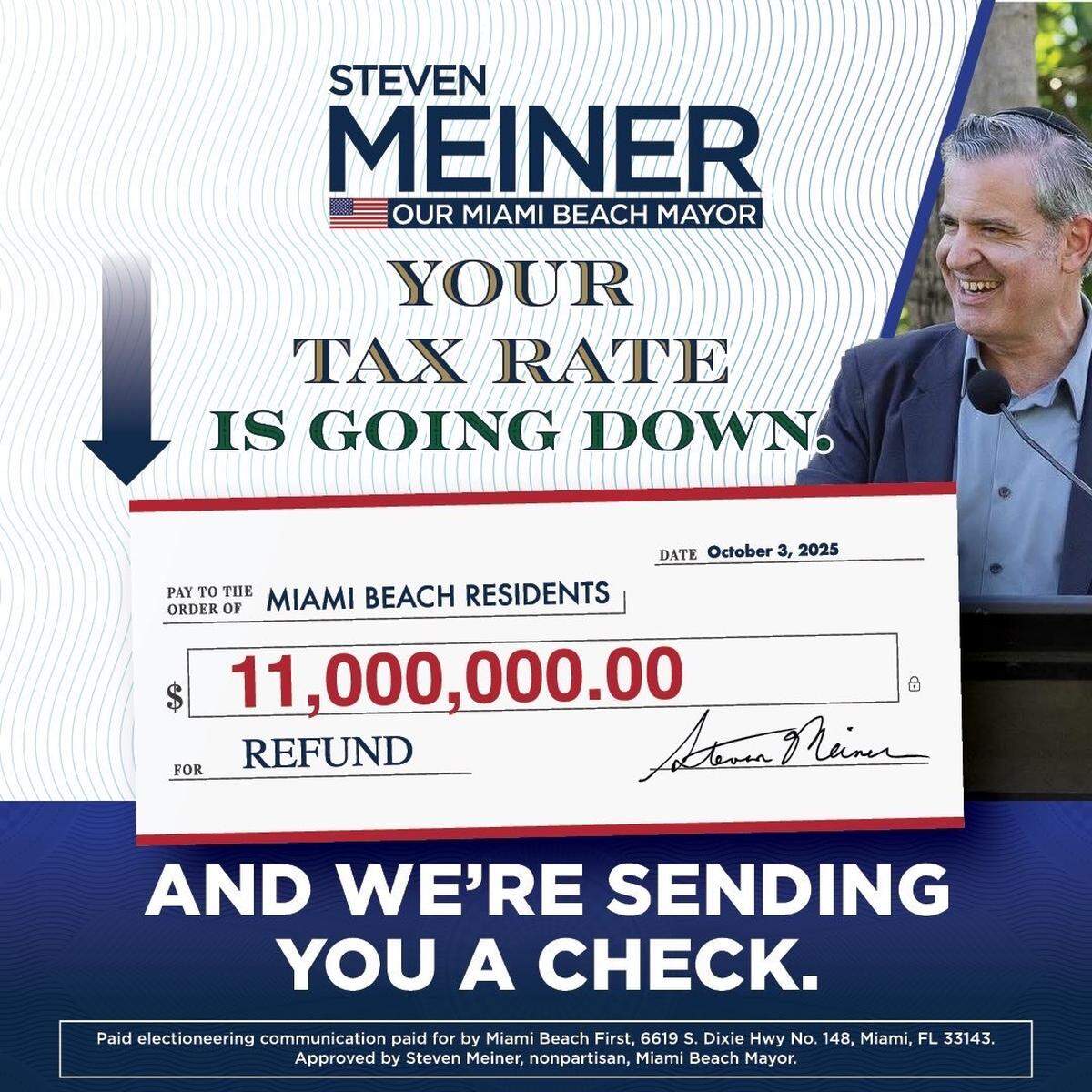
Incumbents who were on the ballot in the Nov. 4 election — including Fernandez and Mayor Steven Meiner — had touted the $500 checks to residents in their campaign messaging, even though the program wasn’t finalized.
Meiner said it was the first time in nearly two decades that the city was offering a budget surplus payment to residents.
“Your tax rate is going down. And we’re sending you a check,” Meiner wrote in an Oct. 16 text message to voters.
In October, Suarez blasted the plan as a “political stunt” and questioned the program’s legality. Florida law restricts the ability of cities to offer refunds to residents using ad valorem taxes, or taxes based on assessed property values.
Miami Beach officials have said the payout will come from “non-ad-valorem revenues,” such as franchise fees, utility taxes and occupational licenses.
As part of Wednesday’s discussion, Suarez also pushed a budget-related measure aimed at reducing future spending.
The city administration, he said, should prepare next year’s budget based on a “rolled-back” tax rate — meant to limit tax increases by seeking to generate the same amount of property tax revenue as the prior year, excluding revenue from new construction.
Commissioners approved the item unanimously.
Officials said the approach could lead to more than $20 million in cuts from an approximately $1 billion city budget, which has grown substantially in recent years.
“Lowering taxes and putting a stop to our billion-dollar budget is what every resident wants,” Suarez said.
Fernandez told the Miami Herald he views the various initiatives approved Wednesday — sending checks to homeowners, funding city priorities and looking to roll back the tax rate — as part of a broader effort to put “residents first.”
While renters won’t get an “immediate check,” he said, a lower tax rate could help them in the future, given that property taxes are often passed on from landlords to tenants.
“The compromise we reached sends a clear message about the direction in which we’re leading our city,” Fernandez said.