The 44 Percent: Overtown murals, Uncle Nearest, and Miami historians on Smithsonian
What is lost if we don’t protect what’s ours? That’s been the question on my mind this week as I’ve written about the risk of removing artifacts that don’t align with a specific vision for what America is. It’s also something I’ve contemplated thinking about the latest news regarding the receivership of Uncle Nearest, the Black-owned whiskey brand founded by Fawn Weaver.
And now, news came yesterday that the site of the “Weeping Time,” the site of one of the largest slave auctions, will possibly be sold. Local leaders want to preserve the land and honor the once enslaved people.
But as the threat of erasing Black history persists, Black people have forged ahead.
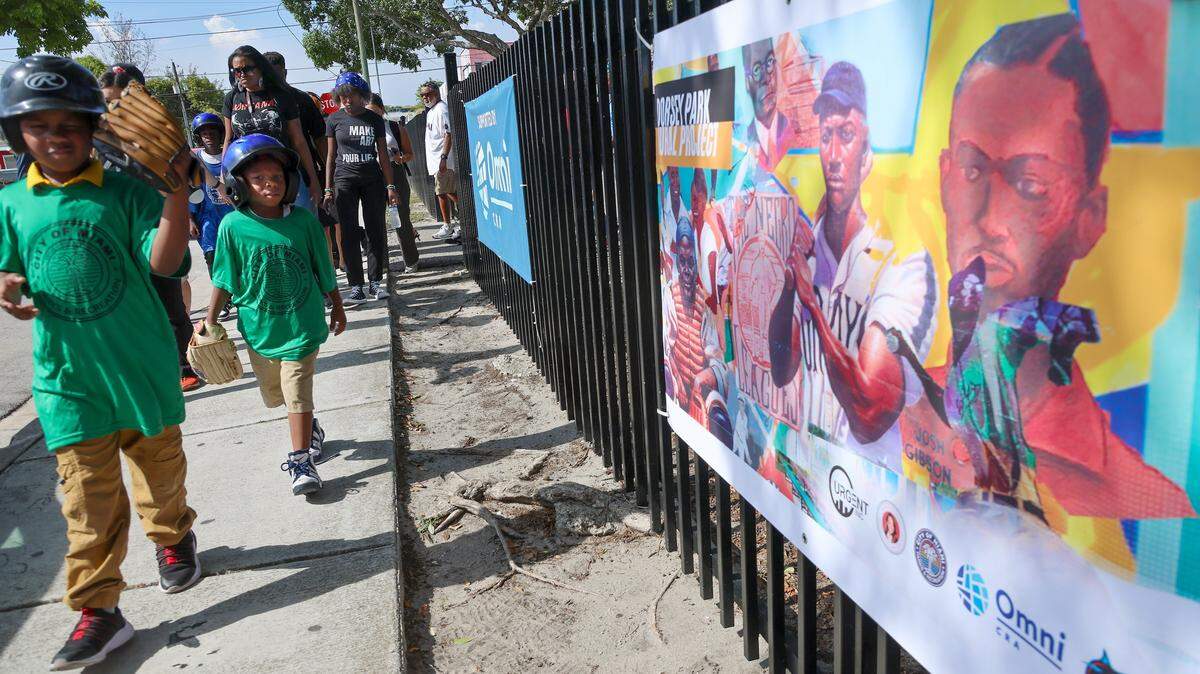
Take Overtown: It is a community that was rocked by hate crimes in June when someone vandalized the murals of Jackie Robinson and Minnie Miñoso in Dorsey Park. They’ve since been repaired after the community rallied for swift action.
That is the kind of persistence and community action that led to change and birthed the idea to reimagine and restore other murals at the historic park, while adding other representations of the neighborhood’s history.
As Saliah Nelson with Urgent, Inc. put it: “It’s come full circle, actually, and so out of the craziness, came such a wonderful groundswell of community pride around the park, which is significant.”
INSIDE THE 305:
Overtown came together to restore a vandalized mural. Now it has bigger plans
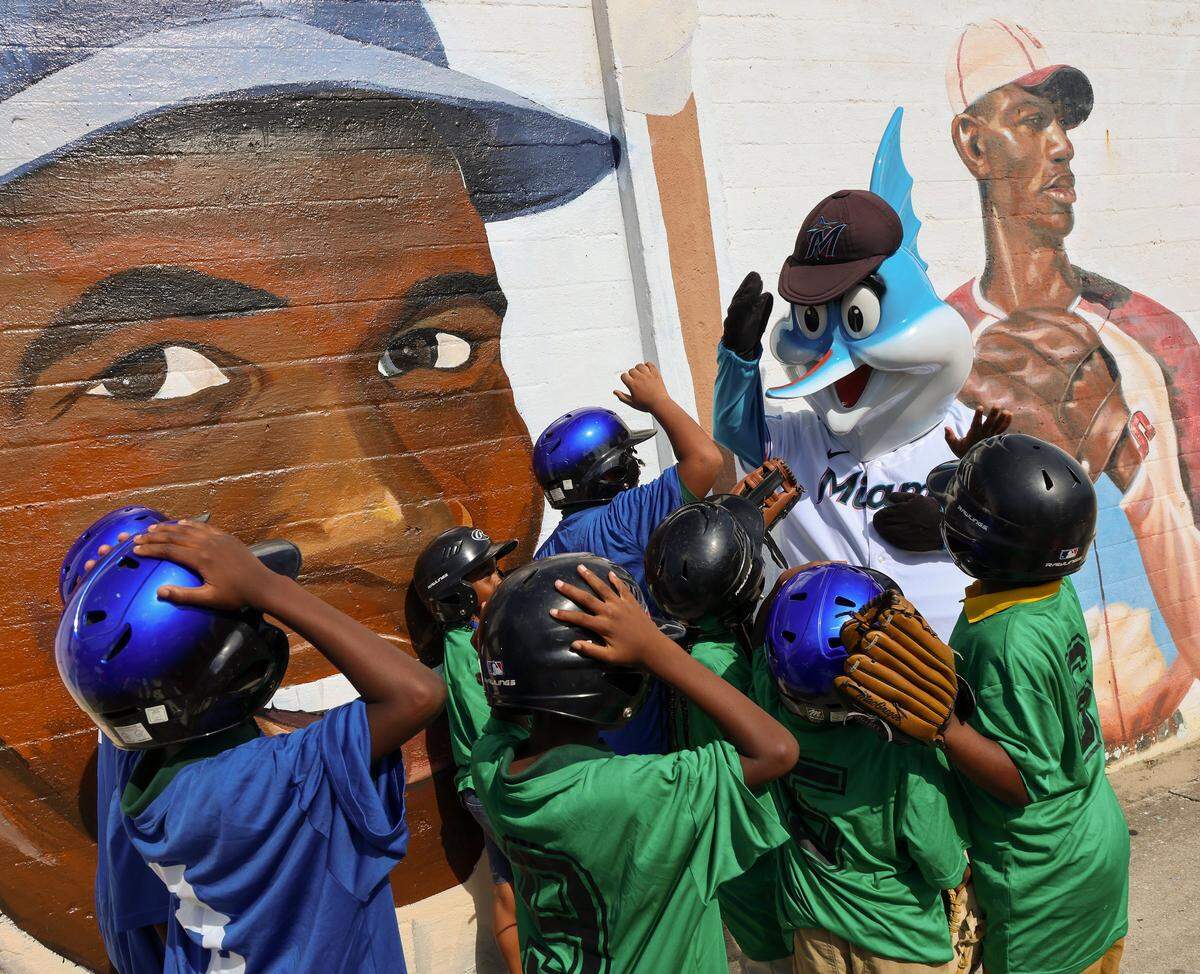
Nearly three months after vandals painted racist slurs and a swastika on murals of Negro league players at Historic Dorsey Park, residents and community leaders in Overtown gathered to unveil the restored murals and announce plans for the park and the other murals that adorn it.
‘Rewrite history’: Miami historians alarmed over review of Smithsonian exhibits
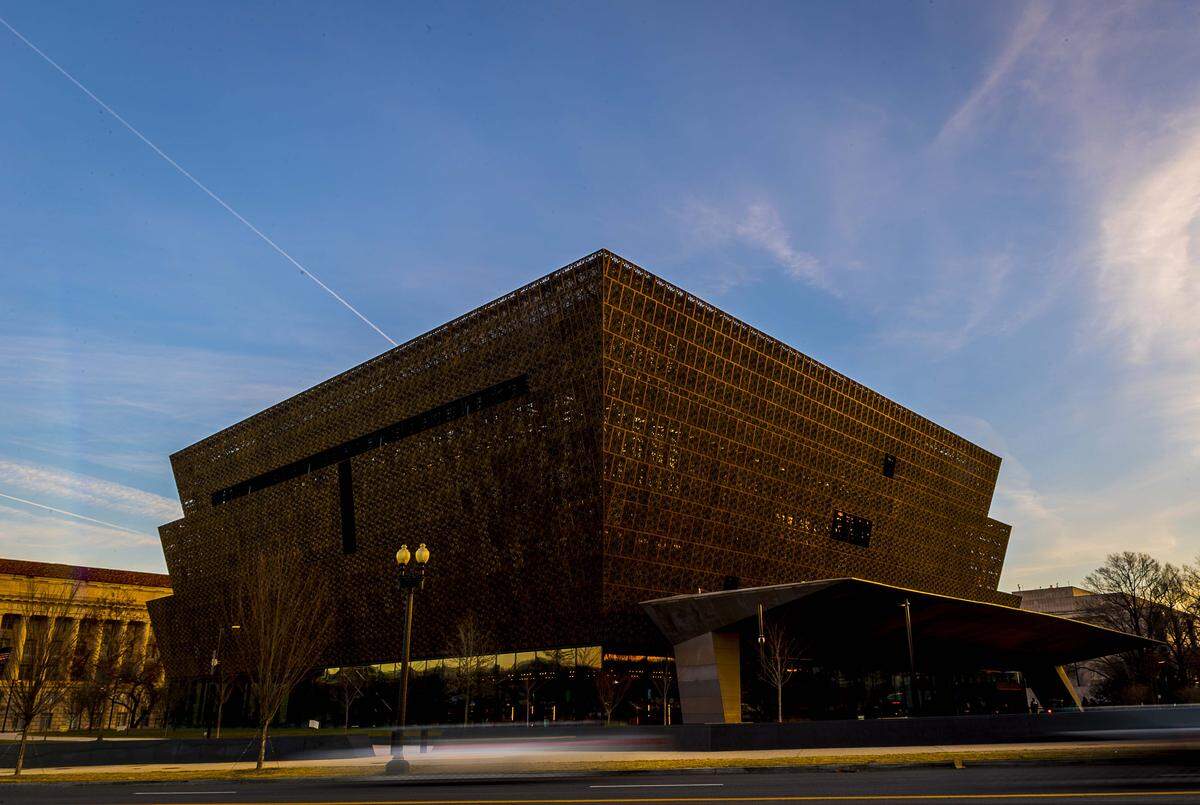
This week Donald Trump complained that the many of the Smithsonian museums focused bleaker aspects of American history — slavery and “the downtrodden.” This comes a week after Trump officials sent a letter to Smithsonian Institutions Secretary Lonnie G. Bunch III requesting a review of eight museums, including the National Museum of African American History and Culture. Black Miami historians and preservationists are concerned about what this means for future generations who need to see themselves and know their history. Historian and former professor Marvin Dunn put it succinctly: “If you can’t look back and know what happened in reality, you can shape any kind of future,” he said.
OUTSIDE THE 305:
Judge orders receiver to take over Uncle Nearest, TN whiskey brand facing $108M lawsuit
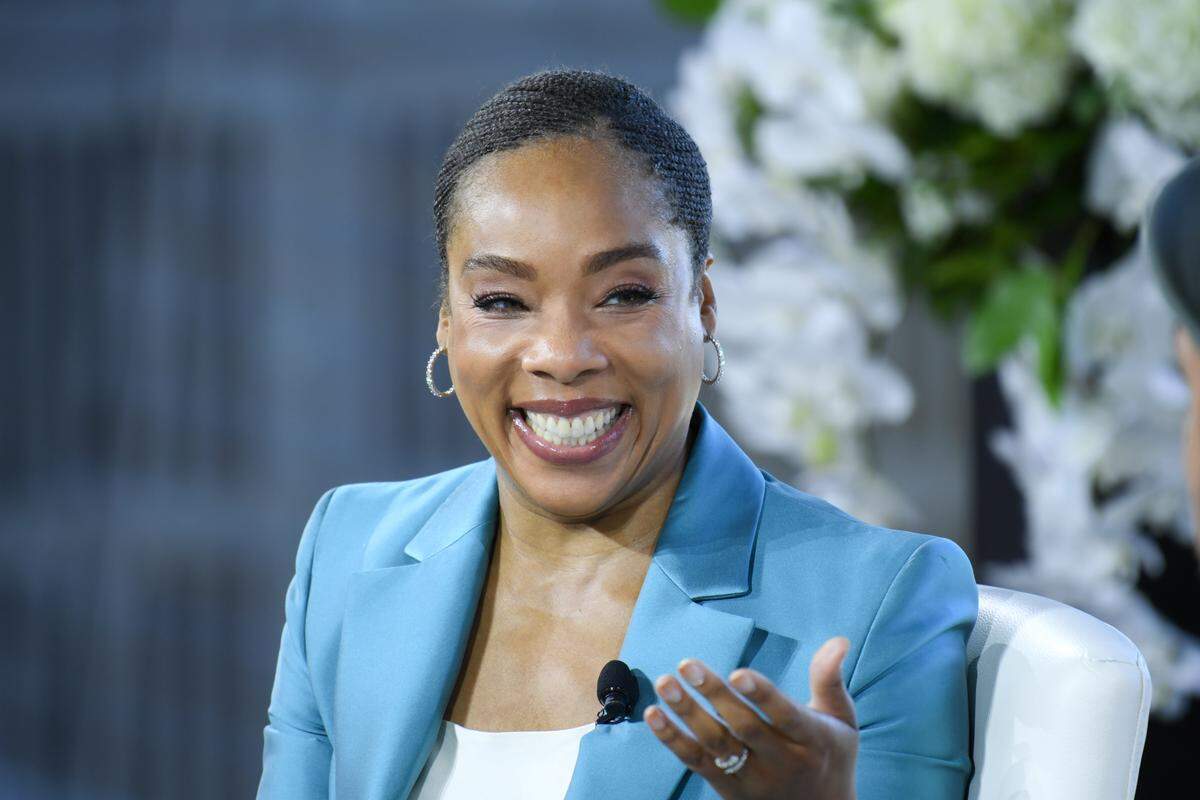
Uncle Nearest, the famed Black-owned whiskey brand that has told the story of Nathan “Nearest” Green, the man who taught Jack Daniels what he knew about whiskey, is now under receivership. As the Tennessean reports: A federal judge has ruled that another entity will soon take over operations at the fast-growing Shelbyville, Tennessee, distillery. U.S. District Judge Charles E. Atchley Jr. on Aug. 14 ordered that a receivership is necessary at Uncle Nearest, finding “a receiver could safely shepherd Uncle Nearest through its current financial difficulties” as lender Farm Credit Mid-America seeks to recover what it says is more than $108 million in outstanding loans.
CEO Fawn Weaver will still be allowed to market the brand; she took to social media to assert she still runs the company.
Land tied to Savannah’s ‘Weeping Time’ slave auction up for sale
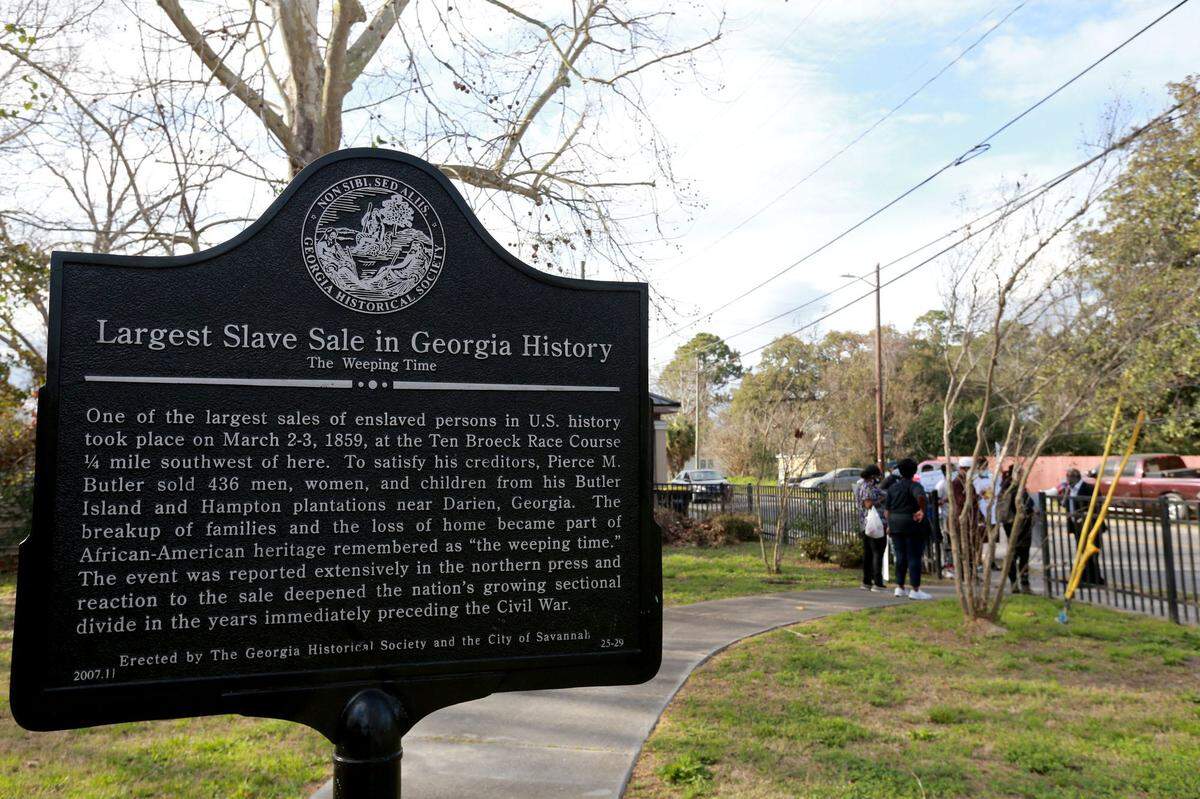
The site of one of the largest slave auctions is being advertised as prime real estate, WJCL in Savannah reports. As the news outlet reports: The roughly 35-acre parcel includes a significant portion of the grounds where, on March 2-3, 1859, Pierce Butler sold more than 400 of his family’s slaves to pay off gambling debts. Commercial real estate firm Colliers wrote on the listing, “The property is a perfect location for rail served warehousing, truck terminal, transload facility, container terminal, bulk/agriculture services facility or any other industrial use that needs to be near the Georgia Ports Authority’s primary container terminals and can benefit from multi modal connectivity.”
Preservation advocates want the land acquired by the city, Chatham County, or the state instead of a developer.
HIGH CULTURE: Roots Bookstore holding a listening session for a film called black
Miami’s newest Black-owned bookstore will host a listening party for Chicago-based musical duo a film called black. The event will feature a curated playlist of the group’s music, an artist Q&A hosted by co-owner Philip Agnew, and a meet and greet.
Where does “The 44 Percent” name come from? Click here to find out how Miami history influenced the newsletter’s title.