‘Rewrite history’: Miami historians alarmed over review of Smithsonian exhibits
.jpg "25 October 2024, USA, Washington: The National Museum of African American History and Culture. Photo: Soeren Stache/dpa/Sipa USA")
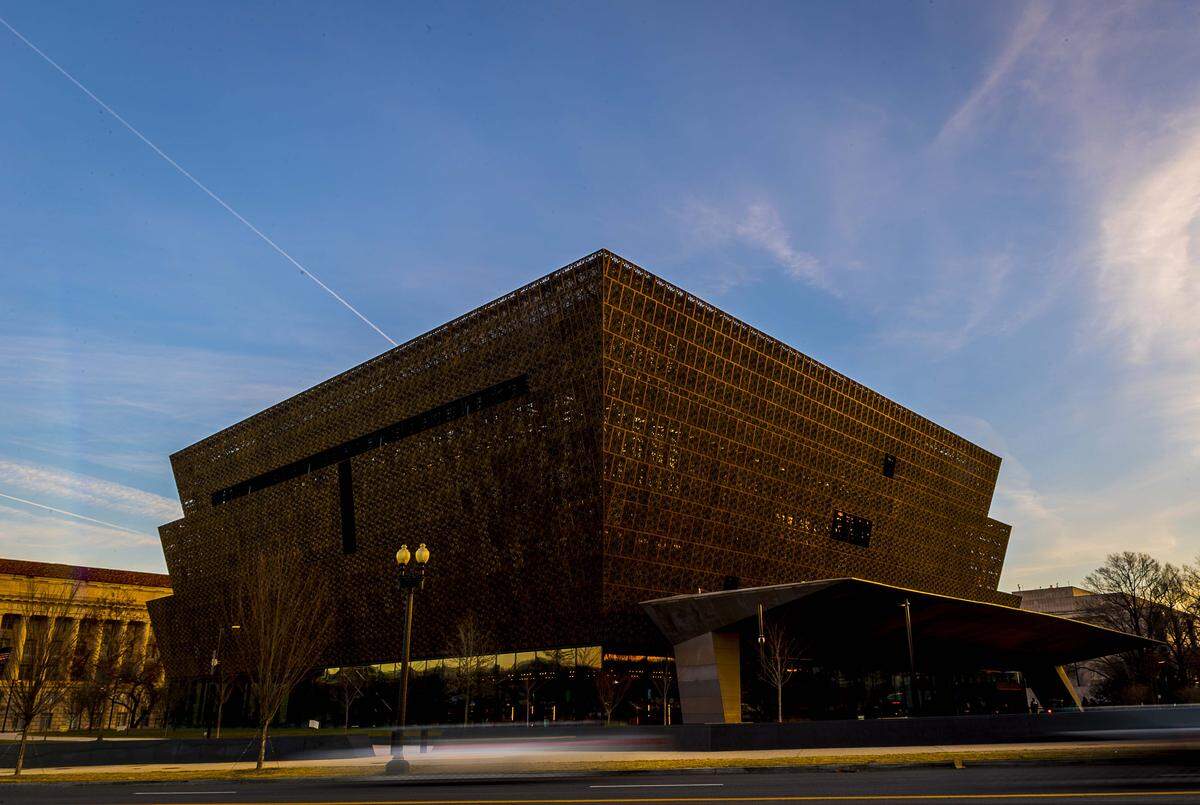
The Smithsonian’s National Museum of African American History and Culture in Washington, D.C., has at least 300 artifacts from Florida housed in the museum.
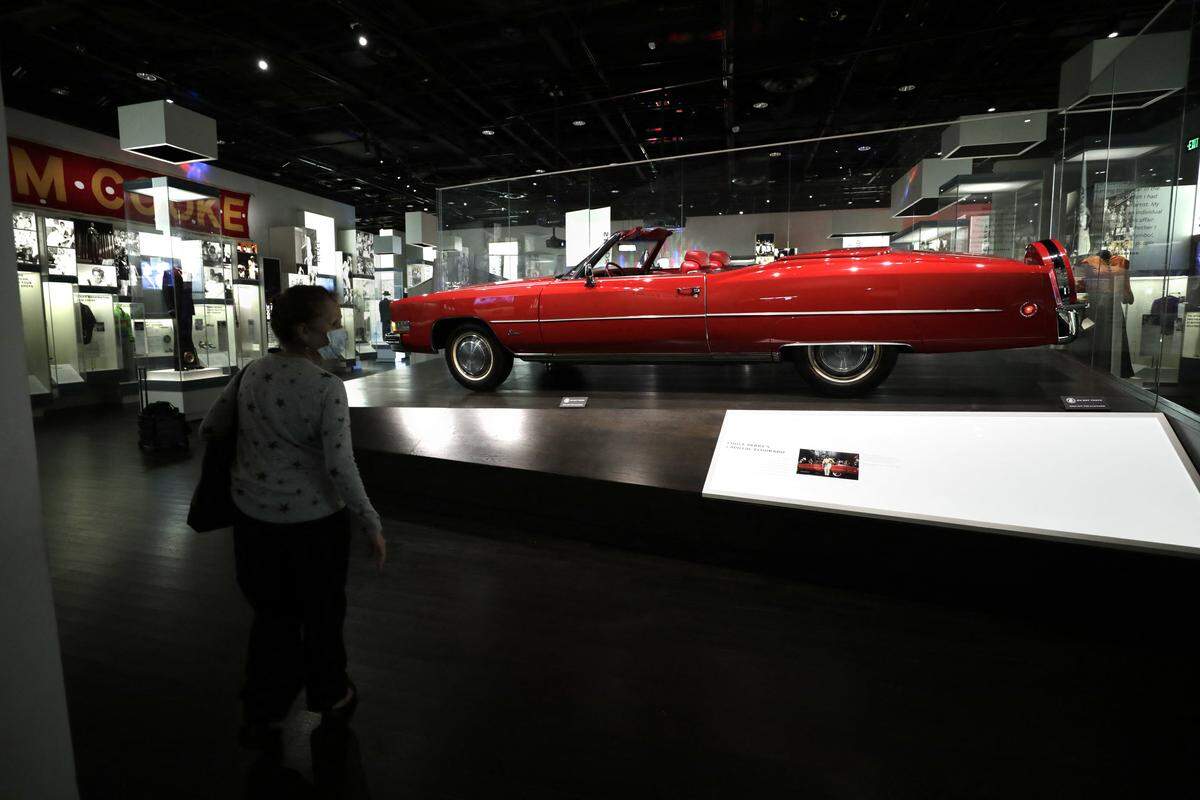
There’s the boxing head gear worn by Muhammad Ali at the 5th Street Gym in Miami Beach, where it is believed he made his transformation from Cassius Clay. There’s also a jacket from the Florida A&M University marching band, known as the Marching 100, a Bahamas Junkanoo Revue costume, and countless photos of Black musicians who’ve performed in Miami.
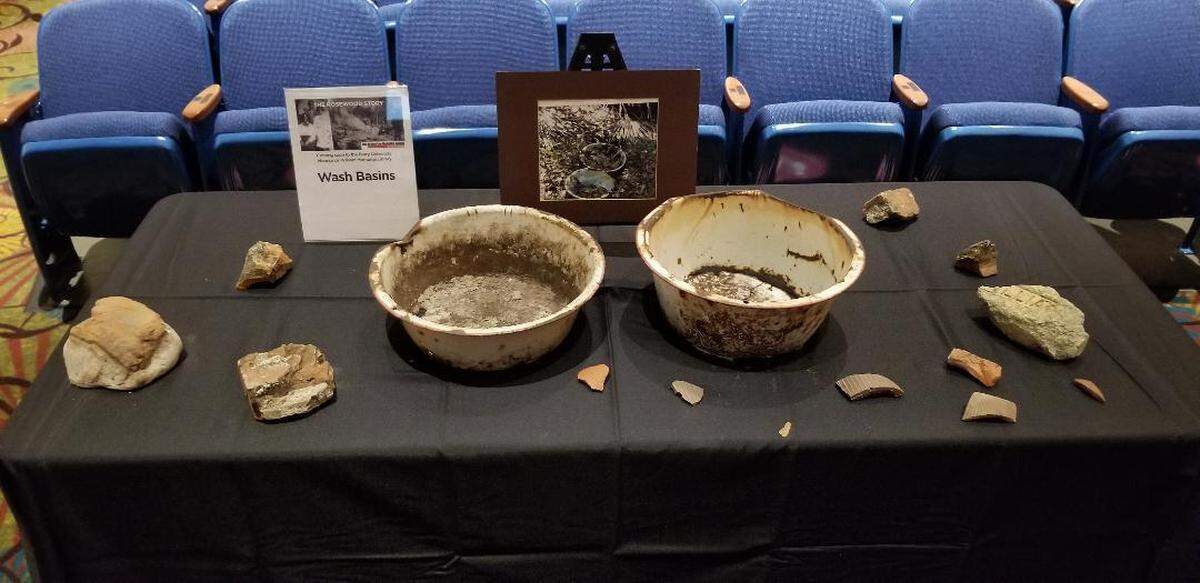
There’s also a dress worn by Marie Monroe, who lived in Rosewood, Fla., during the 1923 massacre, a scathing reminder of a racially motivated attack that led to the destruction of a Black town in Levy County. There is a stereograph showing a Black man and boy with a mule and a cart outside the Putnam Hotel in Palatka, Fla., with an inscription on the back that reads: “15th Amendment, or the Darkey’s Millennium, 40 Acres and a Mule,” mocking the never-fulfilled promise of the post-Civil War reparation of 40 acres and a mule for the formerly enslaved.
Now as President Donald Trump is preparing an overhaul of the capital’s Smithsonian museums, those two mementos of Florida’s racist past might find themselves in storage. Trump took to social media to bemoan how the nation’s museums present such a dark look at history and don’t reflect a more cheerful view of the United States.
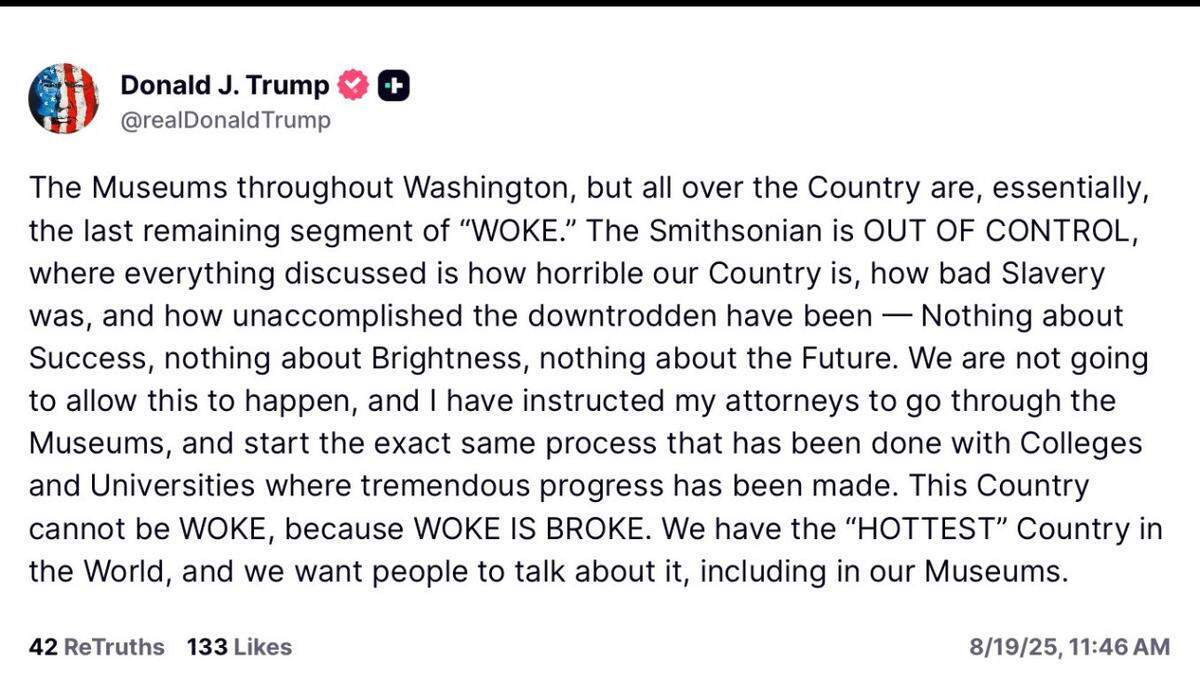
“The museums throughout Washington, but all over the country are, essentially, the last remaining segment of ‘WOKE,’” Trump wrote on his Truth Social account. The Smithsonian, he wrote, is “out of control where everything discussed is how horrible our country is, how bad slavery was, and how unaccomplished the downtrodden have been – nothing about success, nothing about Brightness, nothing about the Future.”
The Museum of African American History and Culture, which opened in 2016, is one of eight undergoing an internal review by the Trump Administration, as part of the America 250 campaign, a purported nonpartisan effort to commemorate the country’s 250th anniversary. Within 120 days of the review, which was announced last week, museums are expected to “begin implementing content corrections where necessary, replacing divisive or ideologically driven language with unifying, historically accurate, and constructive descriptions across placards, wall didactics, digital displays, and other public-facing materials.”
Trump officials sent a letter to Smithsonian Secretary Lonnie Bunch detailing the timeline of the review.
“This review is a constructive and collaborative effort — one rooted in respect for the Smithsonian’s vital mission and its extraordinary contributions,” read the letter. “Our goal is not to interfere with the day-to-day operations of curators or staff, but rather to support a broader vision of excellence that highlights historically accurate, uplifting, and inclusive portrayals of America’s heritage.”
Congressman Carlos Gimenez (R-Miami) sits on the board of the Smithsonian, but did not respond to a request for comment about what the future of the museums could look like after the review, which is reportedly expected to be delivered in 2026.
The museum’s lower floors focus on Black history spanning the Transatlantic Slave Trade, the end of slavery, and the Civil Rights Movement, while upper floors focus on historic and cultural accomplishments from Black Americans, including exhibits dedicated to entertainment and sports.
In his Truth Social post Trump said he has instructed his attorneys to go through the museums and “start the exact same process that has been done with colleges and universities.” Colleges and universities have come under scrutiny by the Trump administration for what they considered-race based admissions, “woke” curricula, the handling of student protests, and any programs that promote diversity, equity and inclusion.

But removing materials that illustrate Black history come with risks, historians and preservationists have told Herald. “The materials at the Smithsonian are invaluable because they tell the story of the building of our nation,” Dorothy Jenkins Fields, founder of the Black Archives in Miami, told the Miami Herald.
“It’s important that the children see and understand the resilience and the value of what the people have brought and what we’ve maintained,” Fields said, adding it’s beyond her imagination that they would remove artifacts that show the breadth of Black history. “They are crucial to the soul of our nation.”
Local preservationist Emmanuel George echoed those sentiments, saying for future generations finding truth will be even more subjective. “It’s come to the point where even if people have empirical evidence of a particular matter, that may not matter anymore in the future,” he said.
George said he’s worried about how data will be presented and the truth will be told, adding attempts to erase Black history ultimately affects American history and how it is portrayed. “You’re erasing a huge part of American history for the foreseeable future, and now everyone’s history is going to be skewed, not just Black history, everyone’s history because we’re all part of this together,” he said.
But George is hopeful museums can work in conjunction with each other and preserve any artifacts that may be removed.
Historian and former Florida International University professor Marvin Dunn said he was aghast by Trump’s comments and said this should “fire up” Black people in America.
“It’s an attempt to rewrite history in a way that denies our country in terms of the pain suffered by so many people, not just black people, in making this country great…What is so frightening about talking about pain, which is a part of this country’s growth. We didn’t grow without pain,” Dunn said.
Dunn, who has spent the last two days at his property in Rosewood, said he’d considered donating artifacts from his Dunn Collection at Florida International University to the Smithsonian’s Black history museum, but given Trump’s comments and the recent orders, he’s instead keeping them at the university. “That’s one impact we’re going to start seeing. We’re going to start holding our history,” he said.
Dunn noted that Florida has been a litmus test for what we’re seeing nationally, including how Black history is taught in public schools and colleges in the state. The state’s Stop W.O.K.E. act, passed in 2022, prevents educators from teaching history in a way that could cause students to feel “discomfort” over historic actions because of their race or gender.
This is one of the reasons Dunn, 85, continues to teach Black history at his pop-up Black history learning tree at FIU. Dunn said refusing to address the nation’s history could have ramifications for generations to come.
“If you can’t look back and know what happened in reality, you can shape any kind of future,” he said.
This story was originally published August 20, 2025 at 1:47 PM.