The 44 Percent: Black Miami churches, Dwayne Haskins & Miami-Dade disparity study
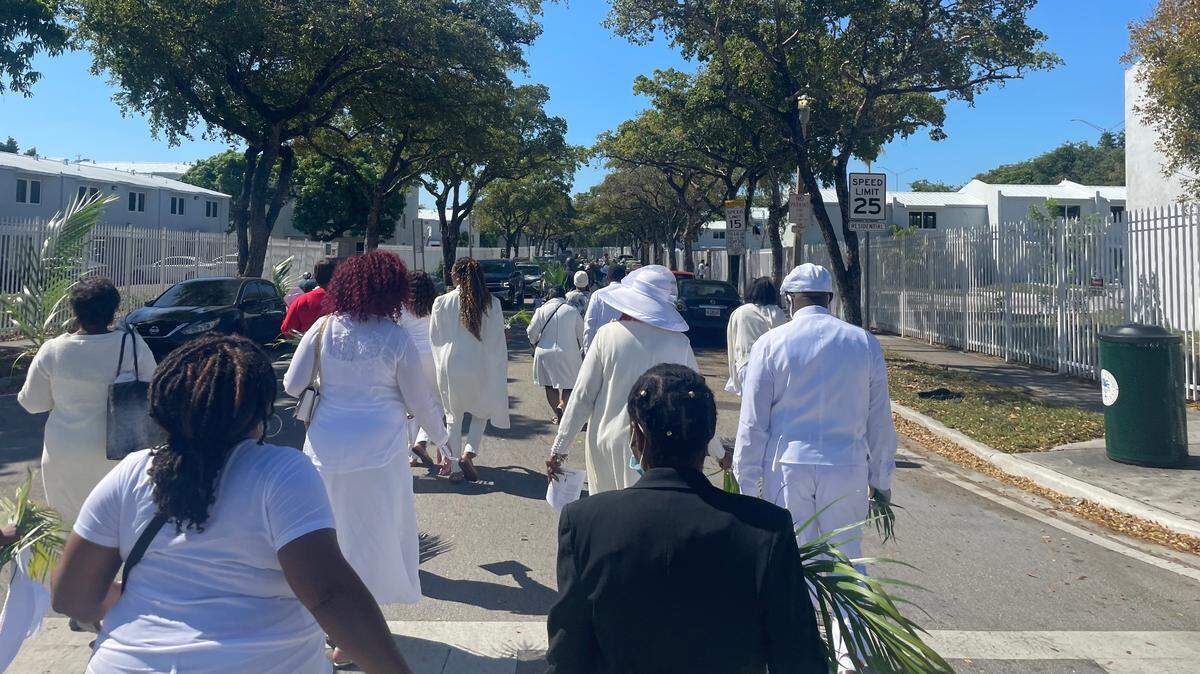
I’ve always wondered why many Black Americans feel a sense of kinship with the church.
And while doing some reporting for our recent Miami churches story, I found my answer. It came about during my chat with Gaile Holland, a parishioner at the historic Saint Agnes Episcopal Church which is nearly as old as Miami itself (the church was established 1898, the city 1896). Many families, including Holland’s, have been attending the church for generations.
During our conversation, Holland’s comment about having history with one church really stuck with me.
“Historically, the church has been a place of refuge — even when they were taking the Underground Railroad,” Holland said. That feeling, she continued, “has stayed with everyone.”
Religion has always had different meanings for different people. Christianity, if you remember, was initially twisted to justify African slaves’ inferiority. But to have that same religion be synonymous with safety and freedom — albeit centuries later — is a testament to the power of change.
That’s not to say churches are perfect. Far from it. What is true, however, is churches can be a force for good. And although Sunday morning still remains the most segregated time in America, something that hasn’t changed much in the roughly 60 years since Rev. Martin Luther King Jr. pointed it out, I have hope that if Christianity can change for the better, maybe one day this country can too.
INSIDE THE 305
.JPG "b00 church dnn jf (1).JPG")
Houses of worship are ‘community centers’ in Miami, a way of life for Herald columnist:
Maaaaaan, Ms. Hines brought me back with this one.
Even today, in many Black churches, as soon as a child can talk and walk up to the front of the church congregation, he or she is given a speech to learn. Sometimes it is only a two-worder like, “Happy Easter!” Sometimes it is an entire four-stanza poem. No matter the length of the “speech,” the church always responds with an astounding, “Amen!”
I too was one of those kids. And all these years later, I never realized how unique that experience was to the Black church.
Miami-Dade studying racial gaps in contracts with local firms. Could lead to court fight:
A disparity study in Miami-Dade could help bring changes to who lands the county’s contracts.
In 2015, a similar study found the following, according to the Herald’s Doug Hanks:
Firms owned by non-minority males received 54% of Miami-Dade’s construction contracts and 62% of contracts for purchasing goods
2% of the construction contracts and 10% of the goods contracts went to Black-owned firms
Gaps in the number of firms owned by women and Hispanics that had won county contracts.
Although the study’s findings didn’t produce any changes under then-Mayor Carlos Gimenez, there’s hope that the presence of new leadership in Mayor Daniella Levine Cava could be the difference. After all, Levine Cava, a former commissioner, did note that there was “systemic racism in county government” on the campaign trail in 2020.
“You’re talking about the ability to grow the Black business community,” said Bill Diggs, director of the county office dedicated to Black prosperity, the Miami-Dade Economic Advocacy Trust. “Shouldn’t we all be concerned about that?”
OUTSIDE THE 305
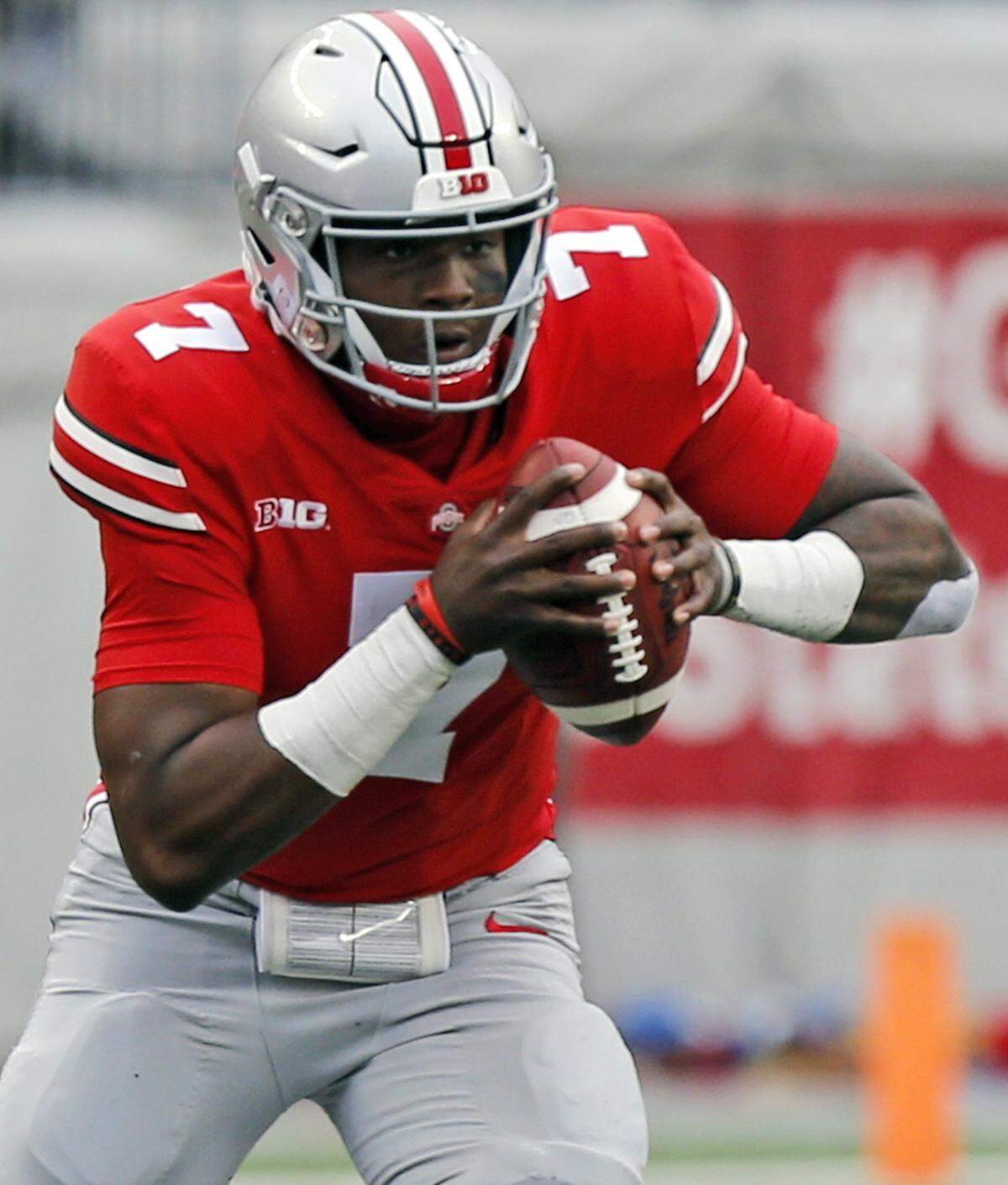
Ohio State legend Dwyane Haskins dies at 24:
This one hurt.
Having grown up in Columbus, my love for Ohio State football extends far past the normal sports fan. It’s very much so a lifestyle.
That said, Haskins was the best OSU QB that I can remember. He was a special kind of player, one who seemingly never let the moment get too big and, quite simply, just balled.
So hearing that someone whom I watched grow in front of my eyes for months really messed me up. Throw in the fact that he wasn’t even 25 and died near an exit ramp I’ve taken many times made it all the more real. And also, 2022 was supposed to be his year as he’d compete to be the Pittsburgh Steelers’ starting QB. The entire situation is simply awful.
Prayers up for Haskins’ friends and family. I cannot begin to imagine what they’re dealing with.
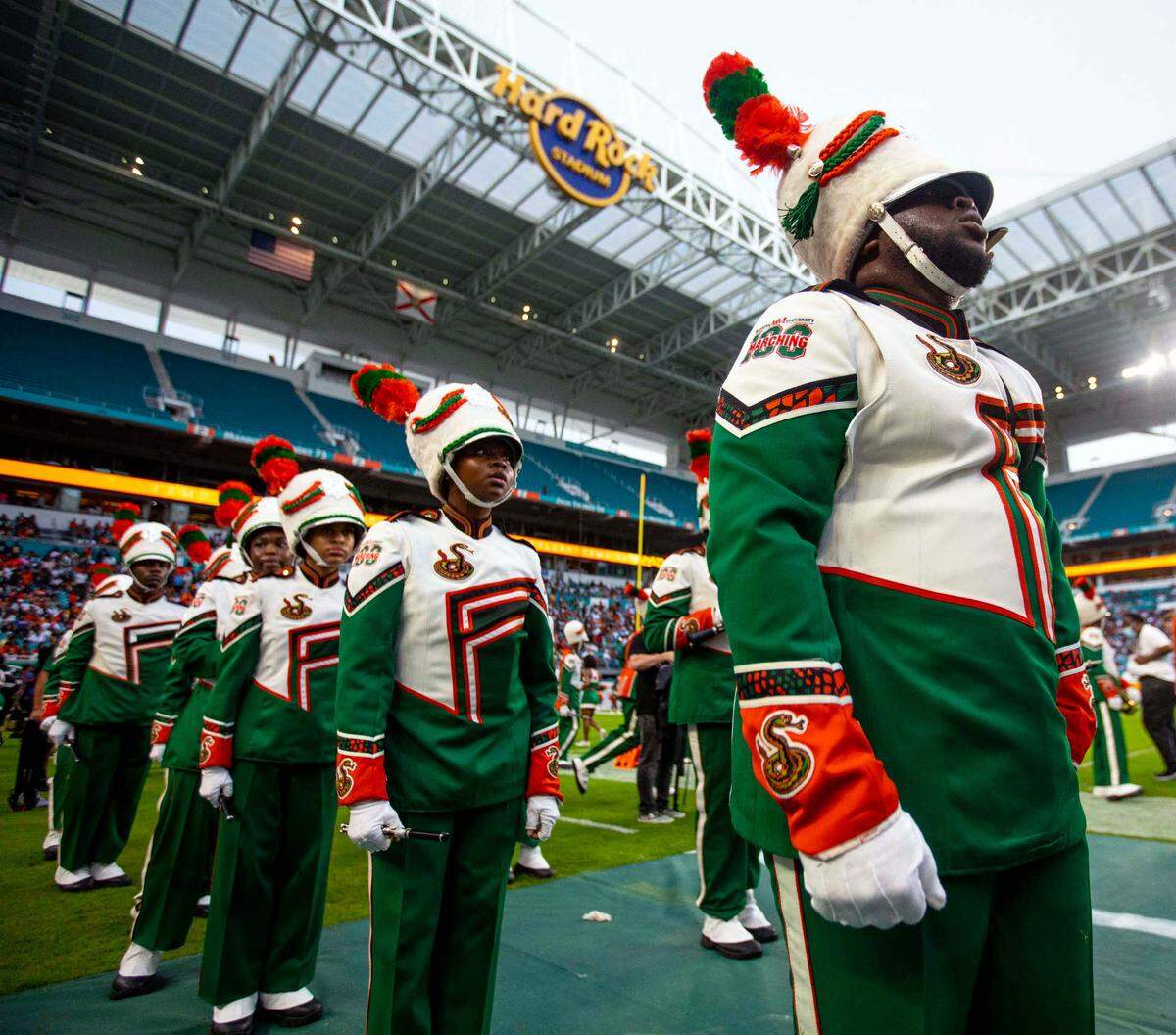
College Consensus just released their top 10 HBCUs and the list is as follows (in order): Spelman College, Howard University, Florida Agricultural and Mechanical University, West Virginia State University, North Carolina A&T University, Grambling State University, Savannah State University, Southern State University and A&M College, Jackson State University and Norfolk State.
While I’m not surprised Spelman is still at the top (shoutout Spelman for celebrating 141 years on Monday), my biggest question is where is Morehouse?
*checks notes*
Really, 27?! You’re telling me there are 26 better HBCUs than the House? I call cap.
HIGH CULTURE
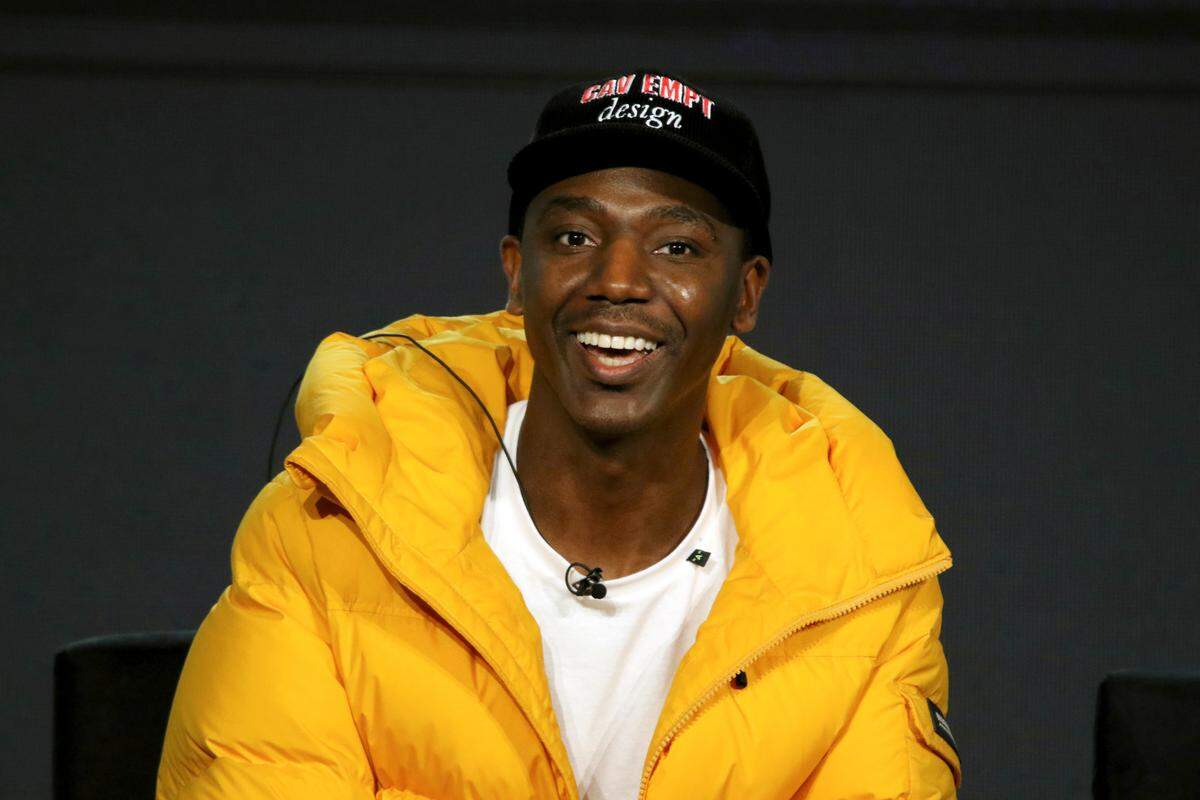
Comedian Jerrod Carmichael talks secrets in new comedy special ‘Rothaniel’:
Talk about brilliant.
Jerrod Carmichael really widened the scope of how comedians should perform their specials during his recent standup “Rothaniel.” Released April 1 via HBO Max, the special features a seated Carmichael exploring one of his family’s greatest trademarks: secrecy. Amid jokes about his fathers’ infidelity, Carmichael reveals one big secret of his own in that he is gay and by doing so, he continues to delve deeper on the vulnerability and intimacy that make the 60-minute piece a wonderful piece of art.
NPR’s Aisha Harris offered the following description of the standup:
Wearing a red shirt and perched on a chair for the entire performance, he appears looser and more vulnerable, his lanky arms more expressive and limber. It’s staged but not stage-y; to watch him unload this burden of secrecy in such a deliberate yet natural way is to understand he’s conferring a distinct and profound level of trust and openness with us, his audience.
Where does “The 44 Percent” name come from? Click here to find out how Miami history influenced the newsletter’s title.