Inter Miami follows Dolphins, Marlins, Heat, Panthers in seeking public help for stadium
READ MORE
Miami’s about to make a choice: Soccer or golf?
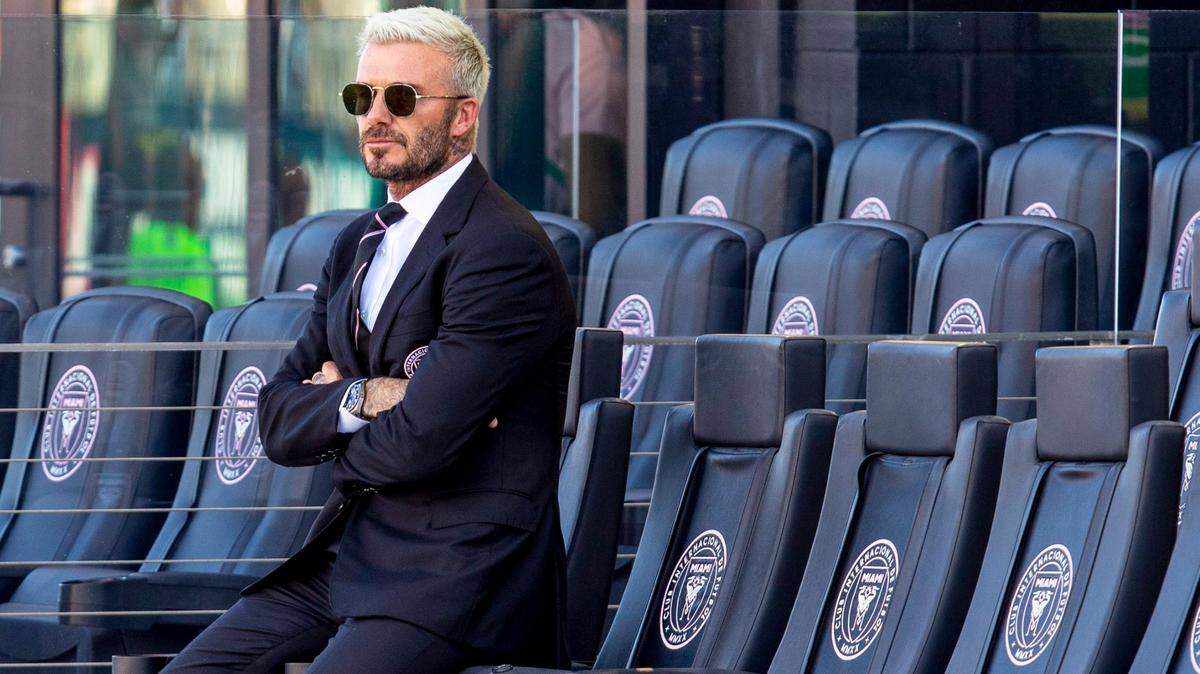
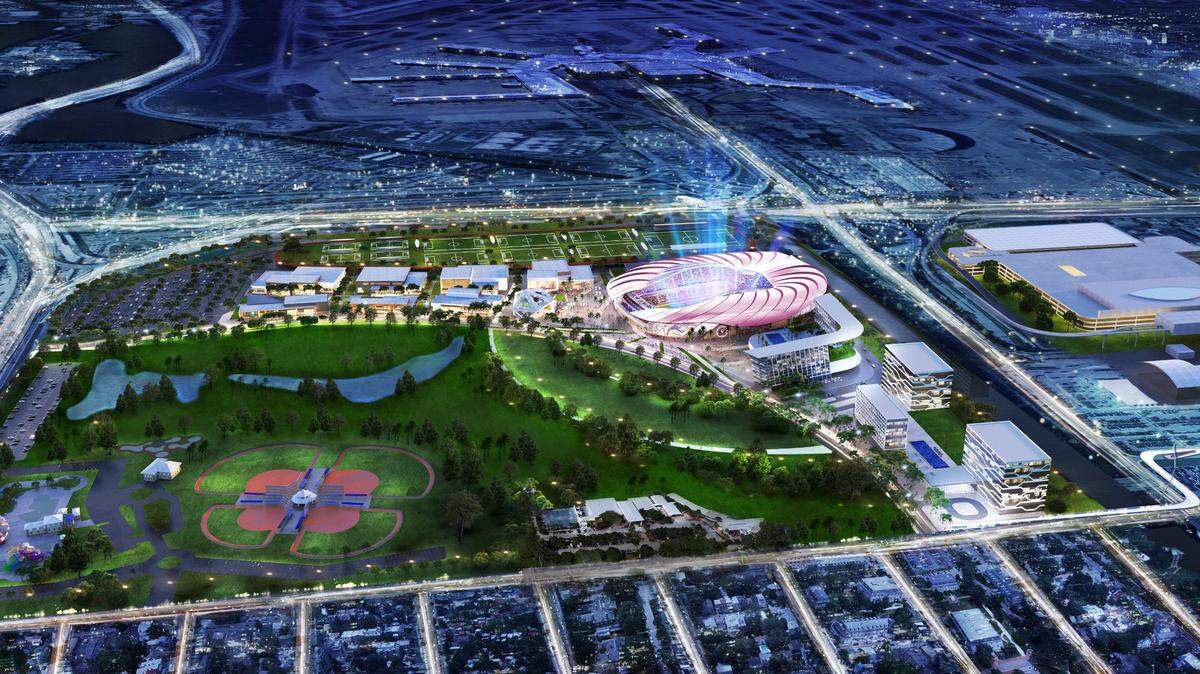
David Beckham and his local partners want to close the city’s only municipal golf course to construct what they are calling Miami Freedom Park, with the stadium standing alongside a hotel, playing fields, a park and a mall bigger than Brickell City Centre. Miami Mayor Francis Suarez has called for a special commission meeting on Feb. 23 to consider the deal.
Expand All
Billion-dollar game: Beckham and partners return to Miami City Hall chasing a big goal
Inter Miami follows Dolphins, Marlins, Heat, Panthers in seeking public help for stadium
Inter Miami needs a stadium in Miami. Not in Broward or West Dade. Here’s why | Opinion
Timeline: Beckham’s long, winding path seeking to build a soccer stadium in Miami
How much do you know about Inter Miami’s soccer stadium search? Take our quiz to find out
David Beckham and the Mas brothers are hardly the first businessmen to come before a South Florida government body in search of a stadium deal for a professional sports team. Over the last four decades, wealthy owners have fought and won deals to help build arenas, with the help of taxpayers.
Some of those deals have worked out. Some, not so much.
Joe Robbie Stadium (now called Hard Rock Stadium)
Last year’s ultimately futile fight by many Miami Gardens homeowners to keep a Formula 1 race from Hard Rock Stadium and their neighborhood may have felt to longtime residents like a rerun of the 1985 battle to keep the stadium from being built.
Except in 1985, when Miami Dolphins owner Joe Robbie wanted to build a 73,000-seat stadium, adjacent hotels, shops and office space on land he leased from the county for $1 per year, Jesse Jackson showed up for the residents’ cause.
Back then, the area was “Unincorporated North Dade,” and the Dolphins were South Florida’s only pro sports team and annually made the playoffs in the already-crumbling Orange Bowl, owned by the city of Miami.
Lawsuits failed to stop Robbie. Jackson, between two runs for the Democratic Party’s presidential nomination, lent his voice to the homeowners’ argument against rezoning the land. Before the Sept. 26, 1985, Miami-Dade County Commission vote, he told commissioners the restriction against commercial development “was part of the great promise and premise held out to these people” when they bought in the area.
In front of an overflow crowd, the commission voted 7-1 in favor of rezoning. Barbara Carey, the only Black commissioner, saw her vocational school picketed after her “yes” vote.
With some public help, Robbie paid to build the stadium, which opened Aug. 16, 1987. But estate taxes after his 1990 death forced his children to sell the stadium and the Dolphins to minority owner H. Wayne Huizenga, who before his death sold to current owner Stephen Ross.
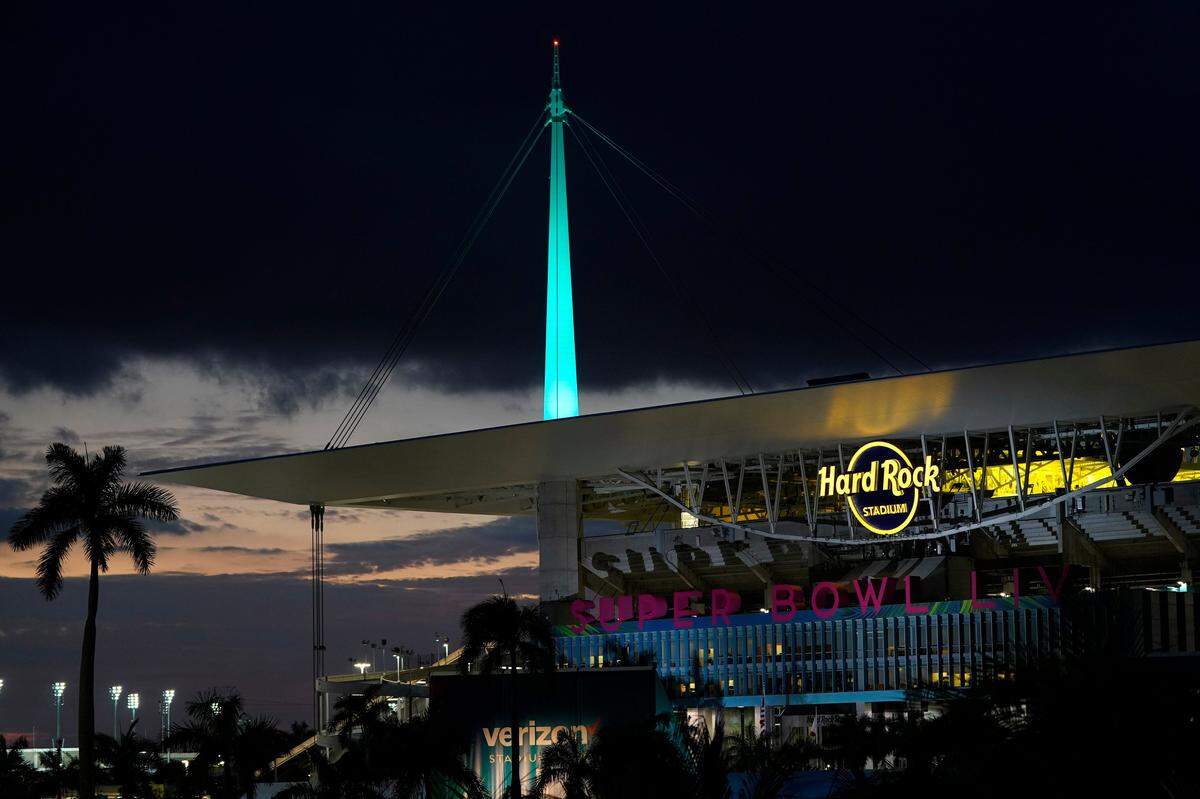
In 2014, with Ross and the National Football League pushing for public help to finance renovations, Miami-Dade County signed an agreement that, following modifications in 2018, pays up to $5.75 million annually out of hotel taxes for big events, such as the 2020 Super Bowl. The modified deal, which lured the Dolphins’ training facility away from Broward County, is a 30-year agreement. Payments begin in 2025.

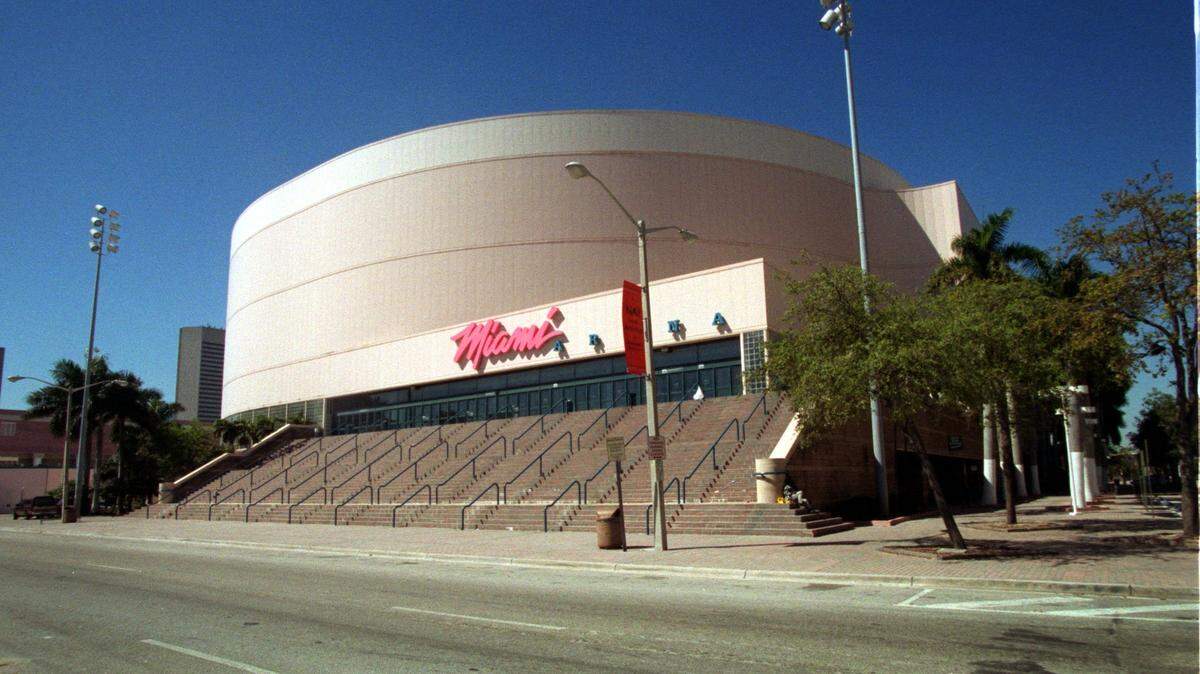
Miami Arena
Mostly financed through an obscure city of Miami agency, the $50 million Miami Arena opened in 1988 to host the NBA’s brand new Miami Heat, maybe an NHL team later and to revive an Overtown wrecked in the late 1960s when planners ran Interstate 95 through the area.
Not big enough. The arena that then-Herald sports columnist Linda Robertson called “the big pink hatbox” held 14,703 for hockey, 15,200 for basketball, small even by 1974 standards, and had 18 luxury boxes, too few by 1995 standards.
By the first Florida Panthers home opening face-off in 1993, the Heat complained it needed an upgrade. The Panthers left in 1998 after five seasons. The Heat moved in the middle of the 1999-2000 season. The University of Miami men’s basketball team hung around until 2003.
The Miami Arena hosted the 1990 NBA All-Star Weekend, 1994 NCAA tournament games, the first three Heat vs. Knicks playoff tussles and the Panthers’ Season of the Rat that ended with the awarding of the Stanley Cup (to the Colorado Avalanche, darn it), as well as arena football.
But Miami Arena, like its Orlando cousin, was built about six years too soon. Most NBA/NHL arenas opened in 1994-96 remain in use, designed for the luxury box-arena amenities era. Miami Arena, a lousy place to do anything but watch the game and make noise, opened as an anachronism.
The city sold Miami Arena to a private developer, Glen Straub, in 2004. Straub imploded the big pink hatbox in 2008.
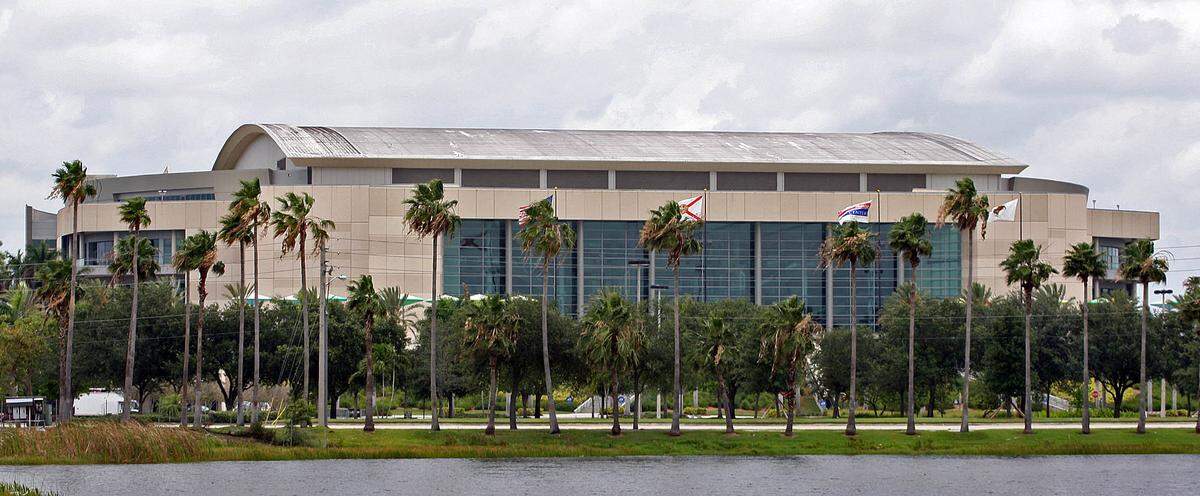
National Car Rental Center (now called FLA Live Arena)
The Panthers knew Miami Arena couldn’t be their forever home. They got ticket revenue from a too-small arena, board, ice and scoreboard advertising and only 45% of concessions. All money from parking and even luxury box tickets flowed into City of Miami and Miami Heat wallets.
Panthers founder H. Wayne Huizenga’s first plan, a Blockbuster Park mostly in Miramar, would’ve included an arena for the Panthers, a stadium for the Marlins and an amusement park. Political approval had been granted when Huizenga sold Blockbuster Video to Viacom in December 1994. But Viacom wanted no part of Blockbuster Park.
The Marlins still had a home. The Panthers didn’t. And, in the wake of the 1994 baseball strike and 1994-95 NHL lockout, nobody felt warm toward athletes or owners. Voters in Broward, Huizenga’s power base, wailed so mightily at the idea of using tourist taxes to fund an arena, officials had to listen. On July 18, 1995, Huizenga said the Panthers would never play in a Broward County arena. It was up to Dade or Palm Beach or the Panthers might move to Nashville.
Then, the Panthers conjured a new arena with a magical season, the Year of the Rat.
The Panthers’ Scott Mellanby killed a rat as it ran through the Miami Arena locker room before the 1995-96 home opener, then scored two goals. Goalie John Vanbiesbrouck dubbed it a “rat trick.” Fans began celebrating goals by throwing plastic rats. The Panthers’ newly aggressive style gave Vanbiesbrouck’s All-Star play goal support. As the Panthers rolled to the Stanley Cup Final, supporting arena funding transformed from political suicide to politically expedient.
Broward County commissioners OK’d hotel taxes to pay for the building. The groundbreaking on the Panthers new-and-still home in Sunrise was the afternoon of the 1996-97 home opener.
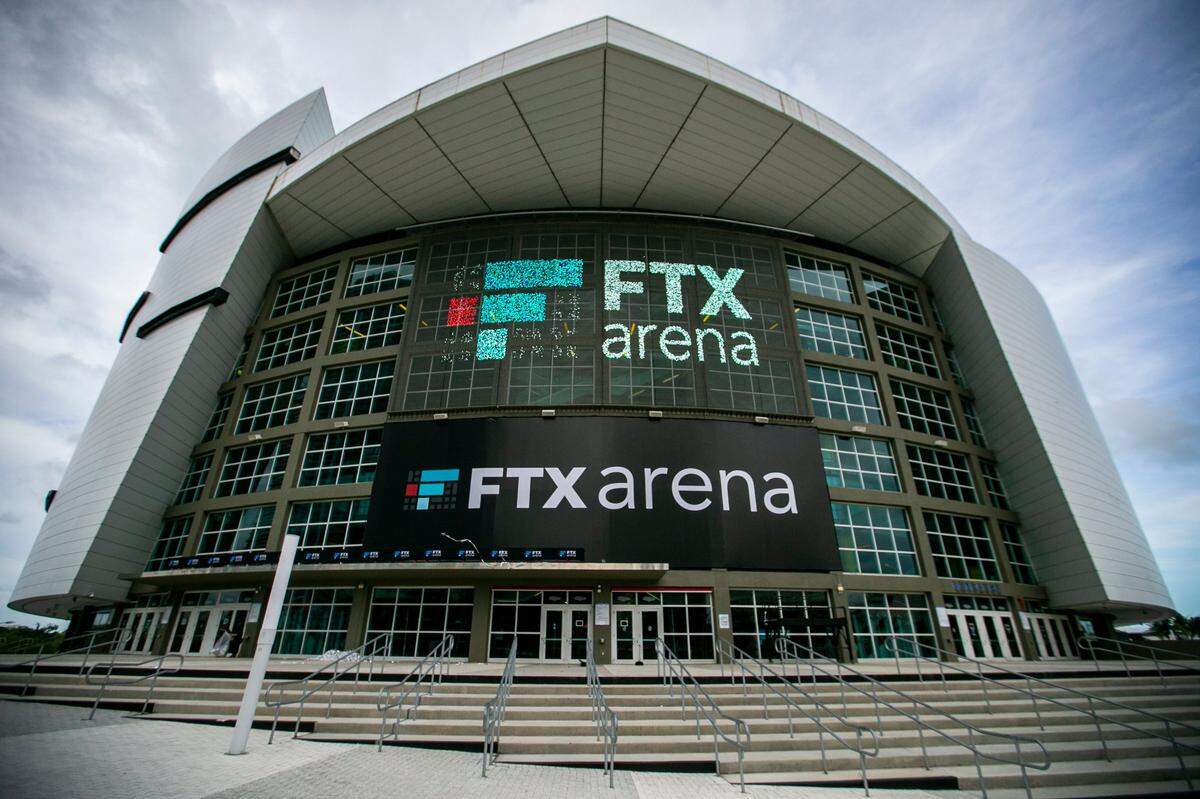
American Airlines Arena (now called FTX Arena)
The Miami Heat’s lease reflected its status as Miami Arena’s prime tenant, but even by 1993, the NBA franchise wanted to deal itself into a better building in downtown Miami. And, by 1996, Miami Arena looked like a change machine next to new NBA dollar mints open or under construction in Chicago, Boston, Vancouver, Philadelphia and Washington.
After batting their eyes at Broward County, the Heat got Dade County Commissioners, by an 8-4 vote, to agree to pay for 70% of a $165 million arena on the waterfront. Same as Broward County’s deal with the Panthers for their new home, hotel taxes were to pay a major chunk of the public costs.
The agreement got shredded by candidates in the fall county mayoral race, especially Alex Penelas, who won the mayor’s seat. Penelas then struck a new deal with the Heat ahead of a referendum that had it passed would have doomed their waterfront stadium plans. The team, owned by cruise line billionaire Micky Arison, agreed in its negotiations with Penelas to build the arena. The county would own the arena and pay the team $235 million over 30 years to cover operating costs.
Some 59% of the electorate voted against the referendum as the Heat spent millions on pre-vote advertising that promised nearby green space coexisting with the arena — though today, Dan Paul Plaza is simply grass and asphalt and is largely used as a staging and parking area for the arena.
The arena opened with a Gloria Estefan concert on New Year’s Eve, 1999. The Heat played their first game there three days later.
Marlins Park (now called loanDepot Park)
During their original Joe Robbie Stadium years, the Marlins won the 1997 and 2003 World Series, followed by buzz-killing roster deconstructions in 1998 and 2006. Still, ownership blamed their low-wattage existence Marlins on the stadium — owned by someone else, uncomfortable on steamy summer nights, unbearable during day games and vulnerable to daily rain-out threats.
Without any buzz to jolt South Florida politicians into building a stadium, Marlins owner Jeffrey Loria and Marlins President David Samson visited other cities to create a buzz. They also refused to open the team’s books publicly while asking for a publicly funded facility.
That didn’t seem to matter in 2009 when the Marlins managed to turn a county-city double play for a $634 million stadium plan. Miami-Dade picked up most of the check, $359 million. Miami devoted $119 million to build the parking lots, stadium and other improvements.
Then, the website Deadspin unveiled that the Marlins got financially fat in 2008 and 2009 off revenue sharing while spending a pittance on players. Miami-Dade Mayor Carlos Alvarez’s backing of the stadium deal joined the list of reasons that got him recalled in 2011 by an 88% vote.
Marlins ownership spent on free agents before the stadium opened in 2012, then did another roster teardown. In 2021, the Marlins’ average home game attendance ranked last in the league.
This story was originally published January 30, 2022 at 6:00 AM.