
A guide to the tax-funded deal with the Miami Dolphins that’s behind Super Bowl 54
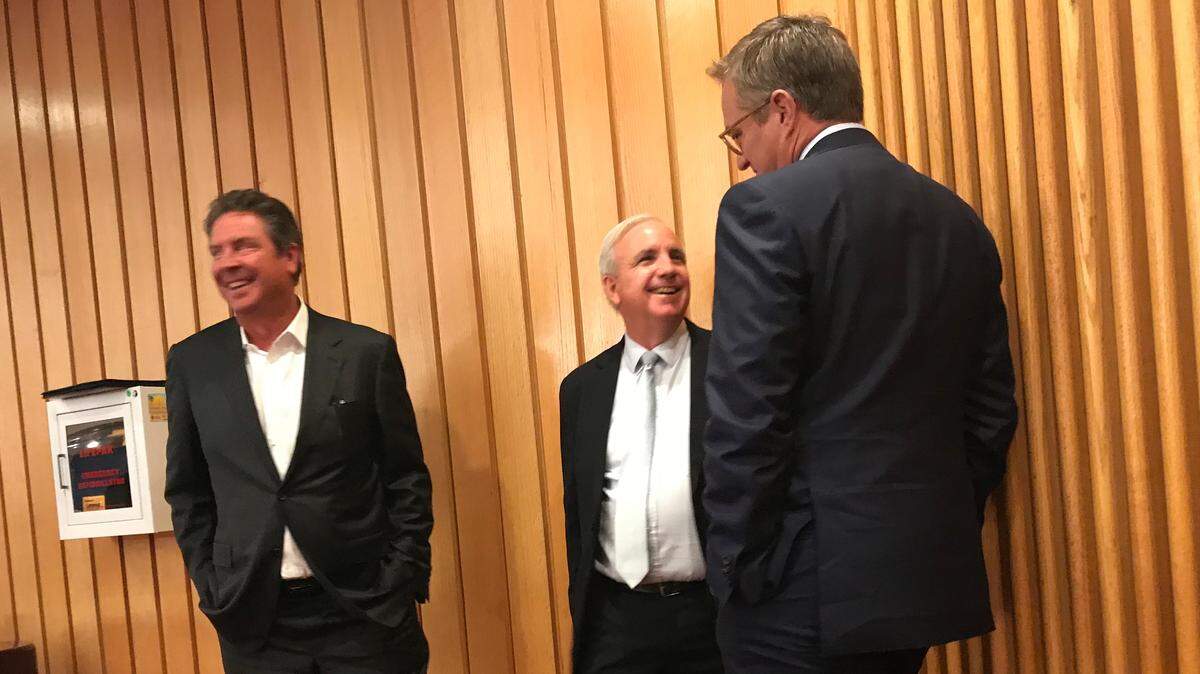
Miami Dolphins CEO Tom Garfinkel watched from the fourth row when Miami-Dade’s mayor took a moment in his final State of the County address to thank the team for a privately funded renovation of Hard Rock Stadium that will play host to a record-breaking 11th Super Bowl for the county.
“Without their at least $500 million commitment to the stadium, Super Bowl would never come to Miami,” Gimenez said, thanking Garfinkel by name and praising the organization owned by developer Stephen Ross. “Thank you to the Miami Dolphins organization and Hard Rock Stadium.”
Left unsaid was the role played by Gimenez and county tax dollars in creating the newly renovated stadium that NFL owners demanded for a Miami Gardens Super Bowl. The 2014 deal Gimenez negotiated with Ross and his lobbyists tied a private stadium renovation to years of county payments the Dolphins can earn for landing large and lucrative sporting events.
Under the 20-year “marquee event” deal, Miami-Dade pays the stadium up to $5.75 million annually out of hotel taxes for attracting sell-out crowds to international soccer tournaments, college championships and other big games outside the regular Dolphins season.
On Feb. 2, the Dolphins are set to earn their largest payout yet from the agreement. Once the Super Bowl is played at Hard Rock, Miami-Dade owes the team $4 million.
“It’s an incentive for them to keep the stadium a kind of place that marquee events want to travel to,” said Jennifer Moon, the county budget director and a deputy mayor under Gimenez.
The county agreement with Ross represents one of the most complicated backstories in the Super Bowl’s path back to Miami Gardens after 10 years, one of the longest gaps in Miami-Dade’s history as a championship venue of choice for the National Football League.
While Miami-Dade used tax dollars to build government-owned stadiums for the Miami Marlins and Miami Heat, the Dolphins own their 65,326-seat venue and pay about $4.7 million a year in property taxes to the county and Miami Gardens.
The 2014 agreement brought the Dolphins their first subsidy deal with Miami-Dade, with the county government slated to pay millions a year to defer operation costs at a stadium that belongs to a billionaire developer and partners.
The Heat currently receive $5.5 million a year from Miami-Dade under the original 1997 agreement with Miami-Dade that produced the county-owned arena on waterfront formerly owned by Miami. The Marlins don’t receive a subsidy, but Miami-Dade and Miami agreed to cover most of the construction costs for Marlins Park, which the county also owns.
The Dolphins deal is more complex, defying quick explanations. For one, Miami-Dade isn’t paying the Dolphins anything yet. Payments don’t kick in until 2024, so the stadium is banking on obligations that Miami-Dade will start paying four years from now.
Miami-Dade also inserted a clause allowing the county to pay nothing if hotel taxes fall significantly short of revenue expectations, an unlikely event given the growing economy and current record collection levels.
Each year, the team’s senior director of legal and government affairs and in-house lobbyist, Marcus Bach-Armas, sends Gimenez a letter announcing events covered by the agreement.
The most recent arrived Sept. 13, 2019, with Bach-Armas requesting $2.75 million for the budget year that ended Sept. 30. That claimed payout was tied to a December 2018 college semi-championship between Alabama and Oklahoma worth $2 million and a September soccer match with Brazil and Colombia worth $750,000. Both games boasted sell-out crowds.
In all, the Dolphins have requested less than $6 million in the three years since the deal went into effect in 2016, about a third of the maximum amount allowed. Super Bowl 54 should boost 2020’s request to the limit, since the $4 million payment accounts for 70 percent of the cap.
In 2018, county commissioners voted to add up to 10 years to the agreement and lift the original cap from $5 million to $5.75 million. In exchange, the Dolphins agreed to move the team’s training facility and offices about 10 miles south from Davie to Miami Gardens into a new, $70 million facility next to the stadium. Once the facility is built, the agreement would switch to a 30-year deal as long as construction costs match estimates.
Last year the Dolphins proposed lifting the cap to $7 million in exchange for bringing Formula 1 racing to Miami Gardens, with a $2.5 million payment for the yearly race. A draft agreement circulating among county administrators and lawyers in October included the new cap, but the Gimenez administration said the Dolphins dropped the request to go higher than the current $5.75 million maximum.
The county funding approved in 2014 also satisfied an NFL financing system that rewards owners who negotiate subsidy packages with local governments. “My understanding is under NFL Super Bowl rules, Dolphins owner Steve Ross needed some cooperation from local government to be eligible for an NFL loan, which funded part of the enhancements at the stadium,” Gimenez said in a response to written questions Tuesday.
The 2014 agreement centered around a future Super Bowl. The deal required the NFL to break from past practice and put both team hotels and its headquarters and media center within Miami-Dade, rather than sharing some of the business with Broward.
Floridian Partners, a Coral Gables lobbying firm, represented the Dolphins during the talks with Gimenez and aides. One of the firm’s partners, Rodney Barreto, presides over the local Super Bowl host committee, the nonprofit entity managing preparations for the Feb. 2 game. Barreto and Dolphins executives were not available for interviews Tuesday.
The 2014 event agreement capped efforts by Ross to secure more traditional stadium subsidies.
In 2013, he convinced Gimenez and county commissioners to back a countywide referendum in May to create a new hotel tax to fund a stadium upgrade ahead of a meeting with fellow NFL owners to award the 2016 Super Bowl. Ross failed to win the change in state law needed for the local tax, and Miami-Dade canceled the special election. San Francisco wound up with the big game for its new, $1.3 billion stadium.
With the Miami-Dade agreement in hand and renovations almost finished, Ross and his fellow NFL owners awarded the 2020 championship to Miami Gardens in 2016.
It was the game’s first return since 2010. That wait tied the previous drought, the 10-year hiatus between the final Super Bowl at the Orange Bowl in 1979 and the first in Miami Gardens in 1989 at a new stadium complex built by then-owner Joe Robbie on county land.
Backers of the 2014 deal insisted the wait would be longer without the renovation tied to future county payments.
“I don’t think the Super Bowl would have come to Miami-Dade County without an incentives package,” Gimenez said. “So a $4 million incentives package, with money coming from our tourist taxes, for huge marquee events like the Super Bowl that draw 100 million people watching on TV is well worth it to continue to elevate our county’s brand globally.”
This story was originally published January 22, 2020 at 6:00 AM.