
Everglades buffer versus new backyards: Developers running out of single-family lots
READ MORE
Pushing the Boundary
With proposed UDB vote, Miami-Dade shows how hard it is to stop developing in flood-prone spots
Expand All
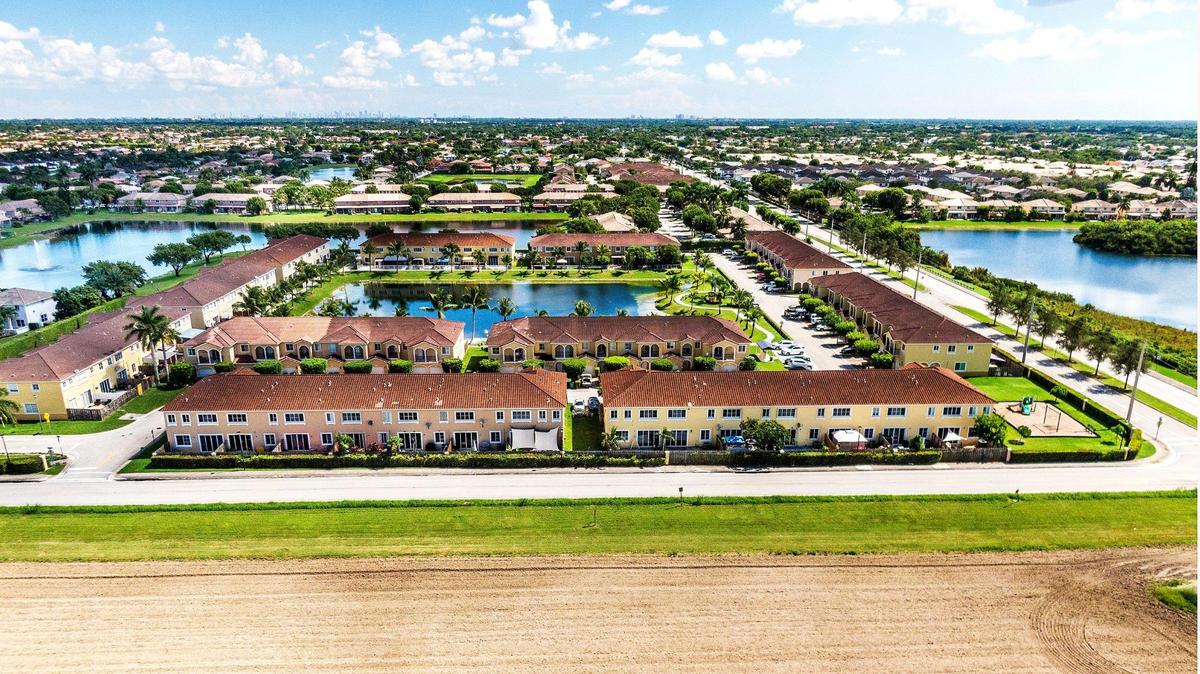
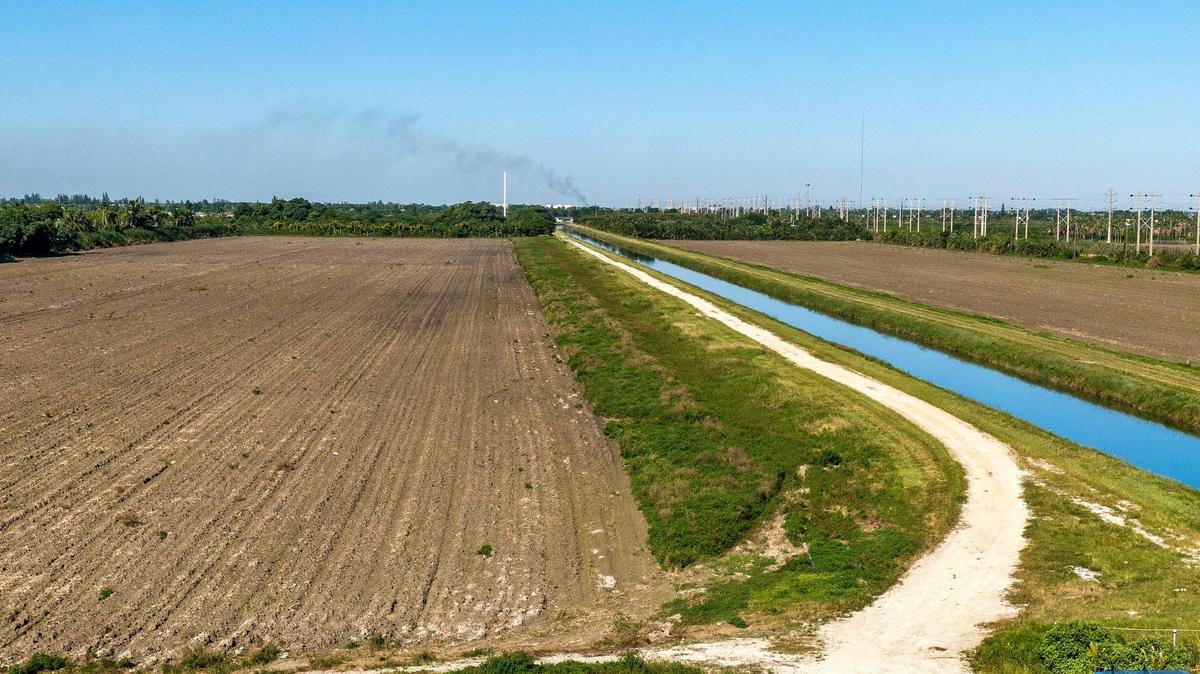
In the next four years, Miami-Dade County’s planning office predicts a milestone for real estate: Developers will finally run out of building sites for new single-family homes.
That won’t mean the end to Miami-Dade’s residential building spree — county forecasts say there is enough land to construct small apartment complexes, towering condominium high-rises and other “multi-family” options to last developers through 2040 and beyond. And buyers would still have plenty of options for purchasing a single-family home in Miami-Dade, with nearly 5,000 existing houses listed for sale this month on Realtor.com.
But current population projections, Census figures, construction volume, zoning rules and average buyer demand for various housing categories led Miami-Dade’s planners to conclude in a March report on managing future development that “the supply of single family residential uses in the County is projected to be depleted by 2024.”
The date is just a projection, and could move back with only slight changes in the various real estate factors plugged into the algorithms to predict supply and demand. In fact, the county’s Department of Regulatory and Economic Resources, home to the planning office, recently concluded the supply of single-family lots will likely last until 2025.
Whatever the accurate life span of new land for single-family homes, predictions of that construction pipeline running dry are being used by developers to lobby for extending Miami-Dade’s Urban Development Boundary so that they can create more of the kind of homes that buyers want.
“I can’t tell people where they want to live,” said Truly Burton, director of the Builders Association of South Florida, a construction industry group. “Some people want to live in a single-family home. ... This is not a numbers game. This is where people choose to live.”
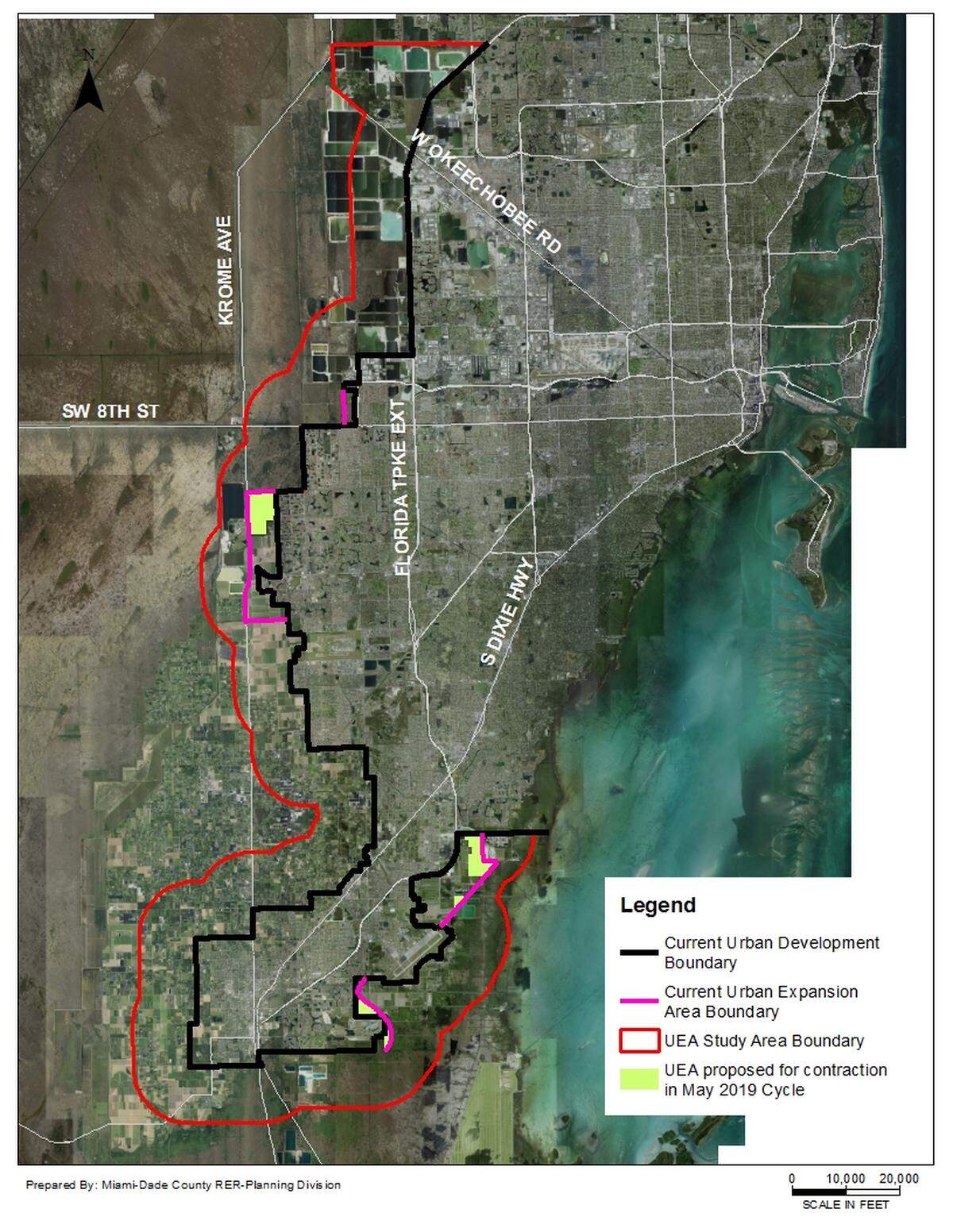
The Urban Development Boundary, known as the UDB, is the buffer embedded in county land-use laws that stands between commercial and residential construction and the Everglades
For environmental groups and their allies, the dwindling number of single-family lots captures a developer-first growth strategy gone wrong in Miami-Dade. They argue more single-family construction lots won’t address current challenges, since almost all of the current residential land in Miami-Dade is already taken up by single-family homes in a county struggling with traffic, growing threats from inland flooding and one of the worst affordability gaps in the country.
“We’re trying to deal with sea-level rise, and just pretend we can give everybody a quarter-acre lot,” said Richard Grosso, an environmental lawyer in Plantation who works for the Hold the Line coalition, which lobbies to keep the UDB in place. “It’s just not realistic.”
Green City residential project wants the UDB moved
Outside the UDB, in West Kendall, a Key Biscayne developer hopes to use the county’s dwindling new-house pipeline to win approval for turning 300 acres of farmland into a new community.
Limonar Development’s Green City project would bring about 2,000 townhomes to an area between Krome Avenue and the part of the UDB that runs along Southwest 167th Avenue. About 13% of the planned units would comply with the county’s targets for workforce housing and, under current criteria, be priced for buyers earning about $83,000.
The project, bounded by 64th Street to the north and Sunset Drive to the south, would also have a commercial complex with industrial space, offices, retail and restaurants.
The area illustrates the effect of the UDB: Drive north on 167th Avenue and farmland unfolds off the left-hand shoulder, while fences to backyards from single-family subdivisions frame the right side of the road.
Miami-Dade’s land-use plan already envisions residential and commercial construction there. But as part of an “Urban Expansion Area,” the property should only be cleared for construction when Miami-Dade runs out of buildable land inside the UDB.
The housing forecast is a part of Green City’s argument for creating more lots for townhomes, which are part of the single-family housing category. While county forecasts show several years’ worth of single-family lots in the pipeline countywide, the zone that includes the Green City parcels is projected to run out of single-family land sometime this year.
A preliminary vote is slated for February before the county commission. Approval would be the first time the county agreed to expand the UDB for a residential project since 1994, according to the county’s office of the Comprehensive Development Master Plan, the collection of land-use rules that includes the UDB.
Commissioners this year have already advanced a plan to expand the UDB in an area near Homestead, but that’s for an industrial project without a new residential subdivision. A final vote on the UDB application by the South Dade Logistics and Technology District commercial center could come later this year or in early 2022.
For Green City, backyards are a big part of the argument to expand the UDB into farmland and allow developers more room for constructing houses catering to buyers wanting the suburban lifestyle.
“They want to be able to grill in the backyard, and have their kids running around,” said Miguel Díaz de la Portilla, a former county commissioner now representing Green City and other developers as a lawyer and lobbyist. As Green City states in its application to move the UDB: “In a post-pandemic world, many buyers are looking for single-family or townhome housing with adequate outdoor amenities.”
The hunt for an affordable duplex in Miami-Dade
Liliana Gutierrez counts herself in that category. The 29-year-old accountant is house hunting with her fiancé in hopes of trading their current Miami Beach apartment for townhouse living with some outdoor space of their own. “A vegetable garden would be amazing. And an outdoor kitchen,” Gutierrez said. Space to let out Chuletas, their Shih Tzu, would be nice too. “We walk a lot to the park,” she said.
Price is the main obstacle, along with location. Gutierrez said they’re hoping to avoid the western developments and stick closer to the coastal areas, where her fiancé works as a banker in Bal Harbour. They’re looking as far north as Hollywood for a duplex, to bring down the monthly mortgage costs with some rental revenue from next door. “We are trying to stay east,” she said. “The prices are extremely high.”
Even with land nearly maximized for single-family living, Miami-Dade’s affordability gap for housing remains one of the worst in the country. “It’s a sellers’ market,” said Monique Graciotti, a broker with Keller Williams Capital Realty in Coral Gables. “You can have one home with 10 buyers making an offer.”
Supporters of keeping the UDB in place want Miami-Dade to focus more on increasing housing options near existing transit and employment centers, where mid-rise buildings can create hundreds of new places to live on land that would accommodate a couple of dozen townhouses.
“We have to build smart, in smart places,” said Juan Mullerat, an architect and founder of the Plusurbia architectural firm. “You have to build in the cities, where you have under-developed areas. ... We need to densify areas that are near transit and on high land.”
Advocates for keeping the UDB in place see the decline of single-family lots as more of a problem for home builders than the population as a whole.
Almost all of Miami-Dade’s existing land for residential already is taken up by houses, according to county estimates, with single-family homes on about 87% of the county’s residential acreage. Meanwhile, Census data show only about 50% of the Miami-Dade population lives in single-family homes.
Protecting drinking water supply from development in Miami-Dade
Environmental issues make the areas outside of the UDB particularly complicated for Miami-Dade, given their overlapping roles as Everglades buffer, agricultural belt, and filter for the county’s underground supply of drinking water.
Miami-Dade maintains wells across the county. Some draw rain water near the eastern urbanized areas, but many of the largest “wellfields” are underneath land outside the UDB.
Rural land is most suitable for resupplying underwater aquifers because the open space gives more area for capturing the rain.
“Most of the recharge is happening out west ... because it’s not covered by pavement,” said Laura Reynolds, an environmental consultant and a leader of the Hold the Line Coalition. “As we face sea-level rise, it’s more important to have that recharge area because the eastern wellfields will become inundated with salt.”
Though well inland, the low-lying areas outside parts of the UDB also are vulnerable to flooding — from heavy rains mixed with a relative high water table that will get more problematic as sea levels rise.
Reynolds points to the already uphill task of protecting the Everglades as a primary reason to force development efforts within the UDB instead of creating new developer lots outside of it.
Restoring the Everglades involves directing more water from Lake Okeechobee south into the ecosystem, a process that could lead to occasional spillover onto surrounding lands during heavy rainfall. Those restoration efforts can’t put homes at risk, so expanding the UDB also means shrinking the footprint available for Everglades restoration, she said.
“We wouldn’t be able to put as much as water in the Everglades if we didn’t have that space,” Reynolds said of the area that includes the proposed Green City project by Limonar. “If we had to provide flood protection all the way to the Limonar property, we’d be in trouble.”
Plenty of land for homes, but not for single-family houses
Legislation filed by the county’s most powerful commissioner, Chairman Jose “Pepe” Diaz, would use the pending end to single-family lots as a trigger for moving the UDB.
The proposal would change county policy on when the Urban Development Boundary needs to expand by setting a target of single-family lots making up 25% of the land available for building over 10 years.
“Not everybody wants to live in a condo,” Diaz said at a recent public meeting on his legislation. “If this continues the way it’s going, we’re going to have issues.”
Current county policy makes no distinction on housing types for projecting land supplies needed to keep the UDB in place. That allows planners to factor in apartments and condominiums along with townhouses, duplexes and houses in calculating future residential supply as the population grows.
With single-family land supplies dwindling, the new formula proposed by Diaz would essentially force an instant expansion of the UDB to create more buildable land for single-family homes, the county’s top planner said.
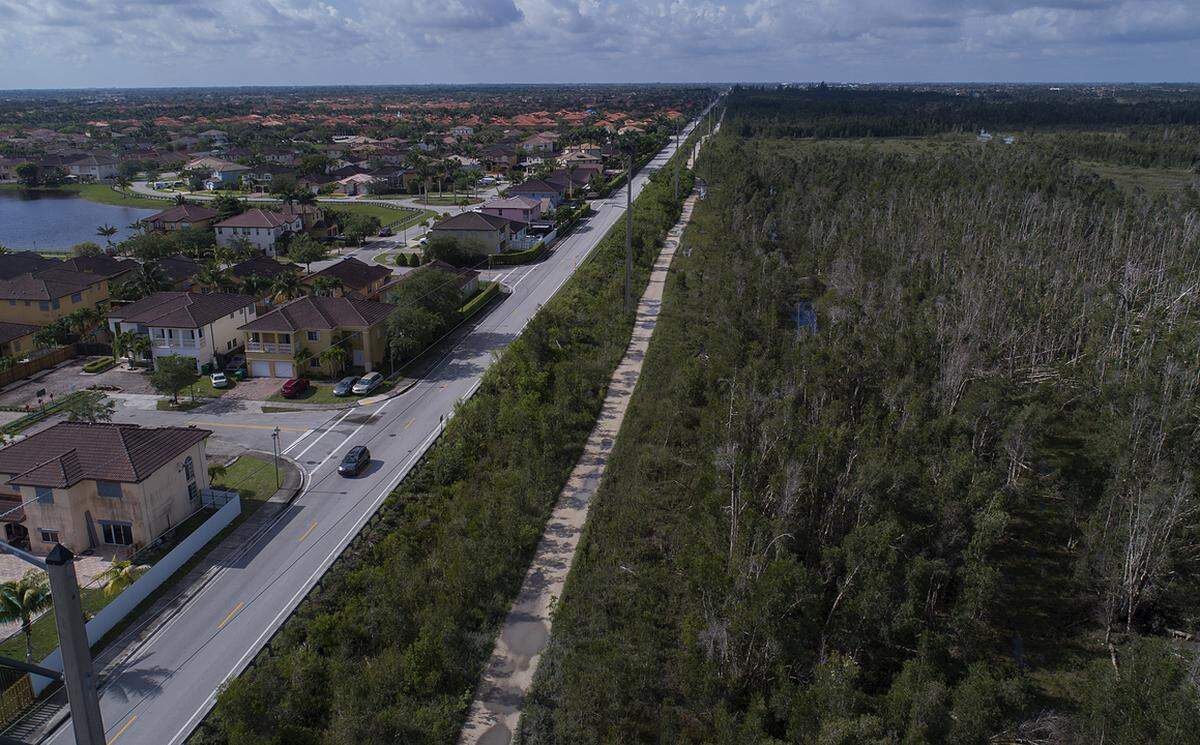
“This would trigger an additional need for 4,000 acres beyond the UDB to accommodate the immediate deficit that would be created,” Lourdes Gomez, director of Regulatory and Economic Resources, told the commission’s Infrastructure, Operations and Innovations Committee on Sept. 16. “Frankly, it’s simply a matter of us being land-locked, and the single-family type [of housing] is very land intensive.”
The Diaz legislation failed to advance out of the Infrastructure Committee, which voted to defer a decision after multiple commissioners objected to a policy change that would trigger a UDB expansion. Other commissioners and the administration of Mayor Daniella Levine Cava are pursuing changes to increase construction within the Urban Development Boundary.
That includes a review by Regulatory and Economic Resources on whether builders should be required to build more than six houses per acre in areas zoned for low density outside of city limits, which is the current county minimum. “That consumes a lot of land,” Gomez said.
Commissioner Raquel Regalado, chair of the Infrastructure Committee, said she wants the county to explore policy changes making it easier to build multiple houses on single lots.
“Let’s have a conversation on lot splitting, mother-in-law quarters and multi-generational,” she said. “This will allow people to keep their families close.”
More homes near transit? One commissioner has a plan
Oliver Gilbert, vice chairman of the commission, proposed a dramatic loosening of zoning rules inside the UDB that would require cities to allow mid-rise apartment and condominium buildings within a half mile of a rapid-transit line, such as Metrorail or South Miami-Dade’s dedicated busway. Miami-Dade already allows for that kind of density outside city limits near transit, and the Gilbert proposal would expand the existing Rapid Transit Zone to include municipalities.
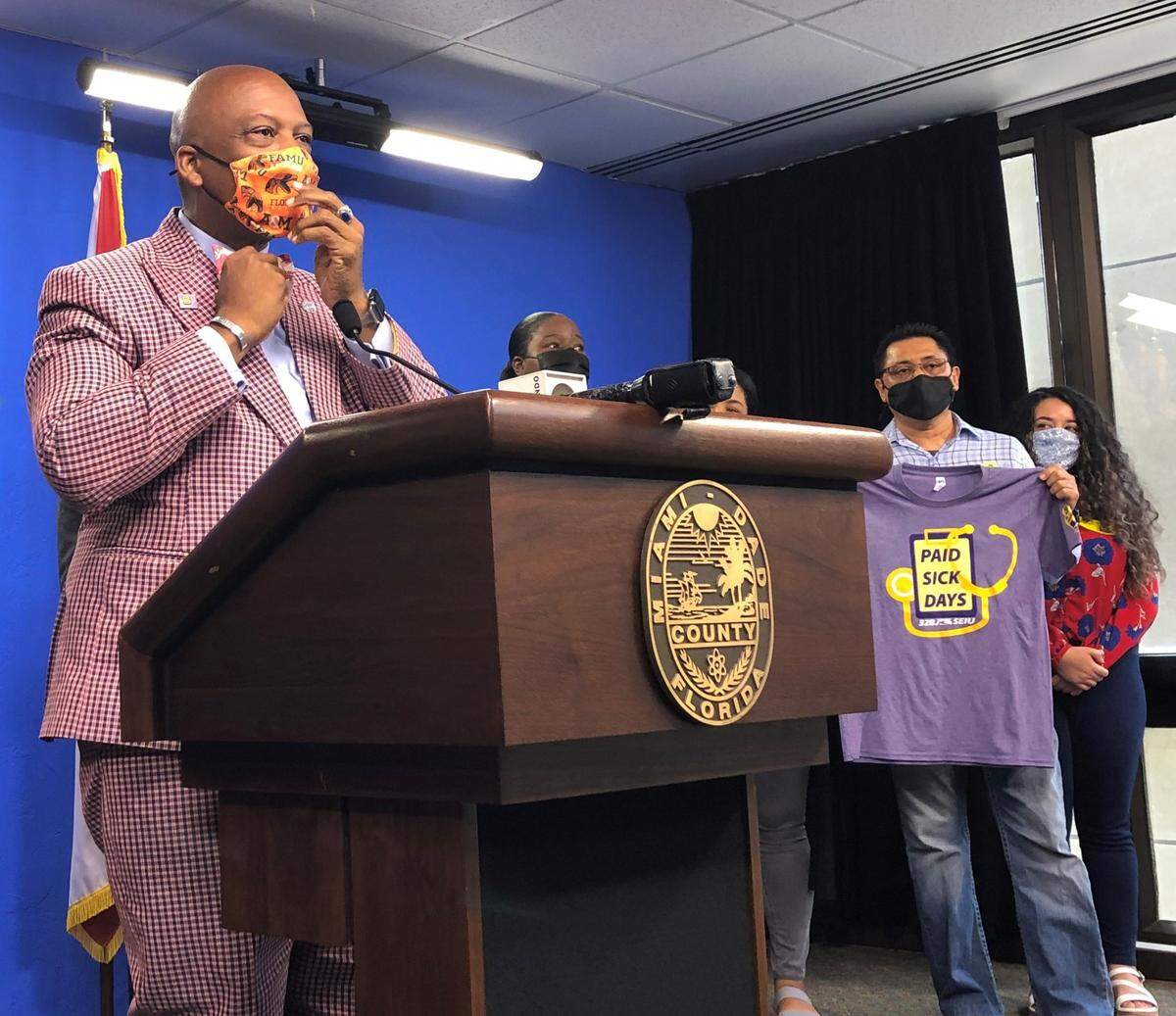
The harsh reaction from some mayors illustrated the political challenges in expanding housing options in the urban areas of Miami-Dade. Gilbert agreed to exempt some neighborhoods from the expanded zone ahead of submitting formal legislation for his plan, while warning local leaders they couldn’t ease the county’s housing or traffic problems without big increases in residential units near transit.
“Over the last 20 years we’ve watched our population and traffic congestion increase,” Gilbert wrote in an Aug. 13 memo to fellow commissioners. “We have watched urban sprawl as a countywide default development strategy.”
In forecasting the coming depletion of single-family building sites, county planners estimate Miami-Dade has about 24,000 lots available within the UDB for constructing single-family homes, and projected about 5,400 would get built each year. That amounted to about a four-year supply of lots, assuming the various projections on population growth, construction and buyer demand were correct.
County analysts say the Urban Development Boundary isn’t driving higher real estate prices. The March forecast included a comparison of Miami-Dade’s growth in housing prices with other large counties in Florida. Only Miami-Dade has the kind of firm barrier to suburban growth that the UDB creates.
The analysis found Miami-Dade roughly in the middle, with prices growing a little faster than in Pinellasand Duval but slower than in Broward and Orange. “The data ... supports the conclusion that the UDB does not appear to be exerting inflationary pressure on housing prices,” the report reads.
Manuel Armada, head of the county office that makes the housing-supply forecasts, said expanding the UDB may create more residential supply. But that doesn’t mean lower prices. “Affordability is a totally different issue than capacity,” he said. “Most of the units proposed to be built outside the UDB over the years have not been affordable.”
The March report showed far more potential for new homes built in multi-family buildings, such as mid-rise apartment buildings and condominium towers. The report found enough land within the boundaries of the UDB — either vacant or able to be converted into a building site — to construct about 225,000 housing units. With estimated yearly demand at about 5,200 for multi-family units, the county forecasts predicted enough supply to last past 2040.
The numbers capture one of the reasons why planners aren’t recommending expanding the UDB for more single-family homes. The new houses created won’t do much to address demand, while permanently reducing acreage designed as an environmental buffer.
“It’s about balancing a couple of different objectives,” said Jerry Bell, Miami-Dade’s assistant director for planning. “Is it worth moving the UDB to get a few more years of supply?”