The 44 Percent: ‘We’re Back,’ Women’s History Month and vaccinating Black Miamians
Before the highrises, before the blockbuster films, before the art scene, Miami was just a sprawling plot of land that needed to be incorporated.
In 1896, Florida State law required a minimum of 300 registered voters for a city’s incorporation. Miami had more than enough to fulfill the requirement – but not all were white men. Many, in fact, were Black workers employed by Henry Flagler to help clear the land for the Royal Palm Hotel.
Toiling in the fields, however, was far from some 162 Black men’s minds on July 28, 1896. Rather than report to work, they had received strict instructions to attend an incorporation meeting in the then-Miami business district. Their presence proved crucial: those 162 those constituted 44% of the voters who established Miami. An African American by the name of A.C. Lightburn was also said to have given the most rousing speech in support of incorporation.
From the very beginning, Black people played a key role in Miami history. Without those 162 men, Miami’s reputation as an international paradise might never have taken flight.
“We made Miami,” said Dorothy Fields, the founder of The Black Archives. “Those first 50 years, without the Black laborers, we would not have had Miami moving forward and certainly not what we have now. Not enough credit is given to the laborers.”
It is for this reason that we decided to name the Miami Herald’s new diversity newsletter “The 44 Percent.” The title represents not just a commitment to recognizing Miami history but also to honoring the sacrifices of those 162 people, who labored in harsh and unforgiving conditions. Their contributions in shaping Miami have long been lost in history. Now, their memory will be honored weekly as we bring you up to date on stories and events of greatest interest to Black Miamians.
Share with friends; the newsletter is free.
“We’re Back”
There’s no easy way to announce a return. That’s one of the many reasons Michael Jordan chose “I’m back” to signal his professional basketball comeback 26 years ago today.
Think of “The 44 Percent” as something akin to His Airness’ announcement: quick, informative and a reversal from the norm. Because far too long Blackness — and its contributions to Miami-Dade County — have not been portrayed positively within the Miami Herald. That’s why “The 44 Percent” name bears such importance: Much like the debt basketball owes to Jordan, Miami owes its transformation to the Black community.
You’re probably thinking I must be crazy to compare “The 44 Percent” to The GOAT. But if you need to know anything about C. Isaiah Smalls II, it’s that I like to set the bar high. My roots may not start in Florida but I learned at a young age to hold it down for the town you’re at.
Although just one person, I intend to be a reflection of you. Hence the use of “We.” Local journalism is a two way street and I can’t do this alone. So never be afraid to reach out. I’d love to know what’s going on in your neighborhood, on your block and in your home. My email (csmalls@miamiherald) and Twitter (@stclaudeii) are always open to tips, comments or anything.
With that out of the way, let’s start the show:
INSIDE THE 305
Majority Black city invests Black: COVID-19 vaccination rates differ widely between races. In South Florida, as elsewhere, Black Americans aren’t receiving vaccines at a rate proportionate to their population. Florida’s only primarily Black city hopes its new initiative provides an answer. Miami Gardens agreed to lease city land to WorldSafe1st, a Black-owned company that will begin administering shots in the near future. Click here to learn how the partnership came about.
Related Coverage:
▪ Florida won’t release minority vaccine stats at FEMA sites
▪ Black seniors feel left behind in COVID vaccinations
▪ Where can I get a COVID vaccine in South Florida?
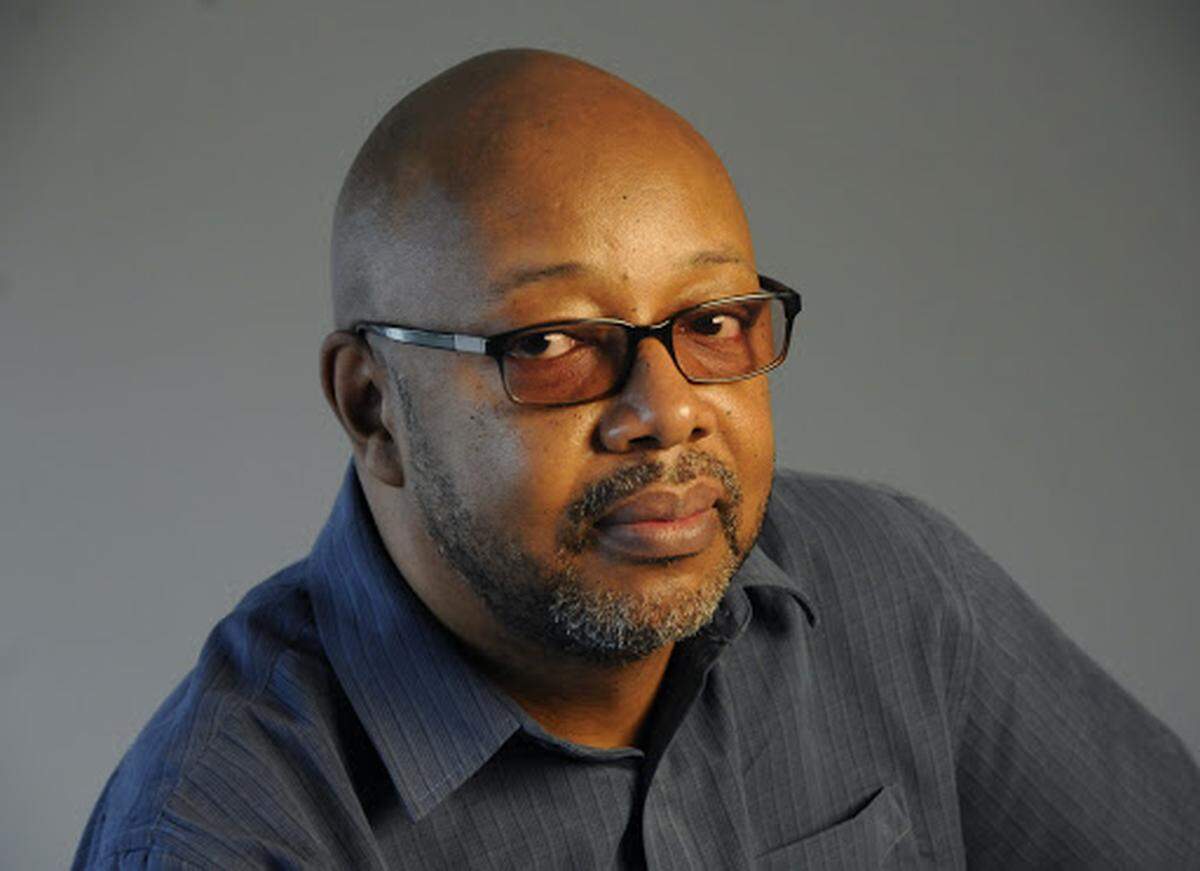
Big up Miami Herald columnist Leonard Pitts : Survey the Herald newsroom on who’s the best writer, and Leonard Pitts will generally be top of the list. So it comes as no surprise that the 30-year Herald veteran was recently awarded the 2021 Elijah Parish Lovejoy Award for his commentary on race in America.
A few of my favorite Pitts clips include his initial commentary about the Capitol insurrection; his reaction to the 2004 death of Mamie Till Mobley, Emmett Till’s mother; and, most of all, White Americans’ cluelessness about racism in which he wrote, “To be an African American is to be perpetually exhausted by race. It is to be worn, wasted, spent and drained from the daily need to prove and defend your own humanity.”
Though Pitts’ journey has been far from easy, his willingness to speak truth to power deserves more praise than physical accolades can even provide.
OUTSIDE THE 305
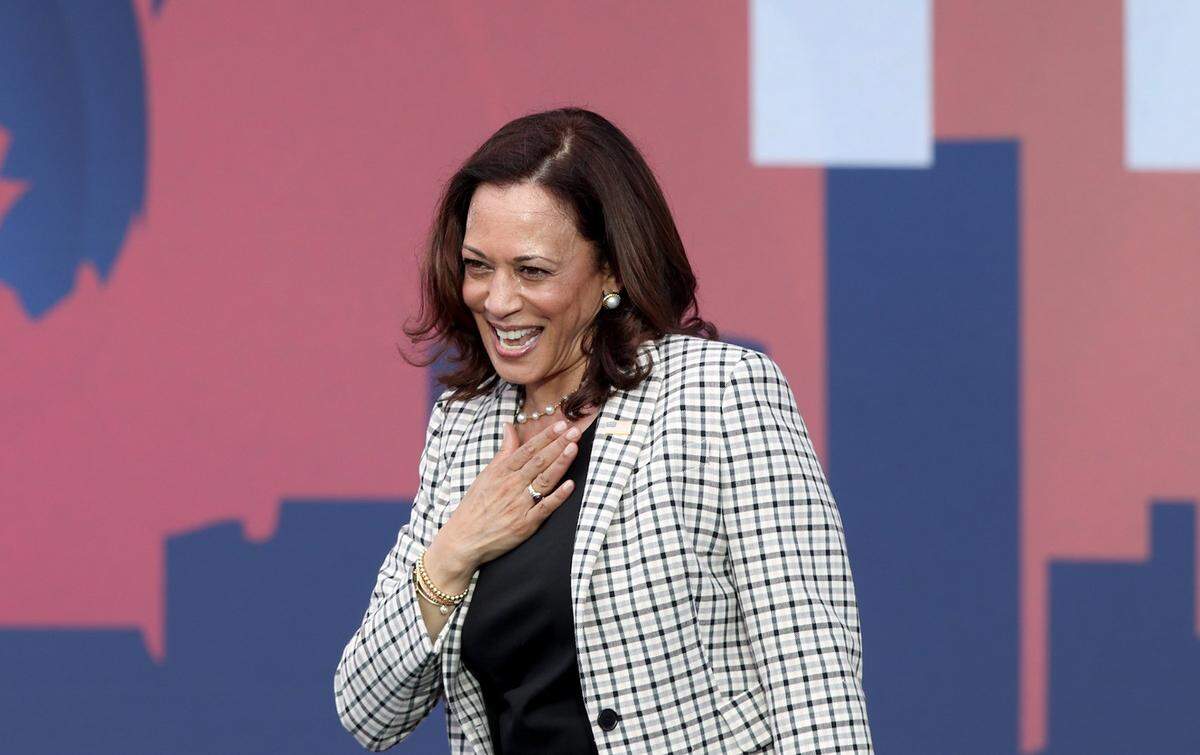
Happy Women’s History Month: Like honoring Black History, celebrating the accomplishments of women shouldn’t be confined to a single month. They should be honored 365 days a year – and not just because you have a mother, sister or aunt.
There is no better time to be a woman, though. The U.S. women’s soccer team tackled gender discrimination. Miami-Dade just elected its first female mayor. The country has its first female vice president.
In need of a new sheroe? The Washington Post recently spotlighted the accomplishments of several women – many of whom were of color – for just that reason. You may not know all of their names, but their stories will inspire you.
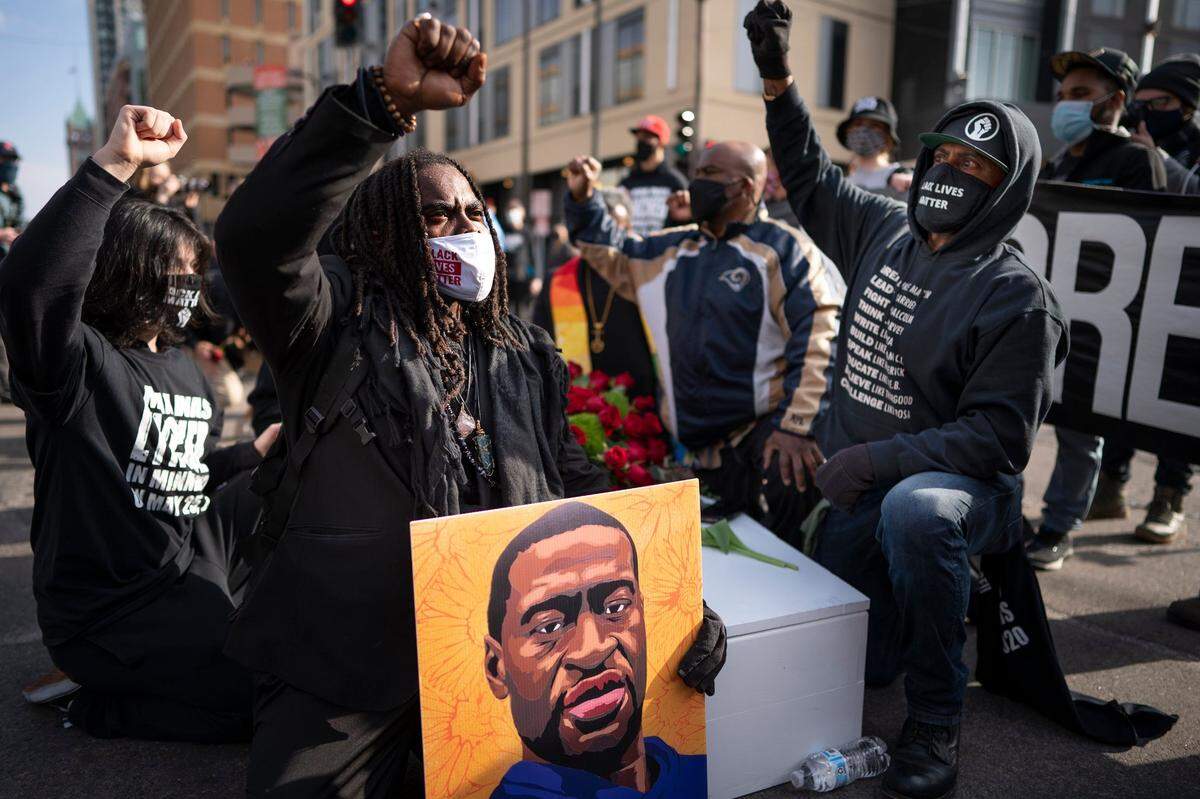
Minneapolis communities of color and the Derek Chauvin trial: The trial of Derek Chauvin, the Minneapolis police officer whose killing of George Floyd sparked national protests, began Monday and, as Star Tribune reporter Zoë Jackson found, there’s still a collective need for healing within the city’s Black and brown communities. My guess is that Minneapolis residents aren’t alone in this regard. The trauma existed way before Floyd’s videotaped killing hit the web and will persist far after the trial ends.
To protect your mental health, therapists’ interviewed by Jackson recommended meditation, talking with friends and a host of other self-care tactics.
High Culture
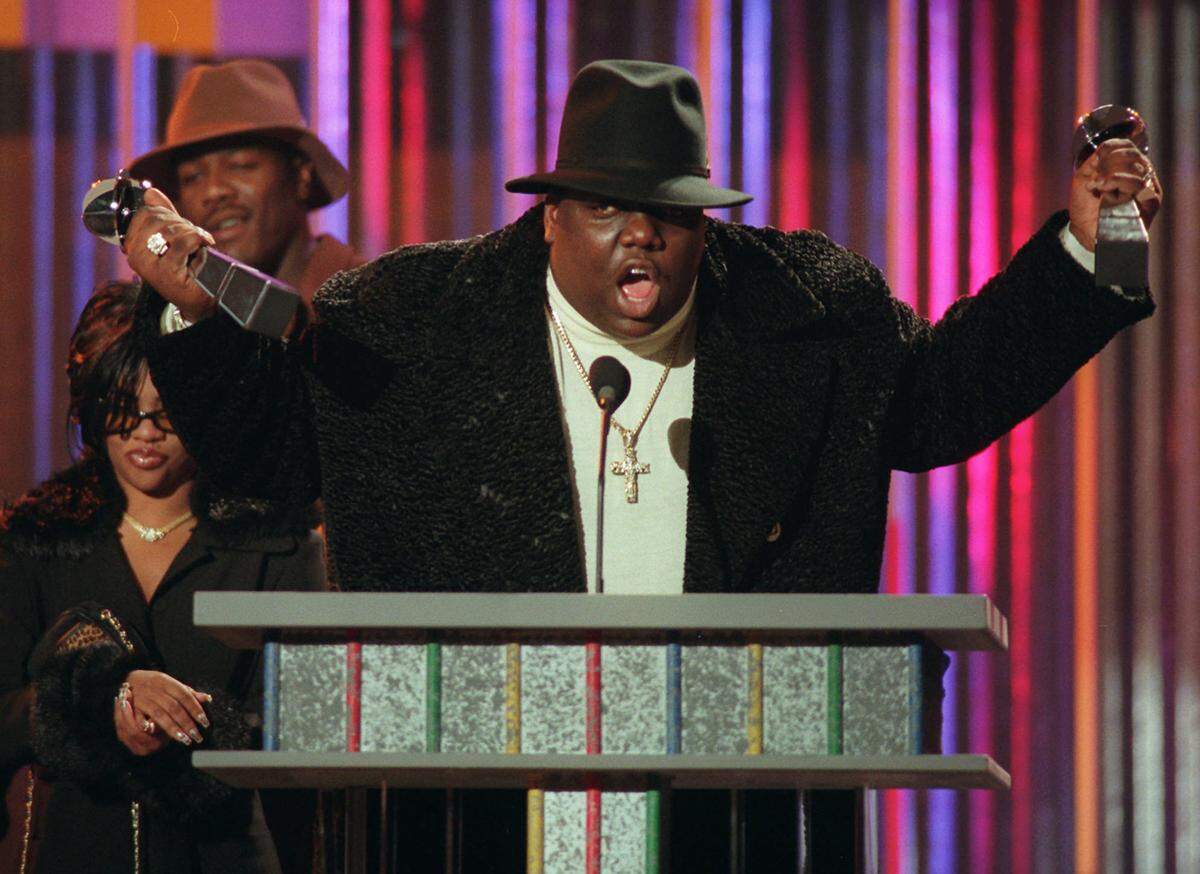
‘It was all a dream’ Last week was the 24th anniversary of the Notorious B.I.G. ‘s death and if you were anything like me, you spent the day running through his catalog. For those still wanting to celebrate his life, look no further than the new Netflix documentary entitled “Biggie: I Got a Story to Tell.” Complete with never-before-seen video footage, the documentary explores how the Brooklyn-born son of a Jamaican immigrant used his upbringing to change hip-hop forever. It’s a must-watch for any music fan.
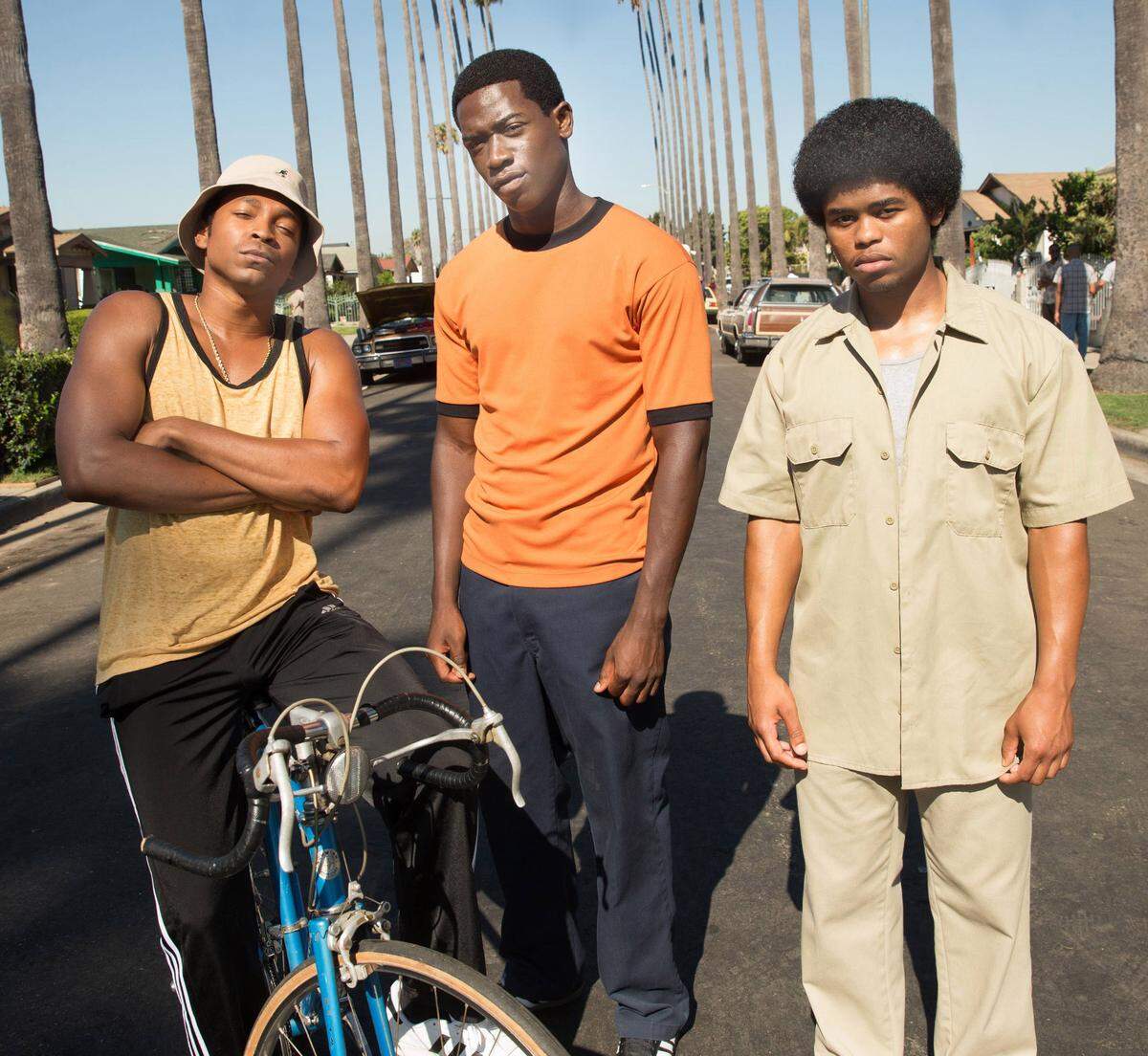
“Boyz n the Hood” director John Singleton’s series keeps delivering: It’s 2021 and some of you are still sleep on “Snowfall.” For those who aren’t hip, the series, created by the late great John Singleton, is a historical fictionalized account of the U.S. government’s role in the crack cocaine epidemic in the early 1980s. The fourth season is currently airing on FX and Hulu so it’s never too late to catch up. Thank me later.
This story was originally published March 18, 2021 at 3:15 PM.