Flores’ NFL lawsuit levels explosive charges. Making case in court may be tough, experts say
READ MORE
Brian Flores lawsuit rocks NFL
Brian Flores sues the NFL for racial discrimination, alleging that Dolphins owner Stephen M. Ross bribed him to “tank” in 2019.
Expand All
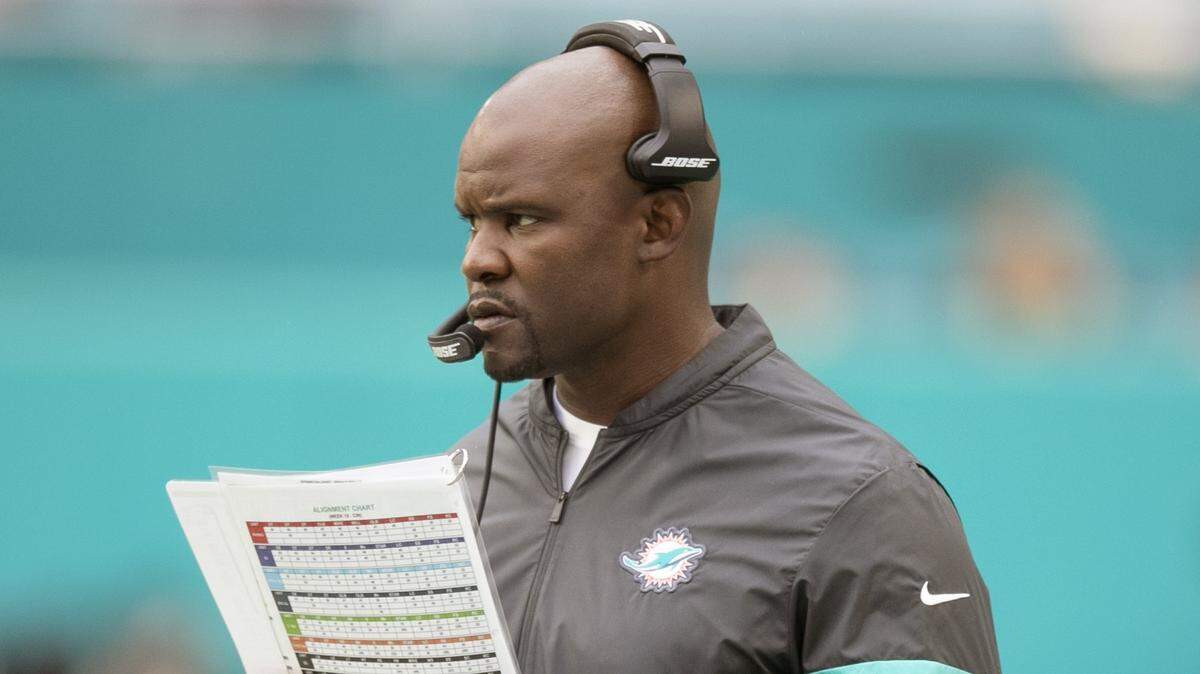
Fired Miami Dolphins head coach Brian Flores has fired a bombshell of incendiary allegations of racism at the NFL for its hiring practices. But he may face a difficult task of proving his case in a court of law.
At least that’s the analysis of two Miami employment attorneys who spoke to the Miami Herald late Tuesday, just hours after Flores filed a broad-ranging discrimination lawsuit that describes, among other issues, ”sham interviews” for two open head coaching positions. In the most recent one last month, Flores, who is Black, says he was invited to sit down with the New York Giants — despite the team already having decided to hire a white coach named Brian Daboll.
“The New York Giants may have grossly mishandled their hiring practice of a head coach, but it’s not evidence of racial animus,” said Matthew Sarelson, an employment lawyer in Miami. “That’s a very challenging allegation to prove.”
Flores, the son of Honduran immigrants, said in his suit that the Giants only interviewed him to satisfy an NFL policy known as the “Rooney Rule” that requires teams to consider minority candidates for top coaching positions. But before he even went through the interview with the Giants, Flores said he learned about the Daboll hiring in a text message from his former boss at the New England Patriots, head coach Bill Belichick.
“The Rooney Rule is a best practice, but it has no force of law,” Sarelson said. “It requires teams to interview [minority candidates], but it doesn’t require them to hire them.”
Flores’ lawsuit, proposed as a class-action case in New York federal court, accuses the NFL, Miami Dolphins, New York Giants, Denver Broncos and the league’s other 29 teams of historically discriminating against Black coaches for head coaching and other key positions despite the fact that the majority of pro players are Black.
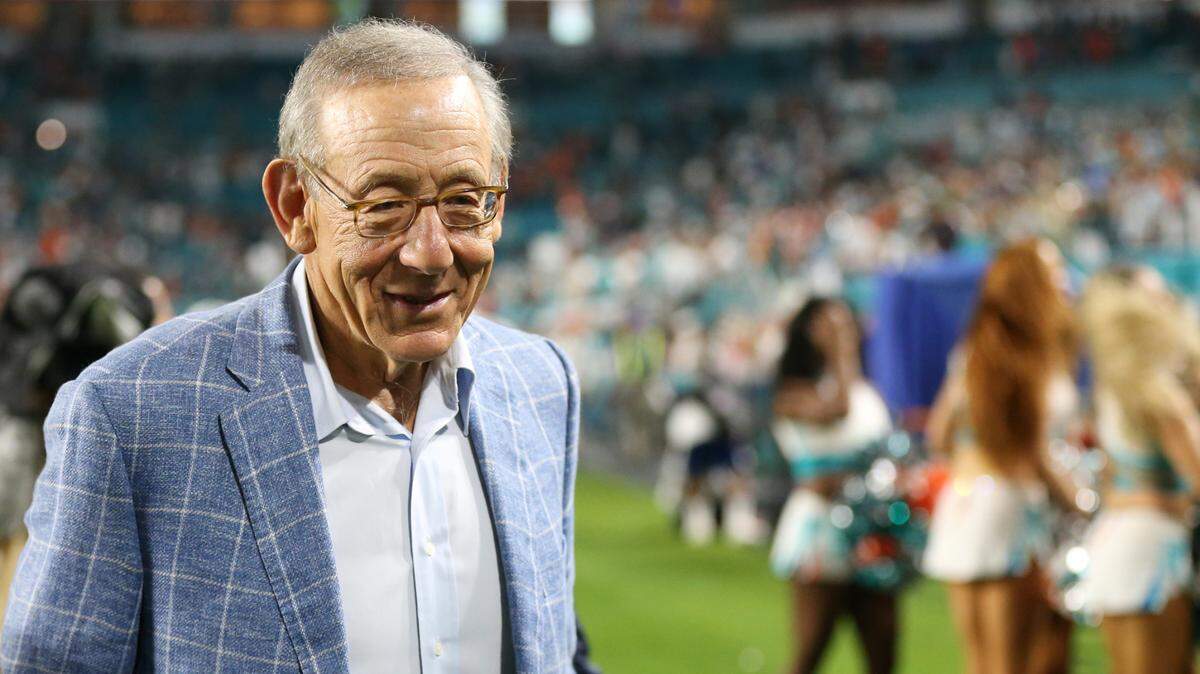
The Dolphins, in a brief statement, denied racism played any role in his dismissal last month as well as another allegation that billionaire Dolphins owner Stephen Ross pressured Flores to tank games, including trying to pay him an alleged $100,000 bribe for each loss, so that the team could qualify for a higher pick in the NFL Draft. Flores said he resisted. For the Dolphins and particularly Ross, that allegation ranks as the most serious in the lawsuit and is certain to draw scrutiny from the league.
But where Flores’ 58-page suit is sweeping in allegations — describing the league as a racially imbalanced operation managed like a “plantation” — it is short on details regarding how he was rejected by the New York Giants and other NFL teams for head coaching jobs, employment lawyers told the Herald.
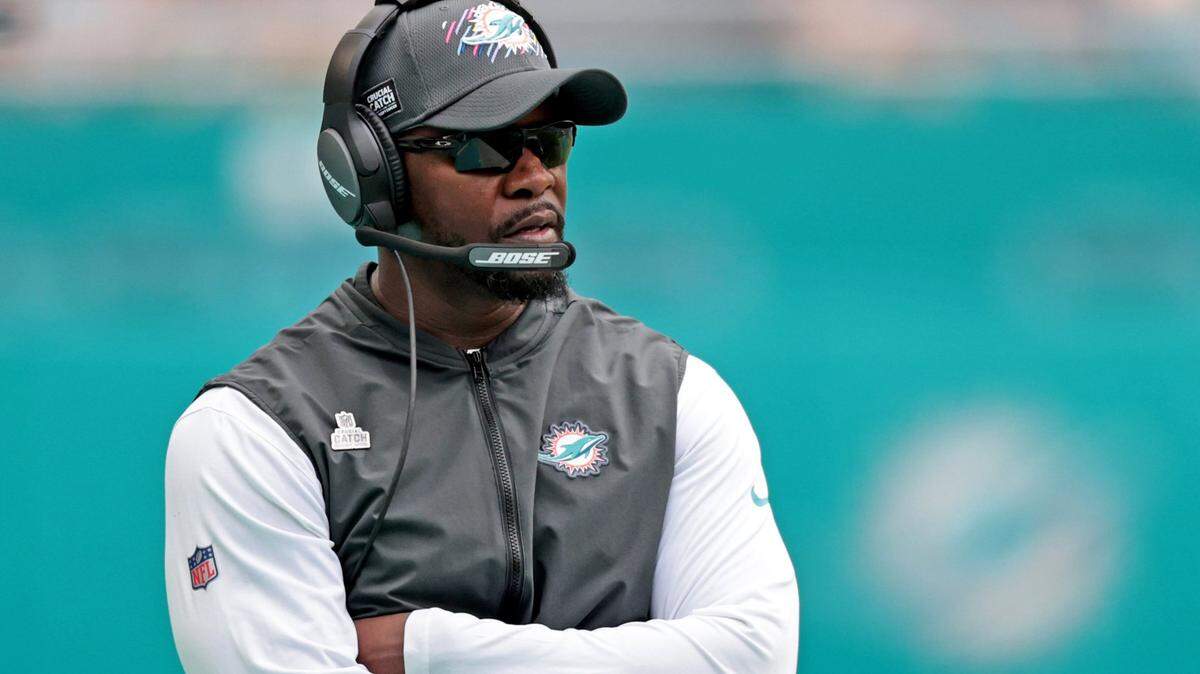
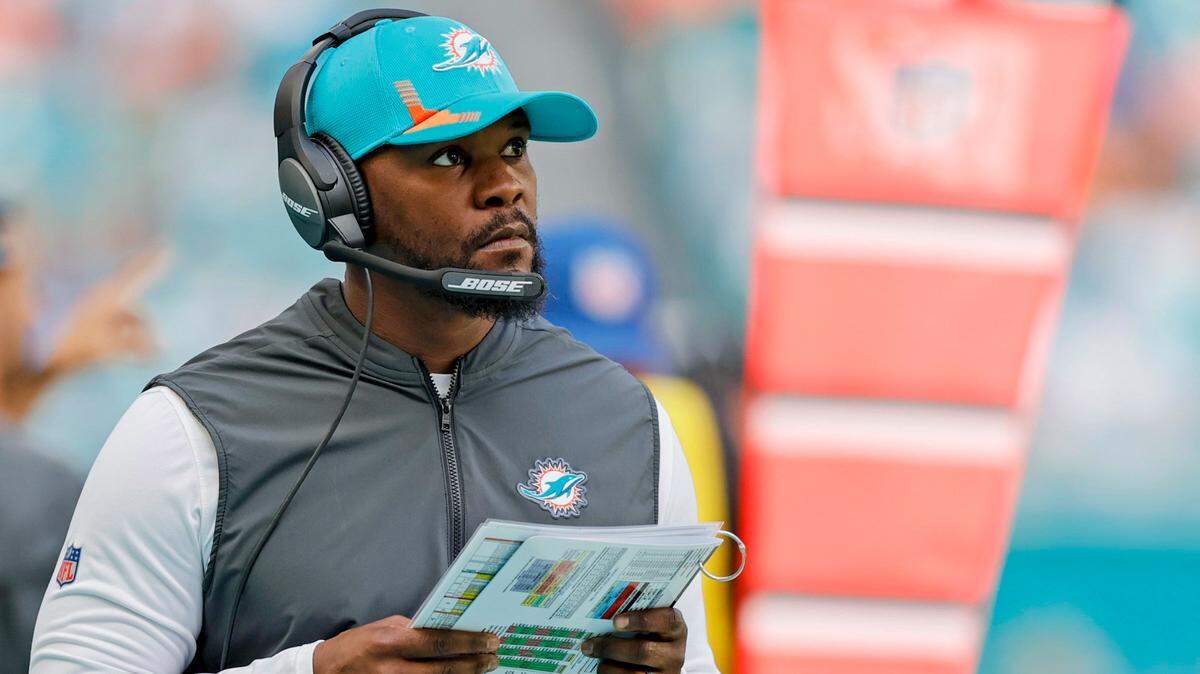
Flores, who led the Dolphins for three years, including two winning seasons but no playoff spots, was fired by owner Stephen Ross in a move that angered many fans across South Florida. Flores, who in recent weeks was looking for head coaching jobs with other teams, said in his suit that he was “humiliated in the process as the New York Giants subjected him to a sham interview in an attempt to appear to provide a Black candidate with a legitimate chance at obtaining the job.”
The lawsuit will resonate in the court of public opinion, where the NFL’s failure to elevate more Blacks into top coaching positions has long been the subject of criticism by players and players’ union leaders and a staple of sports talk shows. Even before it reaches court, it also could compel a league that has long struggled with social justice issues to make further changes in its hiring practices.
But the details included in Flores’ suit appear to fall short of showing a violation of federal civil rights laws, lawyers told the Herald.
“It appears to me that Flores is trying to take a political and personal issue to create a platform for himself in the courts,” said Miami attorney Robert Zarco, whose law firm handles employment issues. “I question the [Giants’] interviewing of Flores after they hired someone else. But I don’t think there’s any law against that. Rules are not laws.”
Sarelson agreed.
“What I’m not seeing in this lawsuit is any specific allegation that he was fired because of his race or that he was not hired because of his race,” Sarelson said. “It’s evidence of mismanagement. It’s not evidence of discrimination.”
Both lawyers also pointed out that Flores’ suit almost certainly won’t prevail as a “class-action” case because there are only so many minority coaching candidates for a limited number of NFL jobs who would be able to make the same claims as he did against the league. Like Flores, each Black coach would be in a unique hiring position, so there would be no basis for a broader class of plaintiffs, they said.
“The way the case is plead, it would not survive class certification,” Zarco said. “That would leave only a pending claim by Brian Flores individually, which would have much less of a public impact.”
This story was originally published February 1, 2022 at 9:38 PM.