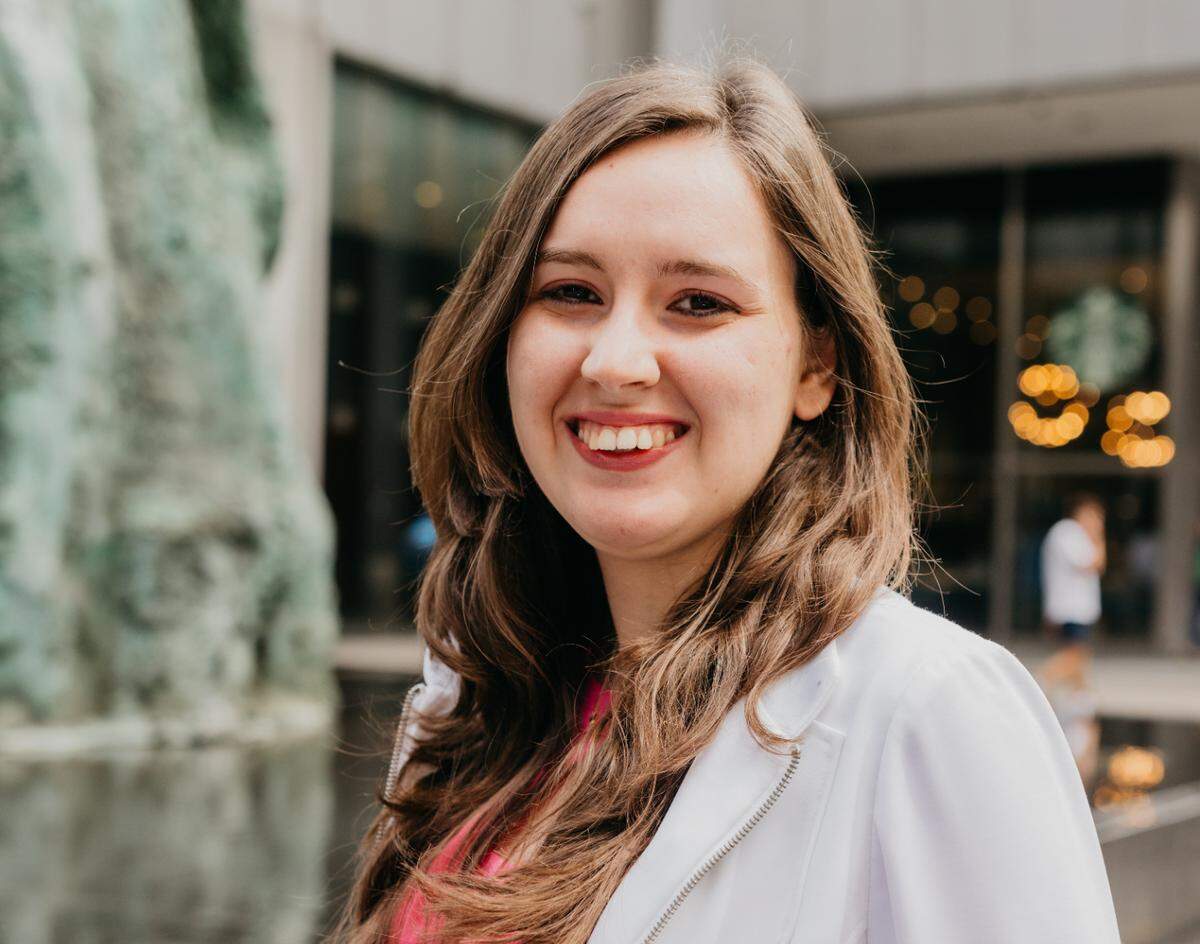
How one Miami-area doctor wants to change the world with COVID shots in the community
Dr. Tina Carroll-Scott wants to “stop the bleeding.”
She wants families to feel safe again when parents go to work and kids go to school. She doesn’t want them to worry about exposing Grandma to COVID-19. But for that to happen, more people need to get vaccinated.
To get there, Carroll-Scott has a vision of what outreach to communities of color during a pandemic looks like.
It involves going into neighborhoods, opening access to healthcare, correcting vaccine misinformation, addressing medical mistrust among Black communities.
On Saturday, March 20, Carroll-Scott’s vision became reality during a COVID-19 vaccination pop-up event at South Miami Children’s Clinic, 6701 SW 58th Place, where she is medical director.
“I wanted to have people see ‘trusted messengers’ providing support and letting people know that they support these vaccines,” Carroll-Scott said. “And that we need people to take a leap of faith and trust us when we say the vaccines have been properly vetted and are not only safe, but 100% effective at preventing hospitalization and death.”
While anyone who met Florida’s vaccine criteria could have scheduled an appointment, Carroll-Scott’s goal was to see Black and Hispanic families, the clinic’s primary patients, get vaccinated. These are two communities that have been disproportionately affected by the disease, as many are essential workers who live in vulnerable multi-generational households.
Saturday’s turnout, with people lining up to get their vaccines, exceeded her expectations, beyond her “wildest dreams,’’ she said.
A ‘labor of love’
A Miami-Dade County mobile vaccination unit gave 648 people their first dose of the Pfizer vaccine at the clinic. The pop-up was initially set to administer 500 doses, but high demand pushed the county to allocate additional doses to the site.
On Saturday, Miami-Dade Mayor Daniella Levine Cava and her husband visited the site. Someone involved in the Overtown Youth Center’s vaccination site later told Carroll-Scott they wanted to discuss how they could replicate her operation.
So far, much of Miami-Dade’s efforts to increase the county’s Black vaccination rate has come through Jackson Health System. The county’s public hospital network has partnered with other organizations, including houses of worships and sororities, in outreach.
The Federal Emergency Management Agency’s four mass vaccine sites — set up in Miami, Tampa, Orlando and Jacksonville — are run by the state and also part of an effort to increase vaccinations among minorities. The Miami-Dade site is at Miami Dade College’s north campus and serves as the “hub” for two pop-up sites that move around the county.
The state says the federal sites have been a success, with more than 45,000 members of Florida’s “minority population” vaccinated. However, the state won’t break down the data by race, giving little insight into whether the locations are actually improving vaccination rates for nearby Black residents.
Dr. Carroll-Scott: ‘Medical representation matters’
For Carroll-Scott, the success of her “labor of love” on Saturday represents more than two decades of her work in treating children who are uninsured or underinsured, including migrant families.
Carroll-Scott said she did “targeted outreach,” not just to her patients and their families, but in neighborhoods including Richmond Heights, Coconut Grove and Perrine to get the word out.
South Miami Mayor Sally Philips posted a flier for the pop-up online and multiple local media outlets, including the Miami Herald, also publicized the event. Carroll-Scott pre-screened everyone who called, texted and emailed her about getting a dose.
She recruited volunteer physicians to give free health assessments at the site. In Florida, people with high-risk medical conditions under a certain age are required to show a physician-signed “at risk” form to get vaccinated.
But not everyone with a preexisting medical condition has a doctor, she said. Flagging problems with blood pressure and weight could help people with at-risk conditions, such as obesity or diabetes, get the required signed form right there.
Six of the physician volunteers she recruited were Black, she said, because representation matters in communities of color. Carroll-Scott also walked up and down the line, answering vaccine questions and thanking everyone for taking the first step to protect themselves, their families and the community from COVID-19.
She says 161 people used the free health assessment to get the form for vaccination. Some were also referred to community health centers for a follow-up because of their high blood pressure. Many told the doctors they had stopped taking medication because they couldn’t afford it, she said.
“Although the intent was to qualify people for the vaccine, it also exposed the inequities in basic health care for many people of color without access. And this then sets them up for all of the co-morbidities that make them more vulnerable to severe disease from COVID-19. It’s a vicious cycle,” Carroll-Scott said.
FIU medical school students joined effort
Medical students from Florida International University were also at the pop-up site to explain potential vaccine side effects, including fever and muscle pain. People were also encouraged to use the Centers for Disease Control and Prevention V-safe, which does periodic personalized check-ins to see how you’re feeling after vaccination.
Carroll-Scott also hired a DJ to play old-school R&B to help calm nerves and make it feel like vaccination was a cause for “celebration.” It worked — people began dancing in line.
The doctor considers the pop-up a success overall, but she knows the work is far from over.
Until more people are vaccinated, the positive cases, the “bleeding” in underserved communities, won’t stop, Carroll-Scott said. And if the virus continues to mutate and infect others, she worries that eventually even those who are vaccinated won’t be safe.
She’s hoping those who received their shot at the site will return home and share their positive experience with family and friends. Those who received their first Pfizer dose will need to return to the clinic after 21 days to get their second shot.
Carroll-Scott is also ready to host another pop-up clinic if someone gets her more vaccine supply.
“The faster we get people vaccinated the faster we can get back to normal,” she said. But, she also has words of caution:
“This is not your license to take off your mask and go back to pre-COVID days. You must remain vigilant.”
This story was originally published March 16, 2021 at 2:19 PM.