South Florida apartment rents keep rising, leaving tenants scrambling. What’s the 2023 outlook?
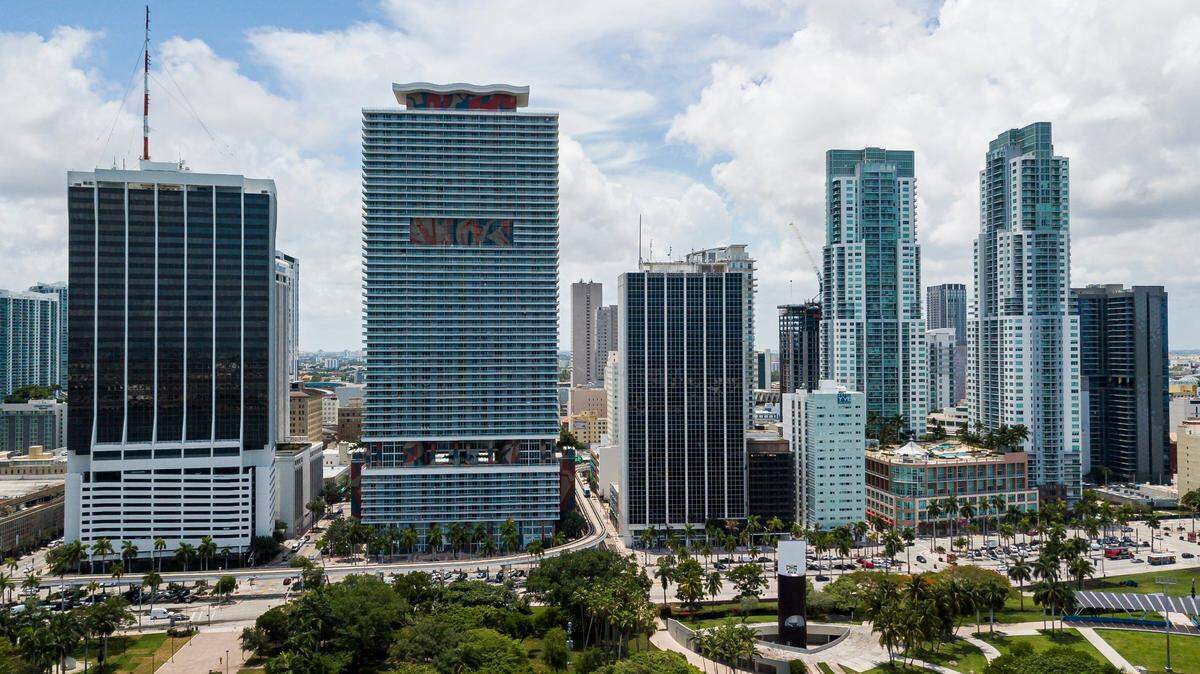
Monthly apartment rents rose by 27% annually for most Miami-Dade County municipalities as of the end of the third quarter, causing great pain for tenants whose incomes don’t keep pace.
Home rental costs continued to jump by double-digit percentages across South Florida in September, compared to a year ago, according to the latest Miami Metro Report by Zumper, an online real estate platform.
The report included median rents for the rental site’s new listings for homes in 29 cities in Miami-Dade, Broward and Palm Beach counties. Across the three counties, those cities had a median annual rent increase of 38% during the one-year period.
In Miami-Dade — where there’s been a lingering housing affordability crunch worsened during the pandemic — the size of rental increases actually got smaller. But it was little consolation for the large group of cost-burdened middle-class workers. For example, the county’s overall home rents had soared 46% in January from 12 months earlier.
Experts say the primary reason monthly rent hikes are shrinking is because demand for rental homes is fading as more priced-out residents move in with family members or leave the region.
Still, inflating rents challenge a wide spectrum of tenants, from those working low-wage jobs to professionals struggling to handle double-digit rent boosts when it’s time to renew annual leases.
The cost of living has exploded in the Miami-area and much of South Florida during the pandemic that emerged in March 2020. It motivated many essential local workers to exit South Florida for good, since they could no longer keep up with rising rents, despite receiving wage increases. Their exodus has left many business owners reeling, especially in pricey rental markets like Edgewater and Miami Beach.
Santra Denis, executive director of the Miami Workers Center, said the area remains “in a housing crisis.”
Her grassroots organization has helped about 3,000 people — mostly women — during the pandemic to negotiate leases with landlords or find a place to live.
“We are still getting calls every day [from people] not being able to find a place to live and being evicted from their homes,” Denis said.
Some parts of the city of Miami saw the biggest annual rent increases as of Sept. 30, according to the fresh Zumper report. Annual rents catapulted by 64% to $2,630 a month for a one-bedroom apartment. Miami Beach reported the second-highest monthly jump of 61% to $2,570. North Miami had the third-highest boost of 60%. Renters there are paying a median of $2,080 a month.
“Miami, since the pandemic, has been a hot destination,” said Crystal Chen, a data analyst at Zumper. “Because of so much demand, there’s a supply shortage. Higher interest rates are preventing people from buying and leaving more people to rent.”
Broward was a safer haven for renters. Certain cities there experienced the smallest annual rent increases, including in Lauderhill, Sunrise, Dania Beach and Deerfield Beach where rental costs rose 6% to 8%.
During the ongoing pandemic, South Florida’s desirability forced home rents through the roof. There’s been a flood of domestic transplants from places like New York City, Boston and Chicago. They sought fewer COVID-19 restrictions, the warm climate and income-tax relief. Many of the digital nomads, technology and finance executives and other professionals following office relocations have deeper pockets than the region’s residents. This migration upended the housing market, and continues to leave out many locals trying to find affordable rentals or homes to buy.
Daniel Broxterman, a professor and academic director of the Florida State University Real Estate Center, attributed the narrowing rent increases in the Miami area to lighter demand.
Landlords have fewer bidders for homes, he said, and therefore can’t hike rents as much as they did earlier in 2022.
It’s too soon to predict what the 2023 South Florida residential rental market will bring, Broxterman said. Future unemployment levels, home availability and the region’s overall economic health will determine that, he said.
Meanwhile, many renters continue struggling to make ends meet from month to month. Miami Workers Center’s Denis said, “There’s a lot of talk about wages going up, but we’re not seeing wages going up to rent growth. No one is seeing wages go up by 20%.”
This story was originally published October 12, 2022 at 5:30 AM.