No longer cheap haven, Little Havana residents stressed by soaring rents and inflation
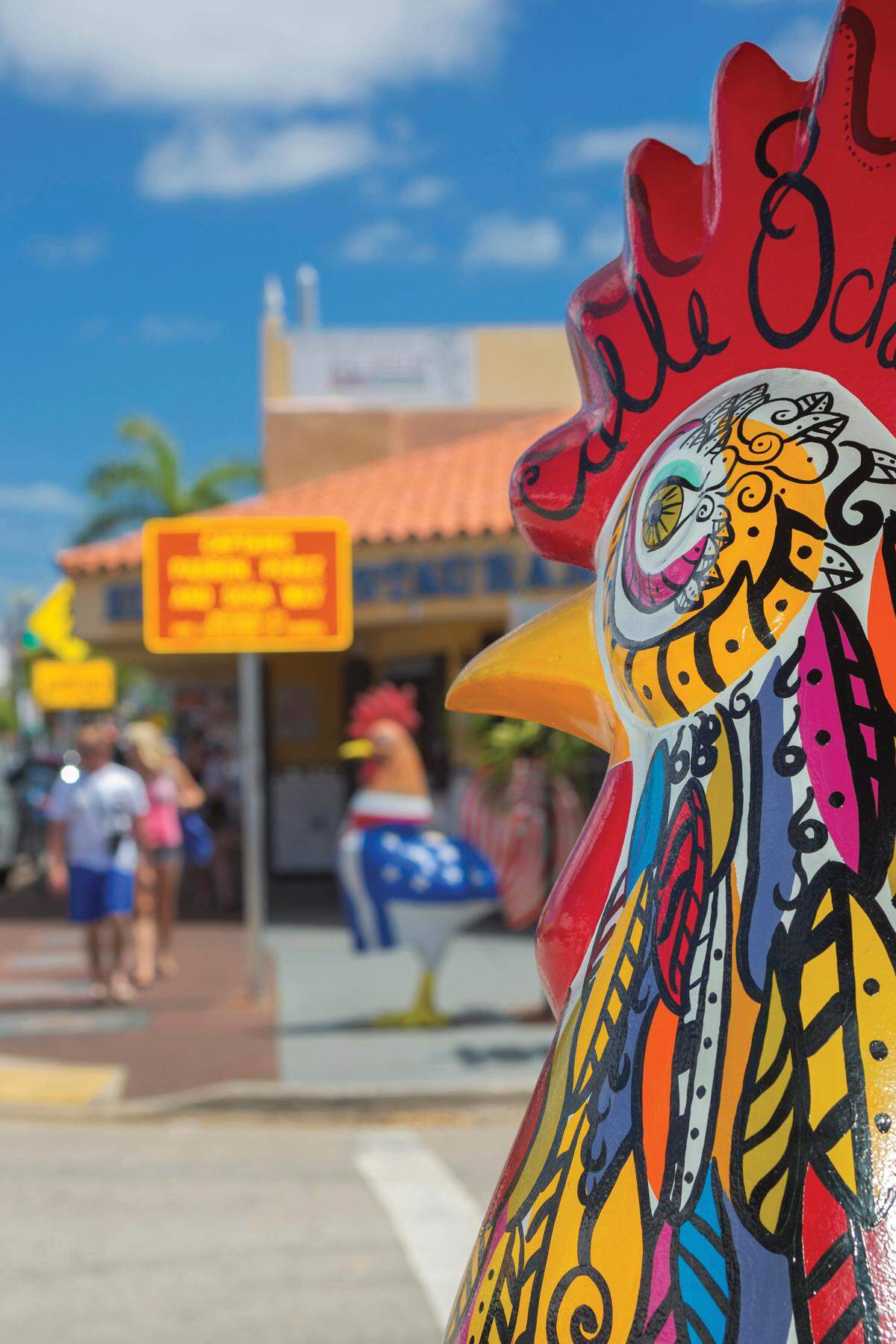
The sounds of Little Havana float into Maybelyn Rodríguez Laureano’s apartment every Sunday. It is a song unique to the diverse Miami neighborhood, a mix of roosters crowing, priests preaching via megaphones in old ice cream trucks and neighbors playing Bad Bunny while lounging by the pool.
The child of Puerto Rican and Dominican parents, Laureano feels right at home in Little Havana. She starts her weekday mornings dashing to one of the many ventanitas for a croqueta and cafecito. During her weekend runs, she enjoys waving to retirees lounging on their porches smoking a cigar. She talks to her neighbors in Spanish — the language she grew up speaking with her parents.
Laureano still lives in the two-bedroom apartment near the Miami River, her home in the city since she moved here in 2019. She relocated from North Carolina for a new job. She now leads the South Florida Community Development Coalition as its executive director. She appreciates the seven-minute walk to downtown Miami’s Government Center and multiple public transit options.
Although much remains the same in the unique texture of Little Havana, one important thing has changed. Apartment rents are soaring, becoming a challenge to tenants like Laureano. When she moved in three years ago, she paid $2,100 a month, then $2,300 last year and now — after a 33% jump — it’s $2,800 monthly for her apartment.
Laureano, other renters who work mainly in the lower-paying services industry, and a few local business owners told the Miami Herald escalating rents are causing financial pain and forcing life-changing decisions. For decades, it was a go-to neighborhood for cheap apartments near downtown Miami. Slowly but surely, Miami-Dade County’s severe housing affordability crisis has seeped into Little Havana and upended the neighborhood.
Amid the housing crisis gripping the city and county causing respective elected leaders to sound alarms, Little Havana exemplifies a place where longtime residents are getting priced out. The influx of corporations expanding or relocating to Miami exacerbated the housing crunch that began before the pandemic. In the past couple of years, the people moving here to work for the newcomer companies — usually high wage earners in technology, finance or law sectors accustomed to pricier real estate markets — have intensified the competition with local residents that’s lifting prices on limited available homes to rent or buy.
“It will reshape what makes Little Havana,” Laureano said, of the soaring housing costs. “These immigrant communities and low-income domestic workers, front-line workers when they’re no longer able to rent their homes, a different population comes in. Those who can afford it are of a different demographic. That can change the nature of what Little Havana is known for.”
Rents in Little Havana are now on par with some of Miami-Dade’s priciest apartment rental enclaves, including pockets of Edgewater, Bal Harbour/Surfside, downtown Miami and Brickell.
“Little Havana has become Brickell East,” said Jose Alvarez, a Realtor at International Realtors Group who leases real estate in Little Havana, El Portal, downtown Miami and Edgewater. “It’s like they say in Spain — culo veo, culo quiero — if you see your neighbor charging $2,000 (per month) for rent, why wouldn’t you do it?”
Last year, Little Havana experienced a median home rent increase of 54%, enough to blow up many residents’ monthly housing budgets. The median asking rent increased to $3,000 a month for the first six months of 2022 for the area’s typical two-bedroom, two-bathroom apartment, accessory dwelling unit, townhouse or single-family house. That’s up more than $1,000, from a monthly median of $1,950 during the first half of 2021, according to Multiple Listing Service figures and Jonathan Miller, CEO of Miller Samuel real estate appraisers and consultants.
The year-over-year midpoint rent increase in Little Havana exceeds the comparatively modest 17% countywide boost, during the same period, according to Miller and the MLS data. Miami-Dade’s median monthly home rent for the six-month stretch is $3,500, advancing from $3,000 a year ago.
Neighborhood’s transformation
The rent pressures and resident displacements are a far cry from Little Havana’s modest roots. Formerly known as Riverside and Shenandoah, the area is bound by the Miami River, Interstate 95, Northwest 37th Avenue — by the Melreese golf course and future home of the Inter Miami soccer stadium — and just over Southwest 8th Street or Calle Ocho.
The area drew a large Jewish community during the late 1920s, said HistoryMiami Museum’s resident historian Paul George. Jewish residents traded the neighborhood for Westchester in the 1950s, at a time when suburban sprawl became popular nationwide.
An influx of Cuban exiles later in the 1960s put the community on the map and it gained the nickname Little Havana, or La Pequeña Habana. The proximity to downtown Miami appealed to Cubans, George said, because it was an area where many once shopped during pre-Fidel Castro days. Today, many residents who don’t work in the neighborhood have jobs downtown.
Starting in the 1980s, Central Americans stepped into the neighborhood as Cubans exited Little Havana and spread across Miami.
“The area east of Southwest 12th Avenue will probably be the most likely refuge today for people coming without a job or money,” George said. “The question becomes if they can’t live there, where do they live? If you keep getting priced out, where do you go?”
Little Havana still has families who either have lived or owned in the neighborhood for generations. But in recent years, developers are replacing two- to four-story condo buildings and houses built in the 1900s with new projects. Some of the newer buildings, like Laureano’s, have amenities like a pool and gym instead of vacant small backyards.
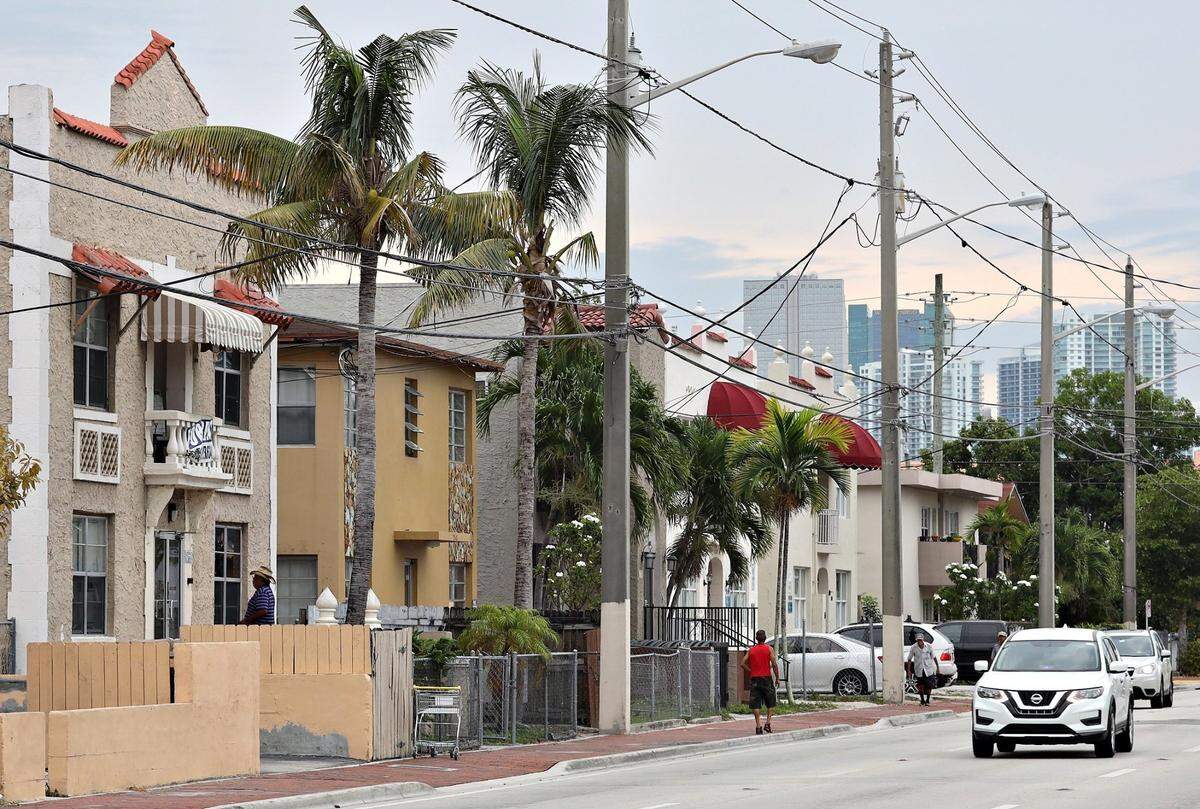
Little Havana’s hot rental market mirrors its home sales activity. Sales prices for single-family homes increased year-over-year by 17% from January through June, to $475,000 from $406,500, and 57% for condos, to $440,000 from $280,000, in the same six months of 2021.
Alvarez, the real estate agent, said he’s seen owners who bought their houses 30 years ago for $150,000 flip and sell to out-of-towners from New York, Los Angeles or Chicago for $1 million.
“People that live in other states and countries see the diversity,” he said, of Little Havana’s appeal. “There are people that see the future and bet on it.”
Residents sacrifice to pay rent
Meanwhile, the higher rents and stiff inflation on most goods and services are forcing residents to make tough choices to cut spending. Dependent on public transit and ride-sharing applications like Uber, Laureano said she’s curtailed grabbing drinks with friends in Coral Gables and eating out in Coconut Grove and kept errands to the Shops at Midtown Miami. The 15-minute Uber rides now cost between $15 and $20, up from $6 to $10 not long ago.
“Before, I would just hop in an Uber and go,” she said. “Now I think, ‘I went last weekend, should I really go this weekend?’”
Other residents make larger sacrifices. Single mother Joana Velasquez faced a 35% rent increase in April for her one-bedroom apartment. In June, her landlord hiked her month-to-month rent again by 26% to $1,700. As a cleaning lady earning minimum wage, she struggles to keep pace with living costs since she has an income below the poverty line. Velasquez told her landlord as much.
The landlord’s response? If she had a problem paying rent, she should find another place to live.
“I’m very worried,” Velasquez said. “I can’t afford to live here with these increases, but I can’t afford to live anywhere else, either. It’s a difficult situation.”
Just a few blocks away in Little Havana, Marycruz Ruiz is having the same issue. After a rent hike, she and her husband considered moving given the expenses of raising two kids and expecting a third in a few months.
“Yeah, I’ve thought about it,” Ruiz said. “But right now everything is very expensive. I can’t be moving. Maybe in a little bit.”
Merchants see workers on edge
Business owners in the neighborhood see the financial strain weighing on some of their workers.
At Exquisito Chocolates, 23-year-old employee Daniela Hernandez searched for an apartment in Little Havana when she moved in February from her native Colombia. She wanted to stay close to her workplace, but ended up living in Wynwood and then moved to Brickell.
“When I lived in Wynwood I would take my bike to work to avoid paying for gas or a bus fare,” Hernandez said. “For now, I was able to find an apartment in an old building in Brickell. It was more affordable than living in Little Havana.”
Sentir Cubano’s 72-year-old owner Maria Vazquez has a store sitting on the far end of Calle Ocho, steps from the Caballero Rivero Woodlawn North cemetery. It’s the final resting place of Brickell trailblazers William and Mary Brickell and former Cuban President Carlos Prío Socarrás.
Customers are surrounded with trinkets and souvenirs reminiscent of Cuban culture, from domino trophies to baseball team merchandise. Cuban songs like “Guantanamera” and “El Cuini Tiene Bandera” play on the radio and a Cuban flag adorns the ceiling fan.
“People moved to Little Havana over 70 years ago because the rents were cheaper than other neighborhoods in Miami. From there, this area became the hub of Cuban culture in this country,” Vazquez said. “I understand taxes and other costs have gone up, but landlords should not be taking advantage of the situation we’re in. How will people afford to live, if they can’t live in Little Havana?”
Little Havana’s evolution from affordable to expensive now puts it out of reach for many, as most Miami neighborhoods have become, for the majority of residents. It’s tough for longtime residents and merchants to swallow that this neighborhood has joined the growing group in Miami-Dade emblematic of the harsh home affordability crunch.
“Consumers are looking for more affordable housing. Markets or neighborhoods that can supply that are being overwhelmed with demand,” Miller of Miller Samuel Real Estate said. “This is not a Little Havana unique situation.”
This story was originally published July 3, 2022 at 6:30 AM.