Demand for Miami-Dade warehouses catches fire. Find out what’s fueling industrial real estate push
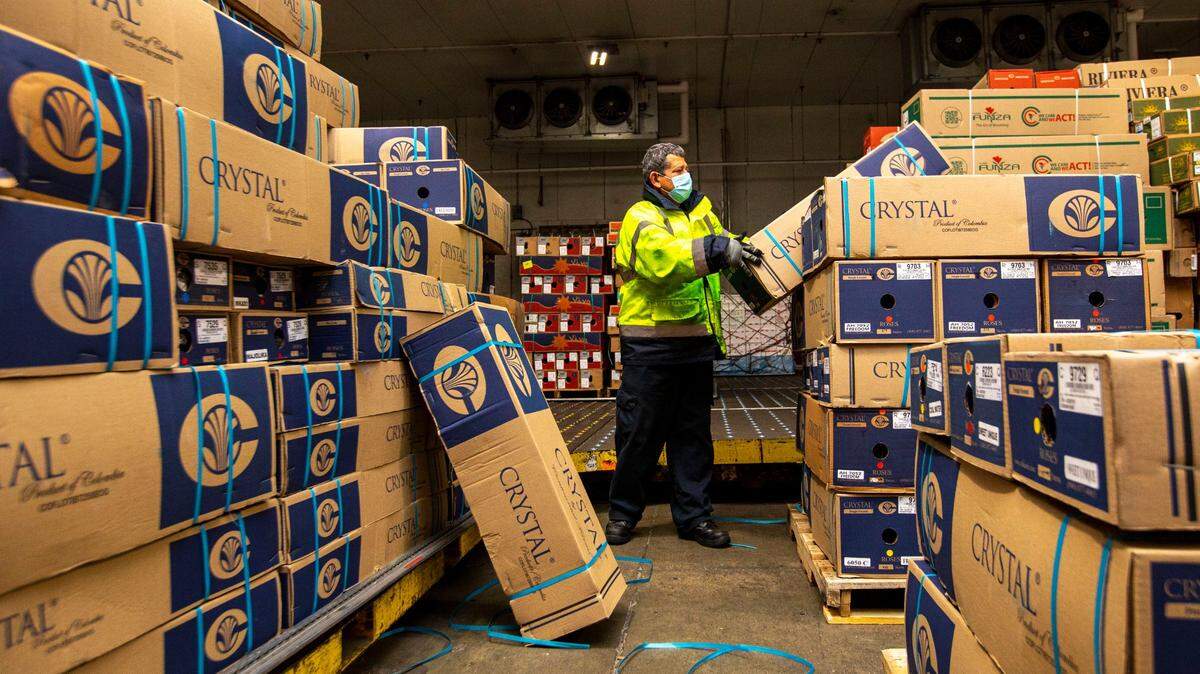
Sinan Tuna said his Turkish cosmetics company Farmasi had one of two choices after leasing warehouse space in Doral in early 2019: continue to pay increasing rent or build its own industrial facility. Tuna chose the latter.
“We don’t like to pay other people for the lease, when we have the capital to build our own place,” the CEO of Farmasi said. “We also can build out a space to our own needs.”
Other businesses and developers are following Farmasi’s lead, after the amount of leased warehouse space last year in Miami-Dade County rose sharply to nearly 8 million square feet.
The county is experiencing record-breaking demand for industrial real estate, including warehouse, manufacturing and distribution space, said Erin Byers, Colliers managing director for industrial services.
According to early first quarter 2022 data, the county has 224 million square feet of warehouses with a vacancy rate of only 2.6%. That’s the lowest vacancy rate for the county in at least six years. Last year, there was 7.8 million square feet of industrial space leased, beating the historic high of 4.3 million square feet in 2015, according to the latest report from JLL, a commercial real estate property manager.
Demand continues to push up asking rents for warehouses, especially from e-commerce and home improvement tenants searching in Medley and Hialeah Gardens. Warehouse owners want an average of $10.39 per square foot triple net, meaning tenants agree to pay all property expenses such as real estate taxes, insurance and maintenance. That’s the highest asking rent in the last three years, and a 19% jump from asking rents of $8.70 during the first quarter 2021.
The brisk activity and soaring prices in Miami’s industrial real estate market parallels the office and residential rental markets. It makes sense, Byers said, since all three are influenced by the region’s population growth.
“Every household has a certain level of consumption. The more people that are here, the more need there is to store our goods,” Byers said.
“A lot of people don’t realize that everything that we consume, from the pen on your desk to the cup your coffee is in, all goes to a warehouse before going to your home. Every person can increase the demand for goods. As people continue to move here, we’re going to see the demand grow.”
Population growth prompted industrial developers The Easton Group and LBA Logistics to build more speculative warehouse space, an indicator of the strong demand. Easton and LBA dropped $29 million on a 26-acre site in Hialeah to build two warehouses totaling 460,000 square feet. Construction is expected to start in late 2022 and take two years to finish.
Usually considered a risky endeavor to build without first signing on a tenant, Edward Easton, founder and chairman of family-run The Easton Group, said demand has surged for warehouse space since the onset of the pandemic in early 2020.
“COVID has helped us. People started storing more goods in fear of not getting the supply. I expect the same for 2022,” Easton said. “The demand seems to be off the charts for 2022.”
Warehouse buyers and tenants will be there when Easton and LBA Logistics’ projects are finished with the Hialeah buildings, as well as the 4.3 million square feet of industrial construction in the pipeline, said Alp Kucukoner, broker at Smart Luxe Realty.
Kucukoner works with prospective residential and industrial buyers from Austria, Germany and Turkey. Interest has increased since the pandemic, leading to as many as 10 calls a day from potential buyers.
Real estate demand from this group will keep increasing, Kucukoner told the Miami Herald, because after the Turkish and Europeans move to Miami, their contacts usually follow.
As for Farmasi, Tuna said the cosmetics firm plans by April to start building its 80,000-square-foot warehouse in Sweetwater. After completion by early 2023, the company will close out of its lease and relocate 165 employees to its own warehoue.
“It’s not our first or last investment,” Tuna said. “Miami was underrated for so many years. Everything is going up in Miami. We wanted to invest in land and real estate.”
This story was originally published February 15, 2022 at 6:00 AM.