Phil Collins’ former Miami Beach mansion meets its fate. Here’s the decision
A Miami Beach board on Wednesday cleared the way for the demolition of musician Phil Collins’ nearly 100-year-old former home, a move that was opposed by preservationists.
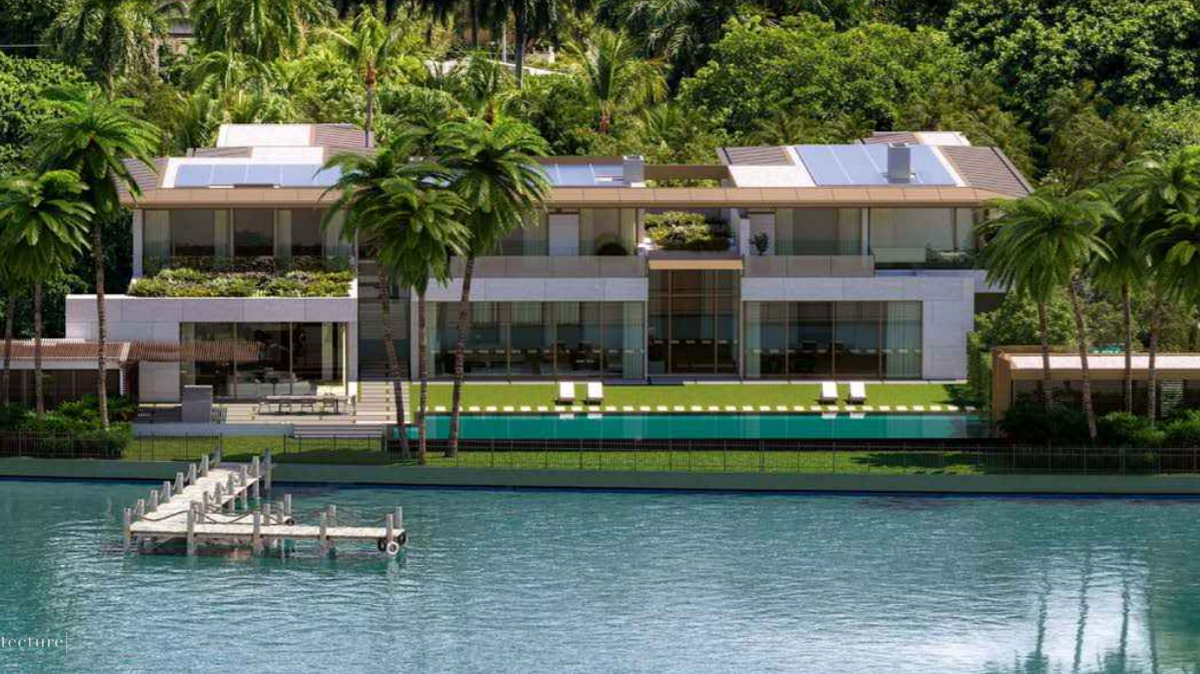
The Miami Beach Design Review Board unanimously voted — 6 to 0 — in favor of billionaire financier Orlando Bravo’s design for his family’s primary residence, replacing the existing Spanish-style mansion at 5800 North Bay Rd. with a modern home.
Bravo, co-founder and managing partner of the Chicago-based private equity firm Thoma Bravo, and his wife, Katy, submitted plans to build a 2-story house on the site with five bedrooms, five bathrooms, a dining room, family room, living room, playroom, cinema and bar, according to the plans submitted to the board in August. A detached two-story garage would have staff quarters and a separate two-story building would house two guest suites and two home offices.
“We fell in love with the lot,” Bravo told board members. “It combines the two things that I love: on the east side you get a sense of calm and, to the west, you get a view of progress.”
Bravo bought the house for nearly $40 million in January from Take Me Home crooner Collins. Bravo also later announced plans to expand his firm to Miami, signing a lease for a third Thoma Bravo office in 830 Brickell.
The former Collins home has two stories with six bedrooms, eight bathrooms, one half bathroom, a pool, koi pond and dock. Originally built in 1929, the house sits on 1.21 acres and has views of Biscayne Bay and the Miami skyline. It was expanded upon in 1986 and 1987, according to property records.
Most of the existing house’s historical features, according to Bravo, were removed in 2006.
“It made me feel better that I wasn’t demolishing something historic,” Bravo said. “All of the historic characteristics were taken off.”
The next step will be for Bravo to submit a building permit application, said a City of Miami Beach spokesperson, and then demolition and new construction can start.
Bravo submitted 24 letters of support from neighbors to the board, some of whom called in to the meeting to express their approval of the plans.
“We are extremely grateful for the overwhelming support from all of our immediate neighbors,” Bravo told the Miami Herald by email. “Everything we embarked upon was done by the book, proving that ethics and facts always speak for themselves.”
Some preservationists challenged the project, including Miami Design Preservation League’s Executive Director Daniel Ciraldo.
“I don’t know how a home the size of a Publix helps us become an environmentally friendly city,” Ciraldo said at the meeting.
Ciraldo told the Miami Herald that his league has about three weeks to submit an appeal to the board’s decision, an option it’s contemplating.
This story was originally published October 20, 2021 at 12:49 PM.