Inside the last Sears: How a dominant Miami department store has changed. What’s next?
It’s 1959 and the Sears at Douglas Road and Coral Way is the most popular place around. People swarm the department store for just about everything.
Crowds line up at the candy counter. Drivers wait for their new tires as they browse the fashions. Shoppers even buy car insurance from an Allstate booth.
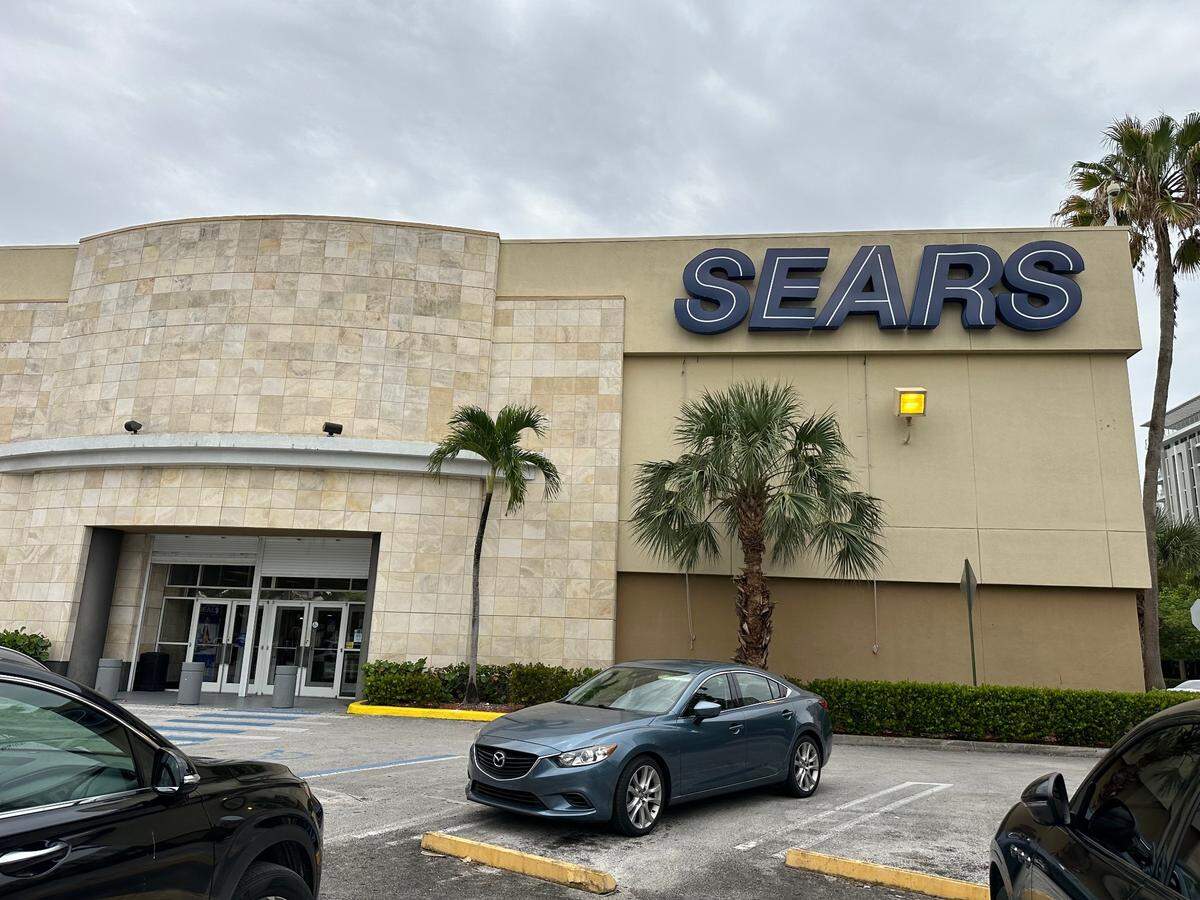
Flash forward to 2024: This Sears store, on the Miami-Coral Gables border, sits mostly empty and silent, the last one standing in South Florida and one of only 11 left in the United States.
For more than a decade, Sears has been shutting down its stores, one by one by one. But old and devoted customers remember what once was.

Sears and the first Barbie
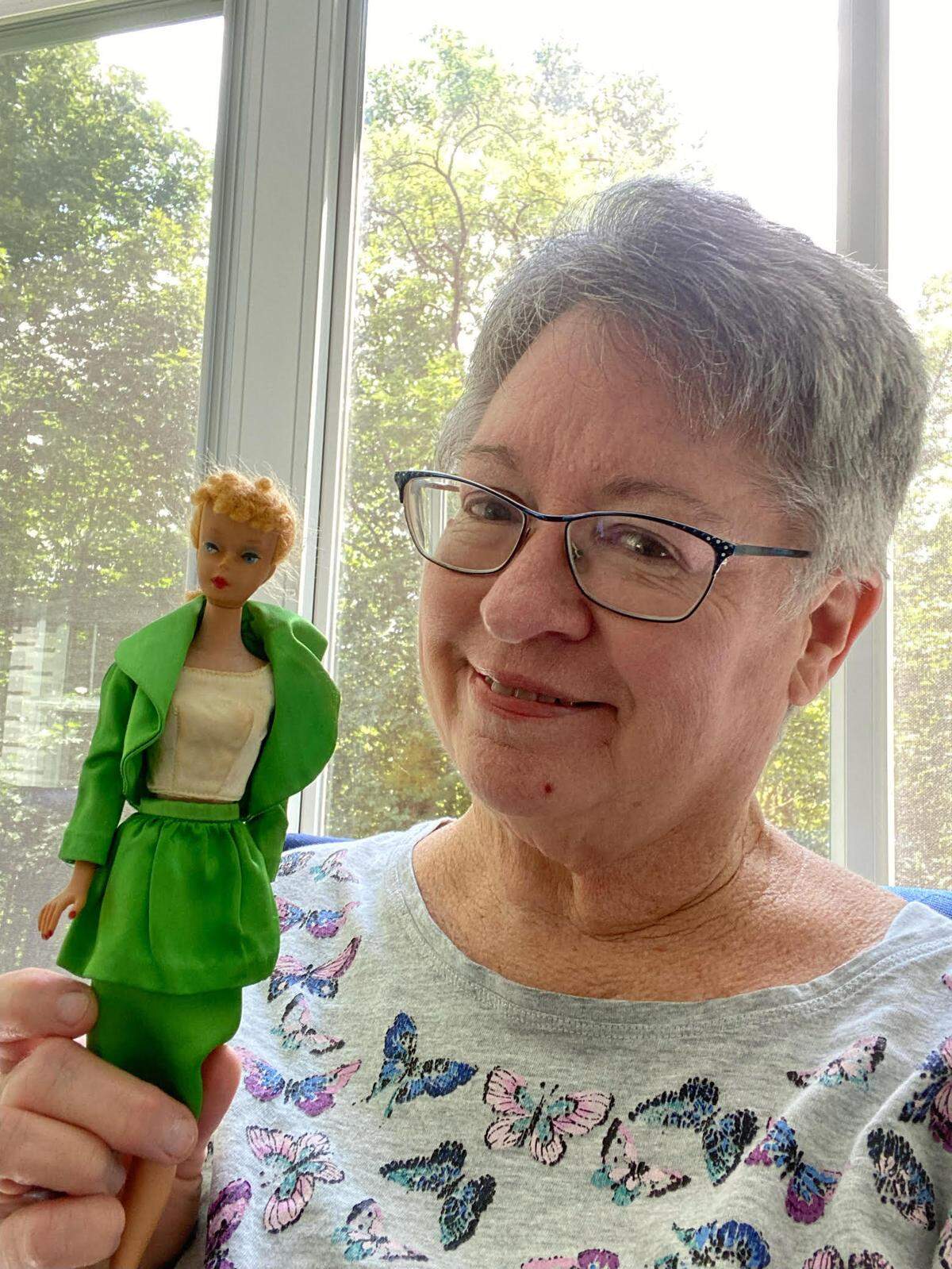
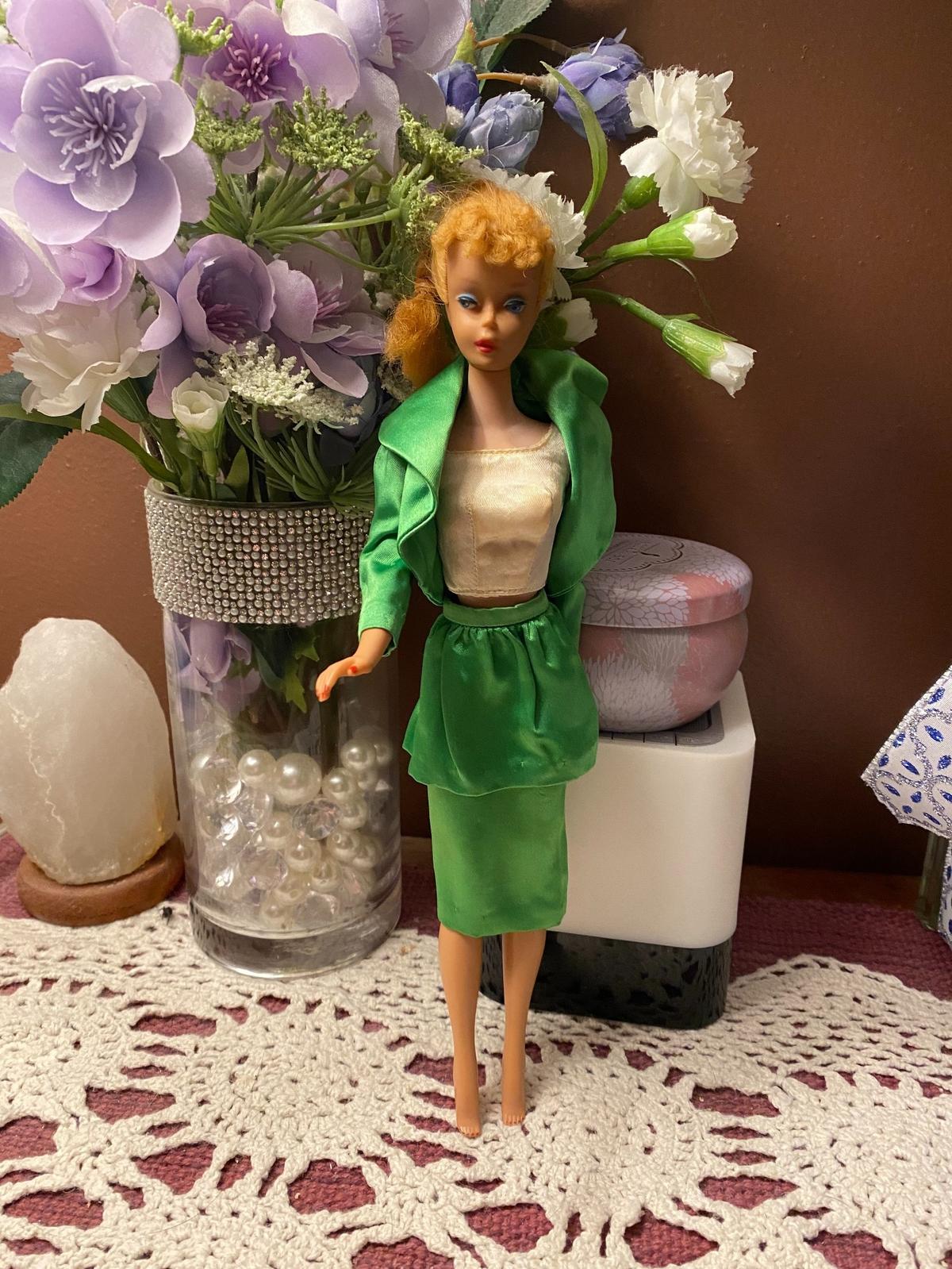
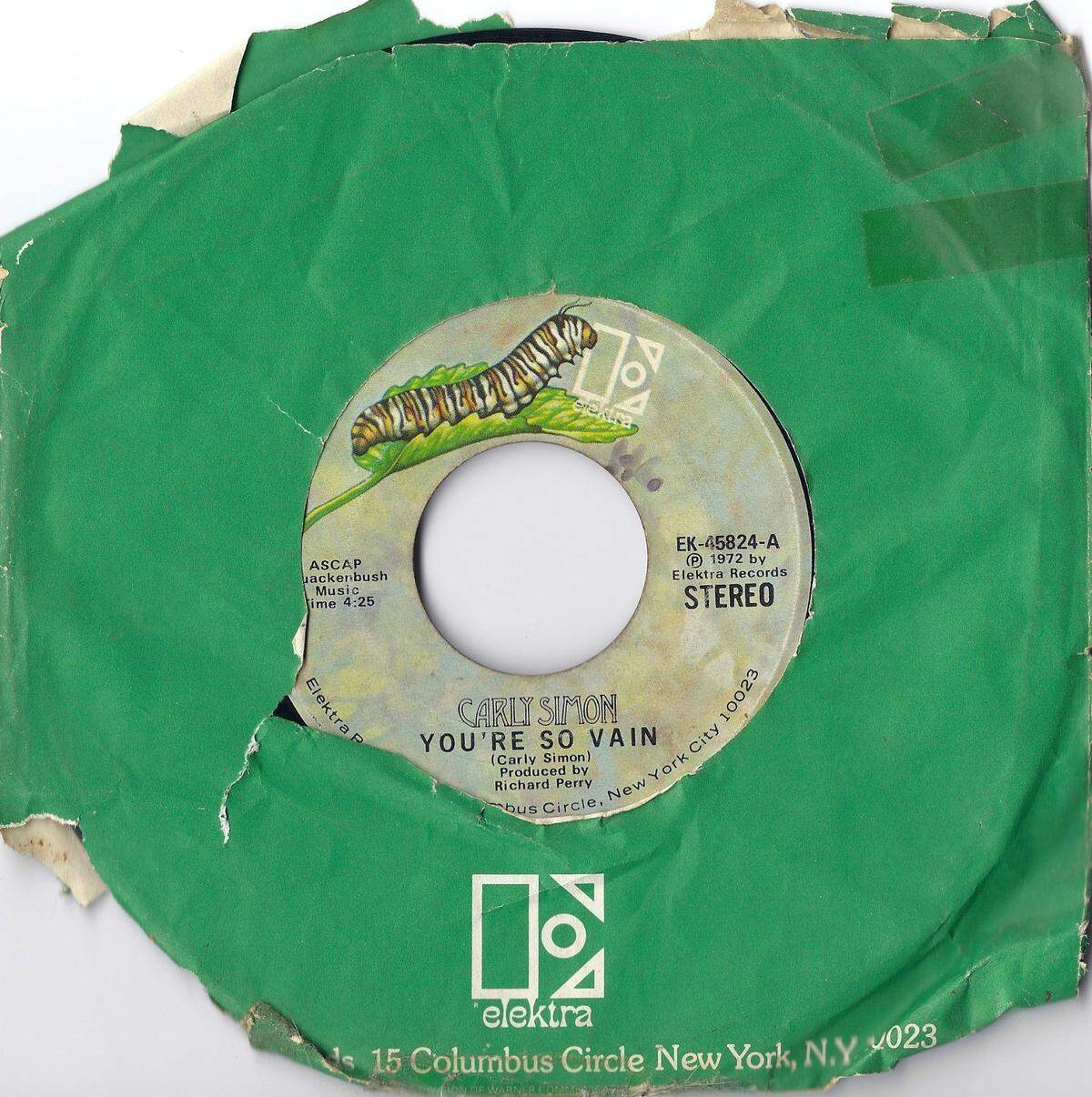
Back when the Miami Sears store was new, families paged through the mail-order catalog, about the size of a phone book and a precursor to modern-era Amazon. Kids started a music collection by selecting their first 45-rpm single in the record department. And they bought their first Barbie doll in the toy department, the year California’s Ruth Handler of Mattel created and released the most popular 11-inch fashion figure in the world.
“I have great memories of Sears growing up. I did get my first Barbie in 1959 when I was 6 years old at the Sears in Coral Gables,” Barbara Tomson said in an email interview with the Miami Herald.
And she still has the doll to prove it. Tomson is 71 now and lives with her husband in North Carolina, having moved from Miami in 2000. But memories of the last Sears standing in South Florida resonate with her.
“I remember the toy department was nice because it had a lot of glass window panes and it was full of toys,” Tomson said. “My family lived in Coral Gables at the time so Sears was our main store. Even when we moved to Kendall, my mother dragged me back to Sears for all my school clothes. You know those plaid dresses little girls wore in the 1950-60’s? All my and my brother’s school clothes were from Sears.”
The last Miami Sears
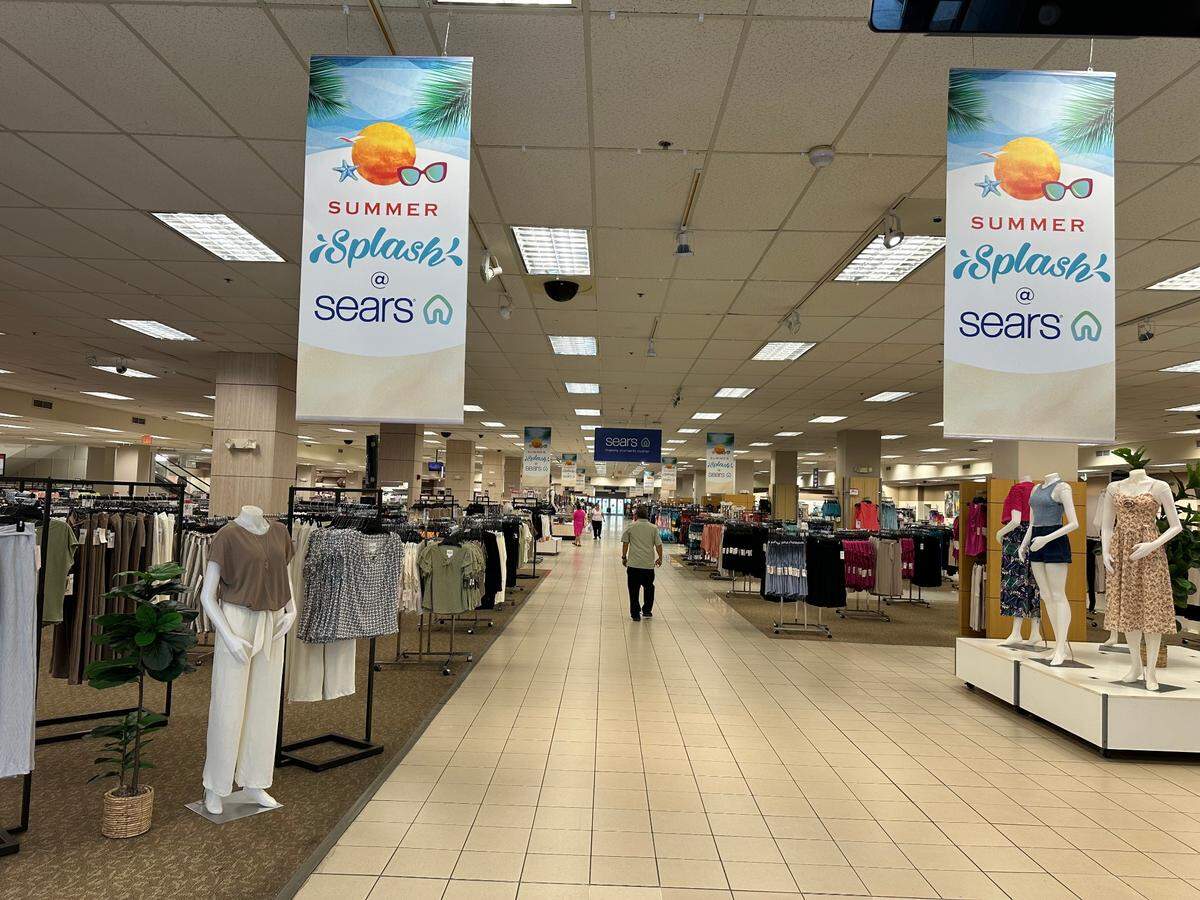
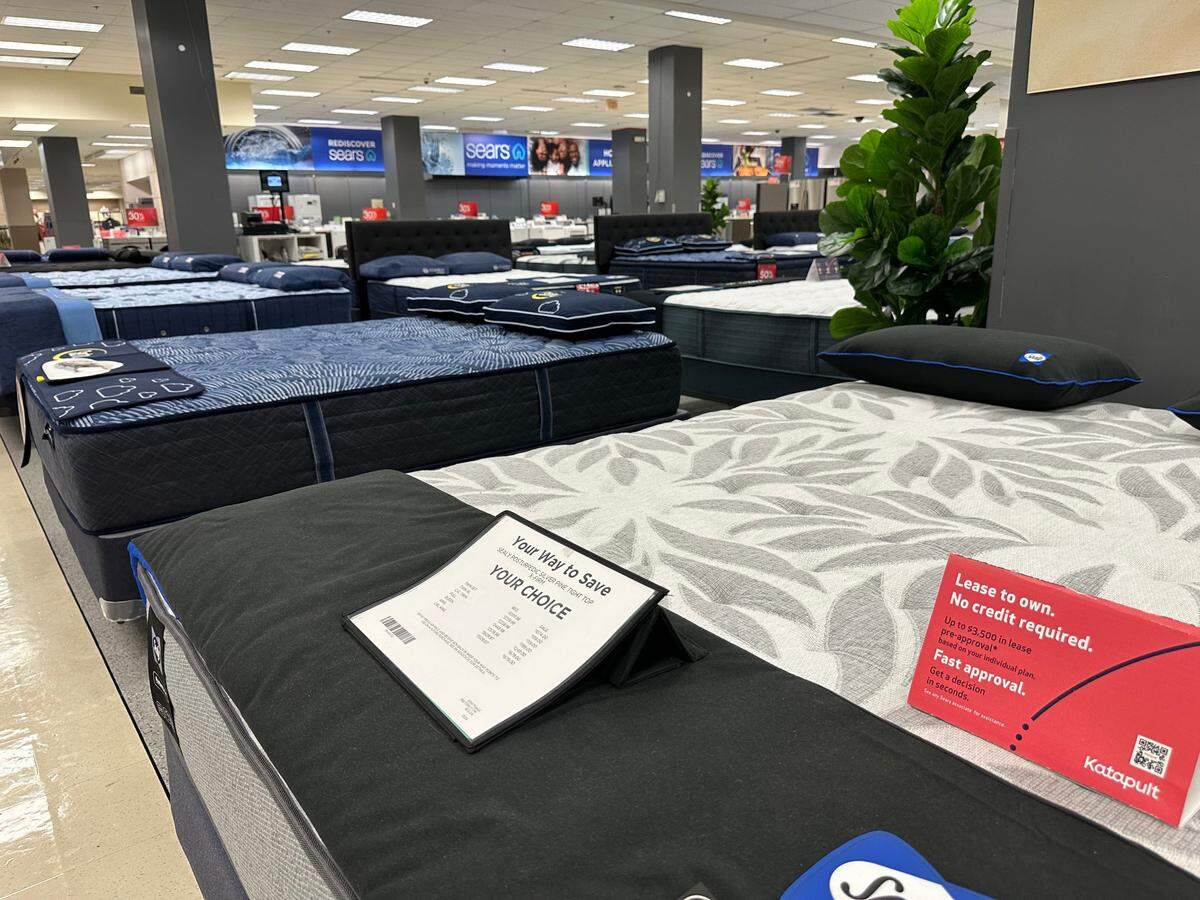
That isn’t the Sears she’d encounter today. Aisles with few customers. Unlit signs in the parking lot. Fewer departments across the two floors. You won’t find TVs for sale here anymore. Forget a Winnie the Pooh clothing section, or Barbie dolls despite last year’s popular movie.
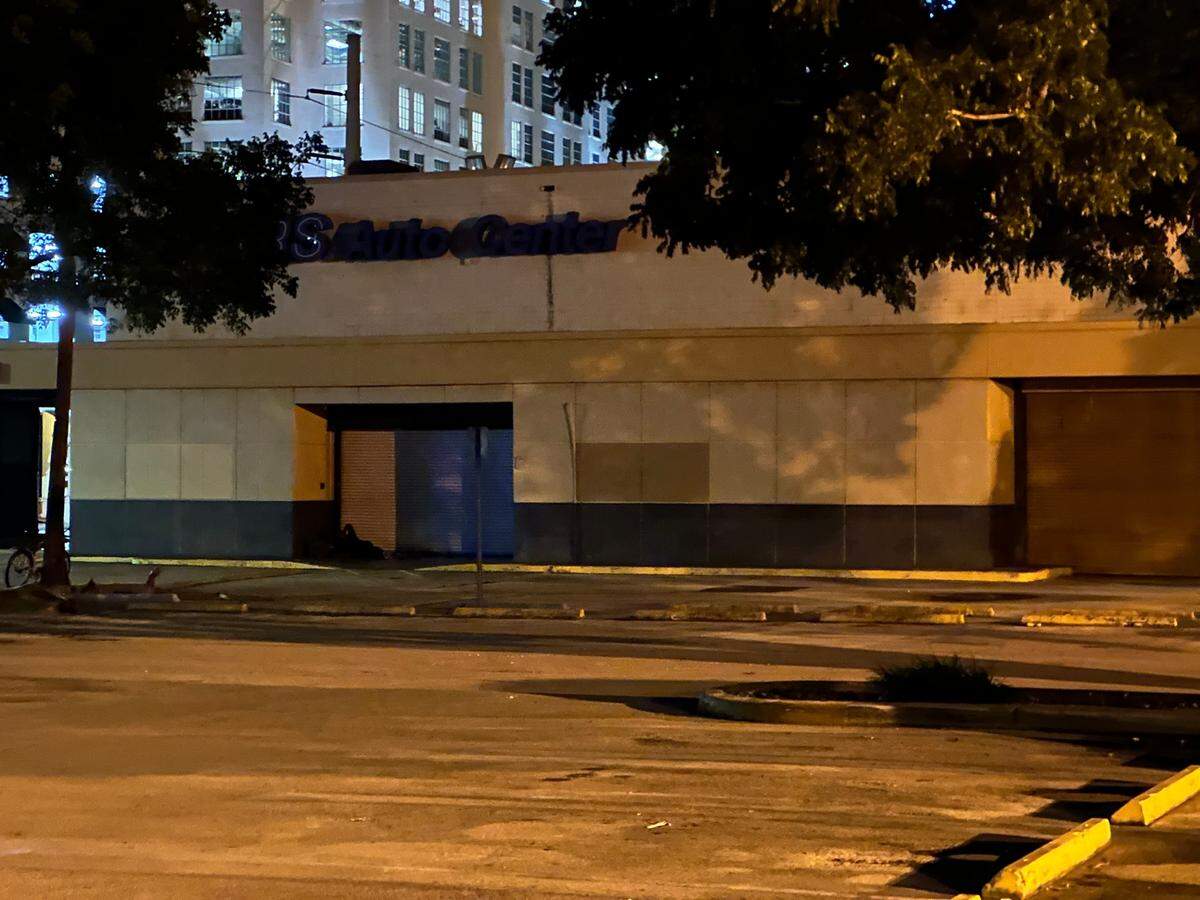
And the Sears Auto Center in the side rear parking lot where so many Miamians got their tires changed, DieHard batteries installed and cars tuned up? It’s shuttered.
This is one of the last Sears stores in America and the sole survivor in Miami. The only other Sears in Florida is in Orlando.
As of July , just 11 Sears stores were open for business in the country, according to data company ScrapeHero. At its height, the retail chain — America’s original everything store — had 3,000 locations.
For decades after it began opening department stores in the early 20th century, Sears was the nation’s top-selling retailer until Walmart dethroned it in 1991. At the peak, by 1972, more than half of all U.S. households had a Sears credit card. In any three months, two out of three Americans shopped at Sears. Sales accounted for 1% of the Gross National Product, the Miami Herald reported.
But decades of changes in the way Americans shop dulled Sears’ iconic hold on the public. We’ve shifted from going to the store to clicking the “buy” button on our smart phones for next-day Amazon delivery. Plunging sales and financial losses led Sears, which had merged with struggling Kmart in 2005, to begin closing mall and standalone Sears and Kmart stores. Competition from discount retailers like Target and Walmart also siphoned customers.
In addition, Sears, once an innovator, lost its focus and edge.
The company failed to successfully convert its once-popular mail-order catalog sales tool to e-commerce as Amazon took off. Its stores weren’t upgraded and looked and felt run-down. Sears, in debt, filed for bankruptcy in 2018 and sold off its Craftsman tools line and Transformco acquired Kenmore.
Developers with deep pockets made offers to Sears’ holding company, Transformco, for the spacious and valuable land Sears stores occupied.
Then, the dominoes fell.
The Palm Beach Gardens Sears was the most recent to close, in May 2024.
The Searstown landmark store and its auto repair department that anchored a strip shopping center at Federal Highway and Sunrise Boulevard in Fort Lauderdale since 1955 closed in 2022. The cleared site is now transforming with the construction of apartment buildings, offices and hotel rooms, restaurants and retail shops.
The Key West Sears also closed in 2022.
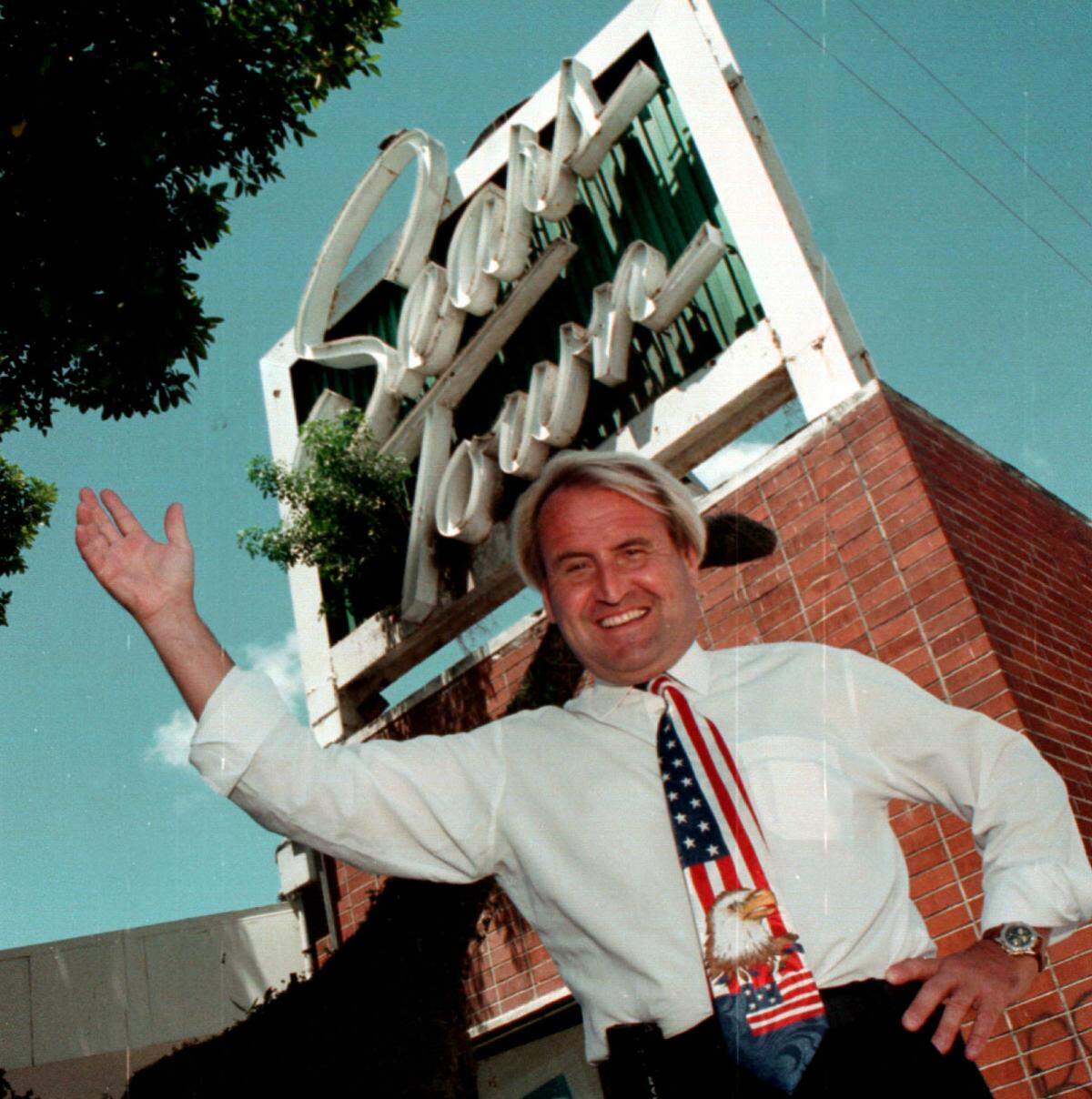
And the most famous one of all in South Florida, the Biscayne Boulevard Sears in Miami on Northeast 13th Street that opened in 1929, closed in 1983. The only remaining portion of that Sears is a preserved Art Deco entrance tower, which was absorbed into the design of the Adrienne Arsht Performing Arts Center in 2001, years after the surrounding store was demolished.
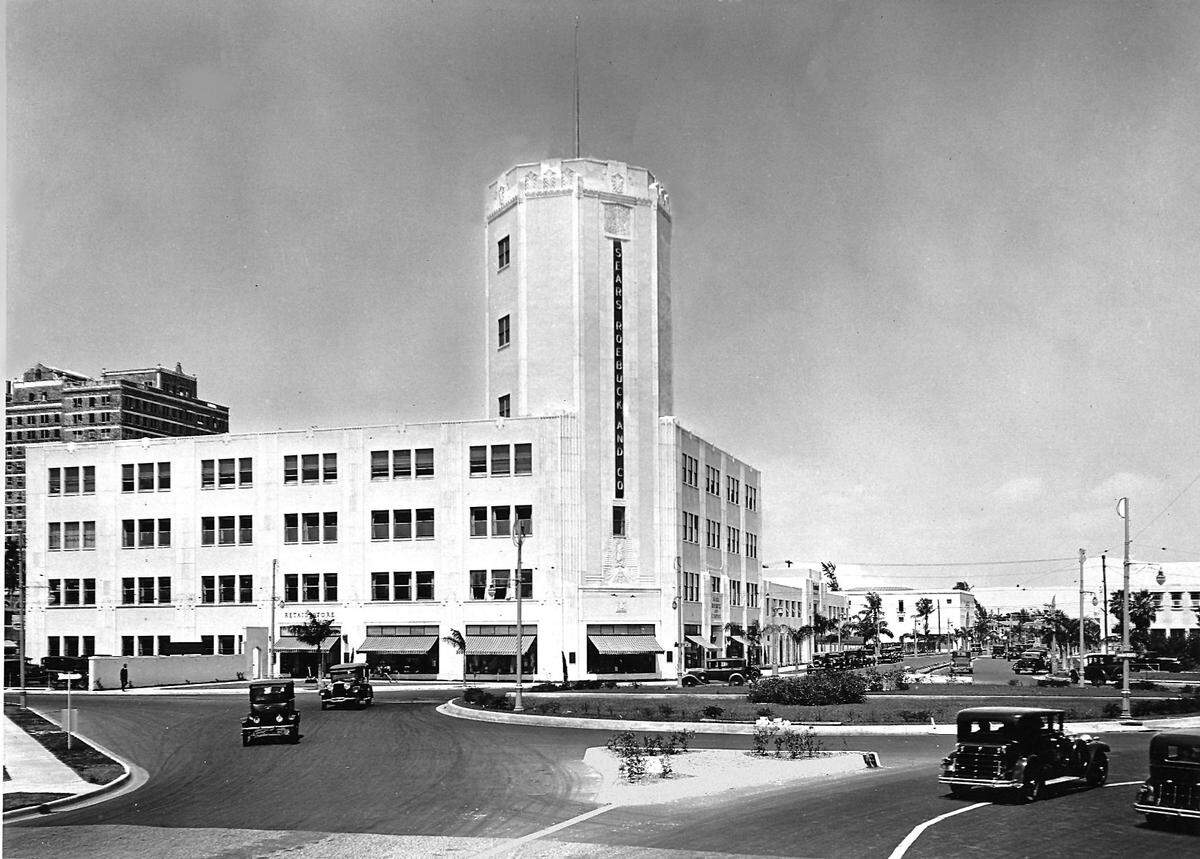
All the other Sears — from Aventura Mall’s store in North Miami-Dade, which was demolished in 2017 and converted into the Esplanade Aventura open-air retail, dining and entertainment village, to the one at Southland Mall (formerly Cutler Ridge Mall) that survived Hurricane Andrew in August 1992 in South Miami-Dade — are gone, too.
Except for this “Gables Sears” survivor. And its days seem to be numbered.
Redevelopment plans at Miami Sears site
The 192,493-square-foot Sears store that for more than half a century has had customers calling it the “Coral Gables Sears” even though it is on the Miami side of the line, may not be long for the street corner.
RK Associates, the current land owner where Sears has been since 1954 at 3655 SW 22nd St., proposes three eight-story mixed-use buildings with 1,050 residential units. The site plan for the 8.1 acres would also feature paseos, courtyards and parking for about 1,924 vehicles, according to paperwork filed with the city’s Urban Development Review Board on June 20.
The redevelopment could take advantage of Florida’s Live Local Act, which allows developers to sidestep local zoning restrictions if they agree to build affordable workforce housing. That’s the law the owners of Bal Harbour Shops, 19 miles north, hope to tap to get around residents’ objections to expanding the posh mall by building a luxury hotel and residential tower alongside the stores.
READ MORE: To get around size limits, Bal Harbour Shops plans workforce apartments at luxe mall
Miami’s Urban Development Review Board recommended approval of RK’s plan for the Sears site with two conditions for the developer: study the intersection of Coral Way and Douglas Road on Southwest 22nd Street and 37th Avenue “and aim for the architecture to be more exciting and prominent at that corner.” Also, “break up the continuous facades of the two commercial buildings along Coral Way,” according to paperwork filed with the city.
RK, based in Sunny Isles Beach, and Sears’ holding company Transformco did not respond to repeated requests for comments or information on if or when this Sears would close. Sears has a lease with RK until 2030 for this location, according to a Miami New Times report in 2022.
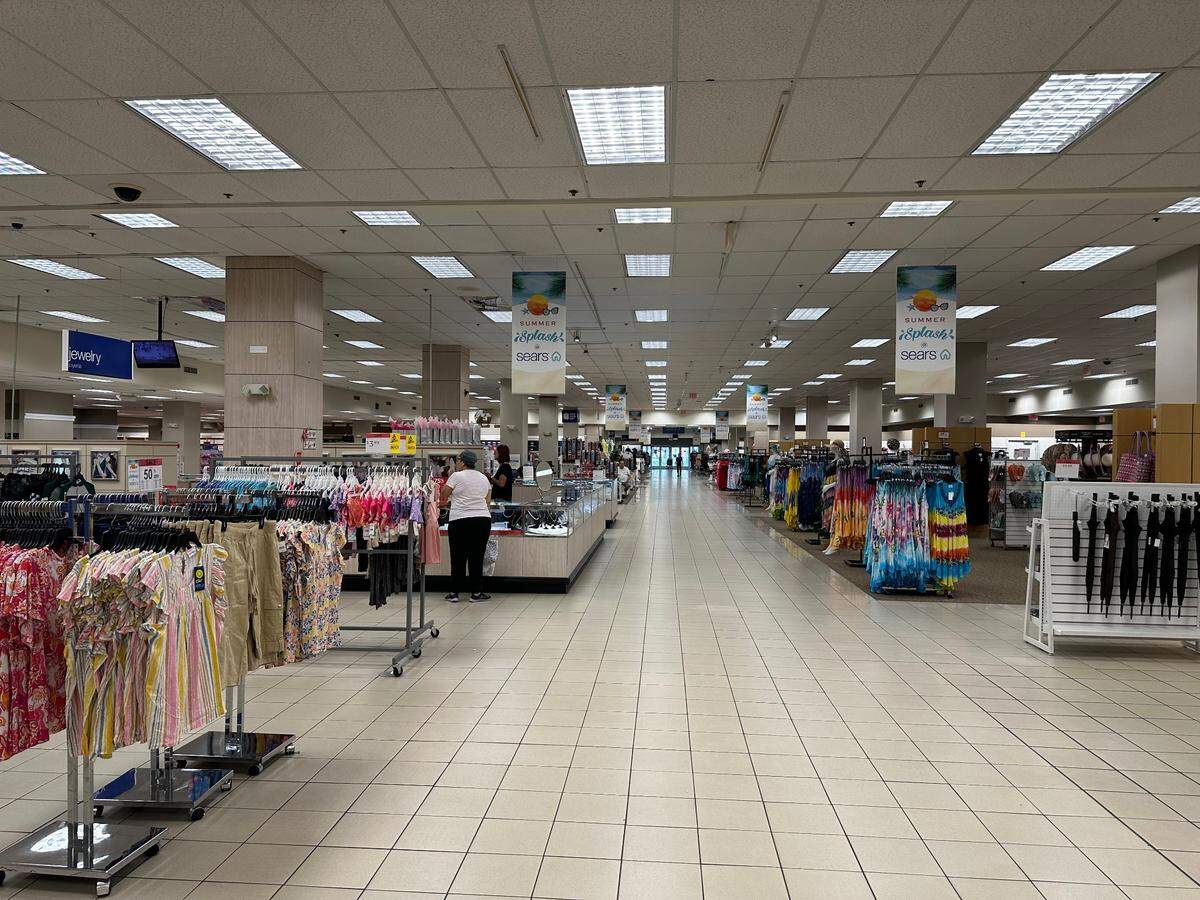
Customers looking for sales at Sears
“I mean, I’m even surprised that it’s still standing,” said Elizabeth Espinoza, a customer who still shops at the Douglas Road Sears. Espinoza, “semi-retired” from a public relations company in Brickell, lives in nearby Coconut Grove and was at the Sears on a recent July afternoon with a relative visiting from Brazil.
“I’ve known Sears for a very long time,” Espinoza, who gives her age as “over 65,” said in a phone interview after shopping. “When it started going south it was very sad, actually, because I always admired the brand.”
She’s been shopping here lately because of the discounts.
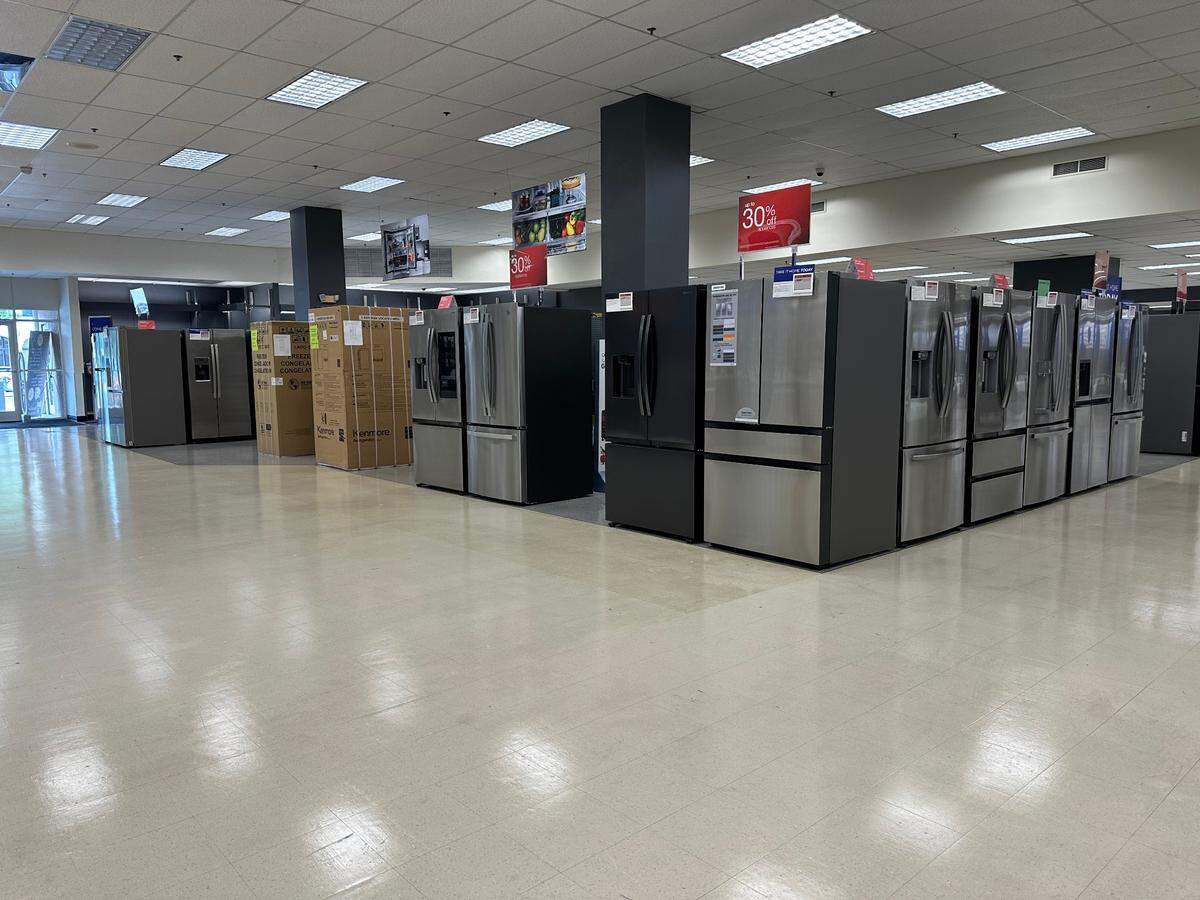
“It almost looks like they’re about to close, and so I know that sometimes when shops are about to close, they slash their prices,” Espinoza said. “Last year, I bought a washer dryer at a huge discount.”
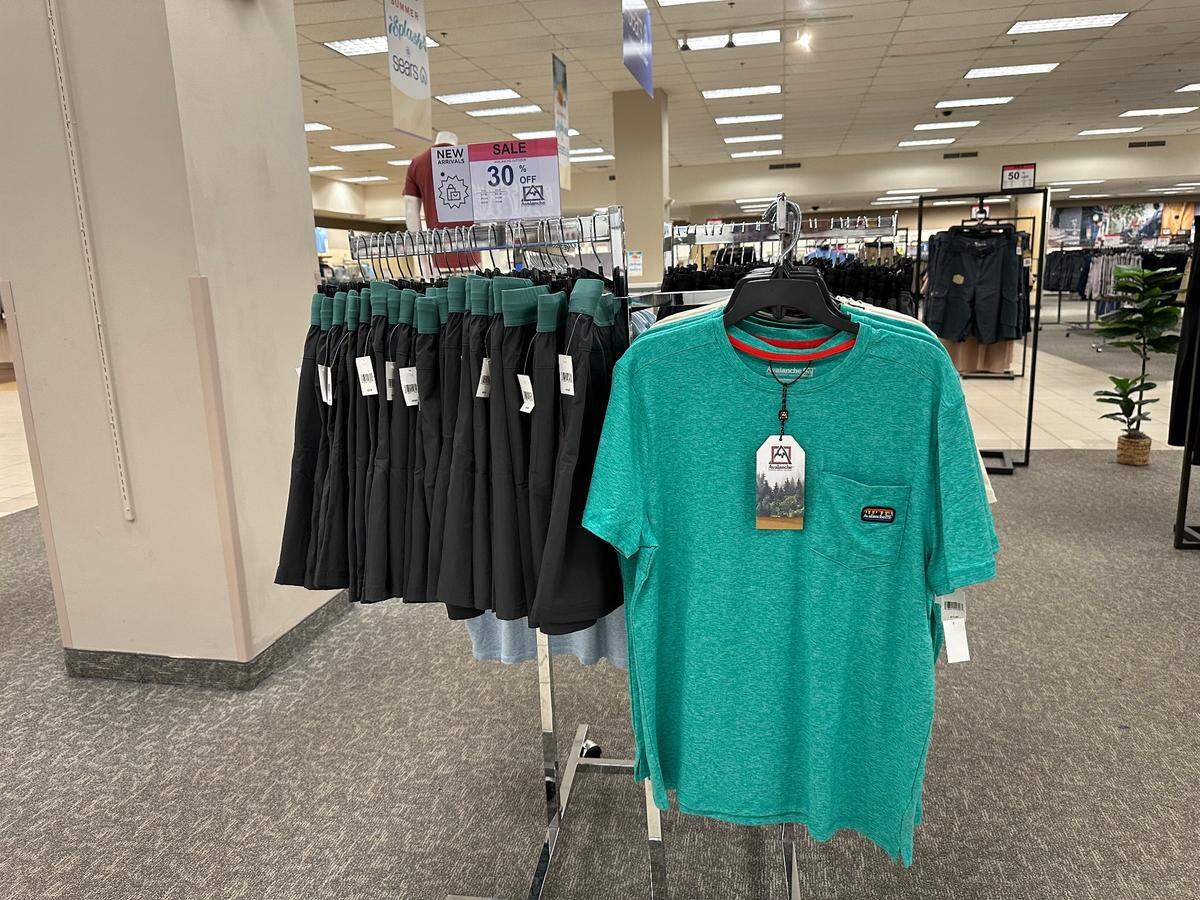
Other signs of a potential shuttering abound: a store clerk, smiling when a customer snatched an Avalanche brand outdoors shirt off the rack for $13.99 — a 30% discount — cheerfully offered him a store hanger as she rang up the sale.
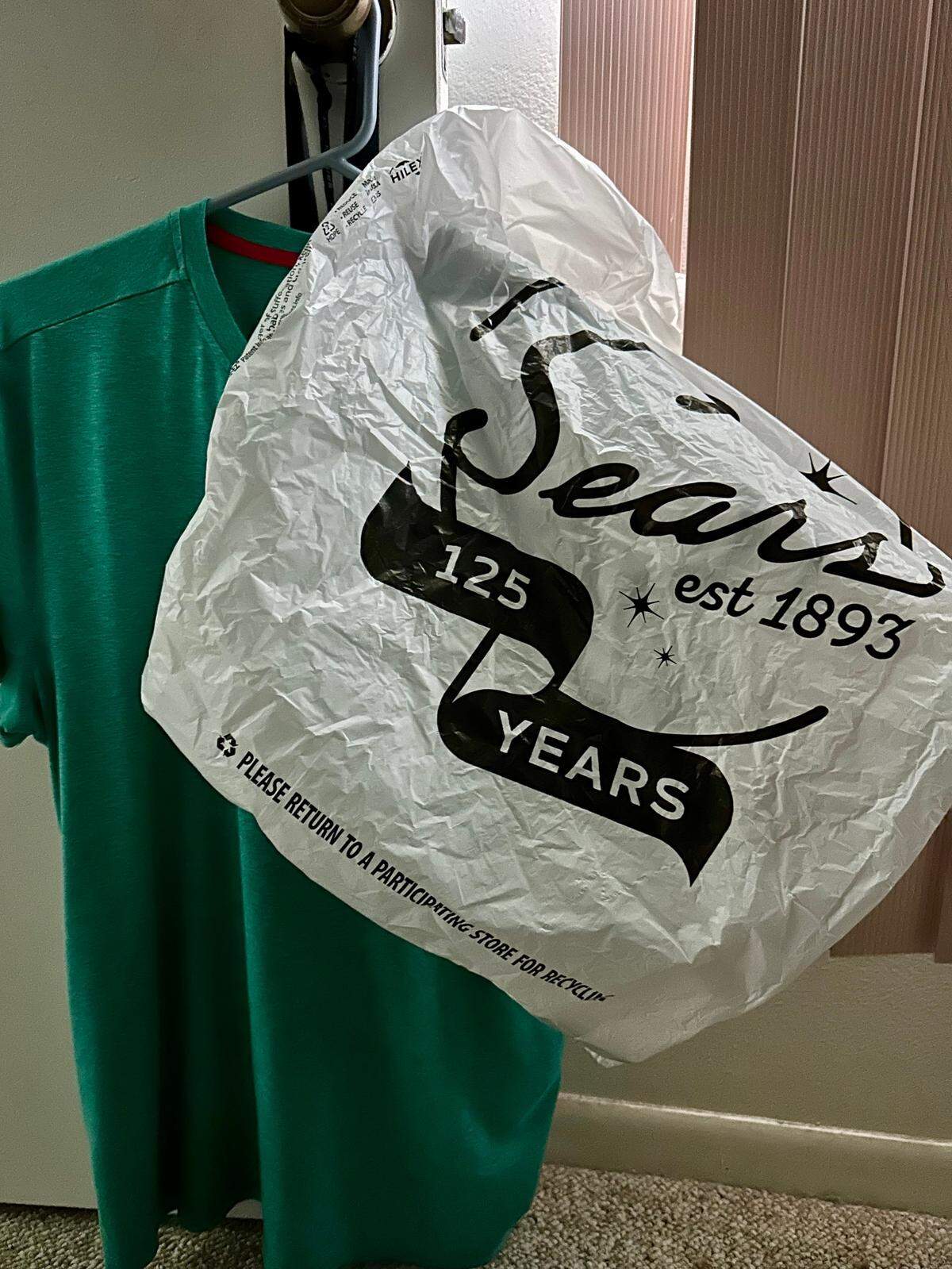
The plastic Sears bag she wrapped the shirt in was emblazoned with a “125th anniversary” celebration design — “est. 1893.” But 125 years after establishing as a mail-order retailer of watches by Richard W. Sears and Alvah C. Roebuck would mean the the bag is a surplus from 2018.
“Final Sale” signs tout shorts for $3.99 and Def Leppard concert T-shirts for $5.99 in the clothing department.
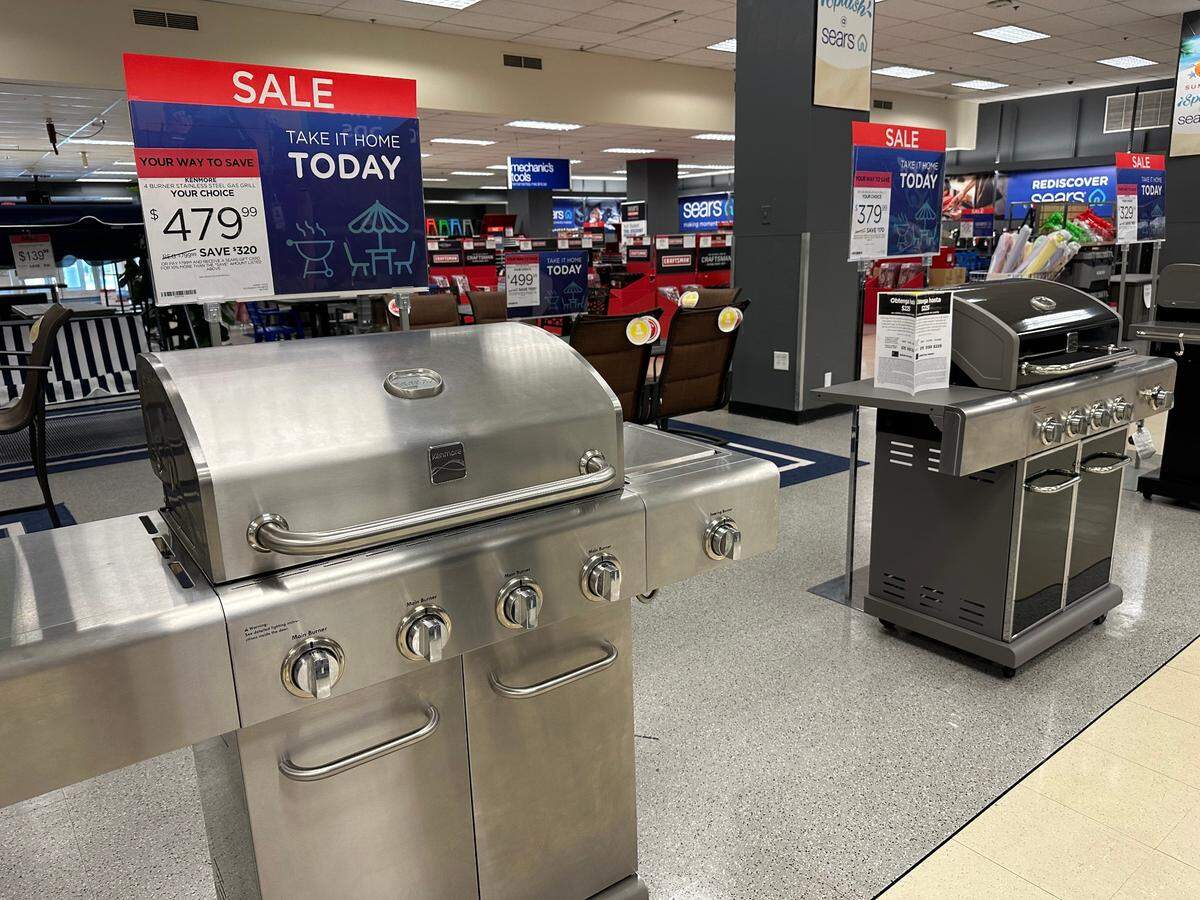
A Kenmore four-burner stainless steel gas grill is marked down from $799.99 to $479.99 — a $320 savings off a brand Sears once owned since selling the first Kenmore product in 1913 (a sewing machine from its catalog). In 2017, Sears sold off its Craftsman tools brand it had established in 1927, but still sells the tools in this surviving Sears.
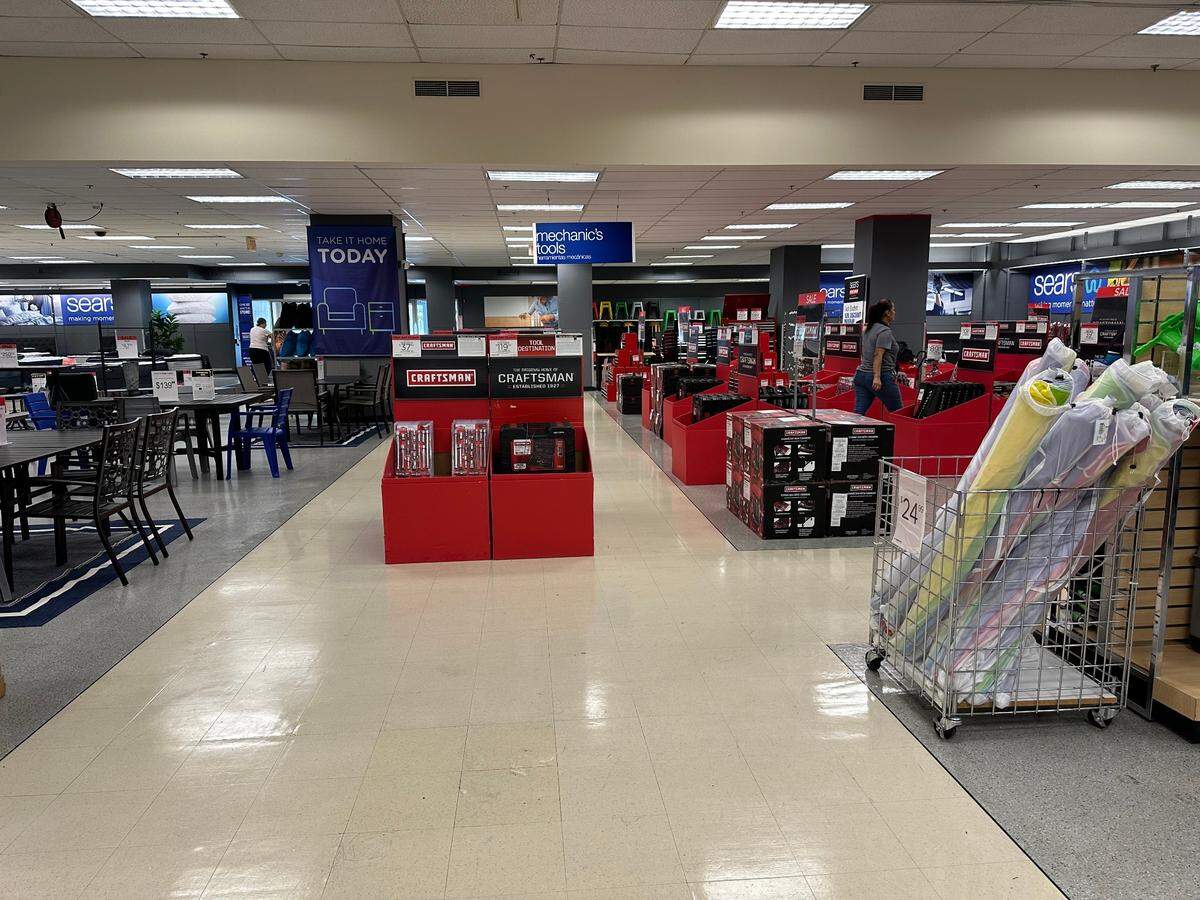
Other signs also point to a wind-down.
The parking lot is dark and the blue Sears sign on the building unlit after the store’s early daily closing times of 6 p.m., slightly later on Friday and Saturday at 7 and 8 p.m.
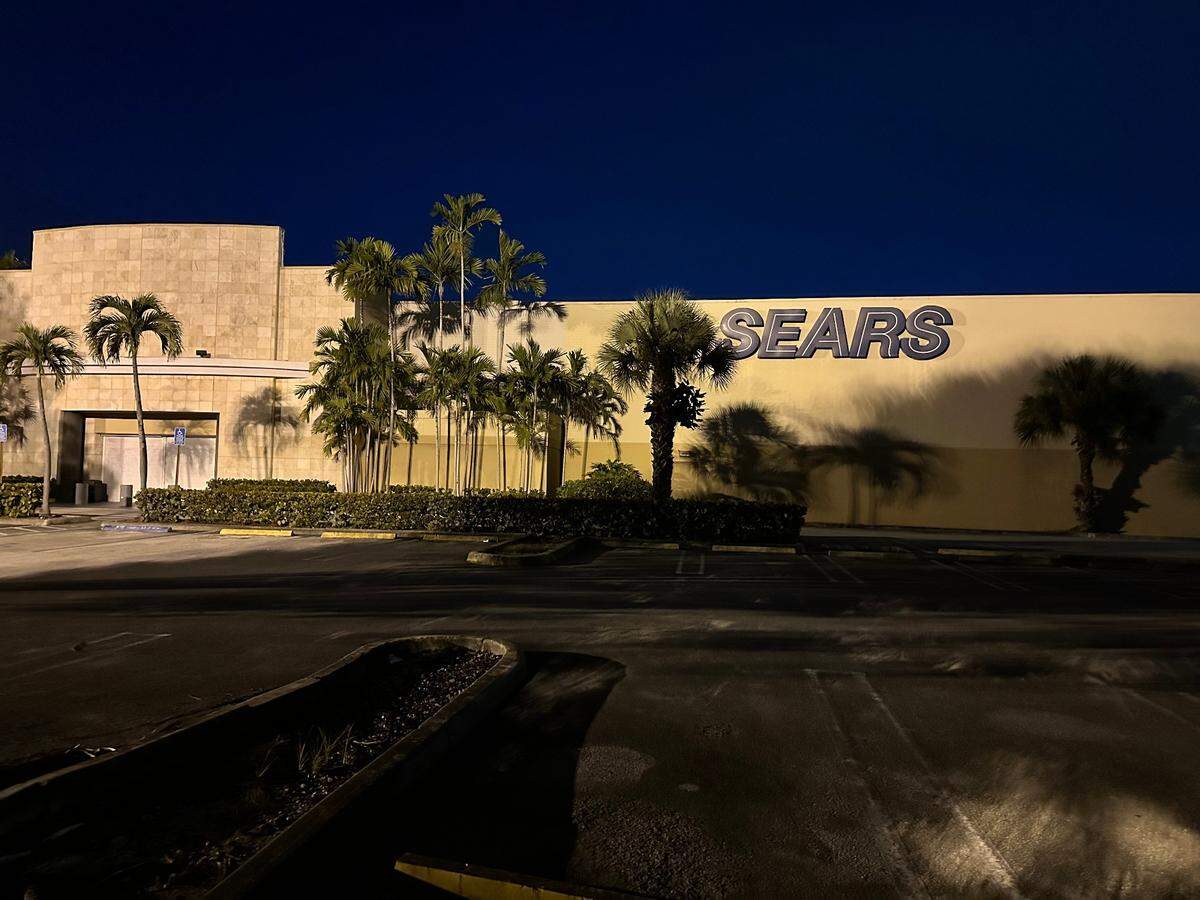
But some customers come anyway, finding an open store, plentiful parking and roomy aisles, if not many employees.
“I grew up going to Sears, and not only that, I had an aunt who, fresh out of college, just basically got a job at Sears and worked her way up to become, like, one of these district managers and stuff like that. So it was really sad. It’s really sad to see these institutions sort of go away,” Espinoza said.
She said the last store in South Florida is “definitely suffering because there aren’t that many people helping customers. You’re pretty much on your own. There’s one or two people behind the counter, and you might be lucky to find somebody they can flag and sort of ask questions. It’s dying a slow death.”
Memories made at the Miami Sears
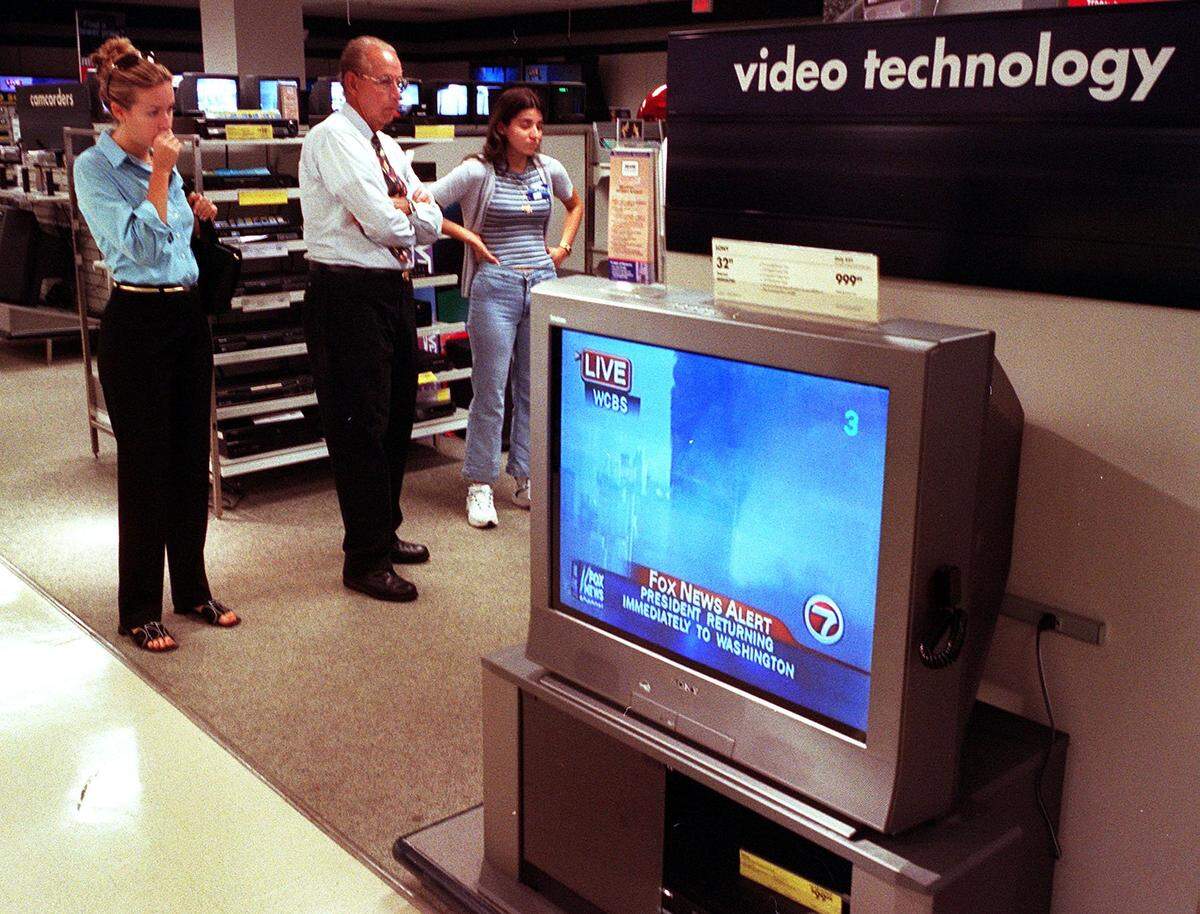
The last Sears standing in Miami also doesn’t smell. Doesn’t smell of anything.
For many older customers of this 70-year-old surviving Sears, a block east of Coral Gables’ Miracle Mile, that lack of a definable aroma may be disappointing.
But there’s a phantom smell. A tantalizing, nose-massaging sweet ‘n’ savory scent that drifted throughout Sears from its popcorn, nuts and candy counter, not unlike the memory of freshly baked bread floating over U.S. 1 from the ovens of Holsum Bakery in South Miami five decades ago.
Call the olfactory Sears sensation a sense of home. Comfort. Stability.
“The candy counter was great and had the best malted milk balls. Even when I got married years later and pregnant, I made my husband stop by Sears and get the malted milk balls,” said Tomson, who bought more than her first Barbie here.
She’s recalling a candy shop section of Sears that beckoned from a whole central aisle between the escalators. In addition to the malted milk balls, that candy section boasted double-dipped chocolate peanuts, fresh popcorn, fancy roasted mixed nuts, bulk candies and bridge mixes along with varieties of Brach’s. You’d munch in the store and carry the leftovers home in gaily designed orange and white striped bags.
“The escalator sort of scared me as a little kid,” Tomson said. “It’s too bad they want to tear it down since it’s probably a historical site by now.”
Alas, this Sears is not designated among Florida’s National Register of Historic Places. The Biscayne Boulevard store is, which is why its distinctive tower was preserved and incorporated into the design of the Arsht Center.
Not all of the fondest “Coral Gables Sears” memories revolve around the nose. Sometimes it’s a tugged heartstring.
Westchester native Liz Nolan, 64, remembers how special the Miami Sears made it for children who wanted to buy and surprise their parents with a gift at Christmas. The store sponsored a section featuring specially priced items set aside for children who could come in, make a purchase with their savings, and surprise their parents come the holiday morning.
“I thought that was so beautiful because nobody else was doing anything like that at the time,” Nolan said in a phone interview. She doesn’t recall precisely what she bought for her parents but does remember going to the store, clutching her filled cigar box of coins, with a neighbor to surprise her parents with her gift.
“I remember feeling so proud because I had a cigar box worth of pennies and I could buy something for them without them knowing because the neighbor took us and I just remember feeling so privileged and to have that memory of Sears. Your parents do so much for you and then for us, as kids, to be able to try to do something for them for Christmas was just such a treat.”
The ‘Gables Sears’ history
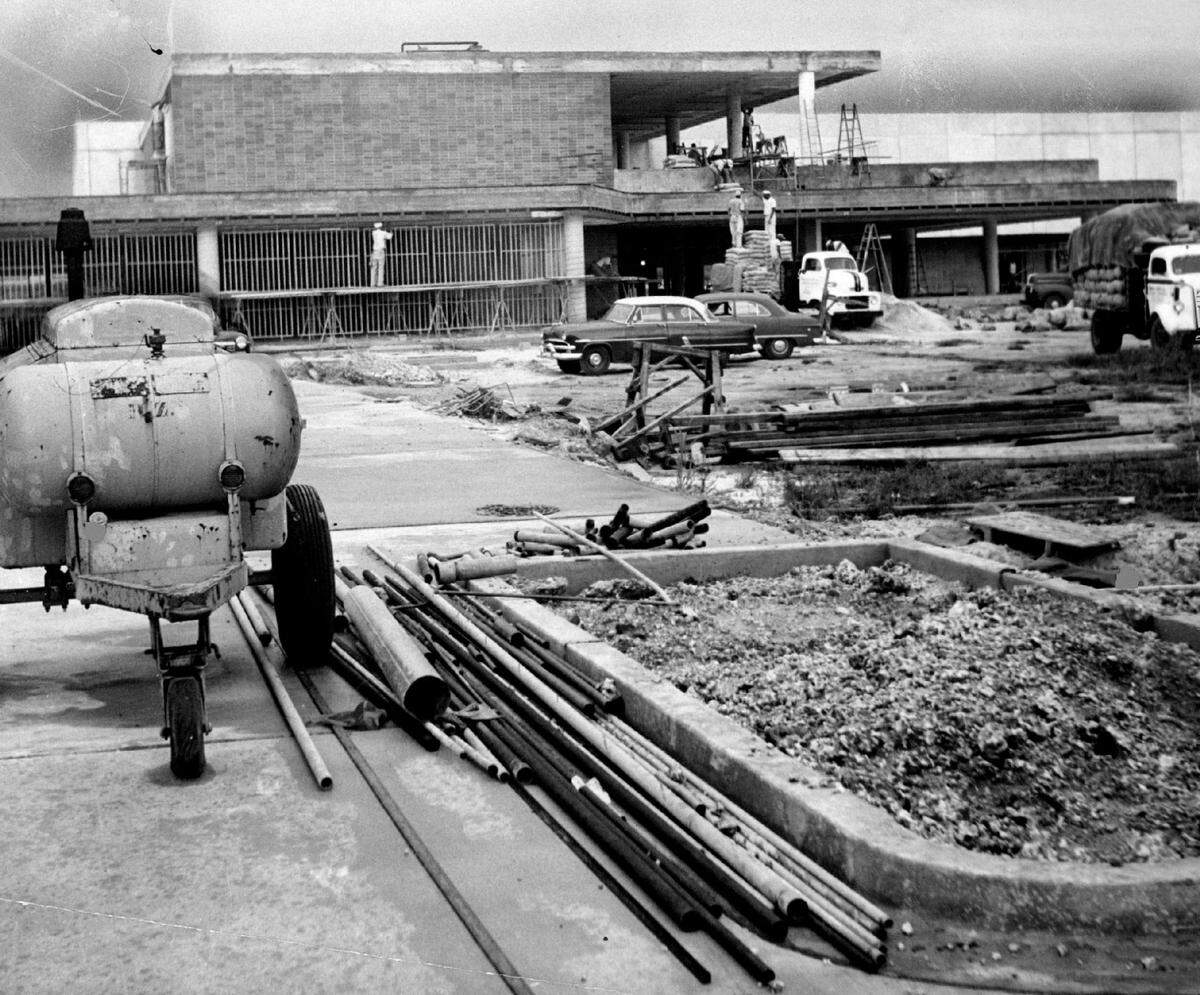
Whatever awaits the Sears property isn’t the first big project envisioned for the site.
According to Miami historian Paul George, the portion that Sears built on in the early 1950s was considered by the Miami City Commission to be the site for a new Orange Bowl. The original Orange Bowl in Little Havana opened in 1937 as Roddey Burdine Stadium. In 1949 it was renamed the Orange Bowl and stood until 2008, demolished and replaced with the Marlins baseball stadium.
“The Sears store sits on land that was undeveloped till immediately after WWII,” George said. “That undeveloped land from time to time hosted the Ringling Bros. Barnum and Bailey Circus. That same parcel of land extended as far north as Southwest 16th Street. The northern portion of it was developed into Coral Gate beginning in the late 1940s. Coral Gate was aimed at vets armed with the GI Bill of ‘44.”
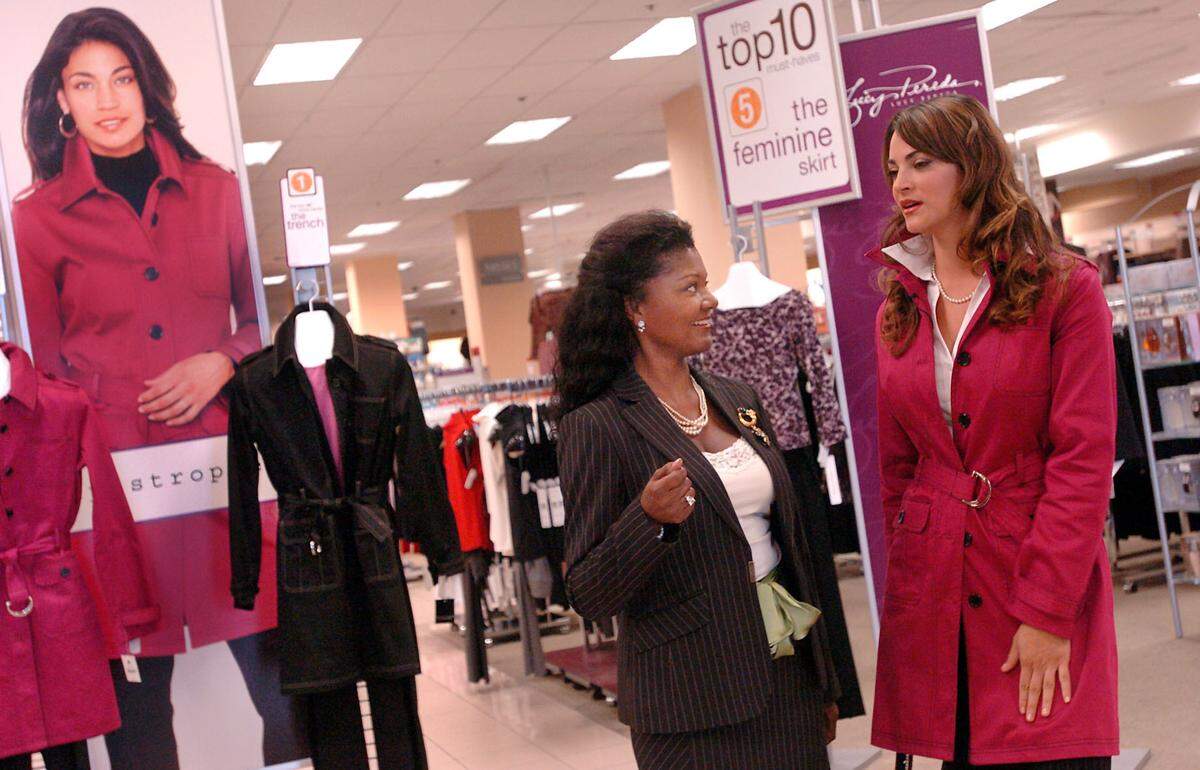
The store’s location near the busy LeJeune Road thoroughfare leading from Miami International Airport five miles away also made Sears a popular destination with tourists who arrived fresh from their flights to stock up on goods, lured by the familiar department store name.
“What made the Sears store so distinctive was its size, its vast array of products and services and its location on the eastern edge of Miracle Mile and the Gables,” George said. “Just south of it were the beautiful ficus trees in the median of Coral Way.”
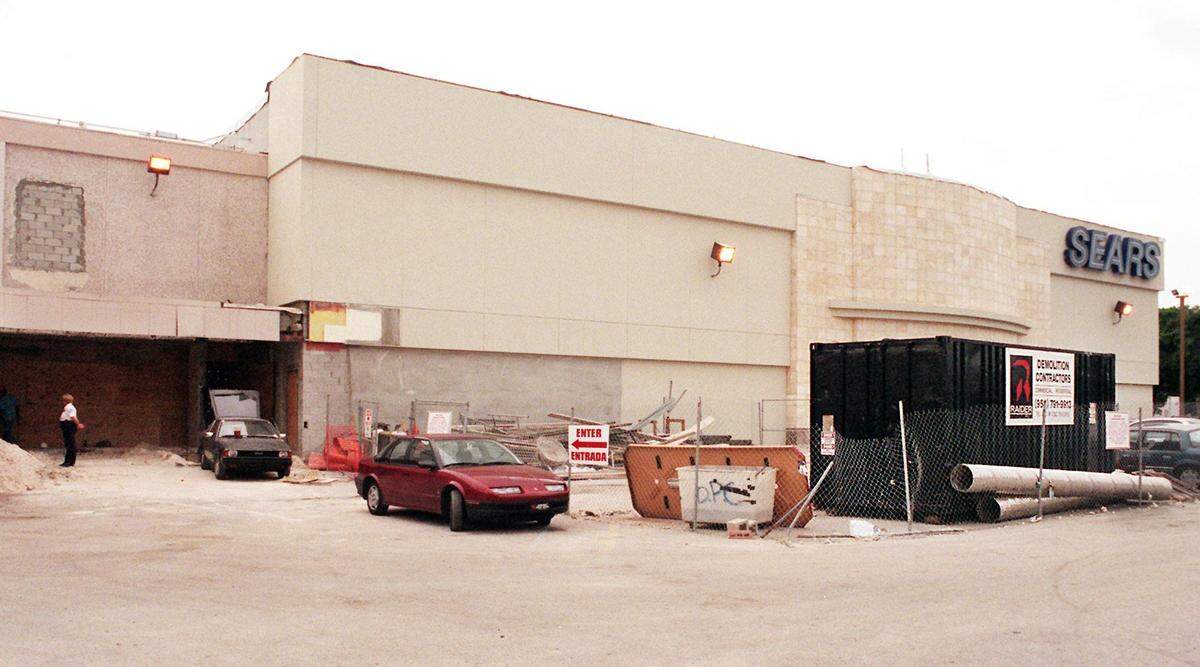
He says he bought everything there: Levi jeans, appliances, beds and tools. And he got his watches repaired and bought his tires for the family cars there, too.
“It seemingly had everything. So I was there frequently, always entering from the east entrance and passing an area containing a vast array of men’s clothing. I especially loved the tools and equipment areas near the elevator on the first floor. It seemed like all of the products there were glistening in the store lights,” George said.
“I’m not surprised that this store is among the last surviving Sears stores,” he added. “Retail always faces huge challenges. This one has remained so long, I believe, because of its great location. Another big plus — plenty of free parking. ”
This story was originally published August 7, 2024 at 5:00 AM.