
You may know the site as a mall. But for decades, Holsum Bakery was a Miami landmark
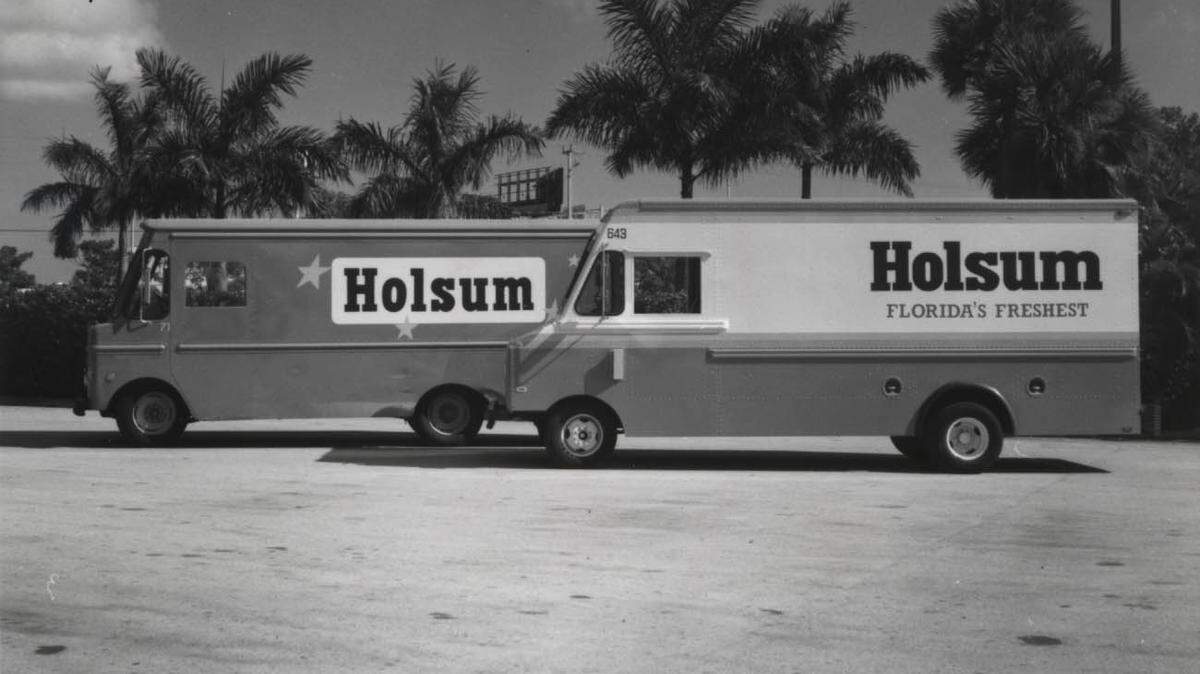
The aroma was heavenly.
Anyone driving on U.S. 1 in South Miami could roll down the car window and take in the scent of freshly baking bread.
For decades, the Holsum bakery was a landmark on South Dixie Highway, between Miami and Coral Gables. Not only by sight, but by smell.
Then the bakery moved to industrial Medley. The buildings were razed. A mall complex called the Bakery Center rose on the site. Then came another version of the Bakery Center. Then that was demolished and another mall took its place, the Shops at Sunset Place.
Now that mall is foundering.
The current version of the mall, struggling even before the pandemic, was just sold, putting in jeopardy plans to redevelop the site with a tower and a more street-friendly shopping complex.
Malls aside, let’s look back at when the site was a simple bakery that turned into a Florida institution. The Miami Herald archives will now take us back in time.
THE BAKERY
Published Jan. 20, 2002
If you lived, worked or visited South Miami between the 1930s and the early 1980s, you probably remember the smell.
Everyone remembers the smell.
It drifted aimlessly through the streets, greeting everyone in its path. It was sweet, warm and inviting and everyone knew where it came from - the Holsum Bakery Company.
“We just knew what was coming,” said Kim deLisser of Perrine. “The smell gave you a warm feeling inside. Our dentist was across the street from the bakery. After, we would go to the bakery’s thrift shop. It was the only way my mother could get us to go to the dentist.”
Charles Fuchs Jr. founded Holsum Bakers in 1912 in Homestead.
The bread business grew quickly and within a few years, Fuchs needed a larger space to keep up with the demand for fresh baked goods.
Holsum Bakery came to South Miami in the mid 1930s, expanding from its headquarters in Homestead into the building of the original Riviera Theater on South Dixie Highway and Southwest 58th Avenue.
The movie theater had a short life. It was built during the real estate boom of the 1920s and closed a few years later when the boom bottomed out.
After several months of renovation, the business of baking got underway and Holsum opened its doors and ovens.
The bakery and its building became a South Miami landmark, eventually expanding down U.S. 1 to Sunset Drive and covering 10 acres of land.
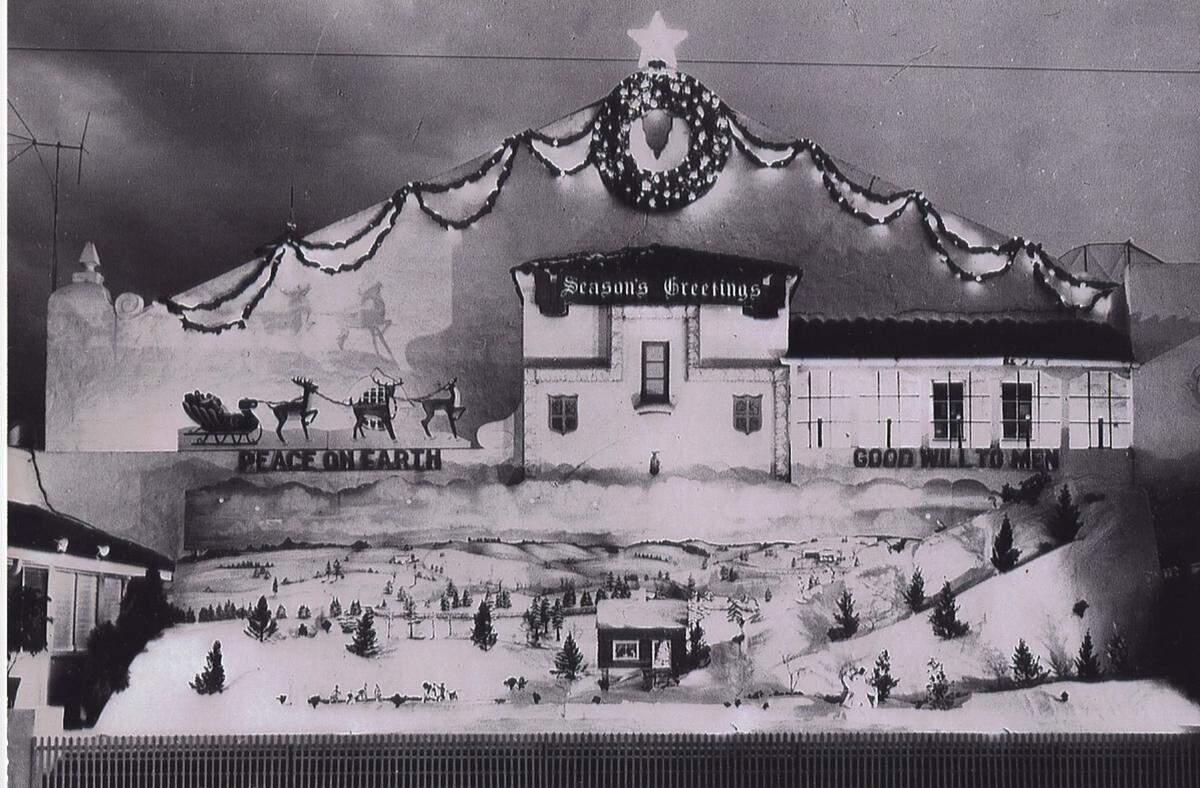
It was an impressive structure with high beams, arched doorways and ornate painting.
Gigi Turkel of Miami Shores grew up in Coral Gables and remembers the building took on a special glow during the holidays.
“As a kid, I remember driving down U.S. 1 and seeing the building; it almost looked like a stage, completely decorated with characters and lights - it almost looked like Disney World.”
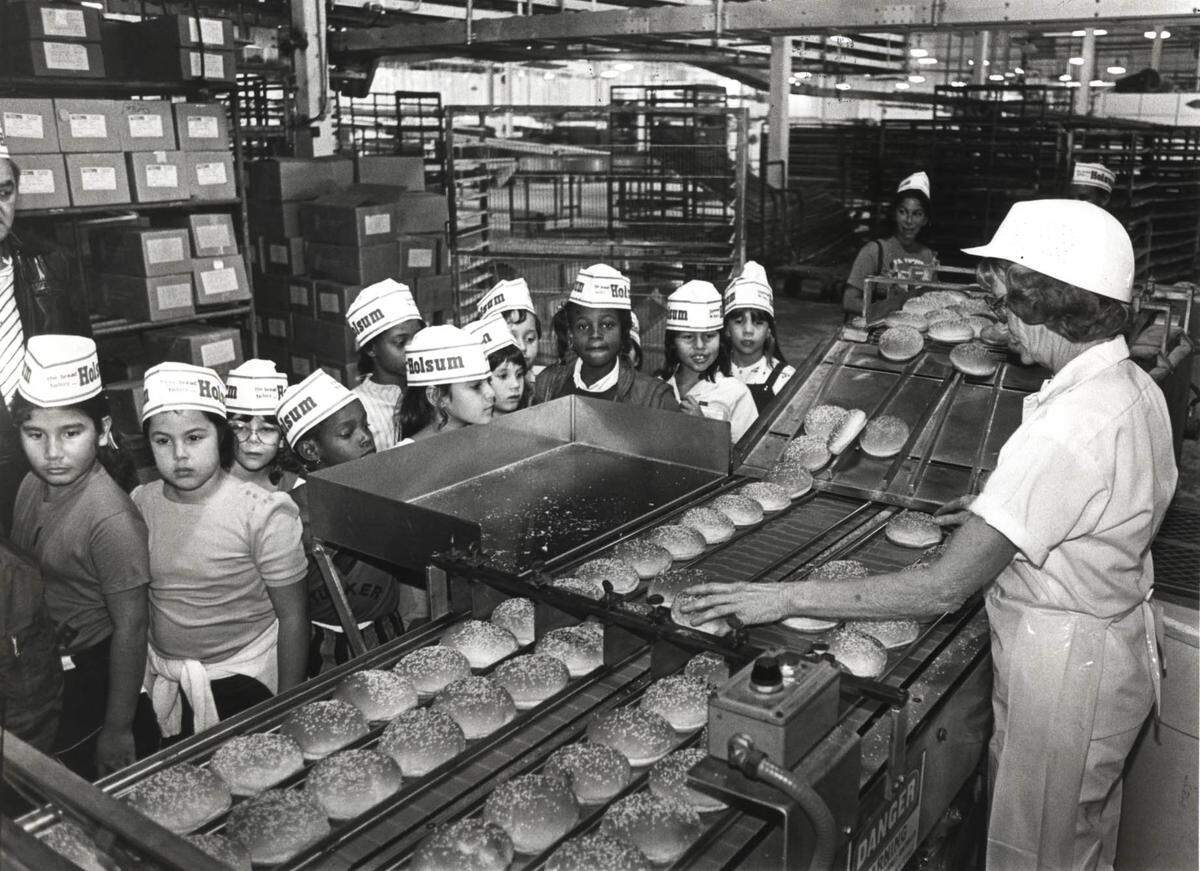
The bakery also became a popular field trip for South Florida students.
Ed Boas, owner of Lanes clothing store at Sunset Drive and Red Road said, “I do remember in grade school taking a tour through. I remember seeing the machines and the wonderful smells - we miss it.”
Growing up in the family business that has remained in the same location for more than 40 years, Boas also remembers the continued re-development of the land that went on once the bakery left South Miami.
Over the years, business continued to grow for Holsum and by the early 1980s the company was making plans to move to a larger, more modern plant in Medley.
By 1983, after 50 years in South Miami, Holsum’s ovens went cold and the bulldozers moved in to make way for a multimillion dollar office and commercial development called the Bakery Centre.
There was no bakery at the Bakery Centre when it opened in 1986.
In fact, there was little business going on at all and within a few years the owner defaulted on loans and a new set of developers stepped in to unveil a new project with shops, restaurants and a movie theater.
In 1999, The Shops at Sunset Place debuted.
Even though the bakery has been gone from South Miami for nearly 20 years, some people say the smell still lingers.
DeLisser sums it up this way:
“You knew the building wasn’t there, but you were so in tune to expect the smell of bread, it’s like you just reverted back. I remember thinking: ‘So what is South Miami going to smell like now?’ “
-
HISTORY OF HOLSUM
Published July 20, 1987
George Wilson is taking more time nowadays to stop and smell the Holsum bread his company has been baking for 75 years.
Wilson is chairman and chief executive officer of Fuchs Baking Co., founded by his father-in-law in 1912. Wilson, 62, has seen many changes in the bread business and in South Florida over the years.
He remembers, as a teen-ager, meeting friends in downtown “Myamma” at the S.S. Kresge five-and-dime for a hot fudge “sunduh.”
He remembers being at Bayfront Park in February 1933 when an assassin’s bullet missed President Franklin Delano Roosevelt and killed Anton Cermak, the mayor of Chicago.
He remembers slot machines in grocery stores and the heyday of gambling at the Royal Palm Club in the ‘30s.
He remembers the huge bakery Charles Fuchs started building in the ‘30s at South Dixie Highway and Red Road in South Miami.
Wilson remembers, but he’s not stuck in place. He moved Holsum out of South Miami and into a new plant in Medley in 1982. He says the new location off the Palmetto Expressway shortens delivery time for the 200 orange trucks that carry Holsum products to groceries and restaurants in 11 counties.
The Medley plant bakes up to 9,000 loaves an hour and uses 450 tons of flour a week to produce the Holsum line of breads and buns, including Bahama, SunMaid Raisin, Country Hearth and other specialty breads and doughnuts.
Since the move, business has increased steadily. Wilson estimates Holsum controls about 40 percent of the wholesale bread market in South Florida. Sales in 1986 topped $46 million.
That’s a long way from 1912 in Homestead, where Charles Fuchs opened his first bakery, with one oven and a one-cylinder truck, delivering bread to farming pioneers in South Dade.
Wilson married Fuchs’ daughter, Jane, in 1950, but he didn’t know the bakery’s founder well. In 1949, when he was 60, Fuchs was killed in an Everglades hunting accident.
Wilson, a stockbroker, was elected to Holsum’s board in 1958. Jane Fuchs Wilson controlled the majority of the stock in the privately held company, and still does.
By 1934, her father had accumulated enough capital to buy the old Riviera Theater building in South Miami for his bakery. Fifteen years and $1 million later, the bakery encompassed most of the land now occupied by the Bakery Centre shopping mall.
“In 1949, he had the most modern bakery in the country,” said Wilson.
Once settled in South Miami, Fuchs adopted the name Holsum bread, from W.E. Long Co., a Chicago advertising agency that was trying to build a nationwide Holsum bakery network.
Today, the Holsum network, controlled by the W.E. Long Independent Baking Co-op, comprises 72 baking plants across the United States that are owned and operated by co-op members such as Fuchs Baking Co.
The Holsum name stuck in the minds of Miami consumers, but it was Fuchs’ involvement in the community that stamped the Holsum name into South Florida history.
Fuchs helped start the South Miami Chamber of Commerce and served as president in the late ‘30s. He was also president of the South Miami Riding Club, where Baptist Hospital is now.
In the ‘30s and ‘40s, Fuchs would invite 300 to 400 employees, business associates and friends for community barbecues on his 40-acre farm in South Miami, Wilson said.
Board member Gene Chivers, a past president of Holsum, was hired as a fix-it man by Fuchs in 1937 and worked closely with his boss. “Charlie Fuchs was the most wonderful man I ever knew,” said Chivers. “He was like a father to me.”
Wilson was elected chairman of Holsum in 1961, but didn’t take control as CEO until 1964. In the 12 years between Charles Fuchs’ death and Wilson’s election as chairman, Holsum was steered by Jodean Cash, president, and board member Luther Chandler, the second largest stockholder.
During his first few years as Holsum’s chief, Wilson made few changes, taking time to learn the bread business. But in the mid-’60s, Wilson became intrigued with opportunity in Latin America through the Alliance for Progress program, which brought American technology to Latin countries. Holsum acquired plants in South America and the Caribbean.
Wilson said Holsum white bread sold well in Latin countries because it was more useful as a sandwich bread than the local hard-crusted breads and it had greater nutritional value. “Since the ‘30s and ‘40s, it was the law in America to use enriched flour,” he said.
Holsum had a profitable decade in the foreign markets. But by the early ‘70s, nationalistic feelings of some Latin governments and regulation of foreign companies became a major problem for Holsum.
“Being a small, independent company, we could not cope with the expenses we were incurring because of government regulations,” he said.
To cut losses, Holsum sold off operations in the Bahamas, Colombia and Venezuela.
But, as Holsum was trying to get out of the fryer in Latin America, the company went into the oven at home. The Nixon administration’s price freeze in 1972 hit hard.
“President Nixon froze prices of bread, but not the major ingredients of bread. Consequently, we were put in a squeeze where we were basically losing money,” Wilson said.
Other bakers were dropping out, but Wilson kept Holsum on South Florida shelves to maintain its market share, even if it meant losing profits.
Holsum could not lay off workers to cut costs because it wanted to maintain production. Today, Holsum has 620 employees, a small increase over the 550-person payroll of the ‘60s.
By the time Holsum pulled out of Latin America, the Latin market had come to South Florida. Wilson said Holsum worked to build a strong relationship with that developing community.
“We helped Cuban store owners establish credit. We gave them goods on consignment,” said Wilson.
Wilson and Chivers, president until 1977, led Holsum through the early ‘70s into a successful decade highlighted by the move to Medley.
Holsum’s success has brought Wilson the respect of his colleagues. He was chairman of the American Bakers Association for 1985.
“George Wilson brought the baking industry’s views to Congress,” said Paul Abenante, association president. “He was very active with the 1985 Farm Bill and our labor relations initiatives.”
Wilson, who grew up in Southwest Miami and attended the University of Miami, also has been active in community affairs. Wilson and his wife have lived in Coral Gables for 37 years. He served two terms as vice mayor and city commissioner in the 1960s.
“Back in the ‘50s, ‘60s, and ‘70s, George Wilson was very involved in a lot of community projects,” said Al Cook, executive director of the South Miami-Kendall Area Chamber of Commerce.
Wilson also works with Dade’s youth. Holsum provides youth tours every week of its Medley plant, sponsors an annual baking contest at the Dade County Youth Fair and participates in the Dade County Junior Achievement program.
Wilson’s concern about young people extends to the drug and crime hazards of growing up in Miami.
He laments over the drug scene, and says he would like to erase the Miami Vice image. “I hope we continue to cut down on bad publicity and go back to the image the area is great for: the weather and the beaches,” he said.
Although Holsum’s diamond anniversary has been cause for looking back, Wilson sees a glowing future for the company. As of June 26, the company’s revenues were 12 percent higher than last year’s, said Harold Dees, vice president of marketing and sales.
Wilson wants to increase that. He said Holsum is looking to build production facilities in Central Florida to extend Holsum’s distribution from its present market area, which covers a triangle from Key West to Fort Myers to Vero Beach.
Wilson is considering retiring when he turns 65, which may signal the end of the family line in Holsum bread. The Wilsons have four children, two sons and two daughters. Only Brian, 33, the eldest son, has followed the bakery calling. But not with Holsum. Brian Wilson works for Pour la France, an independent baker in Colorado.
Wilson plans to entrust Joseph Grant, Holsum president since 1976, with the bakery’s future.
George Wilson believes change is a necessary and inevitable process. But one thing will never change:
His favorite treat is a peanut butter and jelly sandwich — on Holsum bread.
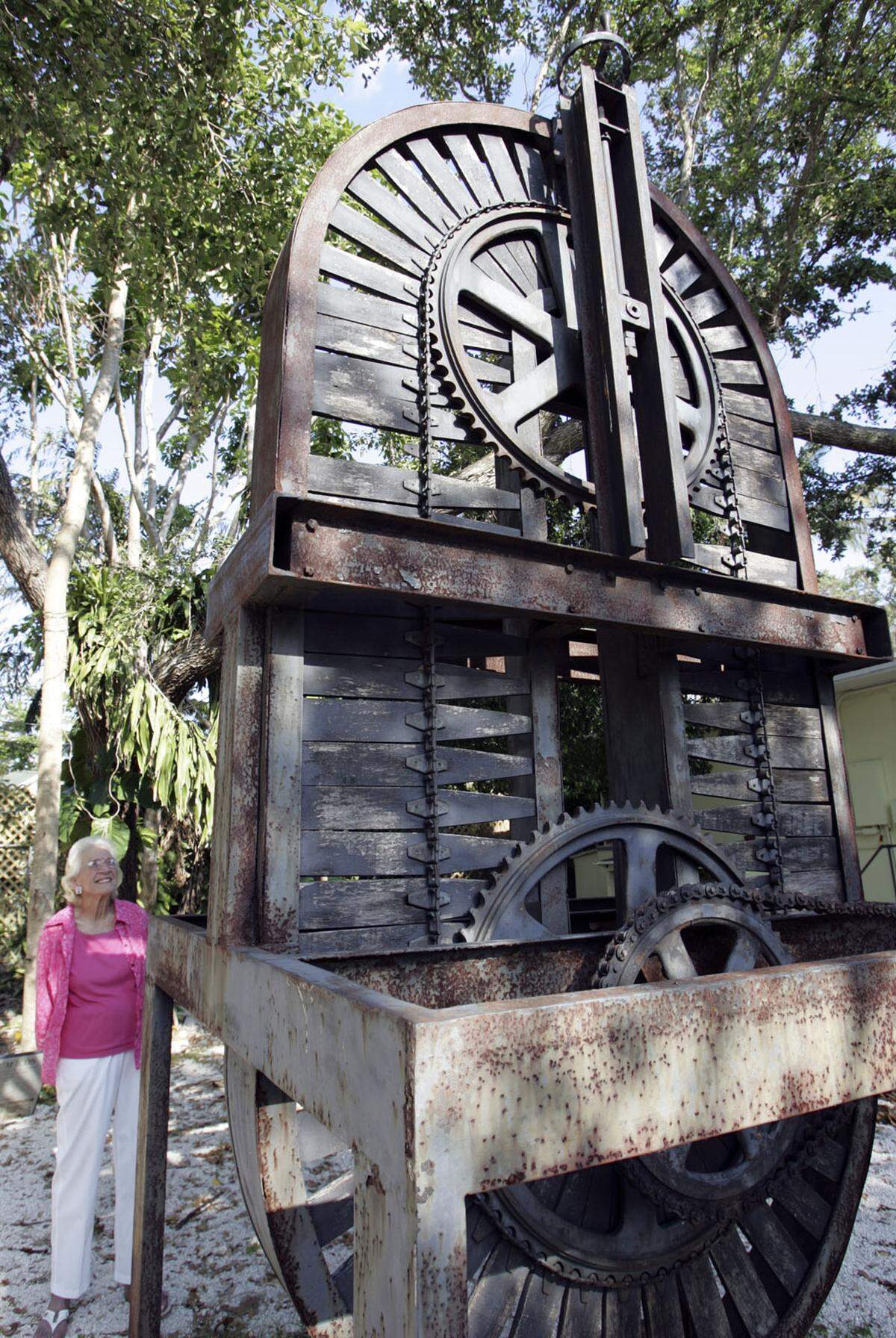
A look back at the family
Published Nov. 7, 2010
BY JANE WILSON
What brought me to Miami-Dade County?
The stork brought me to #6 NW Fourth St. in Homestead in 1927. However, my story starts long before that.
My grandfather, Charles Theodore Fuchs, came to America from Germany at 16. He arrived on Ellis Island in 1881. In New York he found work, married and had two children, one of whom was my father, Charles T. Fuchs, Jr. In 1912, the family moved to Homestead because of health reasons.
The family traveled to Miami by train, spent a day shopping at Burdine’s for their new home on Avocado Drive. They then took Flagler’s Florida East Coast Railroad to the end of the line in Homestead.
In 1913 my grandfather purchased a building at 102 S. Krome Ave., which is now on the National Historical Registry. My father was 20 when he and my grandfather together opened a grocery store and bakery.
My father was in charge of the bakery and could bake about 200 loaves of bread each day. He delivered them by horse and buggy to the residents of Homestead and surrounding farms.
My mother, Elizabeth Pipes, met my father when she was visiting South Florida with her family from West Virginia. They were married in 1919.
I spent my early childhood playing outside, riding my bike and, most of all, I loved going to my grandfather’s house and riding a pony that my father had bought for me.
I attended Neva King Cooper Elementary School through the fifth grade and on Saturdays my friends and I would always walk to the matinee at the Seminole Theater on Krome Avenue.
My father moved his bakery from the grocery store to a storefront on Homestead’s Flagler Street. It wasn’t long before he built his own building, had four delivery trucks and was selling bread as far north as Goulds.
My parents divorced in 1933, changing my life dramatically. My father enrolled me at Miss Harris’ Private School on Brickell Avenue in Miami as a boarder.
Four years later, I asked to transfer to Ponce de Leon High School in Coral Gables, from where I graduated. I have fond memories of being on the marching team of Cavalettes and marching at the Ponce football games that were played in the Orange Bowl Stadium.
With the bakery business growing, my father made a big move in 1934. He purchased the old Riviera Theater building on U.S. 1 in South Miami. It required a lot of work to change a theater into a bakery, but when the time came to move, not a single day was missed in the baking schedule.
My father’s company, Fuchs Baking Company, became known as the baker of Holsum Bread. The sleepy little town of South Miami soon changed with the bakery’s arrival. Soon there were 40 trucks delivering Holsum Bread throughout the Miami area.
About this time, my father remarried. His new wife was Onie Cauley, the widow of W.H. Cauley, who had been a big tomato farmer in Goulds and for whom Cauley Square is named.
We moved to a 40-acre farm on Davis Road and Southwest 62nd Avenue, next to “Blue Waters,” now called “Fuchs Wayside Park.”
The Holsum Restaurant at the bakery in South Miami was a popular place for after-date snacks but also stayed open 24 hours to accommodate the bakery employees who worked at night. Also, it was a popular breakfast stop for fishermen driving to the Keys.
Next to the restaurant and the bakery building was a fenced-in park with exotic birds. It was not open to the public and didn’t have an official name except, maybe, “Holsum Park.” It was just a hobby of my Dad’s and he loved showing it off.
I went away to college and graduated from Duke University in 1949.
The bakery was ready for a major expansion in 1947-48. The homes along Red Road were bought, Southwest 57th Court was closed, the South Miami Methodist Church on Sunset Drive was torn down, the birds in the park were moved to the Rare Bird Farm in Kendall and the most modern automated bakery in the South was built. Six thousand loaves could be baked each hour.
Many people still remember the wonderful aroma of baked bread when driving through South Miami.
For 10 years, from 1948 to 1958, the bakery put up elaborate Christmas displays on U.S. 1 with lights and automated figures such as ice skating and moving trains.
In 1949 my father was killed in an airboat accident while hunting in the Everglades. He loved to hunt and had many Seminole Indian friends who took him hunting. He was with his Seminole friends when the accident happened. It was a shock to our family and the entire community.
In 1950, I married George M. Wilson. He was raised in Miami and attended Miami High and the University of Miami. We had four children -- Shelley, Brian, Donna and Richard. When the time came to buy our first home, George insisted that we buy in Coral Gables because he wanted to run for Coral Gables city commissioner.
He served on the commission for six years.
He changed occupations from being a financial advisor with various New York Stock Exchange firms to being a baker. With his financial background, he fit in well as president and as CEO of Fuchs Baking Co.
My greatest enjoyment came from my membership in the Coral Gables Garden Club where I served two years as president and have been a member for 57 years.
The bakery was growing and so was South Miami. In 1984, it was again time for the bakery to move. This time, it was to Medley off of the Palmetto Expressway. We built a $12 million plant and had 570 employees.
With the passing of time, the baking business changed and so did the public’s taste for bread. Later on, business began to slow down. Interstate Baking Company, the largest bakery in the United States, began buying up bakeries around the country. Our bakery was sold in 1994 after being a family-owned business for 81 years.
My son, Brian Wilson, was serving as president of the bakery, the fourth generation to run the Fuchs Baking Co.
-
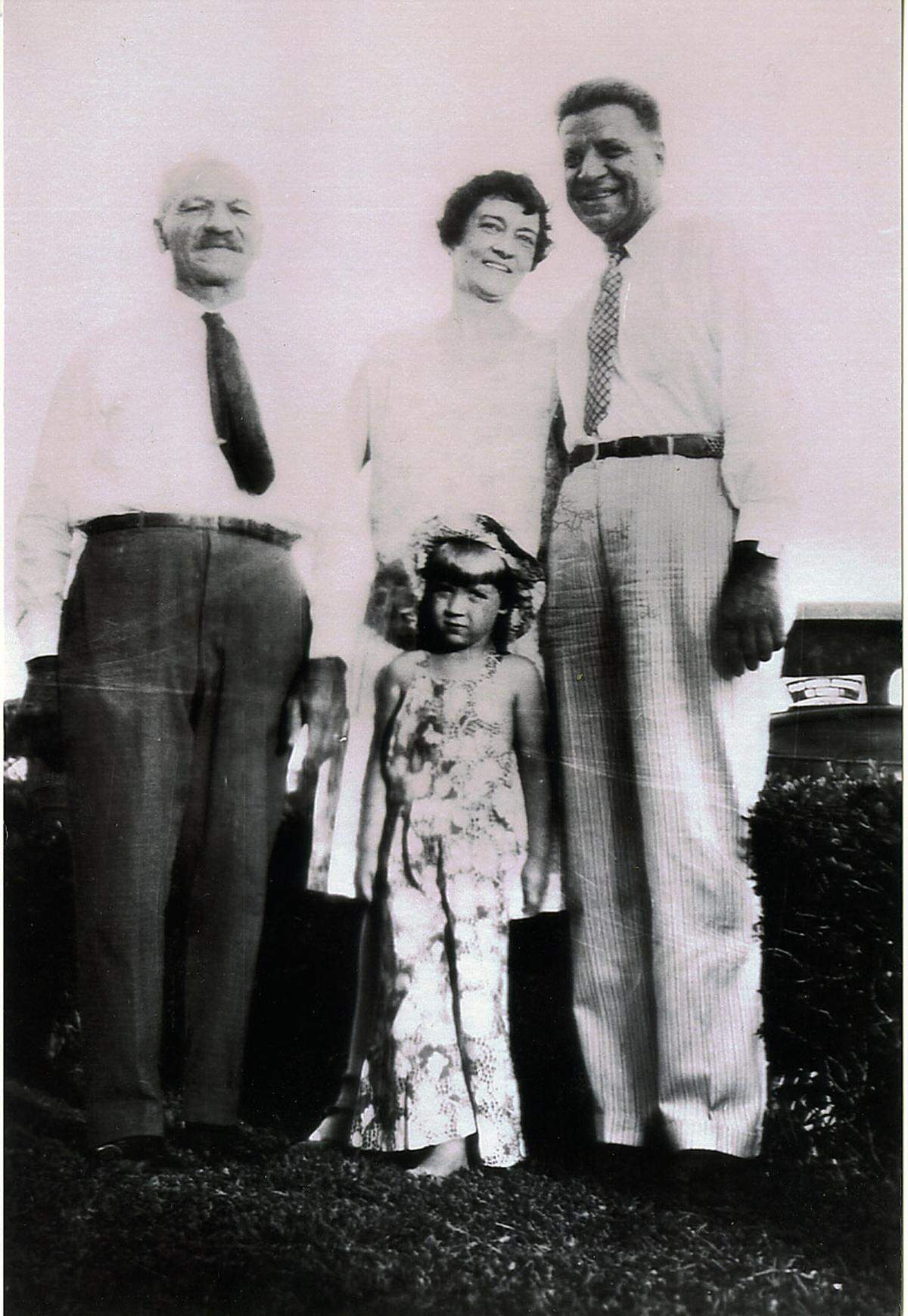
.JPG "holsum00 fuchs DNS HO (1).JPG")
THE END OF THE HOLSUM BAKERY
Published July 9, 2005
Workers left the Holsum bread factory in Medley for the final time Friday, as the South Florida institution closed local operations after more than 90 years in business.
The Medley plant, which baked some 750,000 loaves of bread and more than seven million buns each week, laid off its more than 450 employees.
“Everyone’s upset,” Johnny Torres, 55, a breadmaker for the past five years, said as he walked out of the plant his final time. “They didn’t say nothing to us. We found out it was closing from the news.”
Two employees, who gave their names as Jean and Johnell, said they had worked together there as shipping clerks for the past 17 years.
“Some people grew up here,” said Johnell, 40, of Carol City, who started at Holsum when he was 23.
Turning to Jean, who he said was like a brother after so many years working together, Johnell quipped: “10 more minutes, dog, and I’ll never see you again!”
In April, Kansas City Interstate Bakeries, parent company of Holsum and maker of brands including Hostess Twinkies and Wonder Bread, announced the closing as part of its reorganization under Chapter 11 of the bankruptcy code. Its Florida operations will move to Orlando and Jacksonville, the company said.
Workers Friday collected paychecks and turned in their uniforms. “If you don’t turn in your uniform they’ll make you pay for it, they’ll take it out of your last check,” warned a 42-year North Miami man, who gave his name as Dennis and said he worked at the plant for four years.
The Holsum plant, which sits on more than 10 acres along the Palmetto Expressway, opened in Medley in 1982. It replaced Holsum’s South Miami bakery, which gained fame for the smell of baked bread it sent wafting through the town’s streets each day. A mall, The Shops at Sunset Place, now sits on the site of the former bakery.
Charles Fuchs founded the South Florida bread company in Homestead in 1912. By 1930 Fuchs moved to South Miami and adopted the Holsum name.
The bakery became an industry leader in South Florida, garnering 40 percent market share in the 1980’s. In 1994 Interstate Bakeries bought Holsum.
On Friday Holsum trucks emblazoned with the slogan “80 Years of Loafing!” sat idle in the plant parking lot.
A security guard carefully checked departing cars to be sure nothing was stolen.
Interstate Bakeries previously said workers could apply for positions elsewhere in the company, but company spokesman Jason Booth said it was not known how many employees were rehired.
One former Holsum employee picking up his paycheck arrived in a blue shirt and hat bearing the name, “Professional Pet Solutions.”
A 58-year old Hialeah Gardens resident named Miguel Dominguez, who said he worked at the plant 6 years, explained that he had started a new job. “I’m in training,” he explained.
But most workers said they had not found new employment yet; many said they hadn’t even looked.
“I can always get a tractor-trailer job,” said a Miramar man named Desmond, who drove a truck for Holsum. “But a lot of the others, I don’t know what they’ll do.”
“What can we do?” added Jean Bonnegue, 57, of North Miami. “I’m going home and relaxing for a while. And then find a new job.”
Some workers did not express too much disappointment for losing a job that, they said, did not follow a traditional work week and often included odd working hours - for instance, a shift could run from 5:00 p.m to 1:30 a.m., one departing worker said.
“We had no life here,” said Reggie, 52, from Miami.
But others were hardly sanguine. One worker, who colleagues said was a 17-year veteran of the plant, cursed out the window of his green minivan as he drove off, adding: “I’m through here.”
HOLSUM BAKERY HISTORY
1912: Charles F. Fuchs Jr., son of a pioneer Miami-Dade grocer, founds Homestead Bakery. His one-oven plant produces 200 loaves of bread a day.
1926: After two expansions, the company changes its name to Holsum Bakers.
1934: The bakery moves to South Miami into the original Riviera Theater on South Dixie Highway, where it becomes one of the city’s main employers.
1983: After 50 years in South Miami, now under the leadership of Fuchs’ son-in-law George Wilson, Holsum moves to Medley. The bakery is producing about 175,000 loaves of bread and buns.
1994: Interstate Bakeries Corp. acquires Holsum after Wilson’s retirement.
April 2005: Interstate Bakeries, operating in bankruptcy court, announces it will close the Medley facility and lay off 479 employees.
This story was originally published January 6, 2021 at 12:16 PM.