Could gas hit $6 a gallon in Florida? Experts predict impact on groceries and goods
READ MORE
Gas prices are rising
Gas prices have been soaring since Russia’s invasion of Ukraine, and it impacts all of us. Here is how high it can get, and some tips on how to deal with the pain at the pump.
Expand All
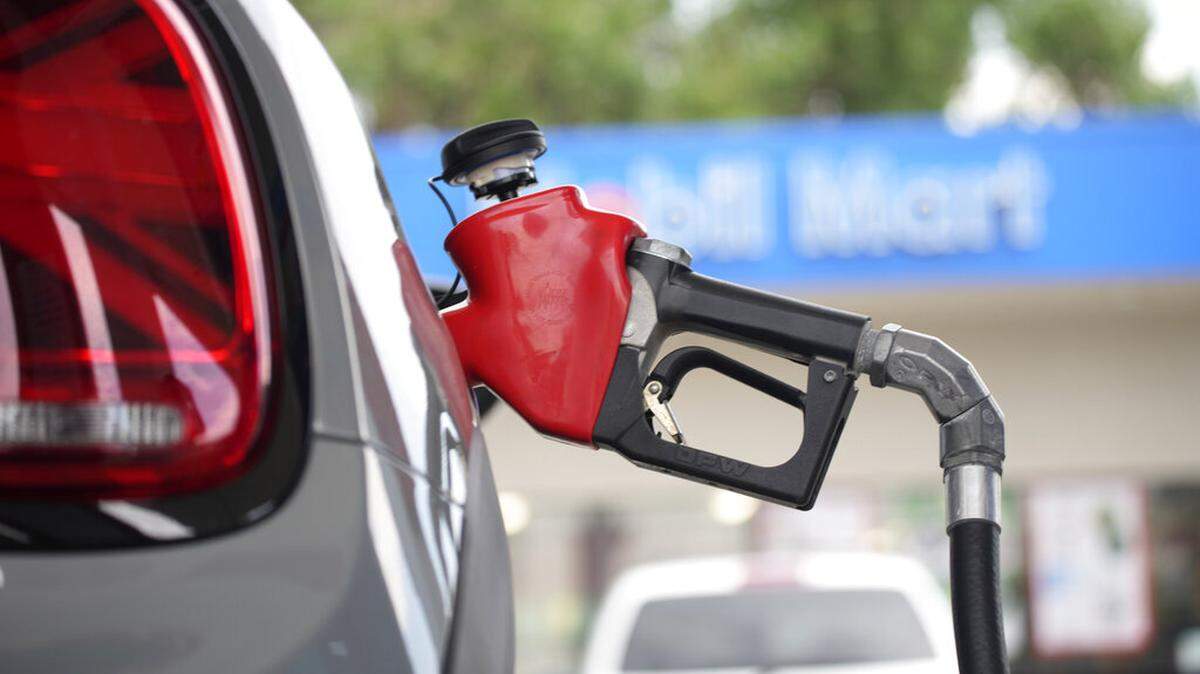
Use this interactive map listing gas prices in Florida, and see the tips to save money
Could gas hit $6 a gallon in Florida? Experts predict impact on groceries and goods
How can you find the cheapest gas in Florida? There’s a station-by-station guide
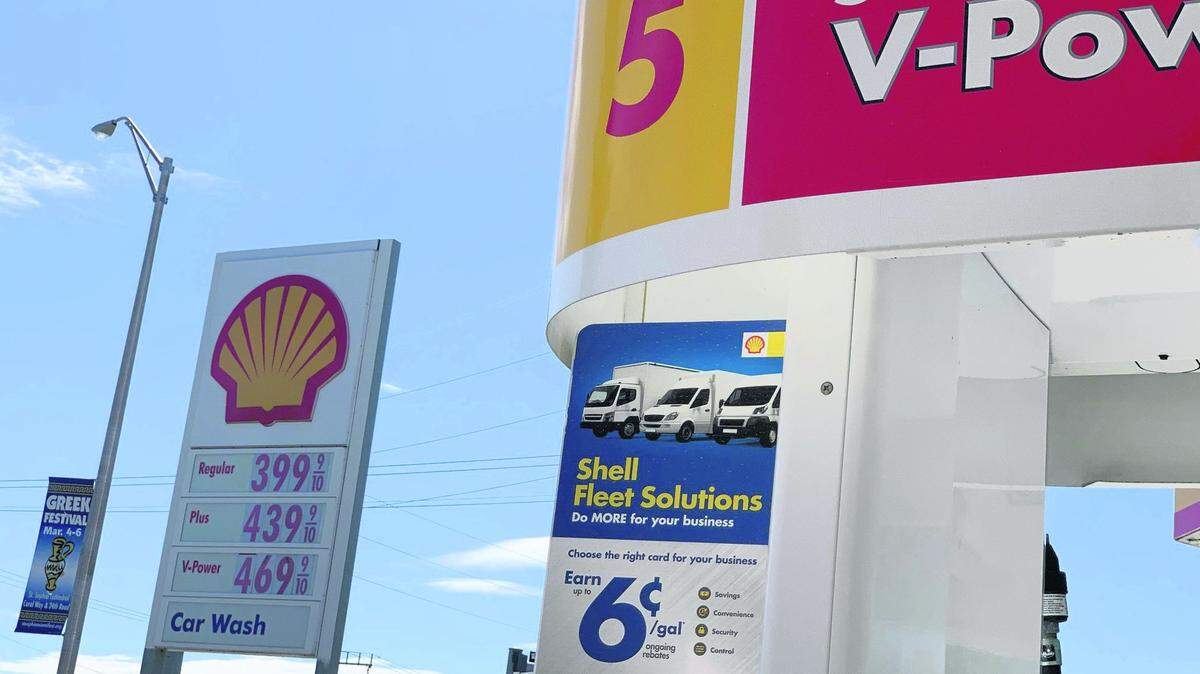
Where do you get cheap gas in Miami? Let us know how you save in our survey
If U.S. reached a deal with Venezuela on oil, would it have an impact on gas prices?
UPDATED: This story has been updated to note Uber’s new temporary surcharge due to high gas prices that will go into effect on March 16.
The repercussions of Russia’s invasion of Ukraine on Feb. 24 continue to be felt nationally and in tourist-reliant Florida.
Fuel prices had already been on the rise before the attack. But since Russian President Vladimir Putin’s ordered invasion on Ukraine, gas prices in South Florida have skyrocketed some 80 cents per gallon.
“While the fuel factor in the rising cost of goods is usually quite small, such substantial price increases could definitely have an impact on transport costs for a variety of goods,” said Nicole Petersen, marketing and communications specialist for GasBuddy, a tech company that monitors fuel prices at gas stations around the world.
“For example, it’s possible we could see an increase in the price of grocery items because of increased shipping and transport costs. We could definitely see a lift in ride-share prices as well, as costs become much higher for the drivers,” she said.
Rising gas prices
The average price of gas in the United States on Feb. 10 was $3.47, the highest since 2014, according to AAA.
In Florida, days after Russia’s aggression, the figure crept up to $3.49, according to GasBuddy. By March 4, South Florida consumers were paying about $3.99 a gallon for regular gas.
On Wednesday, Florida’s average gas price for regular, unleaded fuel was $4.24, according to Petersen. Miami’s average was $4.27 a gallon, and West Palm Beach and Fort Lauderdale were both at $4.19 a gallon on Wednesday, she said.
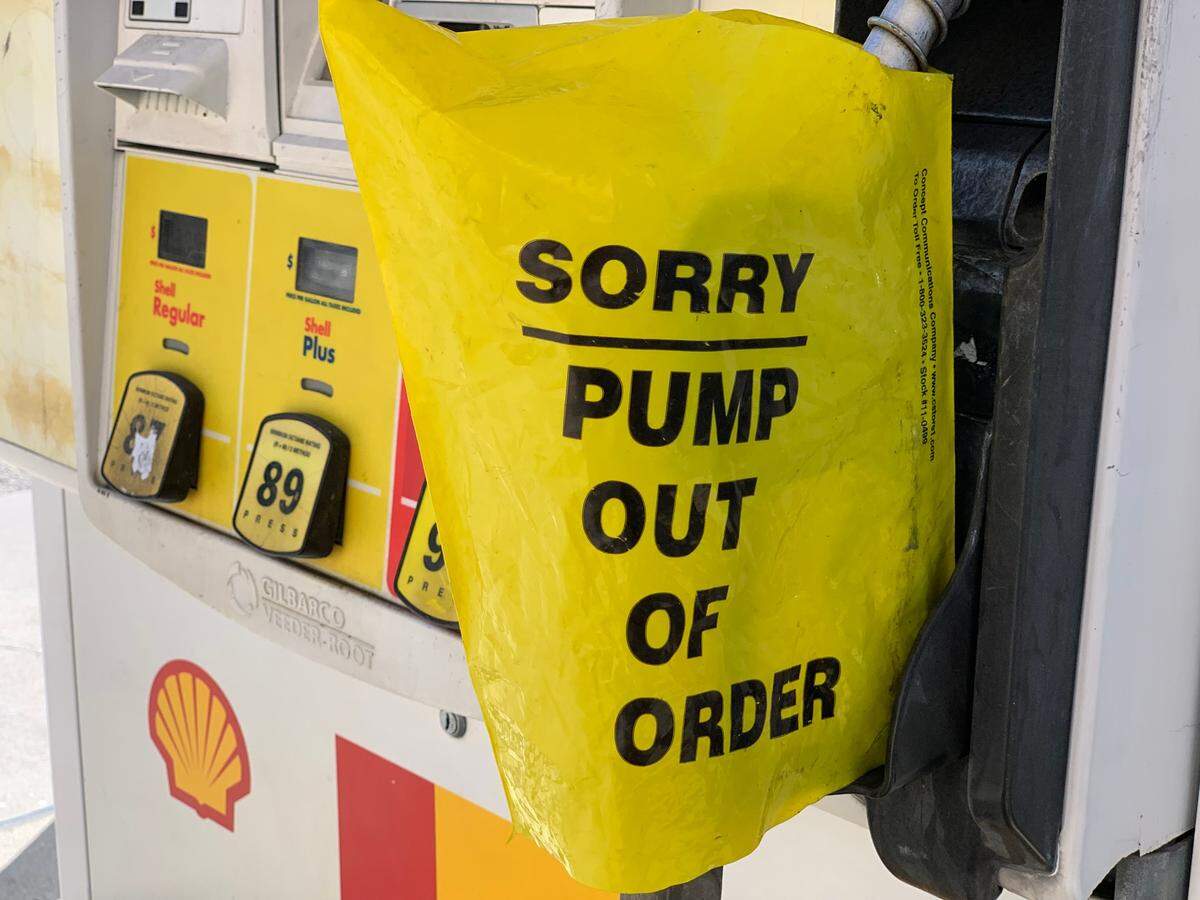
“It’s sad because it affects the lives of everyday people,” Danny Dimare, a 25-year-old DJ, said Wednesday as he paid almost $71 to fill the tank of his Lincoln sedan at a Shell gas station in Little Havana.
Could gas prices soar to $6 a gallon in the next four weeks?
“It wouldn’t be out of the question for it to get to that number,” said John Quelch, dean of the Miami Herbert Business School at the University of Miami.
“Gas prices will continue to escalate as long as there’s uncertainty regarding the duration of the conflict,” Quelch said.
Another potential factor: On Tuesday, President Joe Biden announced that the United States will ban all imports of Russian oil and gas and energy. “That means Russian oil will no longer be acceptable at U.S. ports and the American people will deal another powerful blow to Putin’s war machine,” Biden said.
About 8% of U.S. imports of oil and refined products came from Russia in 2021, The Wall Street Journal reported.
What the experts predict
To find out whether rising gas prices will result in higher costs for consumer goods and services, the Miami Herald spoke to experts including Quelch, Petersen, GasBuddy petroleum analyst Patrick De Haan, air travel experts and spokespeople from ride-share companies Uber and Lyft.
Most of the experts agree that gas prices will continue to rise for the foreseeable future.
“The majority of intense price spikes are likely over, but a $4.50 a gallon national average could be seen in the next couple of weeks. Prices will likely stay elevated through the summer — we might not see any relief until Labor Day,” Petersen said.
Service costs

If you’re a low fuel consumer — say you work from home and drive 10 miles and burn through about three gallons a week — a $1 rise in the retail cost of fuel may cost you an additional $150 a year, according to Quelch’s math.
“But if you’re a plumber or an electrician independently serving folks in their homes as part of your livelihood, obviously your transportation costs, which are essential to delivering your service and earning an income, they’re going to increase,” Quelch said.
Gary Hopper, a 55-year-old trucker from Buffalo, New York, on vacation in Miami, told the Miami Herald while filling up Wednesday that he can no longer afford to have his truck idling while he sleeps in it.
“If it is 80 degrees outside, it can get up to 120 inside the truck,” he said. “We’ve got to be able to sleep.”
Quelch said fuel surcharges could appear.
“There is a whole series of changes that is likely to occur once we get a view that says this has got to be longer than a one-month or a six-week proposition,” he said.
Cost of groceries

Quelch said 6% to 10% of food costs are transportation-related. “Obviously a portion of that may be depending upon the gas price, maybe about a quarter or a fifth. So call it 1% related to the cost of the energy needed to power those trucks that deliver your vegetables and produce from one side of the country to another.”
As such, the cost may pass on to the consumer in the form of higher food costs.
‘Putin tax on E-commerce’
What about the cost of goods we order online, say from Amazon? These products, like the new James Patterson/Dolly Parton bestseller or an Amazon Echo Show device, have to be driven to our homes by Amazon Prime trucks.
The cost of an annual Amazon Prime membership already was jacked up for new members by $20 on Feb. 18 from $119 to $139. The monthly fee went up $2 from $12.99 to $14.99, the company announced.
USA Today reported that Amazon officials said the price of Prime is increasing with “the continued expansion of Prime member benefits as well as the rise in wages and transportation costs.”
Now add Russia’s invasion of Ukraine and the global aftereffects.
“This is where you could see the possibility of not price increases but a fuel or delivery surcharge on e-commerce shipments,” Quelch surmises. “That deliberately separates it out, if you like. You could call it the Putin tax on e-commerce.”
Commodities cost
If Russian President Vladimir Putin makes good on a threat to ban the export of certain commodities to Western countries that have declared they are against Russia in this conflict, that could put enormous pressure on supplies of many items like nickel, titanium, palladium and other commodities that are essential ingredients in the production of many items, Quelch said. For example, palladium is important in catalytic converter production for automobiles. Titanium is important in aircraft production.
Air travel

“The recent dramatic rise in fuel prices will inevitably affect the airline industry,” Zach Griff, senior reporter for The Points Guy, a travel site, told the Herald in an email interview on Wednesday.
“During the recession in 2008 and 2009, airlines unbundled most of their fares and added new fees to compensate for the increased cost of fuel,” he said. “This included charges for checked bags, seat assignments, food and drinks and much more. Additionally, airlines added a new component to the fare, called carrier-imposed surcharges, that was initially meant to compensate for the increase of fuel cost.”
Griff continued: “Fast-forward nearly 15 years and these additional fees are still around — and that’s especially true for the ultra-low-cost carriers serving the Miami metro area, Frontier and Spirit. Now, as airlines are facing much higher fuel costs, they’ll likely be passed on to the traveler through increased fees and fares.”
But the airline industry may not immediately increase fares in tandem with the increased fuel cost, Griff suggests.
“The entire industry is still recovering from the pandemic, especially the most recent omicron surge, and carriers may decide to ‘eat’ some of the increased fuel costs to stimulate demand and get people traveling again.”
Could Americans’ support for Ukraine wane?
“The percentage of consumers who are willing to support an increase in gas prices for help to Ukraine is vulnerable if the gas price goes to $5 a gallon, $6 a gallon or beyond,” Quelch said.
“In other words, if we’re talking about 70% or 80% affirmation, is it worth paying more at the pump to help Ukraine? That does not specify any particular price point. But if there is an escalation to $6 per gallon, for example, within the next, say, four weeks, one can imagine that that would have a very substantial impact on the popular enthusiasm to continue to support Ukraine.”
Back to working from home?
The COVID-19 pandemic had millions of employees nationwide moving from business offices to their homes to work. As many have headed back to the traditional office gathering that could change, too.
“Remote work will be given a boost by sustained increases in per-gallon gas prices. In addition to that, you can also expect to see some shift in vehicle demand towards smaller vehicles,” Quelch said.
Ride-share costs
In a statement provided to the Miami Herald, Lyft said: “We care deeply about the driver experience and we’ve taken concrete steps to help given rising gas prices.”
Among the steps are partnerships to help its Lyft drivers save money on fuel, which, in turn, could keep ride costs from spiraling upward for Lyft customers, the company said.
“Our investments in programs like our GetUpside partnership and the Lyft Direct cash back debit card are designed to directly save drivers money at the pump. We’ll continue to explore other ways to help the driver community.”
Javier Correoso, who handles public affairs for Uber, added a similar statement about Uber’s actions during rising fuel costs.
“We know higher prices at the pump can be a challenge, which is why we recently launched a new feature that helps drivers save up to 25¢ per gallon through cash back with GetUpSide. Our platform only works if it works for drivers, so we’ll continue to monitor gas prices and listen to drivers over the coming weeks.”
Both companies have since added surcharges.
Uber announced Friday it was adding a new temporary surcharge on Uber trips and Uber Eats orders to help drivers and couriers offset the cost of gas.
The surcharge will be 55 cents per ride and 45 cents per Uber Eats order in all Florida markets. The company said the fees are based on the average trip distance as well as the increase in state gas prices compared to historic averages.
“Uber plans to continue to monitor gas prices over the next 60 days, at which point the surcharge will be reevaluated,” the ride-share company said in a statement. The new surcharge will start on March 16.
On March 16, Lyft announced it, too, was implementing a temporary surcharge, said Lyft’s Communications Manager CJ Macklin.
Lyft’s statement: “Recent gas price increases are making all types of transportation more expensive. And this has a direct effect on drivers. So, starting next week, Lyft is adding a 55 cent fuel surcharge to each ride that’ll go directly from riders to drivers —100% of it. This will help offset fuel costs, which also helps more drivers stay on the road. Drivers can expect these additional earnings for at least the next 60 days.”
Will this last forever?
Like gas prices, matters are up in the air right now and could fluctuate.
Some, like Correoso, the Uber spokesman, are guardedly optimistic.
“Despite any increase in gas prices, U.S. driver earnings are still quite elevated relative to historical trends,” said Correoso. “The number of active drivers in the U.S. and Canada has been relatively stable from January to February, with 8% month-over-month growth in the last week of February.”
How long the conflict wages on will make a difference, Quelch said.
“These issues depend upon whether or not consumers see a sustained, or a likely sustained, change in the per-gallon price. If they see the conflict abating or if there’s a truce, then the volatility and the price will be mitigated somewhat and people will be less concerned about the current prices being sustained for a longer period of time,” Quelch said. “So they will only adjust their behavior in significant ways if they believe that this is going to be less than a temporary glitch.”
In a video post to his blog, GasBuddy’s head petroleum analysist Patrick De Haan said that many U.S. oil companies were already curbing the flow of Russian oil ahead of the Feb. 24 invasion.
“I think the good news for motorists is that oil gains, which were pretty strong earlier today, have backed off somewhat,” De Haan said. “The wholesale price of gasoline is up another 10 cents a gallon and so that does mean the prices will continue increasing across the U.S. and Canada. But, at least for now, the pace of increases will probably start to slow down. Obviously, it’s been a pretty tumultuous week.”
Miami Herald staff writer Omar Rodriguez Ortíz contributed to this report.
This story was originally published March 9, 2022 at 5:37 PM.